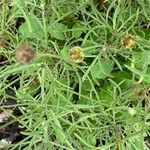
Scabiosa ochroleuca
Yellow Scabious · Cream pincushions · Cream Pincushion-flower · Sipică
Description
Source: leafsnapScabiosa ochroleuca, commonly called cream pincushions or cream scabious, is a species of scabious with creamy yellow flower heads. It is native to Europe and western Asia.
🌳 Cream pincushions are an important nectar source for a variety of pollinators, especially butterflies, which play a key role in biodiversity. Their abundant nectar rewards the insects that, in turn, assist with pollination. This mutual relationship emphasizes the plant’s significant contribution to the ecosystem and may attract the interest of ecological gardeners and conservation efforts.
Care Guide
💧 Water
Cream pincushions thrive in environments with moderate moisture. They require consistent watering to stay hydrated, but be careful not to waterlog them. Watering once a week is usually enough to maintain optimal hydration. During the growing season, natural rainfall helps enhance their lush deciduous foliage, showcasing their adaptation to temperate regions.
How should I water my Cream pincushions?
When watering the Cream pincushions, it is important to use filtered water at room temperature. Tap water may contain harmful particles that could affect the plant's health. The Cream pincushions originate from warm environments, so it is best to avoid using cold water as it can shock the plant. Additionally, overhead watering should be avoided as it can cause problems with the foliage. Instead, water the plant by applying filtered, room temperature water directly to the soil until it is completely soaked. This helps to moisturize the roots and facilitate their spread through the soil for nutrient absorption.
What should I do if I give too much or too little water to my Cream pincushions?
Both overwatering and underwatering can harm your Cream pincushions, but overwatering is more common. When this plant gets too much water, its stems and leaves may wilt, turn yellow, and can be vulnerable to diseases like root rot, mold, and mildew, which can be fatal. While underwatering is less likely, it can still happen. In such cases, the leaves become dry and brown. It's important to catch signs of overwatering early since some diseases like root rot are not easily reversed if left unaddressed. If you notice symptoms of overwatering, reduce your watering immediately and check if the soil drains well. If not, replace it with a loose, well-draining potting mix. On the other hand, if signs indicate your plant needs more water, simply increase your watering schedule until the symptoms subside.
How often do I need to water my Cream pincushions?
If your Cream pincushions are potted, you can determine if they need water by checking the soil. Stick your finger into the soil and if you find that the top two to three inches are dry, it's time to water. If you have Cream pincushions planted outdoors in the ground, you can use a similar method to test the soil. Once the first few inches of soil have dried out, it's time to water. Typically, during spring and early fall, watering once a week is sufficient. However, during very hot weather, you may need to water two or more times a week. It's worth noting that mature, well-established Cream pincushions can tolerate dry conditions well.
How much water do my Cream pincushions require?
To properly water your Cream pincushions, don't be hesitant to give a generous amount of water. Make sure the first two to three inches of soil are dry before watering. Give the plant a thorough watering that saturates the entire soil. The water should be enough that it flows out through the drainage holes at the bottom of the pot. If you don't see excess water draining, you may have underwatered the plant. But be cautious not to let water accumulate in the soil, as it can be harmful. On the other hand, if water doesn't drain properly, it may indicate poorly draining soils, which should be avoided. For outdoor plants, 1 inch of rain per week is sufficient.
How do I water my Cream pincushions at different stages of growth?
The water needs of Cream pincushions can vary depending on their growth stages. When the plant is young or has been recently transplanted, it requires more water than usual. During these stages, the energy is directed towards developing new roots to support future growth. To ensure optimal root performance, these early stages require slightly more moisture. However, as the plant matures over a few seasons, it will require less water. Another growth stage that may require additional watering is during the blooming period. The flower development process utilizes a significant amount of moisture, so providing extra water at this time may be necessary.
☀️ Light Full sun
Cream pincushions prefer a location where they receive the main sun exposure for most of the day, though they can tolerate places that get sun only part of the day. Native to habitats that regularly receive abundant sunlight, they need that exposure to grow healthily. Too little or too much sunlight can adversely affect their growth.
What are the sunlight requirements for Cream Pincushions?
Cream pincushions require full sun for more than 6 hours daily but can tolerate partial sun, about 3-6 hours of sunlight. These conditions are crucial for its healthy growth. The plant originated from environments with abundant sunlight, emphasizing the need for adequate exposure. Too little or too much sunlight can adversely affect its growth. It is recommended to observe how sunlight moves through your garden and choose locations that offer a balance of light and shade, ensuring the plants' well-being.
How can I support Cream Pincushions' growth indoors?
Supporting Cream Pincushions' growth indoors involves providing adequate lighting, especially when natural sunlight is insufficient. In locations with less sun exposure or during winter, artificial lighting becomes essential. LED lights are advisable as they can be adjusted to deliver specific light wavelengths needed by plants. For full sun plants, 30-50W/sq ft of artificial light is recommended; partial sun plants need 20-30W/sq ft, and full shade plants require 10-20W/sq ft. Position the light source 12-36 inches above the plant, mimicking natural sunlight conditions. Most plants thrive with 8-12 hours of light per day.
What are the symptoms of inadequate light for Cream Pincushions?
Symptoms of inadequate light in Cream Pincushions include smaller new leaves compared to mature ones, leggy or sparse growth, faster leaf drop, slower or halted new growth, lighter-colored new leaves, chlorosis or yellowing leaves due to chlorophyll breakdown, sunscald marked by bleached or necrotic plant tissues, leaf curling as a defense mechanism against excessive sunlight, wilting from increased water loss, and leaf scorching characterized by brown, dry edges on leaves. These signs indicate the plant's struggle with either too much or too little light.
What are the solutions for Cream Pincushions suffering from inadequate light conditions?
To address inadequate light conditions for Cream Pincushions, gradually increase sun exposure by moving the plants to sunnier locations each week until they receive at least 6 hours of direct sunlight daily. Utilize south-facing windows and keep curtains open during the day. If moving the plant isn't feasible, consider artificial lighting solutions like desk or ceiling lamps for at least 8 hours a day, or invest in professional grow lights. For outdoor plants, ensure a gradual transition to sunnier spots to prevent sunburn. Note that parts of the plant affected by insufficient light may not recover, but new growth should be healthy with improved light conditions. Additionally, minimize obstructions to sunlight by pruning or transplanting smaller plants to more sun-exposed areas.
🌡️ Temperature 5–35°C
Cream pincushions are native to areas where temperatures typically range from 68 to 95 °F (20 to 35 ℃). They prefer warm conditions; in cooler seasons, supply extra heat to keep temperatures within that range.
What is the ideal temperature range for growing Cream pincushions?
Cream pincushions, or Scabiosa ochroleuca, thrives in warm climates with temperatures generally fluctuating between 68 to 95°F (20 to 35°C). It cherishes these warm conditions and requires additional heat during cooler seasons to maintain this temperature range. Despite its strong cold resistance, it’s vital to provide protection if winter temperatures are expected to drop below -30°C by covering the plant with soil or straw and watering it abundantly before the first freeze in autumn to ensure the soil remains moist.
How does Cream pincushions react to low temperatures?
Cream pincushions is known for its cold tolerance, optimally thriving when the temperature remains above 20°C. During winter, the plant should be kept above 0°C to prevent damage. However, when temperatures fall below -30°C, the plant shows a remarkable resilience as there may not be any noticeable change during the winter. Despite this, there might be a decrease in sprouting or even no sprouting at all come springtime. In spring, it's advisable to remove any parts of the plant that have failed to sprout as a solution to this issue.
How should Cream pincushions be cared for in high temperatures?
During the summer months, it's critical to ensure Cream pincushions remains below 35°C as high temperatures can adversely affect the plant. Exposure to temperatures above 41°C can lead to the leaves becoming lighter in color, prone to curling, susceptible to sunburn, and in severe cases, causing the entire plant to wilt and dry out. To mitigate these issues, sunburned and dried-up parts of the plant should be trimmed away. The plant should be moved to a shaded location or covered with a shade cloth to protect it from the midday and afternoon sun. Additionally, watering the plant in the morning and evening will help keep the soil moist and protect the plant in high temperatures.
💨 Humidity
🪴 Soil 6-7
🌱 Fertilizer
The ideal time to fertilize a Cream pincushions is early spring, as it comes out of dormancy and begins active growth. Fertilization supplies essential nutrients for healthy development. Although Cream pincushions has relatively low fertilizer needs, applying fertilizer annually can improve its survival and encourage better, longer-lasting flowers.
Why should I put fertilizer on my Cream pincushions?
Fertilization is important for Cream pincushions and other plants as it provides essential nutrients for growth. While Cream pincushions have relatively low fertilization needs and can survive without it, annual fertilization can greatly benefit the plant. It helps keep the plant alive and may promote the production of better and longer-lasting flowers. Therefore, those who want their Cream pincushions to look their best should regularly fertilize the plant.
When should I fertilize my Cream pincushions for the best results?
The best time to fertilize a Cream pincushions is during late winter to early spring. This is when the plant is transitioning from its dormant phase to active growth, so fertilization at this time promotes healthy growth for the season. While early spring is generally the most beneficial time to fertilize, it is also okay to fertilize in the fall. However, it is not recommended to fertilize during summer or winter.
When is it not a good idea to fertilize my Cream pincushions?
To properly care for your Cream pincushions, it is important to fertilize them only during late winter and early spring. This plant has low fertilization needs, so a single annual feeding is sufficient. Fertilizing throughout spring, summer, and fall can lead to overfertilization and its complications, unless you missed fertilizing in spring, in which case fall feeding is acceptable. Additionally, there is no need to fertilize during winter when the plant is in a dormant phase and not actively growing.
What kind of fertilizer should I use for my Cream pincushions?
To successfully fertilize Cream pincushions, a general-purpose fertilizer with balanced amounts of the three main plant nutrients will work well. However, there are specific nutrient blends that can be even more beneficial. Gardeners often believe that higher levels of phosphorus lead to stronger roots and better flowers, making a phosphorus-rich fertilizer a good choice for Cream pincushions, since it is a flowering plant. Whether you choose a granular or liquid fertilizer, make sure it contains plenty of nutrients. In addition to manufactured fertilizers, you can also improve the soil for your Cream pincushions using organic materials like compost and manure. These materials contribute to creating a healthy growing medium for your plants.
How should I fertilize my Cream pincushions?
To fertilize a Cream pincushions, the most common method is to use granular or pellet fertilizer on the soil surrounding the plant. The best time for fertilization is when the plant is transitioning from dormancy to active growth, typically in early spring when shoots start emerging from the ground. If you prefer liquid fertilizer, dilute it with water before applying. Regardless of the fertilizer type, it is crucial to moisten the soil before, during, and after fertilization.
🪴 Pot & Repot
Cream pincushions require excellent drainage when planted in pots to thrive. Good drainage prevents root rot and promotes healthier growth.
✂️ Pruning
Pruning cream pincushions from early to late spring encourages healthy growth and increases the number of blooms. Be sure to trim dead stems and remove spent flowers to extend the blooming period. Use clean, sharp tools to prevent disease, maintain a compact shape, improve air circulation, and enhance their ornamental appeal. Regular maintenance helps ensure the plants remain vigorous.
🌿 Propagating
🐛 Diseases & pets
☠️ Toxicity
Characteristics
- Plant Type
- Herb
- Life Cycle
- Perennial, Biennial
- Genus
- Scabiosa
- Family
- Caprifoliaceae
- Hardiness Zone
- 4-10
- Mature Height
- 40 cm
- Mature Spread
- 30 cm
- Leaf Color
- Green, Silver
- Leaf Type
- Deciduous
- Flower Color
- Yellow, White
- Flower Size
- 2.03 cm to 3.05 cm
- Bloom Time
- Late spring, Early summer, Mid summer
- Planting Time
- Spring
- Harvest Time
- Early summer, Mid summer
- Native Area
- Turkey, Austria, Czech Republic, Slovakia, Montenegro, Bulgaria, Armenia, Poland, Greece, Croatia, Slovenia, Belarus, Ukraine, Serbia, Russia, China, Lithuania, Hungary, Germany, Kyrgyzstan, Kazakhstan, Italy, Mongolia, Albania, Azerbaijan, Algeria, Romania, Latvia