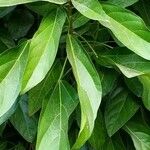
Scaphium scaphigerum
Description
Source: leafsnapScaphium scaphigerum is a deciduous tropical nut-bearing tree of genus Scaphium.
Care Guide
💧 Water
The malva nut thrives in tropical, humid environments and needs watering every 2-3 weeks to maintain optimal health. As a deciduous plant, it drops its leaves during the dry season to conserve water, illustrating its adaptation for survival in its native habitat.
☀️ Light Full sun
Malva nut performs best with prolonged full sun but can tolerate somewhat weaker, yet still plentiful, light. Too little light can slow its growth. Adjust its sun exposure with the seasons, particularly when it is grown in containers or planters.
What are the sunlight requirements for Malva nut?
Malva nut, botanically known as Scaphium scaphigerum, thrives best in full sun conditions, requiring over 6 hours of sunlight daily to flourish. However, it can also adapt to partial sun, with about 3-6 hours of sunlight. When cultivating Malva nut, it's important to observe your garden's sunlight exposure to ensure your plant receives the right balance of light and shade. This careful observation helps in choosing the ideal spot for planting, promoting the plant's health and happiness.
What are the essential needs for growing Malva nut?
Malva nut originates from environments that provide ample sunlight, such as sunny meadows and forest edges. It is adaptable to both full and partial sun conditions, making it versatile for various garden spots. When natural sunlight is inadequate, especially for indoor plants during less sunny seasons or in spaces with limited natural light, artificial lighting becomes crucial. LED lights are recommended because they can be tailored to provide specific wavelengths necessary for the plant. The intensity of the artificial light should be adjusted based on the plant's natural sunlight requirements: 30-50W/sq ft for full sun plants, 20-30W/sq ft for partial sun plants, and 10-20W/sq ft for full shade plants. Proper placement and duration of artificial lighting, mimicking natural daylight hours, are important for optimal growth.
What are important symptoms of light deficiency or excess in Malva nut?
Malva nut may show several symptoms when the lighting conditions are not ideal. Light deficiency can lead to smaller new leaves, leggy or sparse growth, faster leaf drop, slowed or halted growth, and lighter-colored or chlorotic leaves. On the other hand, excessive sunlight can cause symptoms like sunscald, leaf curling, wilting, and leaf scorching, which result from overexposure to intense light. These symptoms indicate the plant's struggle with its current light environment, signaling the need for adjustments to ensure its well-being.
How can I address light-related issues for my Malva nut?
Addressing light-related issues in Malva nut involves adjusting the plant's exposure to sunlight or artificial light. For indoor plants, gradually increasing sunlight exposure or using artificial lighting can help. Place the plant near a south-facing window or use grow lights to ensure it receives at least 6 hours of direct sunlight or appropriate artificial light daily. For outdoor plants, moving them to a location with better sunlight gradually can prevent sunburn. Reducing obstructions or transplanting the plant to a sunnier spot can also improve light exposure. Remember, parts of the plant already affected may not recover, but new growth will be healthy with improved lighting conditions.
🌡️ Temperature 20–37.8°C
Malva nut comes from tropical areas, where the climate is usually warm and humid. Consequently, it is well suited to high heat and humidity. It does not tolerate sudden shifts in temperature and prefers a consistent thermal environment, so avoiding temperature swings indoors is important. It generally cannot withstand cold conditions and needs higher temperatures to grow. If the ambient temperature falls too low, the plant may stop growing or even die.
💨 Humidity
🪴 Soil 6-6
🌱 Fertilizer
Fertilizing is essential for Malva nut care. Regular feeding during the growing season maintains the energy required for its showy leaves and promotes overall growth. Failing to fertilize can cause unhealthy foliage, reduced ornamental value, and stunted or weak growth that is prone to breaking.
🪴 Pot & Repot
✂️ Pruning
The Malva nut tree grows at a moderate rate and is known for its large, woody seed pods. To keep the tree healthy and encourage strong growth, prune it from early to late winter. Focus on removing dead or crossing branches. Ensure the tree has an open canopy to improve air circulation, which can help prevent disease. Always use clean, sharp tools when pruning.
🌿 Propagating
🐛 Diseases & pets
☠️ Toxicity
Characteristics
- Plant Type
- Tree
- Life Cycle
- Perennial
- Genus
- Scaphium
- Family
- Malvaceae
- Hardiness Zone
- 10-12
- Mature Height
- 29.87 m to 45.11 m
- Mature Spread
- 7.92 m to 11.89 m
- Leaf Color
- Green, Dark Green
- Leaf Type
- Evergreen
- Flower Color
- White
- Flower Size
- 1.02 cm to 1.52 cm
- Bloom Time
- Late spring, Early summer
- Planting Time
- Spring, Summer
- Harvest Time
- Mid summer, Late summer
- Native Area
- Malaysia, Cambodia, Myanmar, Bangladesh, Thailand