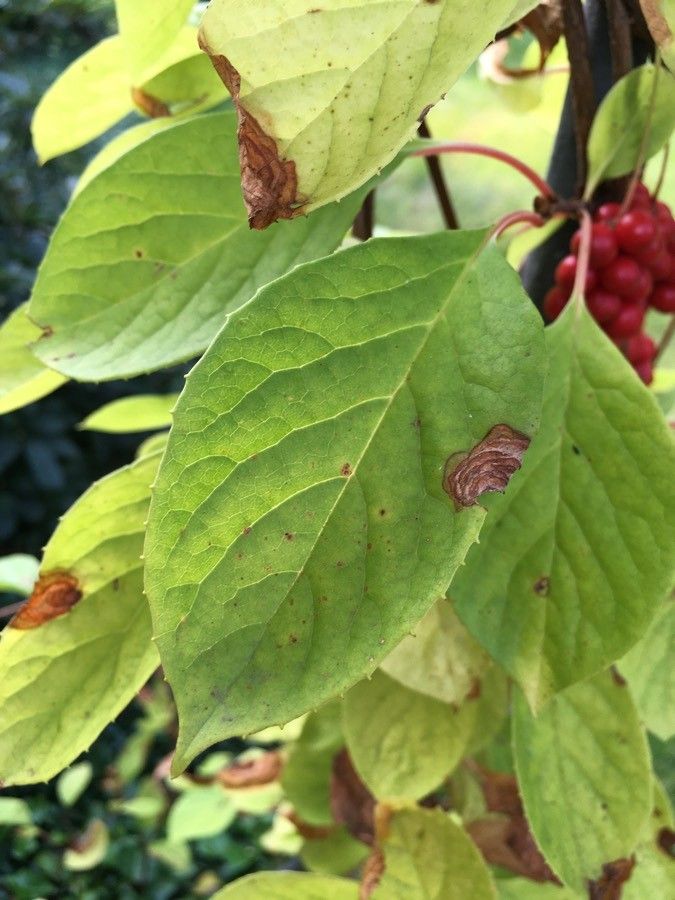
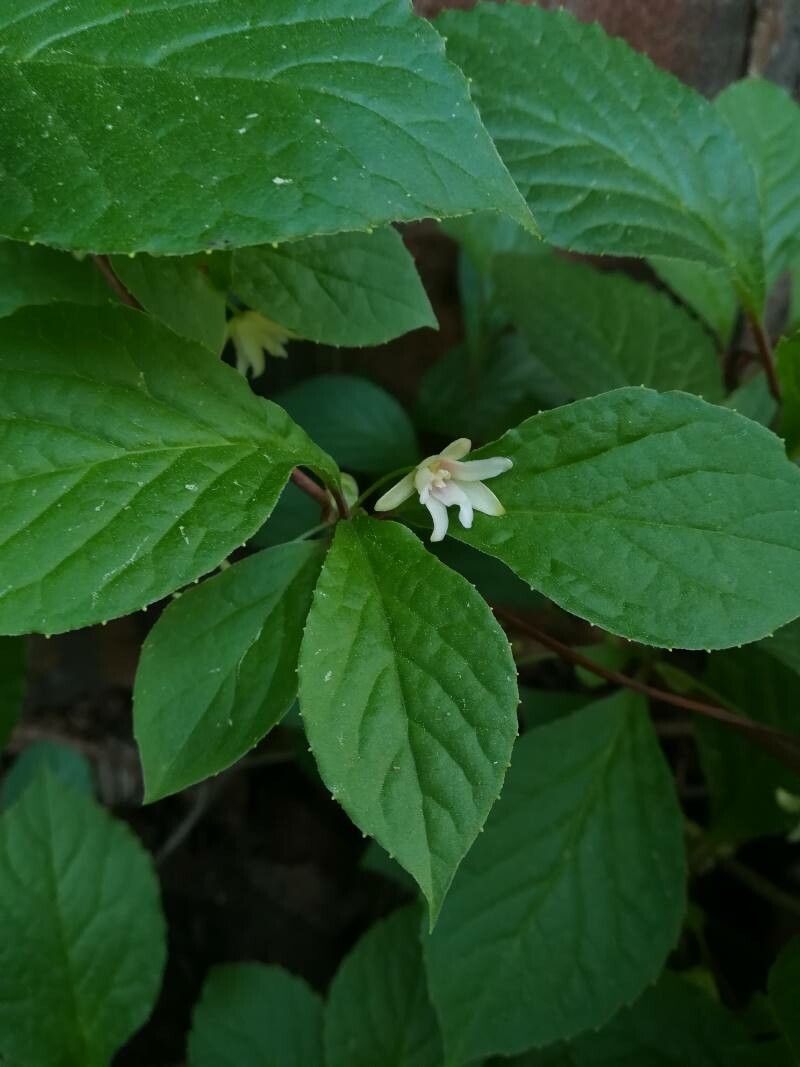
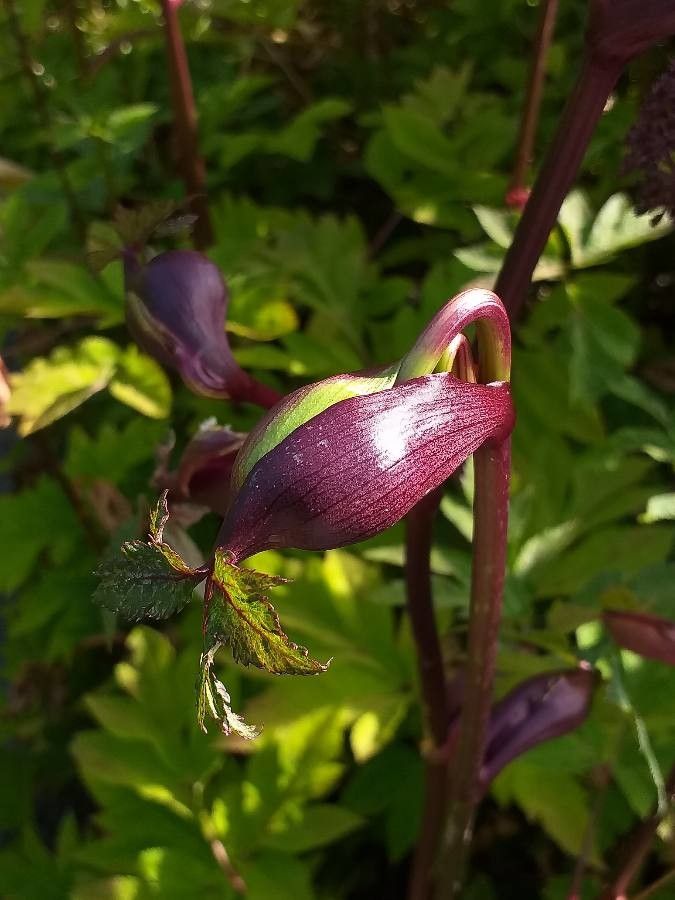
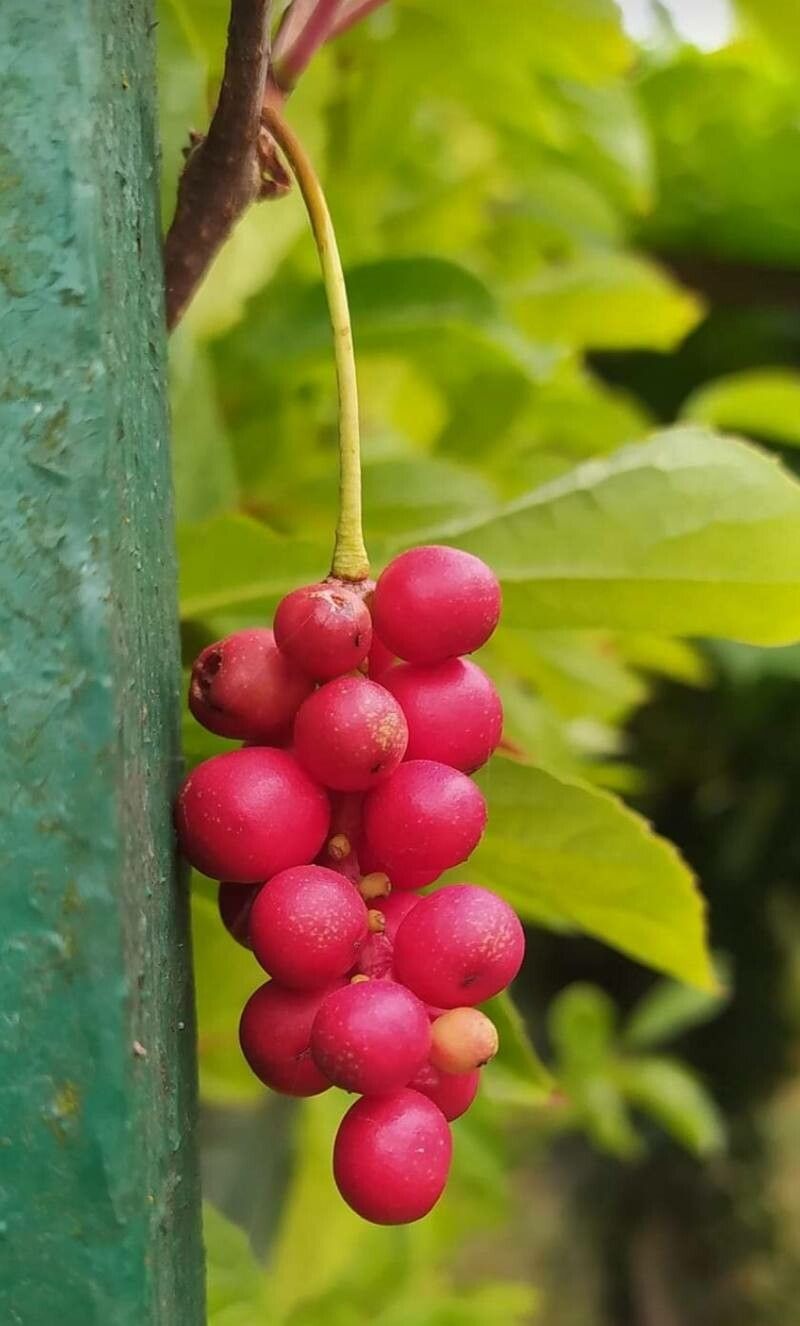
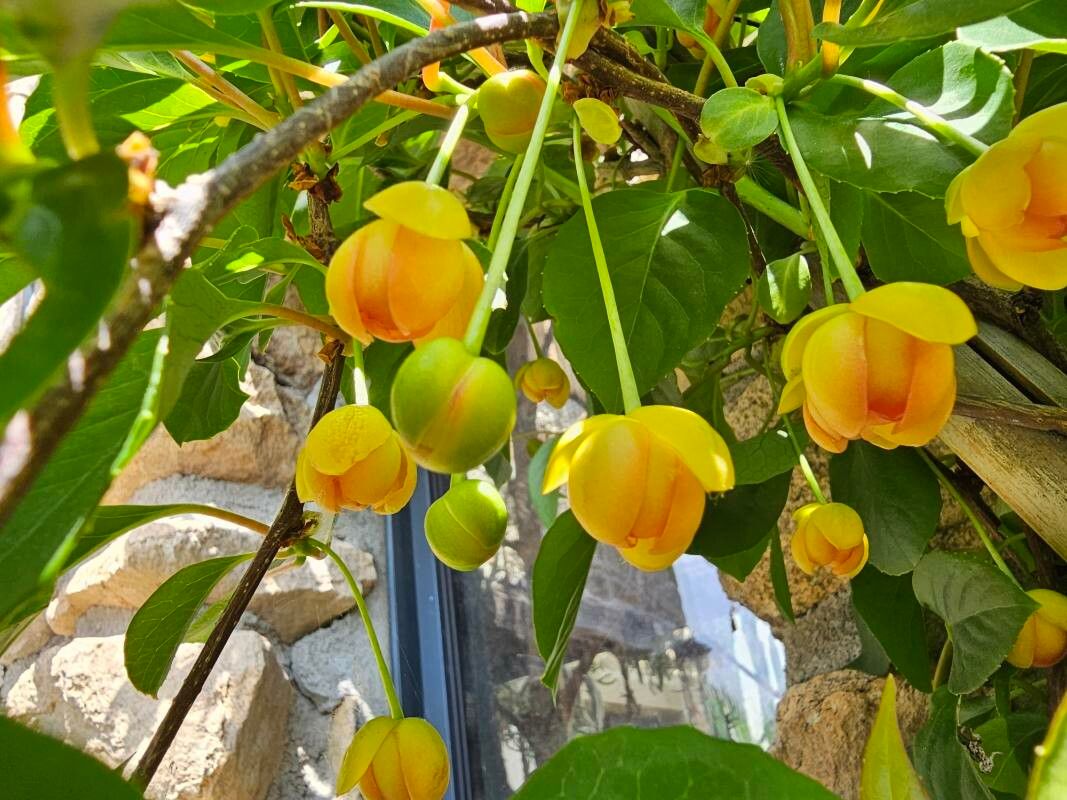
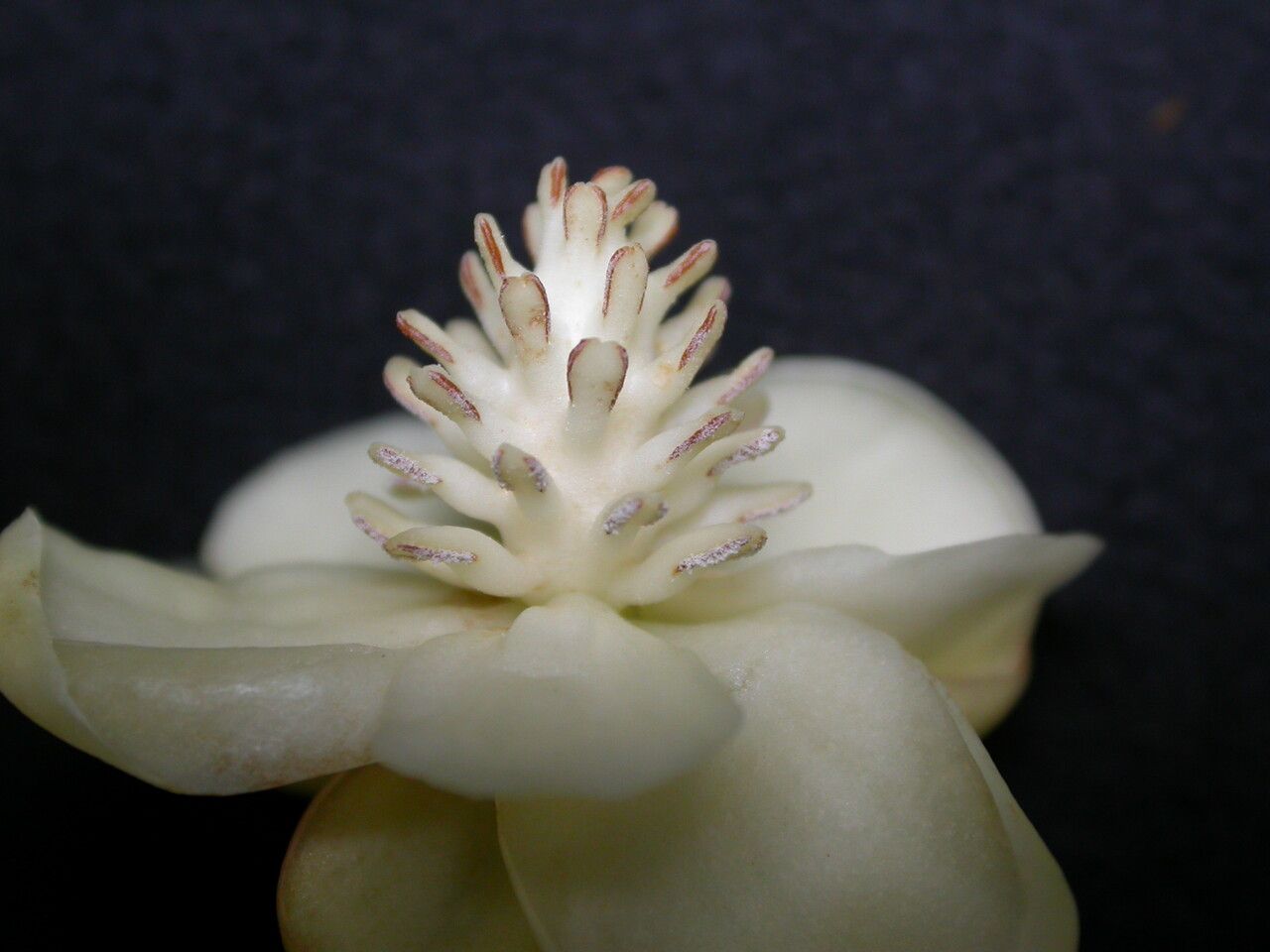
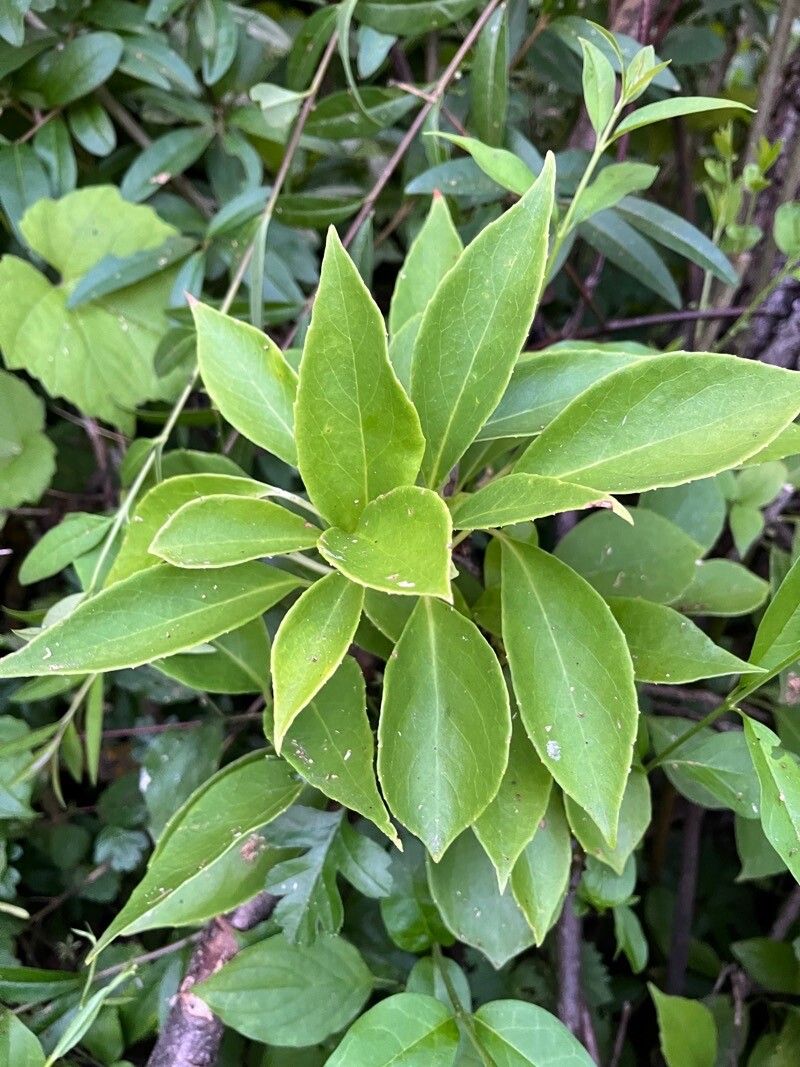
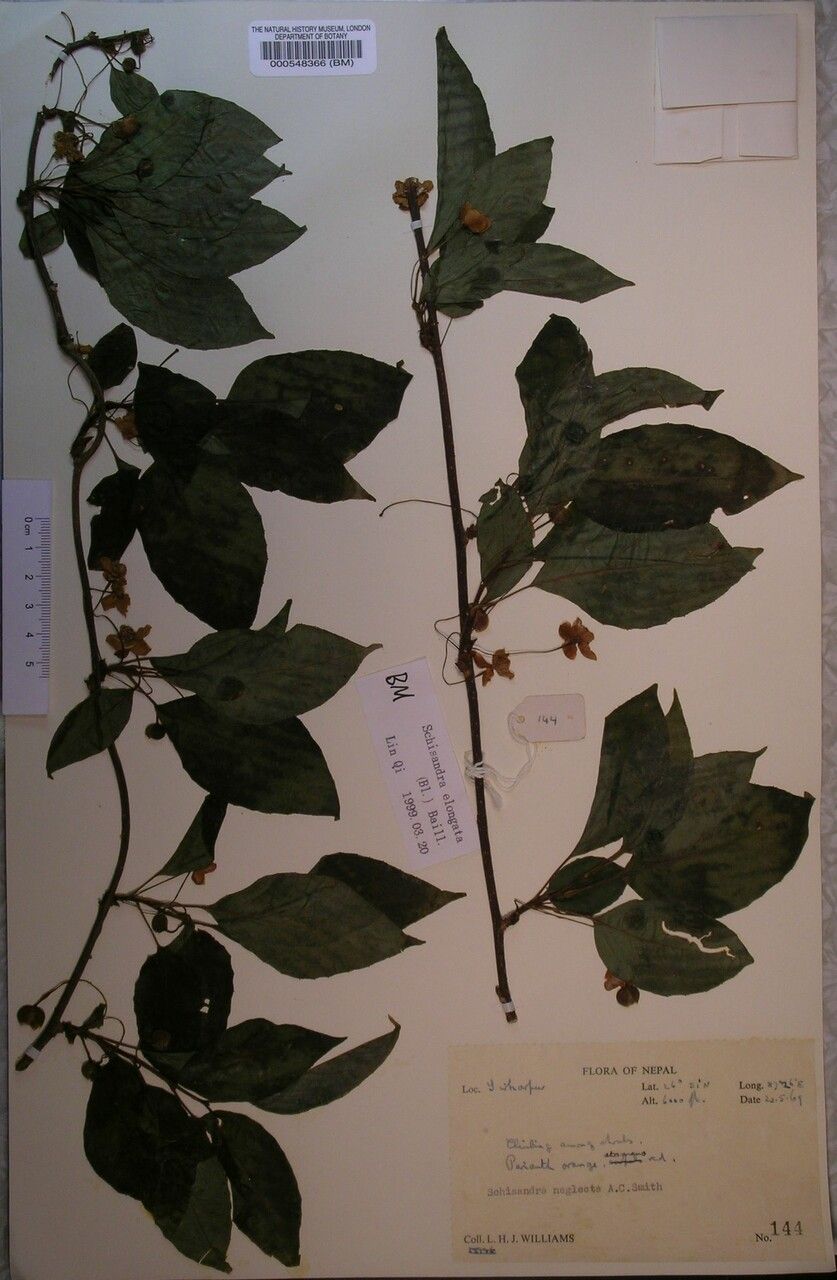
Schisandra chinensis (common name: magnolia-vine, Chinese magnolia-vine, schisandra), whose fruit is called magnolia berry or five-flavor-fruit (from Chinese 五味子 wǔwèizi), is a vine plant native to forests of Northern China, the Russian Far East and Korea. Wild varieties are also found in Japan. It is hardy in USDA Zone 4. The fruits are red berries in dense clusters around 10 centimetres (3.9 in) long.
Chinese magnolia vine has moderate resistance to disease but can be susceptible to problems such as leaf spot. Its susceptibility to insect pests varies with the variety, but most are less resistant to pests. In terms of care, Chinese magnolia vine requires regular watering and fertilization, as well as frequent removal of yellow leaves. It is important to control pests and diseases as they appear, and to harvest the plant in a timely manner. Chinese magnolia vine is suitable for people who have some time and energy to dedicate to regular care.
How to keep Schisandra Chinensis.
Light
The Chinese magnolia vine performs best with moderate sun exposure, though it can withstand stronger sunlight. It comes from habitats with gentle, not intense, light. Too much or too little sun can affect its growth, causing leaf burn or slow development, respectively.
Water
The Chinese magnolia vine thrives best with balanced moisture and becomes drought-tolerant once fully established. It benefits from consistent humidity and typically needs watering every two weeks. To prevent root rot, particularly during rainy seasons, well-draining soil is crucial.
Temperature
The Chinese magnolia vine is adapted to temperatures of 41 to 90 °F (5 to 32 ℃) and comes from climates similar to its native habitat. Seasonal changes must occur gradually, avoiding sudden fluctuations, to replicate its natural environment.
Fertilizer
Chinese magnolia vine naturally fixes nitrogen via its roots, decreasing the need for additional fertilizer. It does well in well-draining soils, and whether fertilization is required depends on the soil composition. However, low potassium or phosphorus can impede successful growth, while a nitrogen shortfall does not cause problems.
Botanical profile.
- Plant Type
- Vine
- Life Cycle
- Perennial
- Genus
- Schisandra
- Family
- Schisandraceae
- Hardiness Zone
- 4-8
- Mature Height
- 4.88 m
- Mature Spread
- 4.88 m
- Leaf Color
- Green, Blue
- Leaf Type
- Deciduous
- Flower Color
- Pink, White
- Flower Size
- 2.54 cm
- Bloom Time
- Mid spring, Late spring
- Planting Time
- Spring, Autumn
- Harvest Time
- Late summer, Early fall, Mid fall
- Native Area
- Russia, Japan, Koppen, South Korea, China
Other names.
Reader questions.
What is the best way to water my Chinese magnolia vine?
To ensure excellent root development, consider using a garden hose at the base of your plants. It's important to avoid spraying the leaves directly, especially if they are exposed to direct sunlight outdoors. If you want to moisten the roots specifically, you can use bubblers for each plant or soaker hoses that cover the entire garden or bed. When adding or removing plants, make sure to water deeply by draining any excess water and allowing the soil to dry before watering again. It's best to water at ground level to prevent diseases. If it's a sunny day, spraying the entire bush with water can be beneficial. Whether the Chinese magnolia vine is potted or in-ground, remember that it prefers deep watering rather than light sprinkling.
Why should I put fertilizer on my Chinese magnolia vine?
Chinese magnolia vine can thrive in a variety of well-draining soils. Depending on the soil's content, fertilization may not be necessary. Inadequate levels of potassium or phosphorus might hinder successful growth. However, if the soil lacks only nitrogen, fertilizer may not be needed for this crop to flourish.
What are the sunlight requirements for Chinese magnolia vine?
Chinese magnolia vine thrives under moderate sun exposure, benefiting from playful sunlight but can endure more intense light situations. It's essential to observe that while it prefers about 3-6 hours of sunlight (partial sun), it can also flourish in conditions that offer above 6 hours of sun (full sun), highlighting the plant's flexibility in adapting to various light intensities. Awareness of how sunlight moves through your garden can help in choosing spots that ensure the plant's well-being by providing a perfect balance of light and shade.
What temperature conditions are ideal for the Chinese magnolia vine?
The Chinese magnolia vine thrives in temperatures between 41°F to 90°F (5°C to 32°C), reflecting its origin in climates similar to its native habitat. It is important to ensure that temperature changes are gradual to mimic its natural environment and avoid sudden fluctuations. During winter, it's beneficial to maintain temperatures above 5°C to foster plant growth, with the minimum temperature kept above the freezing point to prevent freezing damage. If outdoor temperatures approach -5°C (25°F), it's advisable to bring the Chinese magnolia vine indoors or provide protection by setting up a temporary greenhouse or using materials such as plastic film or fabric to wrap the plant.
What do I do if I give the Chinese magnolia vine too much or too little water?
When a Chinese magnolia vine is overwatered, its leaves may turn yellow, drop off, and wilt. The plant may also appear dull and unhealthy, with mushy stems. If you notice these signs, try adjusting your watering schedule. On the other hand, wilting can also indicate under watering. In this case, leaves may become crispy and dry. When the soil is dry and simply watering isn't enough, give the plant a thorough watering. While this will help the Chinese magnolia vine recover, it may still have dry and yellow leaves for a few days due to root damage. Once it returns to normal, the yellowing of leaves will stop. If you have a Chinese magnolia vine indoors, always check the moisture levels in the pot. Avoid overwatering and look out for black spots, which could indicate root issues. If you see these spots, let the soil dry out by abstaining from watering for a few days. Overwatering can lead to root rot, so if you suspect this, consider transferring the plant to a different pot, especially if you observe discolored and slimy roots. It's important to prevent root rot by avoiding overly soggy soil. When planting a Chinese magnolia vine outdoors, make sure to dig a little deeper. If you find that the soil is too dry when checking with your fingers, it may indicate underwatering. Adequate watering is necessary for the plant's recovery.
When should I fertilize my Chinese magnolia vine?
When planting Chinese magnolia vine, it is recommended to use compost or manure as fertilizer. If you prefer a liquid fertilizer, a small amount can be added when the seedlings start to appear. It is generally best to fertilize the vine only once during the growth cycle. If you want to improve the soil a year before planting, you can add fertilizers with high levels of phosphorus and potassium as a soil amendment.
How can artificial lighting benefit Chinese magnolia vine indoors?
For indoor Chinese magnolia vines, especially in scenarios of insufficient natural sunlight during winter or in less sunny spaces, artificial lighting stands as a crucial solution. The goal is to mimic the natural sunlight requirements ranging from full sun to partial shade. LED lights are recommended due to their ability to offer specific wavelengths needed for the plant's growth. Full sun plants generally require 30-50W/sq ft, partial sun plants 20-30W/sq ft, and full shade plants 10-20W/sq ft of artificial light. Positioning the light source 12-36 inches above the plant and ensuring 8-12 hours of light per day mimics the natural daylight hours beneficial for the vine's optimal growth.
How does the Chinese magnolia vine respond to low temperatures?
The Chinese magnolia vine has a moderate tolerance to low temperatures and thrives best when the temperature is between 5°C and 32°C. However, it should be kept at temperatures above -25°C during the winter. If the temperature falls below -30°C, the leaves may darken, and in severe cases, the plant may experience water-soaked necrosis, wilting, and drooping, with the leaves gradually turning brown. To mitigate damage from frost, trim away frost-damaged parts and immediately move the plant to a warm environment indoors or set up a makeshift greenhouse. Ensure the plant is placed near a south-facing window to guarantee ample sunlight, or use supplemental lighting if natural light is insufficient.
How often should I water my Chinese magnolia vine?
The Chinese magnolia vine prefers deep and infrequent watering. Especially when planted in pots, it is recommended to soak them in a gallon of water each time, as the water storage of flower pots is limited and the soil tends to dry out quickly. In cold regions, watering should be done every 3 to 5 days. It is best to water the plant early in the morning when the soil is dry, whether it is placed indoors or outdoors. To determine if watering is needed, you can check the soil inside. If the top 2-3 inches of soil are dry, it is time to provide a full watering. On hot days, it may be necessary to check the moisture daily, as the heat can rapidly dry out the soil in the pot. If you have a garden, irrigation of the soil is also necessary. In a hot climate, watering once a week is recommended. Check if about 2 to 3 inches of soil become too dry before watering, both indoors and outdoors. It is important to take into consideration the amount of rainfall on the plant and avoid overwatering to prevent root rot. If there is abundant rainfall, additional watering may not be necessary. The Chinese magnolia vine typically grows during spring and fall. When the plants are outdoors, adding mulch about 3 to 4 inches deep is beneficial for conserving water. Sandy soil tends to drain faster, so plants in this type of soil require more frequent watering. However, for clay soil, less frequent watering is needed and the plant can be left to dry for 2-3 days without developing root rot. To keep track of watering, marking the date on a calendar is helpful. If you notice the leaves starting to droop, it may indicate that you are slightly late with watering.
When is the best time to not use fertilizer on my Chinese magnolia vine?
To ensure the well-being of the environment, it is important to refrain from overfertilizing Chinese magnolia vine. Extra chemical or natural fertilizers can be harmful, especially if they introduce excess nitrogen into the soil. It is generally recommended to fertilize the Chinese magnolia vine with a light touch. However, if possible, it is best to avoid fertilizing this plant altogether. By doing so, you not only save yourself time and hassle but also increase the likelihood of a successful harvest.
What are the symptoms of improper lighting for Chinese magnolia vine?
When exposed to varied light conditions, Chinese magnolia vine displays several symptoms indicating either excessive or insufficient light. Symptoms of low light exposure include smaller new leaves, elongated spaces between leaves or stems leading to a leggy appearance, faster leaf drop, delayed or halted growth, and new leaves appearing lighter in color or with chlorosis. Too much sunlight can cause symptoms like chlorosis, sunscald, leaf curling to minimize water loss, wilting due to increased transpiration, and leaf scorching characterized by crispy leaf edges. These symptoms help in diagnosing the plant’s health and determining if a change in light conditions is needed.
What should I do if my Chinese magnolia vine is exposed to high temperatures?
During summer, it's important to keep the Chinese magnolia vine below 32°C. When temperatures exceed 35°C, the plant's growth may slow down, and its leaves may lighten in color and become susceptible to sunburn. To address this, trim away the sunburned and dried-up parts of the plant. Move the plant to a location that provides shade from the afternoon sun. Watering the plant in the morning and evening can help keep the soil moist, which is crucial for the plant's health during periods of high temperature.