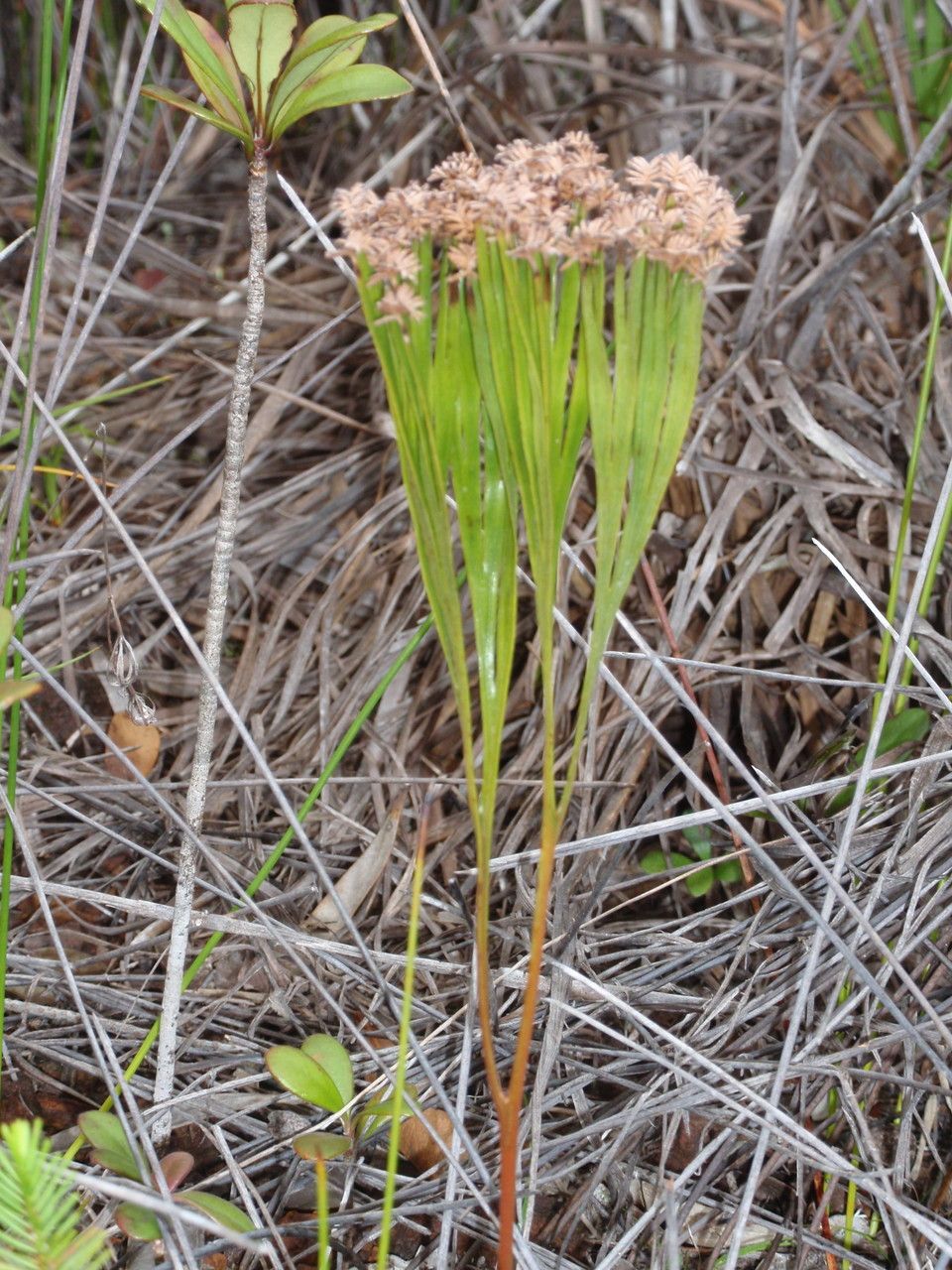
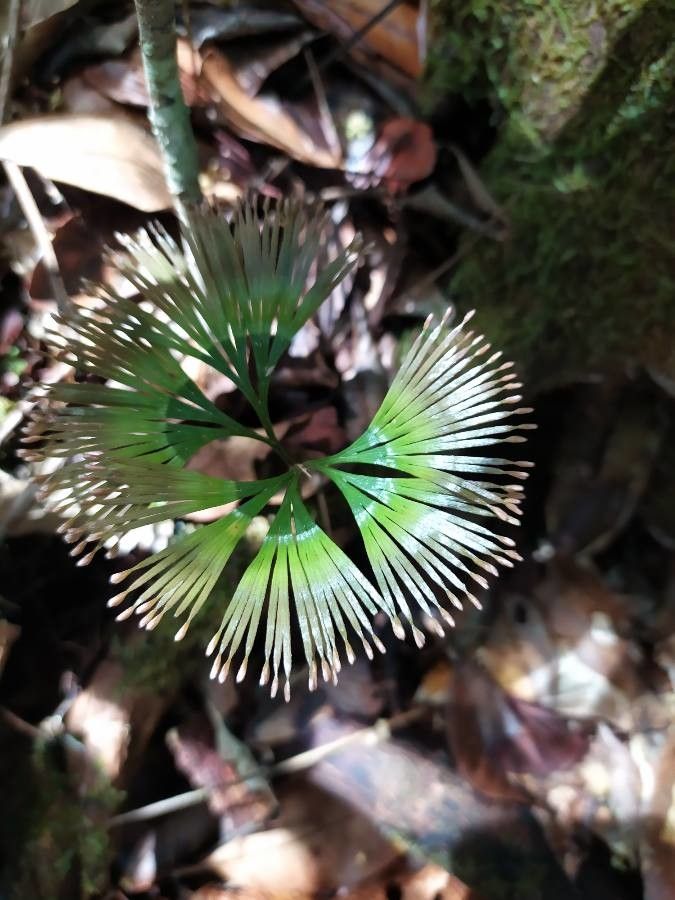
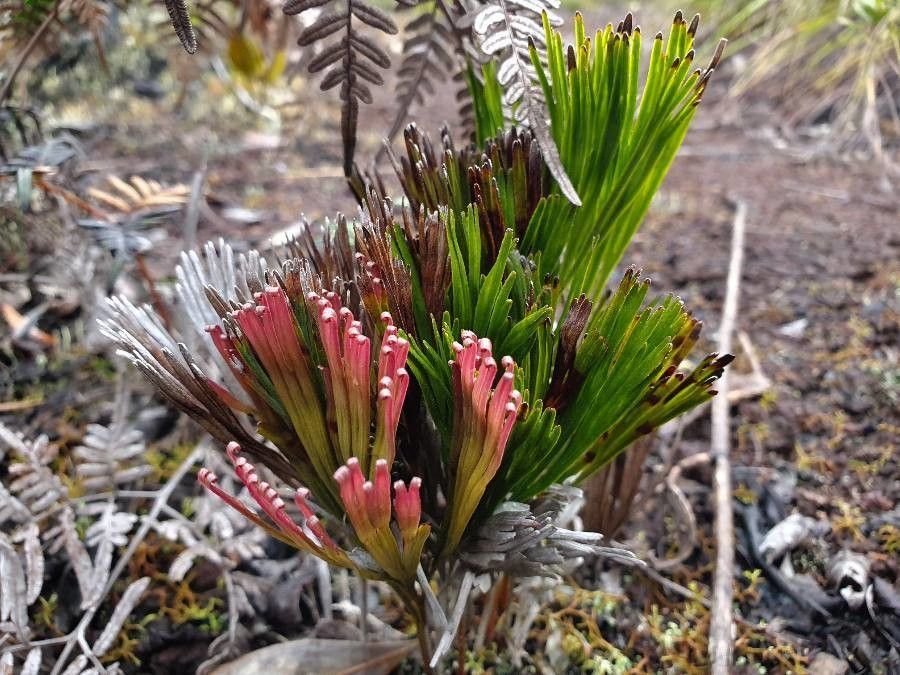
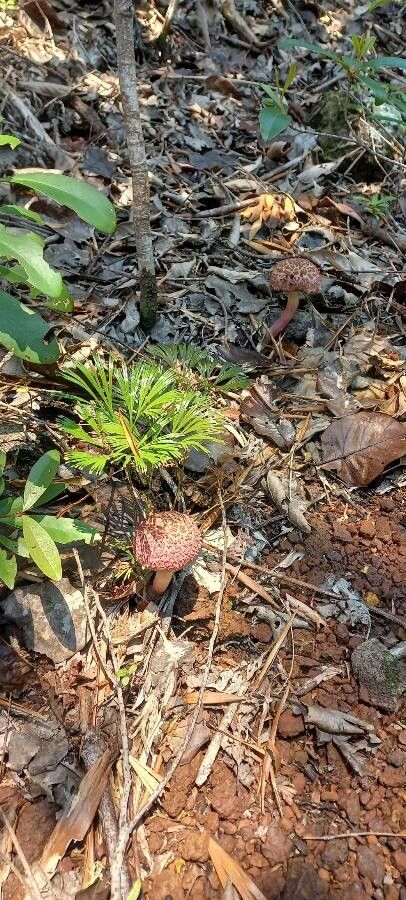
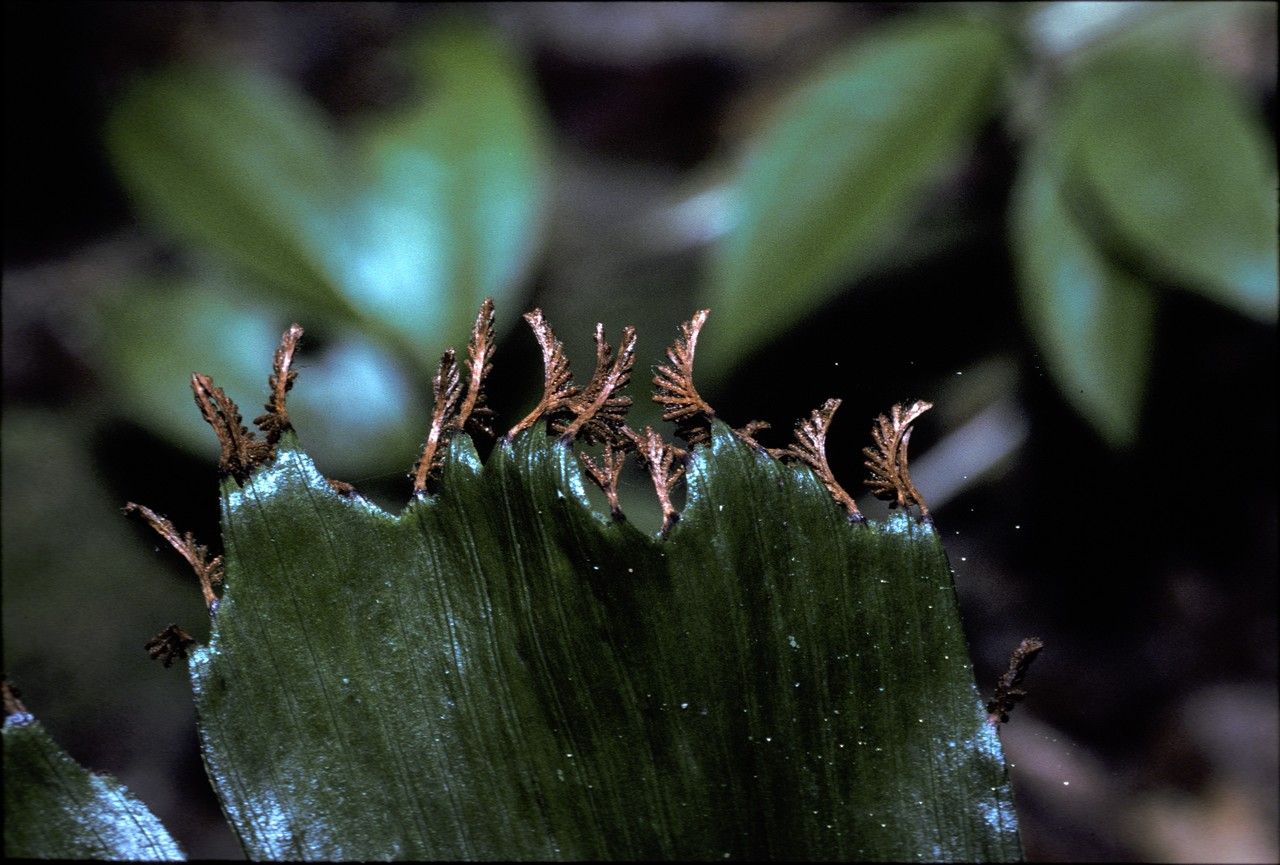
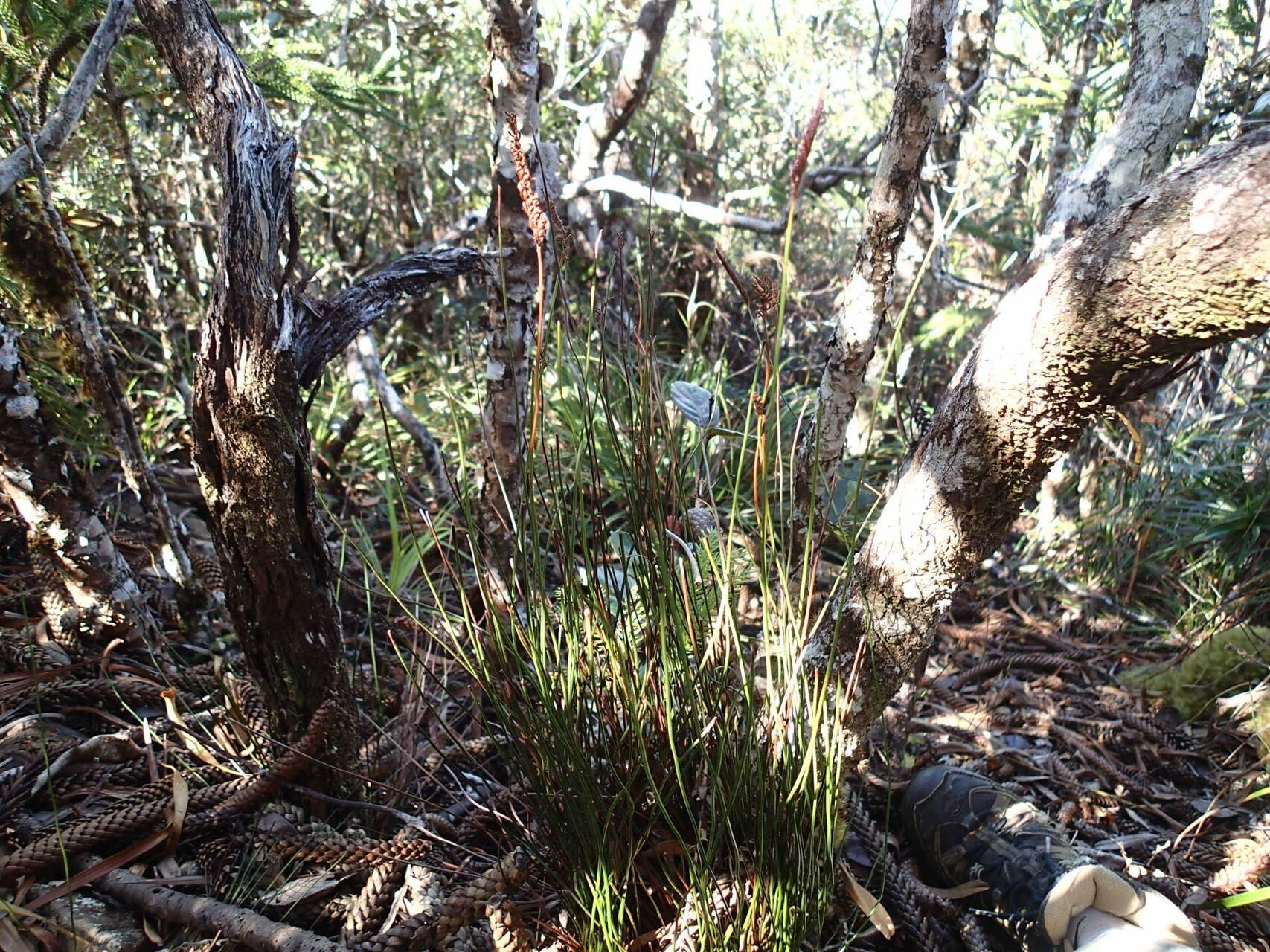
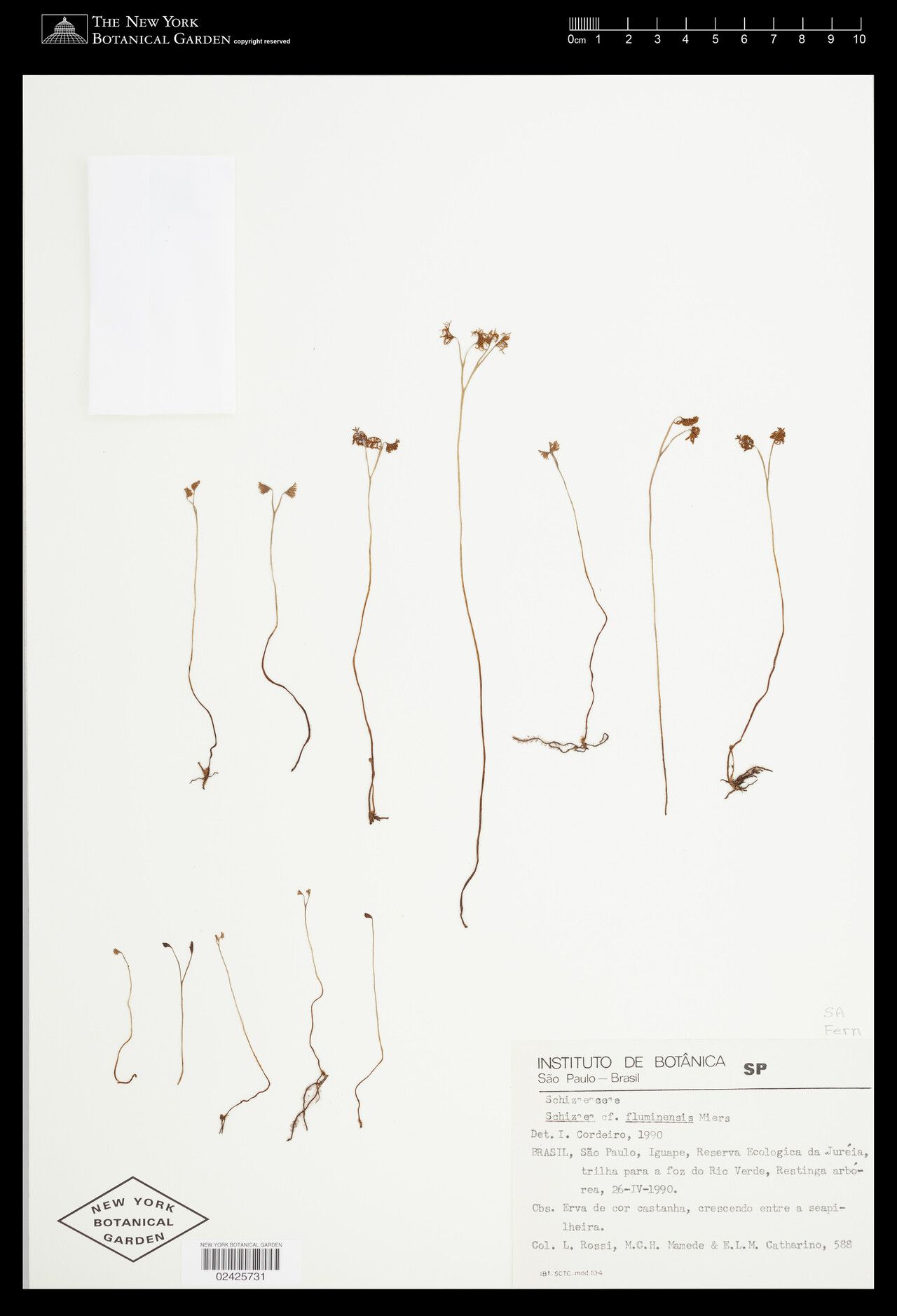
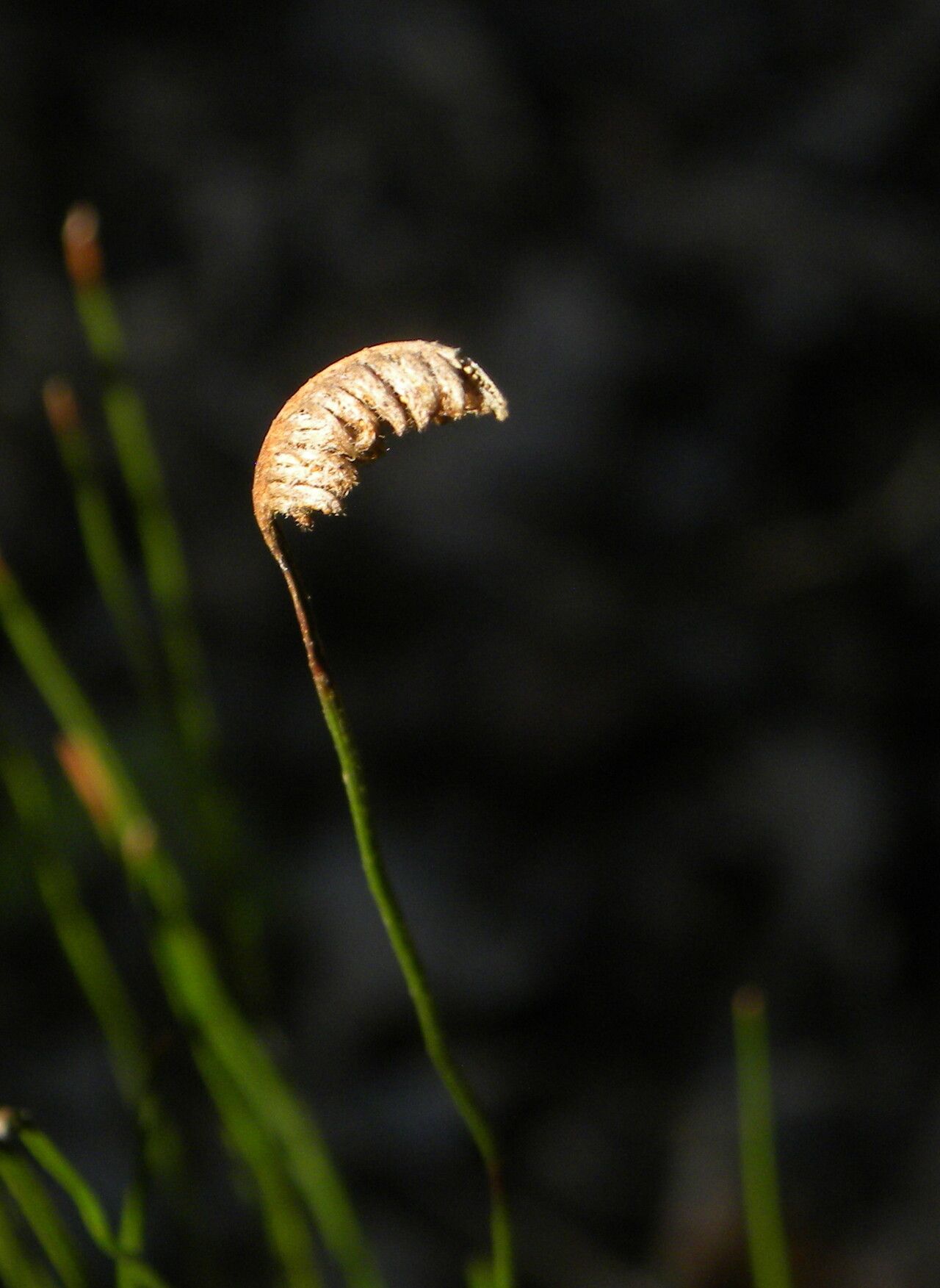
Schizaea dichotoma, the branched comb fern is a small plant usually found in open forest or heath, often on sandy soils. The habit is mostly upright, with up to 20 segments, twice or more times branched. Found in Australia, New Zealand, Papua New Guinea, Malesia and islands in the Pacific Ocean. A low plant, 20 to 40 cm tall. The specific epithet dichotoma is derived from Greek, meaning "twice cut", referring to the branched nature of the fronds. This plant first appeared in scientific literature in the year 1753 as Acrostichum dichotomum, published in the Species Plantarum by Carl Linnaeus.
Fan fern is fairly resistant to disease and usually does not suffer from illnesses. Nonetheless, it can be vulnerable to pests and diseases present in its environment. Such issues are typically mild. For care, this plant requires moderate maintenance. It should be pruned regularly to preserve a tidy appearance and healthy growth. Fertilizing can also help encourage flowering. Fan fern is well suited for anyone with outdoor space, like a garden or patio, and does not demand much gardening experience. It may need extra care when grown indoors.
How to keep Schizaea Dichotoma.
Light
Fan fern is native to habitats such as forest understories and rocky areas, where it offers natural shade. It prefers Full Shade but can tolerate Partial Sun.
Water
The fan fern, which comes from humid environments, thrives best with consistent moisture and high humidity. To mimic its natural habitat, water it weekly and mist it regularly to increase the surrounding humidity. This helps promote lush frond growth and enhances its ornamental appeal.
Temperature
Fan fern comes from tropical regions, where the climate is typically warm and humid. As a result, it is well adapted to high temperatures and humidity. It does not tolerate sudden temperature shifts and prefers a stable thermal environment, so avoiding temperature fluctuations indoors is important. It generally cannot withstand cold and requires higher temperatures for growth. If the surrounding temperature falls too low, the plant may stop growing or die.
Fertilizer
The fan fern needs the most fertilizer during its active growth period, primarily in spring, summer, and early fall. Fertilizing supplies essential nutrients the soil may lack, encouraging healthy root and stem development and the attractive foliage that is a key feature of this plant.
Pruning
Fan ferns are characterized by their distinctive fan-shaped fronds. To keep the plant healthy, trim any dead or damaged fronds between early and late spring using sharp, sterilized tools. Regular, careful pruning not only enhances the plant's appearance but also encourages its growth. However, be cautious not to over-prune, as this can stress the plant. For more detailed care instructions, consult reliable sources.
Botanical profile.
- Plant Type
- Herb
- Life Cycle
- Perennial
- Genus
- Schizaea
- Family
- Schizaeaceae
- Hardiness Zone
- 10-12
- Mature Height
- 20 cm to 40 cm
- Mature Spread
- 5 cm to 15 cm
- Leaf Color
- Dark Green
- Leaf Type
- Deciduous
- Flower Color
- Yellow, Brown
- Planting Time
- Spring, Summer, Autumn
- Native Area
- India, Malaysia, Indonesia, Vietnam, Myanmar, Japan, Vanuatu, Philippines, Singapore, Bangladesh, Thailand, Fiji, New Zealand, China
Other names.
Reader questions.
What are the sunlight requirements for Fan Fern?
Fan Fern, known botanically as Schizaea dichotoma, thrives in environments with limited sunlight, emulating its natural habitat in forest understories or rocky areas. It prefers full shade, characterized by less than 3 hours of direct sunlight per day, but can also tolerate partial sun, receiving about 3 to 6 hours of sunlight daily. The balance of light and shade is crucial for the plant's health, so observe how sunlight moves through your garden to find the perfect spot for your Fan Fern, ensuring it gets the right amount of light.
How does artificial lighting affect Fan Ferns indoors?
For Fan Ferns grown indoors where natural sunlight may be insufficient, especially during winter or in less sunny spaces, artificial lighting becomes essential for their optimal growth. LED lights are recommended because they provide specific wavelengths needed by plants. For full sun plants, 30-50W/sq ft of artificial light is needed; partial sun plants require 20-30W/sq ft; and full shade plants need 10-20W/sq ft. Position the light source 12-36 inches above the plant and mimic natural daylight hours, usually 8-12 hours, to ensure healthy growth.
What are the symptoms of insufficient light in Fan Fern?
When Fan Fern does not receive adequate light, it may exhibit several symptoms, though they can be subtle. New leaves may grow smaller, and the plant could have leggy or sparse growth with longer spaces between leaves or stems. There might be faster leaf drop as the plant tries to conserve resources, slower or halted new growth, and lighter-colored new leaves indicating a lack of chlorophyll. Chlorosis, sunscald, leaf curling, wilting, and leaf scorching are other symptoms that can occur due to inadequate sunlight or excessive sunlight exposure, affecting the plant’s ability to photosynthesize and overall health.
How can I address light deficiency in Fan Fern?
To address light deficiency in Fan Fern, consider moving indoor plants closer to windows to receive filtered light, including brief morning sunlight, positioning them 1-2 meters away from a window. For plants that are large or not easily movable, using artificial light, like desk or ceiling lamps for at least 8 hours daily or investing in professional plant grow lights, can provide sufficient light. For outdoor plants, gradually acclimate them to brighter conditions by moving them to a sunnier location each week, taking care to avoid sudden changes that could cause sunburn. Minimizing obstructions such as pruning trees that block sunlight or transplanting smaller plants during their dormant period can also improve light access. Remember, parts of the plant that have already been affected might not recover, but new growth should be healthy following these adjustments.