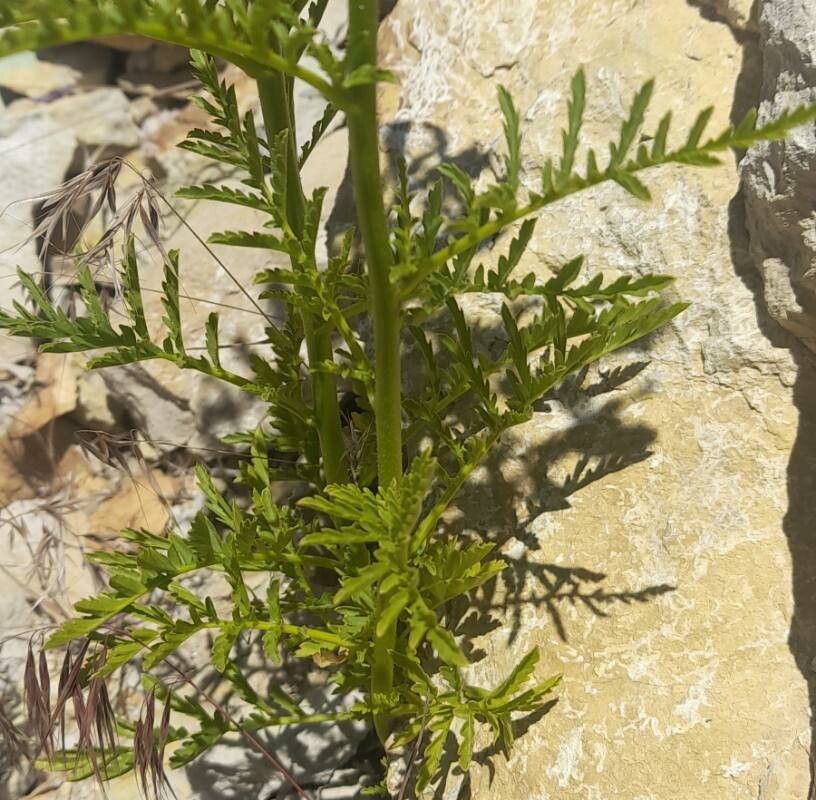
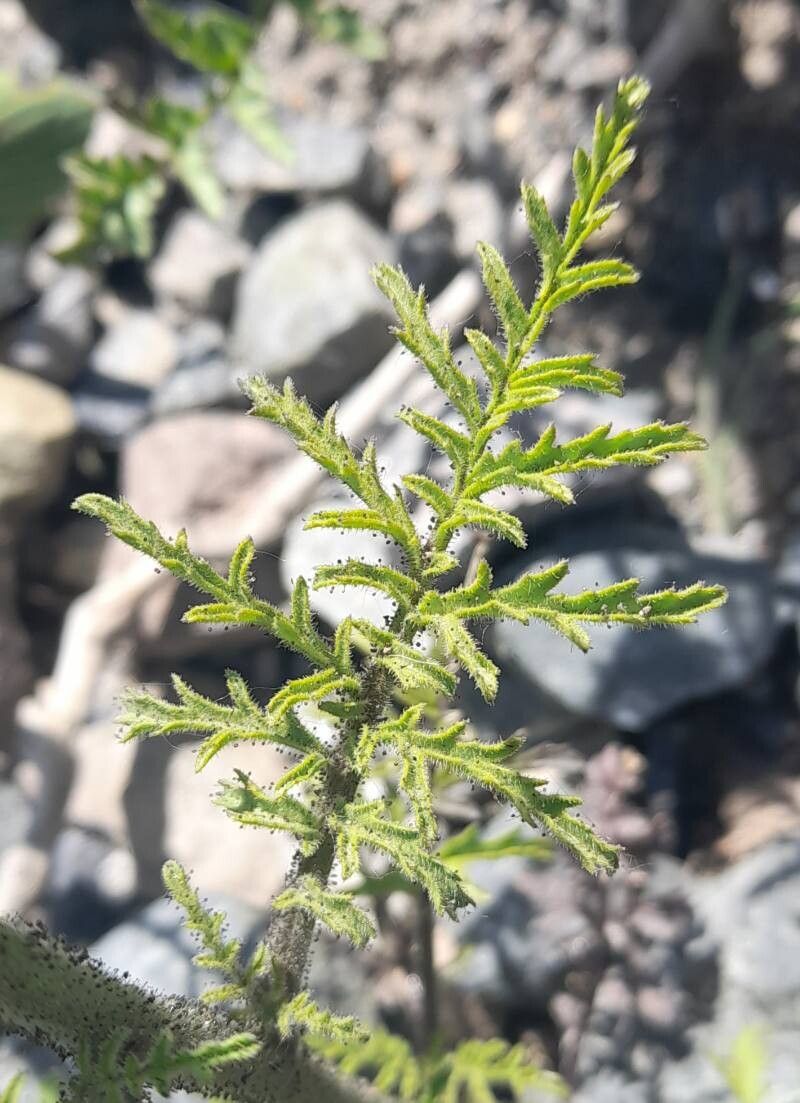
Schizanthus pinnatus, commonly known as the butterfly flower or poor man's orchid, is a stunning flowering plant belonging to the Solanaceae family. Native to Chile and Argentina, it is widely cultivated as an ornamental plant in gardens and parks around the world.
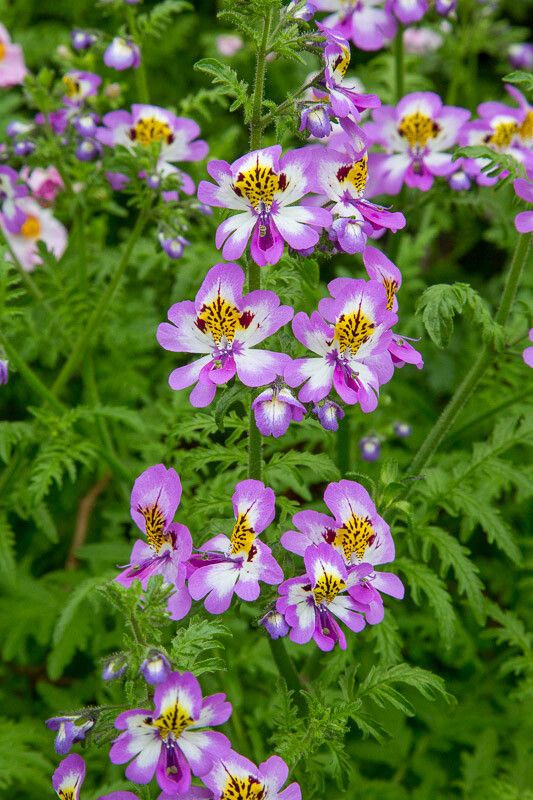
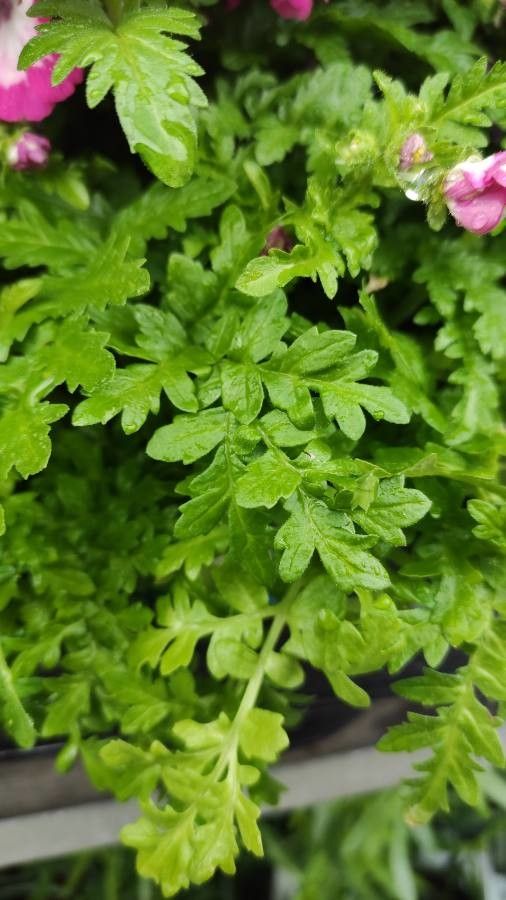
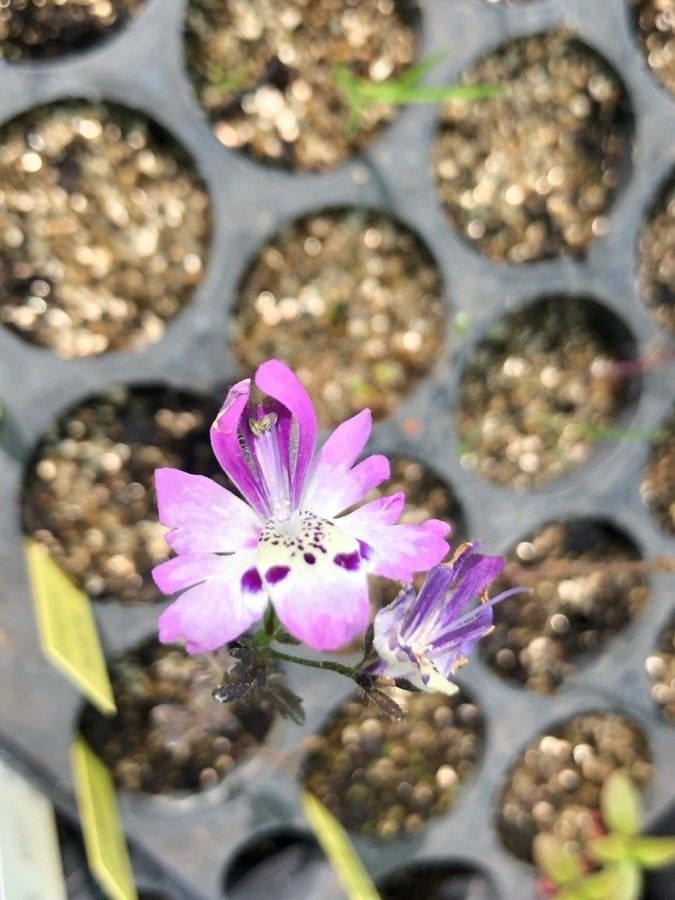
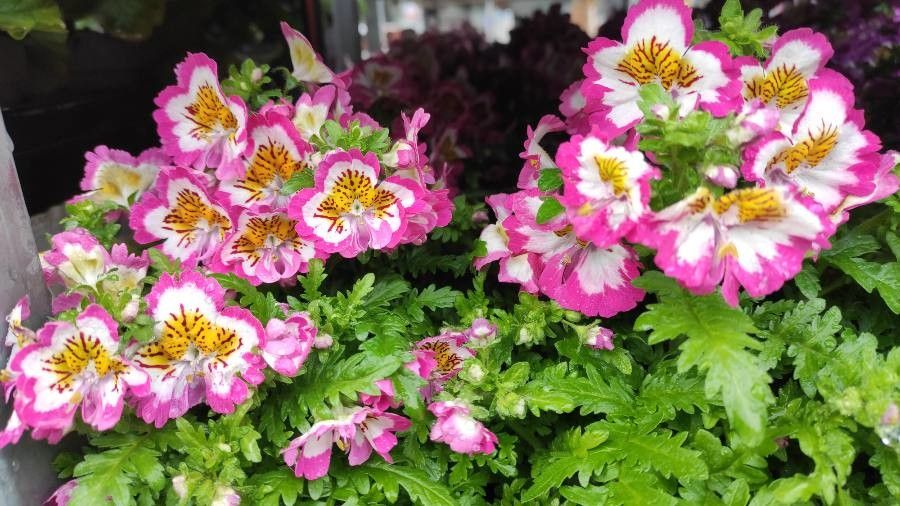
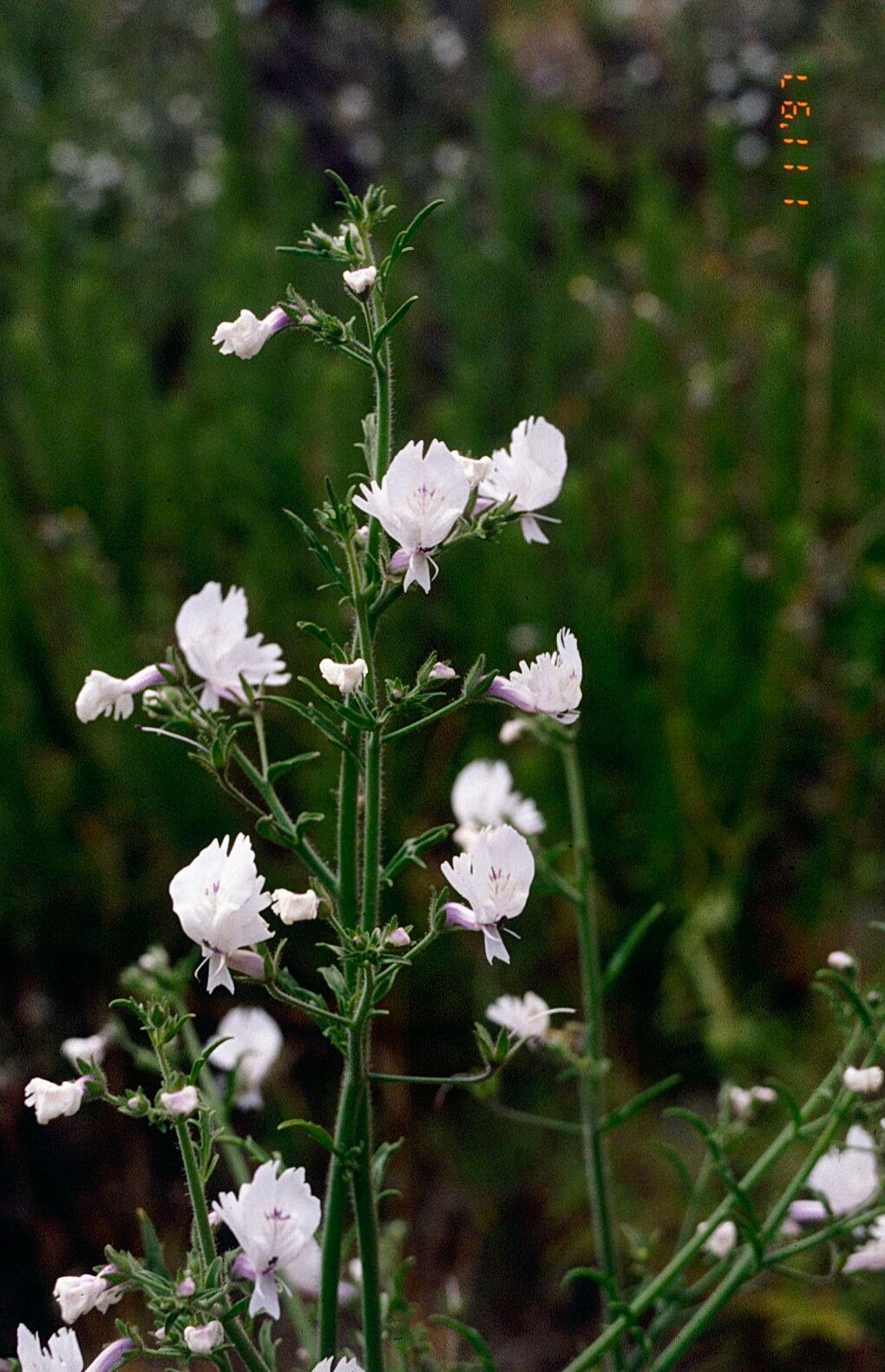
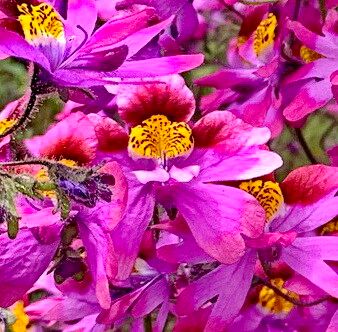
This plant can grow up to 60 cm tall and features delicate, fern-like foliage that forms a bushy habit. Its flowers, which appear on long stems above the foliage, are typically pink or purple with yellow markings at the center. These blooms resemble butterflies in flight, giving the plant its common name.
Schizanthus pinnatus thrives in well-drained soil with moderate moisture levels and partial shade. It can be grown from seeds sown indoors in early spring or directly sown outdoors once the danger of frost has passed.
The butterfly flower is an excellent choice for adding color to borders, rock gardens, containers, or as cut flowers for indoor arrangements. It attracts bees and butterflies, making it a wonderful addition to any pollinator garden.
Overall, Schizanthus pinnatus is an easy-to-grow flowering plant that adds beauty wherever it's planted!
Poorman's orchid is fairly resistant to disease and typically does not suffer from many ailments. It can, however, be vulnerable to pests and diseases present in its surroundings. These infections are generally not severe. Regarding care, this plant needs a moderate level of maintenance. It should be pruned regularly to preserve an attractive appearance and encourage healthy growth. Fertilizing can also assist in promoting blooms. Poorman's orchid is appropriate for anyone with outdoor space, such as a garden or patio, and does not demand extensive care experience. It may need more attention when kept indoors.
How to keep Schizanthus Pinnatus.
Light
In its natural habitat, the poorman's orchid needs plentiful sunlight to grow well. Although sunlight is essential for optimal vigor and blooming, the plant can tolerate moderate light levels. Still, both insufficient and excessive sunlight can harm its health.
Water
The Poorman's Orchid is native to the humid regions of South America, where it thrives in high humidity. This plant requires consistent moisture and should be watered weekly to support its lush growth and vibrant blooms. Generally grown indoors, the Poorman's Orchid flourishes best in a humid environment, which is essential for optimal growth and flower production.
Humidity
This plant will thrive in moderate humidity, which is probably the level in your home. However, misting it a few times a week can be very beneficial. Make sure the room has good ventilation.
Temperature
Poorman's orchid is native to temperate regions and does best in temperatures ranging from 68 to 100 °F (20 to 38 ℃). Seasonal adjustments may be required to keep conditions within this range, especially in cooler months.
Fertilizer
When most of Poorman's orchid's flowers have opened to full size, you should resume fertilizing. At the height of flowering, start feeding the plant again every three to four weeks, depending on the weather. Once the orchid begins to produce fewer new blooms, discontinue fertilization; there's no reason to feed it when it can no longer form more flowers.
Pruning
To improve the bushiness and extend the blooming period of a poorman's orchid, prune it in early to late spring. Remove any spent flowers and leggy growth during this time. Regularly clear away dead or damaged stems to maintain the plant’s health and appearance. Always use clean tools to prevent the spread of disease. For the best practices, refer to the RHS gardening guidelines.
Botanical profile.
- Plant Type
- Herb
- Life Cycle
- Annual, Biennial
- Genus
- Schizanthus
- Family
- Solanaceae
- Hardiness Zone
- 10-12
- Mature Height
- 30 cm to 46 cm
- Mature Spread
- 20 cm
- Leaf Color
- Green
- Leaf Type
- Evergreen
- Flower Color
- White, Pink, Purple, Lavender
- Flower Size
- 2.03 cm to 3.05 cm
- Bloom Time
- Late spring, Summer
- Planting Time
- Spring, Summer, Autumn
- Harvest Time
- Late summer, Early fall, Mid fall
- Native Area
- Peru
Other names.
Reader questions.
How should I water my Poorman's orchid to keep it healthy?
There are several ways to water Poorman's orchid, including using a garden hose with a spray nozzle, a watering can, or any other common watering tool. This type of orchid is not too particular about the type of water it receives and can thrive on rainwater, tap water, or filtered water. However, it is generally best to avoid watering this plant from above as it can harm the leaves and flowers and potentially lead to disease. Instead, setting up a drip irrigation system can be a more effective method for watering Poorman's orchid as it provides even and direct water application to the soil. When it comes to container-grown Poorman's orchid, you can use a cup, watering can, or your tap to water the plant directly onto the soil.
Why should I put plant food on my Poorman's orchid?
Plants need nutrients to survive, and this is something most gardeners are aware of, regardless of their experience. For Poorman's orchid, in particular, the need for food is even more crucial. Without proper nutrition, this orchid will die soon after its first pollination. To ensure its survival and production of large, beautiful flowers throughout the blooming season, it is essential to provide the right type and amount of nutrients. Fertilizer is especially beneficial for Poorman's orchid as it helps build a strong and healthy root system. This is important because the plant has thin roots that are vulnerable to damage. By fertilizing the plant during planting, a solid root structure is established, which not only provides stability but also sets the stage for an impressive flowering display. Proper timing of fertilization can also significantly prolong the period of blooming for Poorman's orchid.
What are the sunlight requirements for Poorman's Orchid?
Poorman's Orchid (Schizanthus pinnatus) thrives with adequate sunlight exposure. It requires full sun, defined as above 6 hours of sunlight daily, to maintain its health and vitality. Partial sun, about 3-6 hours of sunlight, is also acceptable for its growth. Observing how sunlight moves through your garden helps in choosing spots that offer a perfect balance of light and shade, ensuring the plant's happiness and healthy growth. In its native environment, Poorman's Orchid demands abundant sunlight, which is crucial for its vitality and flowering. However, it can also withstand medium light levels. Still, any lack or overdose of sunlight may negatively impact the plant's health.
What is the optimal temperature range for growing Poorman's orchid?
Poorman's orchid, also known as Schizanthus pinnatus, thrives in temperate regions and prefers a temperature range between 68°F to 100°F (20°C to 38°C). It is crucial to adjust its environment seasonally, especially in cooler months, to maintain this range. The plant is extremely heat-loving, and exposure to cold can be harmful. During autumn and winter, it's recommended to bring outdoor plants indoors, positioning them near a bright window but away from direct heat sources to keep the temperature above 20°C. It's essential to ensure that the temperature does not drop near 5°C, as this can be detrimental to the plant's health.
What should I do if I give my Poorman's orchid too much water or too little water?
To fix the problem of underwatering your Poorman's orchid, simply start watering it more regularly when you notice it lacks moisture. Overwatering, on the other hand, can be more serious and can lead to diseases that cause the orchid to decline and die. To prevent this, choose a growing spot that gets enough sunlight to dry out the soil and has good drainage to avoid water pooling and waterlogged soil. If you overwater your potted orchid, you may need to repot it. The old container might not have had good drainage or enough holes. When repotting, use loose soil and a pot that drains well.
When should I fertilize my Poorman's orchid?
Poorman's orchid experiences significant growth early in the growing season, after the last frost passes. During this time, it is recommended to fertilize the orchid when planting it in the ground or in planters. This initial dose of fertilizer will be the only one until later in the year when the blooms are at their fullest. Once the season is fully underway and most of the orchid's blooms have reached their full size, it is time to resume fertilizing. This should be done every three to four weeks as long as the weather allows. However, when the orchid starts producing fewer new blooms, there is no need to continue fertilizing since the plant cannot produce more blooms at that time.
How can artificial lighting be used for Poorman's Orchid indoors?
Artificial lighting is a viable solution for growing Poorman's Orchid indoors, especially when natural sunlight is insufficient, like in winter or less sunny spaces. Indoor plants require adequate lighting for optimal growth, which can be achieved through artificial lights. LED lights are a popular choice because they can be customized to provide specific wavelengths needed by the plants. Full sun plants need 30-50W/sq ft, partial sun plants require 20-30W/sq ft, and full shade plants need 10-20W/sq ft of artificial light. The light source should be placed 12-36 inches above the plants to mimic natural sunlight. Most plants, including Poorman's Orchid, need 8-12 hours of light per day to mimic natural daylight hours effectively.
How should I care for my Poorman's orchid if it's exposed to low temperatures?
If your Poorman's orchid is exposed to low temperatures, it's important to act swiftly to mitigate damage. This plant thrives best in warm temperatures, specifically above 20°C, and should not be allowed to fall below 5°C. Exposure to temperatures below 1°C may cause the leaves to lighten in color, and frost damage can turn them brown or black, leading to wilting and drooping. To manage frost damage, trim off the affected parts of the plant and move it to a warmer indoor setting immediately. Choose a location near a south-facing window for adequate sunlight but ensure the plant is not placed near heaters or air conditioning vents to avoid air dryness.
How often should I give water to my Poorman's orchid?
To properly care for your Poorman's orchid, it is important to water it regularly throughout the growing season. In the spring, it is recommended to water the plant once a week. As the weather gets warmer, you may need to increase the watering frequency to two to three times a week. However, be careful not to exceed this rate as it can be harmful to the orchid. Regardless of how often you water, make sure that the soil remains moist but not wet. When watering a potted Poorman's orchid, you should water more frequently since potted soil tends to dry out faster. In most cases, water a container-grown orchid a few times per week, while an in-ground plant only needs to be watered once a week.
When is it best to not fertilize my Poorman's orchid?
Regular fertilizing is important for Poorman's orchid, but it's crucial to apply it at the right time. There are certain circumstances where it's necessary to hold off on fertilizing. These situations are usually due to climate factors, but they can also include controllable factors. Essentially, if there's something wrong with the plant, soil, or climate, it's best to wait until the issue is resolved and the plant has recovered. For example, if there are severe or unexpected weather changes, such as a sudden cold snap in the middle of summer, it's better to wait until it warms up again before fertilizing. Similarly, if the soil is too dry or compacted to absorb anything, fertilizing will only reach the roots directly rather than being properly distributed by the soil. This is not ideal for the roots of Poorman's orchid. Avoid applying fertilizer when temperatures are excessively high, especially during the hottest parts of the day when it reaches 90 degrees Fahrenheit. Since fertilizer breaks down at different speeds based on temperature, it's important not to let hot temperatures break it down too quickly. Additionally, it's important to address and resolve any pest or disease issues before re-fertilizing.
What are the symptoms of incorrect light exposure for Poorman's Orchid?
Incorrect light exposure can lead to several symptoms in Poorman's Orchid, indicating either light deficiency or overexposure. Light deficiency symptoms include new leaves growing smaller, leggy or sparse growth, faster leaf drop, slower or no new growth, and lighter-colored new leaves. These suggest the plant is not receiving enough light. Overexposure symptoms include chlorosis, where leaves lose their green color, sunscald showing as pale or necrotic spots, leaf curling as a defense against excessive light, wilting due to increased water loss, and leaf scorching characterized by brown, dry patches on leaves. These indicate the plant is receiving too much light.
What steps should I take if my Poorman's orchid experiences high temperatures?
During the hotter months, it's important to ensure that temperatures around your Poorman's orchid do not exceed 38°C. Exposure to temperatures above 43°C can cause the leaves to lighten and increase the risk of sunburn. To care for a plant affected by high temperatures, trim away any sunburned or dried-out parts. Then, relocate the plant to a spot where it can receive shade during the intense midday and afternoon sun. It's also beneficial to water the plant in the morning and evening to maintain soil moisture, helping the plant stay hydrated and healthy despite the heat.