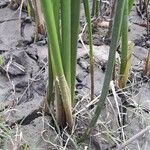
Schoenoplectus californicus
California bulrush · Giant bulrush · Southern bulrush
Description
Source: leafsnapSchoenoplectus californicus, commonly known as California bulrush, is a perennial aquatic plant belonging to the family Cyperaceae. Native to California, it thrives in wetlands, marshes, and along the edges of streams and ponds. This plant features long, green leaves that can grow up to 1 meter in height. It also has a distinctive triangular stem that can reach up to 3 meters tall. The hollow, spongy texture of the stem enables the plant to float on water. During the summer months, Schoenoplectus californicus produces small brown flowers on spikes located at the top of its stems. These flowers are followed by small brown fruits containing seeds. California bulrush plays a crucial role in wetland ecosystems by providing habitat for various aquatic animals, including fish, birds, insects, and amphibians. It also helps stabilize soil along waterways, reducing erosion caused by water currents. In addition to its ecological importance, Schoenoplectus californicus has various practical uses, such as basket weaving. Its long, flexible, yet strong leaves are particularly suitable for this traditional craft. Overall, Schoenoplectus californicus is an important aquatic plant, offering both ecological benefits and cultural significance through its use in traditional basket weaving practices.
🎭 Submissiveness
Care Guide
💧 Water Every 7 days
California bulrush is a plant native to wetlands, thriving in moist environments with saturated soil. It prefers consistent hydration and needs to be watered weekly. Typically growing outdoors, California bulrush benefits from natural rainfall, which supports its growth and dormancy cycles.
☀️ Light Full sun
California bulrush grows best when it gets a substantial amount of sunlight each day. Its natural habitat is usually open, providing ample sun. While it thrives under these conditions, it can tolerate locations with less light as well. However, inadequate sunlight can harm its health and vigor.
What are the sunlight requirements for California bulrush?
California bulrush requires a significant amount of sunshine daily to thrive, performing best in its native habitat of open spaces with abundant sun. It needs full sun, meaning above 6 hours of sunlight a day, but can also survive in partial sun, which is about 3-6 hours of sunlight. However, locations with less sunshine might affect the plant's health and vitality negatively. Note the importance of observing how sunlight moves through your garden to select optimal spots that ensure the plants' happiness.
How does artificial lighting support California bulrush indoors?
When natural sunlight is insufficient, especially in winter or less sunny spaces, artificial lighting becomes crucial for the optimal growth of California bulrush indoors. Adequate lighting promotes healthier, faster growth. Key considerations for artificial lighting include selecting the right type of light like LED, which can be customized for the plants' needs, determining the appropriate distance (12-36 inches above the plant) to mimic natural sunlight, and the duration of exposure, with most plants requiring 8-12 hours of light per day. For full sun plants, 30-50W/sq ft is needed; partial sun plants require 20-30W/sq ft, and full shade plants need 10-20W/sq ft of artificial light.
What are the symptoms of inadequate lighting for California bulrush?
Symptoms of inadequate lighting for California bulrush include smaller new leaves, leggy or sparse growth, faster leaf drop, slower or no new growth, and lighter-colored or yellowing leaves due to chlorosis. Excessive sunlight can cause sunscald, leaf curling, wilting, and leaf scorching. These conditions indicate the plant's struggle with improper light exposure, affecting its overall health.
How can I ensure my California bulrush gets enough sunlight?
To ensure your California bulrush receives sufficient sunlight, gradually acclimate it to sunnier spots. Indoor plants may benefit from being placed near a south-facing window or using artificial lighting, such as desk lamps or specific plant grow lights, to supplement light for at least 8 hours a day. Outdoors, move plants weekly to a sunnier location to avoid sunburn. Reducing obstructions like overhanging branches can also help. If necessary, transplant smaller plants during their dormant period to sunnier areas with good drainage. Note that while parts of the plant that suffered from insufficient sunlight may not recover, new growth should be healthy with improved light exposure.
🌡️ Temperature 10–35°C
Optimal growth conditions for california bulrush lie between 50 and 95 °F (10 to 35 ℃). As seasons change, mindful temperature-related adjustments will play a vital role in its wellbeing.
What are the optimal growth conditions for California bulrush?
The optimal growth conditions for California bulrush (Schoenoplectus californicus) are between 50°F and 95°F (10°C to 35°C). Throughout the changing seasons, adjusting care according to temperature variations is crucial for the well-being of the plant. California bulrush has strong cold resistance, meaning that it usually does not require special frost protection measures during winter. However, in extremely cold conditions where temperatures are expected to drop below -25°C, implementing cold protection by covering the plant with soil or straw is advisable. Additionally, it's beneficial to water the plant abundantly before the first freeze in autumn to ensure the soil remains moist and enters a frozen state, helping to prevent drought and water scarcity for the plant during the colder months.
How does low temperature affect California bulrush, and what solutions are recommended?
California bulrush is cold-tolerant and generally thrives best when the temperature remains above 10°C. However, during winter, it is recommended for the plant to be kept above -15°C to avoid damage. If temperatures fall below -25°C, the plant may not show immediate damage during winter but could experience decreased sprouting or even fail to sprout at all in the spring. To counteract the effects of low temperatures, it is advised to remove any plant parts in spring that have failed to sprout, promoting healthier growth in the following season.
How does high temperature affect California bulrush and what remedial actions can be taken?
During the summer months, it is imperative to keep the California bulrush beneath 35°C to ensure its health. Exposure to temperatures above 41°C can cause the leaves to lighten in color, become prone to curling, and make the plant susceptible to sunburn, which in severe cases can result in the wilting and drying out of the entire plant. To mitigate the effects of high temperatures, affected parts should be trimmed away. The plant may also benefit from being moved to a location where it can be shaded during the midday and afternoon sun, or a shade cloth could be used to provide necessary shade. Watering the plant in the morning and evening to maintain soil moisture is also crucial during times of high heat.
💨 Humidity
🪴 Soil
🌱 Fertilizer
For California bulrush, apply a balanced fertilizer once a month during the growing season, following the recommended rates on the label. During dormancy, reduce the frequency of fertilization. Proper fertilization enhances resilience and promotes flowering while preventing over-fertilization, which is essential for maintaining a sustainable environment.
🪴 Pot & Repot
✂️ Pruning
California bulrush is characterized by its tall, reedy stems and dense growth. To maintain its health and appearance, it is important to prune from early to late spring. This helps encourage new shoots, remove dead stems for better airflow, and regularly thin the plant to prevent overcrowding. Proper pruning not only enhances the plant's aesthetic appeal but also controls its spread, ensuring a lush and attractive presence in your garden.
🌿 Propagating
🐛 Diseases & pets
☠️ Toxicity
Characteristics
- Plant Type
- Herb
- Life Cycle
- Perennial
- Genus
- Schoenoplectus
- Family
- Cyperaceae
- Hardiness Zone
- 6-10
- Mature Height
- 1.83 m to 3.66 m
- Mature Spread
- 28.65 m
- Leaf Color
- Dark Green
- Leaf Type
- Deciduous
- Flower Color
- Yellow, Purple, Brown
- Flower Size
- 20.32 cm
- Bloom Time
- Early summer, Mid summer
- Planting Time
- Spring, Summer, Autumn
- Harvest Time
- Late summer, Early fall
- Native Area
- Colombia, Honduras, Mexico, Guatemala, Bolivia, Peru, Brazil, El Salvador, Ecuador, Costa Rica