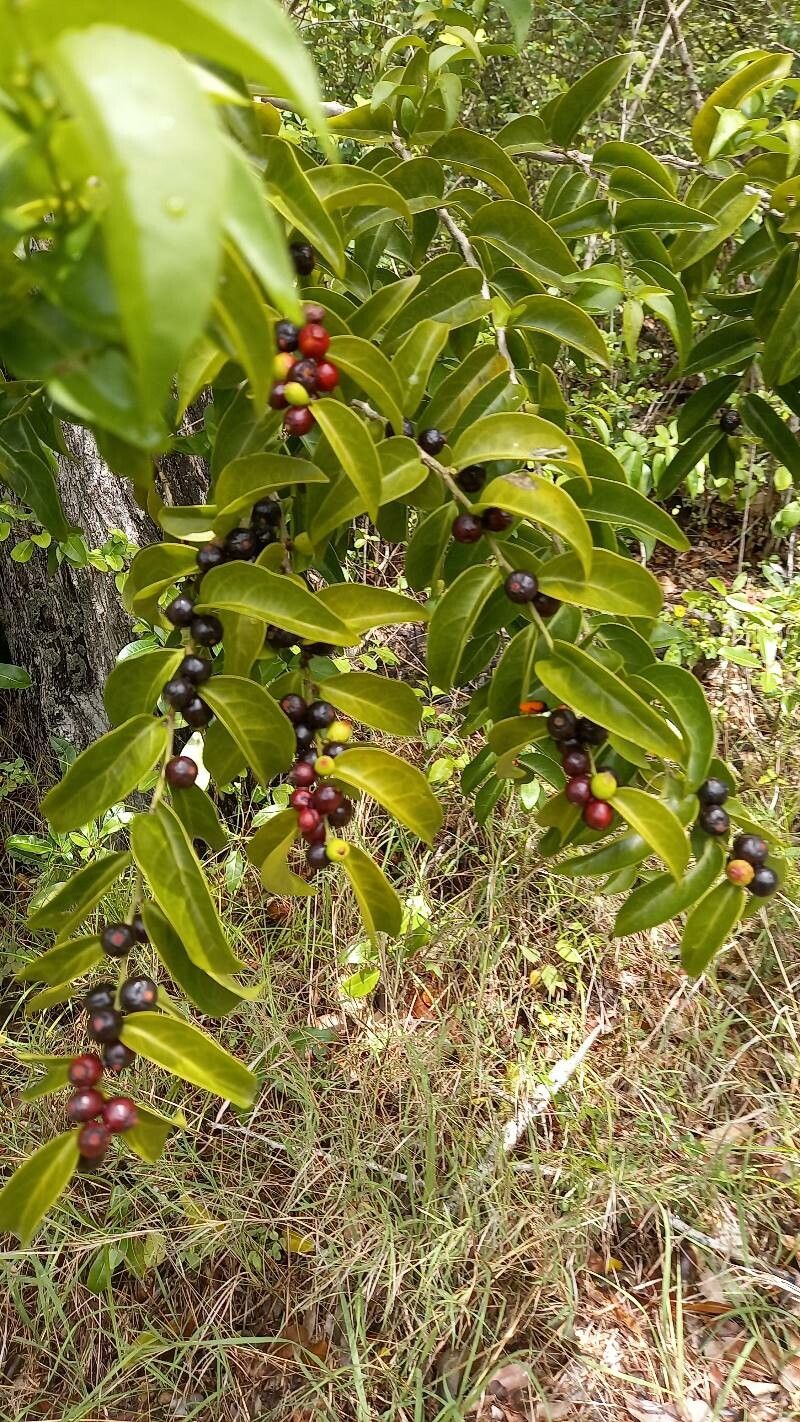
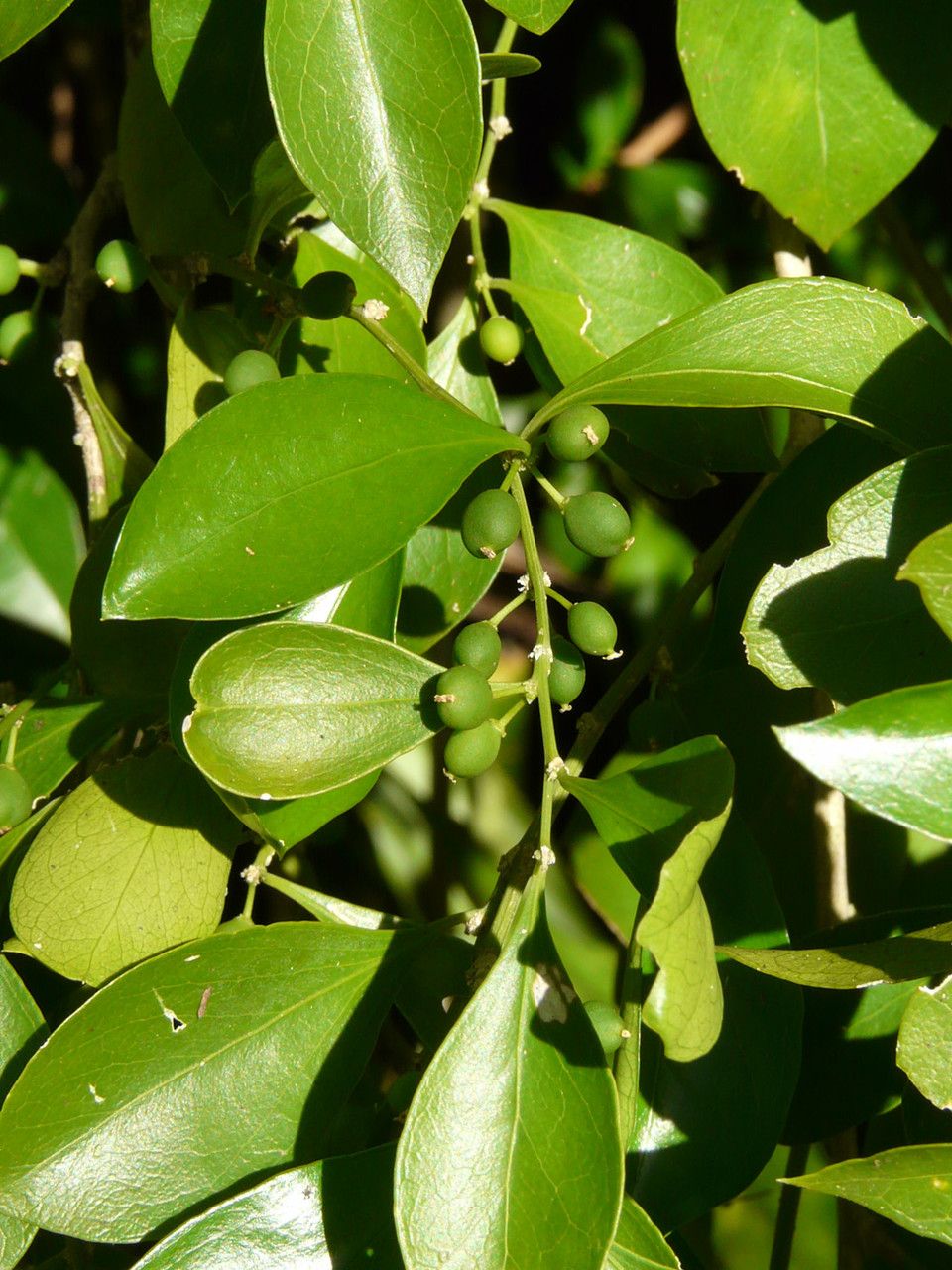
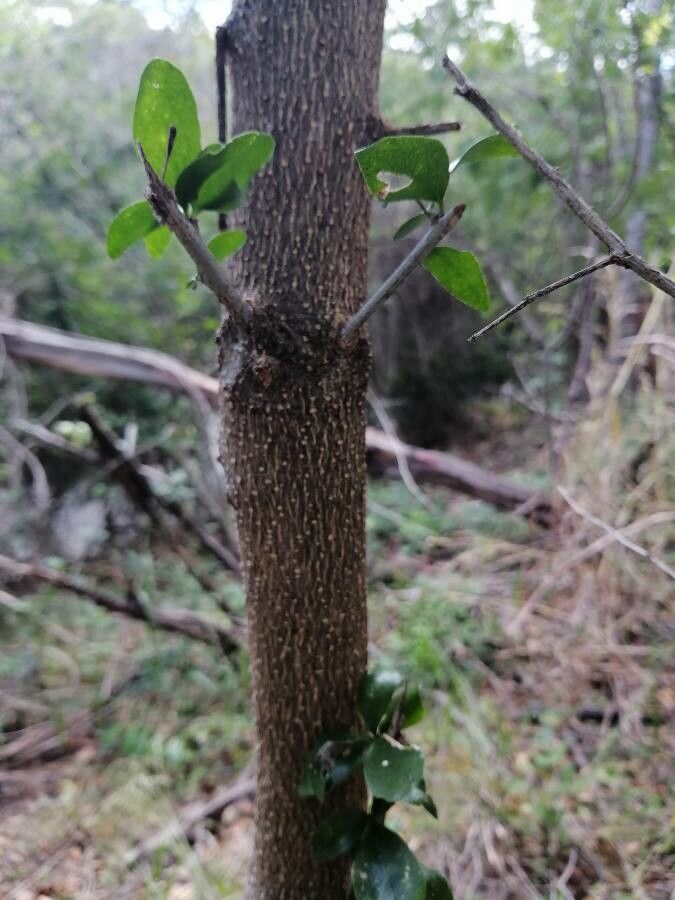
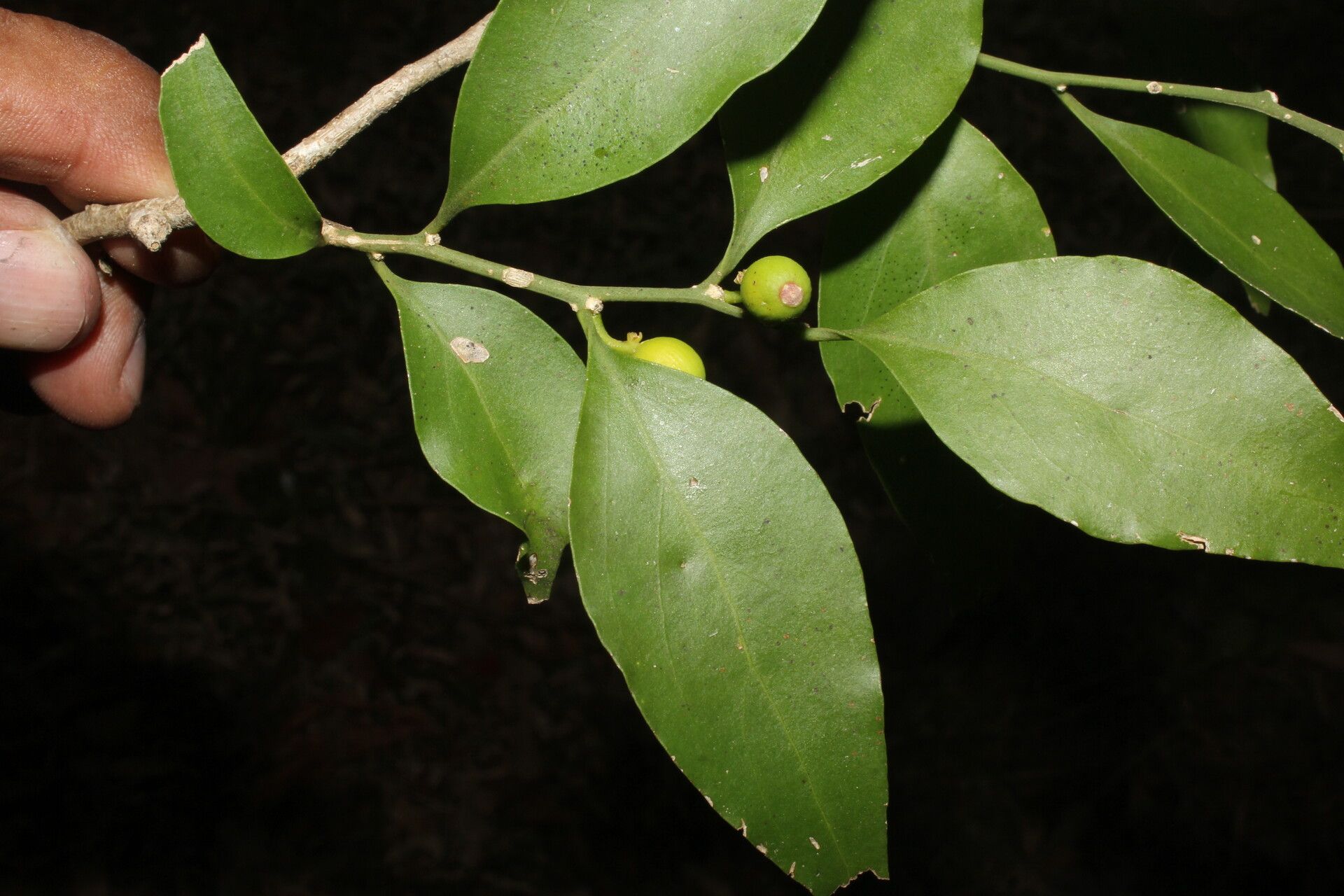
Schoepfia schreberi, commonly known as bloodberry or redwood, is a species of flowering plant in the Olacaceae family. Native to tropical regions of Central and South America, it is found in countries like Brazil, Colombia, Ecuador, and Peru.
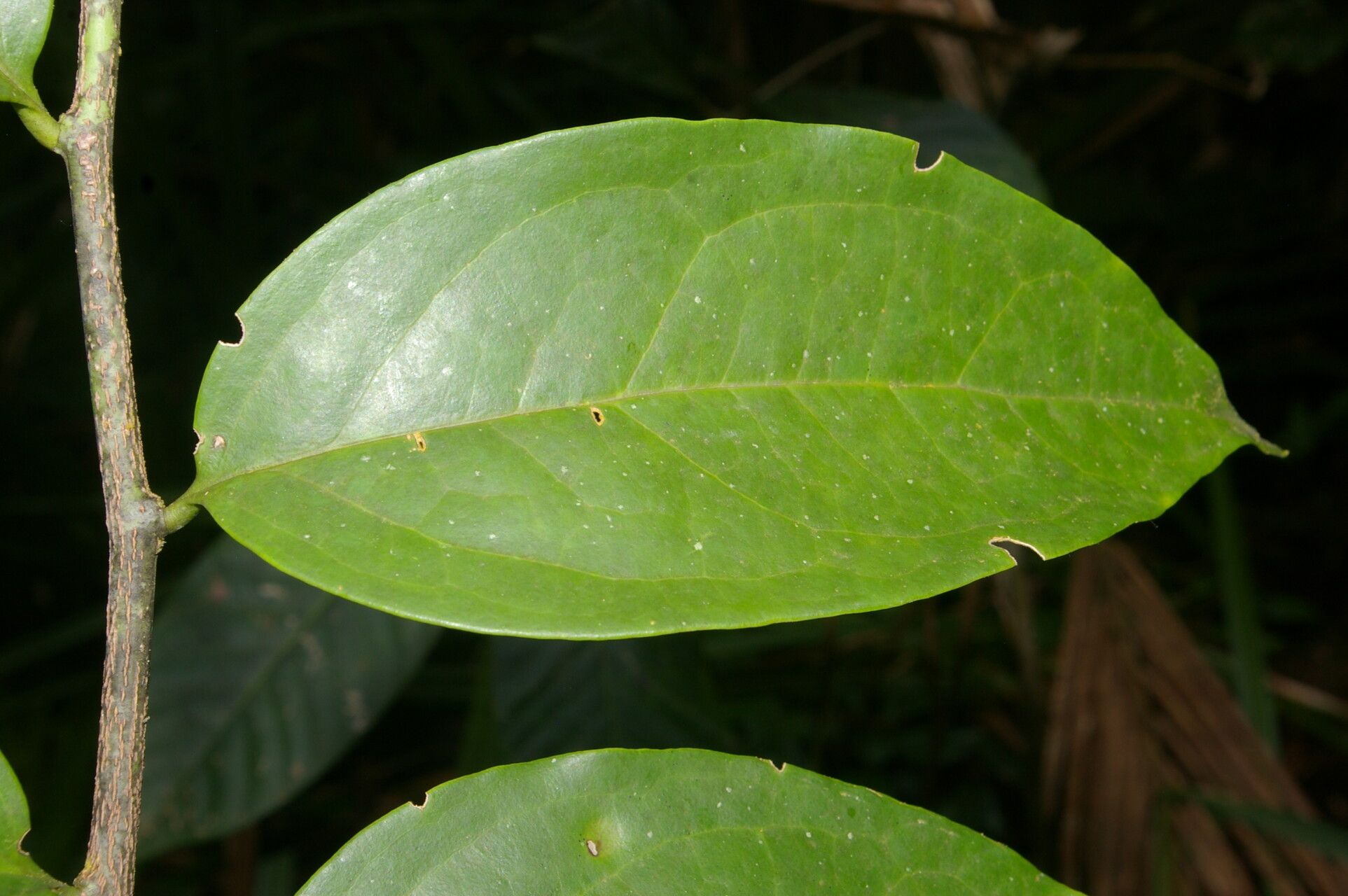
The bloodberry typically grows as a small tree or shrub, reaching up to 10 meters in height. Its dark green leaves are glossy and leathery in texture. The flowers are small and inconspicuous, featuring greenish-yellow petals.
The plant produces bright red berries, each containing one or two seeds. Traditionally, indigenous people have used the fruit for medicinal purposes, such as treating fever, diarrhea, and skin infections.
Beyond its medicinal uses, Schoepfia schreberi holds cultural significance for some indigenous communities, who incorporate it into their spiritual practices.
However, this species faces threats from deforestation due to logging and land conversion for agriculture. Conservation organizations are working to protect Schoepfia schreberi through habitat conservation measures, including reforestation programs and sustainable land use practices.
Gulf graytwig is well resistant to disease and typically does not develop illnesses. Regarding care, this plant is fairly low-maintenance. When grown outdoors it needs little watering, and larger specimens generally do not require pruning; however, smaller ones should be pruned after they finish blooming. Gulf graytwig is appropriate for anyone with an outdoor area, such as a garden or a deck, and does not demand extensive plant-care experience.
How to keep Schoepfia Schreberi.
Light
Gulf graytwig is native to habitats like forest understories or rocky areas, where it occurs in naturally shaded conditions. It prefers partial sun but can tolerate both full sun and full shade, showing its adaptable, hardy nature.
Temperature
Gulf graytwig comes from tropical areas, where the climate is generally warm and humid. As a result, it is well suited to high temperatures and humidity. It does not tolerate sudden temperature changes and prefers a stable thermal environment, so avoiding temperature fluctuations indoors is important. It typically cannot withstand cold and requires warmer conditions to grow. If the environmental temperature falls too low, the plant may stop growing or even die.
Fertilizer
Fertilizing is essential for Gulf graytwig care. Regular applications during the growing season preserve the energy required for its showy foliage and encourage overall growth. Skipping fertilization can lead to unhealthy leaves, reduced ornamental value, and stunted or weak growth that is prone to breaking.
Pruning
Gulf graytwig is an evergreen shrub characterized by its glossy leaves and fragrant blooms. For optimal health and appearance, prune the shrub in early spring. This helps maintain its shape, remove any damaged branches, and improve air circulation. Regular pruning enhances the plant's structure, boosts its resistance to pests, and encourages vibrant flowering. Additionally, consider light pruning after it blooms to further enhance its ornamental appeal.
Botanical profile.
- Plant Type
- Tree, Shrub
- Life Cycle
- Perennial
- Genus
- Schoepfia
- Family
- Schoepfiaceae
- Hardiness Zone
- 9-11
- Mature Height
- 4.88 m to 14.94 m
- Mature Spread
- 3.05 m to 6.1 m
- Leaf Color
- Dark Green
- Leaf Type
- Evergreen
- Flower Size
- 0.51 cm to 0.76 cm
- Bloom Time
- Early spring, Mid spring
- Planting Time
- Spring, Summer, Autumn
- Harvest Time
- Summer
- Native Area
- Belize, Honduras, Mexico, Guatemala, Peru, Panama, Jamaica, Colombia, Bahamas, Cuba, Venezuela, El Salvador, Nicaragua, Ecuador, Costa Rica
Other names.