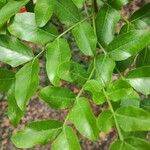
Schotia brachypetala
Fuchsia-tree · Tree-fuchsia · African walnut · Weeping boer-bean · Weeping schotia
Description
Source: leafsnapSchotia brachypetala, the weeping boer-bean, is a leguminous flowering tree in the family Fabaceae (bean family/pod-bearing family/legumes) and the subfamily Detarioideae. The woodland tree is native to Africa south of the Zambezi River, where it occurs at middle altitudes. It is well-suited as shade or ornamental tree in warmer regions, and is consequently widely cultivated in gardens and parks. It is named for the copious nectar that drips from its flowers, which attracts various species of birds and insects. It is known by various other names, including tree fuchsia, African greenheart and African walnut.
Care Guide
💧 Water Every 7 days
The fuchsia tree thrives in conditions similar to a subtropical climate, requiring consistent moisture with some tolerance for moderate drought. To maintain the ideal soil condition, water the tree every two weeks, ensuring that the soil stays slightly moist without becoming waterlogged. It is best to cultivate the fuchsia tree outdoors, where it can benefit from seasonal rains, especially during crucial growth phases.
What is the best way to water my Fuchsia tree?
To promote excellent root development, consider placing a garden hose at the base of your plants. It's important to avoid spraying the leaves directly, and keep in mind that outdoor plants in direct sunlight may need more water for their leaves. If you want to moisten the roots, you can use bubblers that attach to each plant. Additionally, soaker hoses can be useful when adding or removing plants as they distribute water along the entire garden or bed, allowing the roots to penetrate deeply. Make sure to drain any excess water and wait for the soil to dry before watering again. When watering, aim for ground level to prevent diseases. On a sunny day, it may be beneficial to spray the entire bush with water. Whether your plant is potted or in the ground, remember that Fuchsia-trees prefer deep watering rather than light sprinkling.
What should I do if I give the Fuchsia-tree too much or too little water?
When a Fuchsia-tree is overwatered, its leaves may turn yellow, drop off, and wilt. The plant may also look dull and unhealthy, with mushy stems. To address these symptoms, it's best to adjust your watering schedule. Conversely, wilting can also indicate under watering. In this case, the leaves may become crispy and dry. To determine if watering is needed, check the soil for dryness. If it is dry, give the plant a thorough watering. However, even with enough water, the Fuchsia-tree may still display dryness and yellowing leaves due to root damage. Once the plant returns to normal, the yellowing should cease. When keeping a Fuchsia-tree indoors, always check the moisture levels in the pot and avoid overwatering. Look out for black spots as a sign of overwatering and allow the soil to dry out by pausing watering for a few days. Overwatering can lead to root rot, so transfer the plant to a different pot if discolored and slimy roots are present. Prevent root rot by avoiding overly soggy soil. When planting the Fuchsia-tree outdoors, dig a bit deeper. If the soil feels too dry, this may indicate underwatering. Adequate watering is necessary for the plant's recovery.
How frequently should I give water to my Fuchsia-tree?
The Fuchsia-tree prefers deep but less frequent watering, especially when planted in pots. Potted plants have limited water storage, causing the soil to dry out faster. In colder regions, watering is needed every 3 to 5 days. Watering should be done in the morning when the soil is dry, whether indoors or outdoors. Check the soil to determine if watering is necessary. If the top 2-3 inches of soil are dry, it's time to water the plant. On hot days, check the moisture daily as the heat can quickly dry out the pot's soil. Irrigation is also necessary for garden soil. In hot climates, watering once a week is recommended. Only water when you notice that about 2 to 3 inches of soil have become too dry, both indoors and outdoors. Take into account the amount of rainfall and avoid adding water to prevent root rot. If there is a lot of rainfall, additional watering may not be needed. Fuchsia-trees generally grow during spring and fall. Adding mulch about 3 to 4 inches deep when they are outdoors helps conserve water. Sandy soil requires more frequent watering as it drains faster. On the other hand, clay soil needs less frequent watering, allowing the plant to dry out for 2-3 days to avoid root rot. You can mark watering dates on the calendar and pay attention to drooping leaves, which may indicate a need for water.
How much water does my Fuchsia tree need?
The Fuchsia-tree needs about a gallon of water on a regular schedule. For potted plants, water them deeply until the water drips from the bottom of the pot. Wait for the soil to dry before watering again. Use a water calculator or moisture meter to determine how much you've given the plant in a week. Give plenty of water during the flowering period, but let the moisture evaporate afterward to avoid root rot. If the Fuchsia-tree is planted outdoors with enough rainfall, it may not need extra watering. When the tree is young or newly planted, make sure it receives 1-2 inches of rain per week. As the tree grows, it can rely solely on rainfall. Only when the weather is very hot or there has been no rain for 2-3 weeks, consider giving it a thorough watering during cooler parts of the day to prevent heat damage. Additional watering will be needed during extended dry spells.
Should I water my Fuchsia-tree more or less depending on the time of year or the weather?
The Fuchsia-tree needs to be watered when there is no rain, except during dry weather when it needs more frequent watering. In the spring and fall, the soil should be kept moist but not soggy, and having alternating dry and moist soil conditions will help the Fuchsia-tree grow well. During the summer, hot weather can cause water to evaporate quickly, so you will need to water more often to keep the soil moist if there is a lack of rainfall. In winter, the Fuchsia-tree needs less water because it drops its leaves and goes dormant. A well-draining soil mixture like terracotta can help the water evaporate quicker. Once the Fuchsia-tree starts to leaf out and go dormant after spring, you can stop watering as it can rely on the fall and winter rains to survive. When the temperature gets warmer, you can encourage growth and blooming by watering and cultivating the Fuchsia-tree. Good drainage is crucial, especially in winter. If the plant is in a pot, make sure to water it well, especially during summer. Avoid shallow sprinkles that reach the leaves as they encourage fungi growth and don't reach the roots. In the fall and winter, even during dormancy, it's important not to let the Fuchsia-tree dry out completely. Too much water can be harmful, so ensure proper drainage. Applying mulch can help reduce stress, conserve water, and promote healthy blooms.
☀️ Light Full sun
The fuchsia-tree performs best with plenty of sunlight, though it can also sustain healthy growth in some shade. It originates from sun-drenched areas, which gives it tolerance to a range of light conditions. Both excessive and insufficient light can still support growth, but at different rates.
What are the sunlight requirements for a Fuchsia-tree?
A Fuchsia-tree thrives best under full sun exposure, which means it requires above 6 hours of direct sunlight daily. However, it can also tolerate partial sun conditions, receiving about 3-6 hours of sunlight. It's essential to observe how sunlight moves through your garden to find spots offering a balance of light and shade, ensuring the plants grow happily and healthily.
How does inadequate or excessive sunlight affect the Fuchsia-tree?
The Fuchsia-tree originates from sun-drenched landscapes, making it resilient to varying sunlight conditions. Under both excessive and deficient sunlight, the tree can still grow, although at different rates. It's crucial to ensure your Fuchsia-tree receives ample sunlight or provide artificial lighting, especially during winter or in less sunny spaces, to maintain optimal growth. LED lights are recommended for indoor plants, needing 30-50W/sq ft for full sun plants, 20-30W/sq ft for partial sun plants, and 10-20W/sq ft for full shade plants.
What are the symptoms of light deficiency in Fuchsia-trees?
Light deficiency in Fuchsia-trees can lead to several symptoms including smaller new leaves, leggy or sparse growth, accelerated leaf drop, hindered growth or complete growth cessation, lighter-colored new leaves, chlorosis, sunscald, leaf curling, wilting, and leaf scorching. These symptoms indicate that the plant is not receiving adequate sunlight to perform essential functions like photosynthesis effectively.
What solutions are available for Fuchsia-trees receiving insufficient sunlight?
To counter insufficient sunlight, you can gradually move your Fuchsia-tree to a sunnier spot, ensuring it receives at least 6 hours of direct sunlight daily. For plants indoors, using artificial light such as a desk or ceiling lamp for 8 hours daily or investing in professional grow lights can provide additional light. Outdoors, gradually moving plants to sunnier locations while avoiding sudden changes is key. Pruning obstructive branches and possibly transplanting smaller plants during their dormant period can also help in maximizing sunlight exposure. It's important to note that while parts of the plant affected by insufficient sunlight might not recover, new growth will be healthy following these adjustments.
🌡️ Temperature 20–37.8°C
Fuchsia-tree adapts well to temperature, able to endure higher heat and wider temperature swings. In hot weather, it is important to monitor watering and provide suitable shade to avoid sunburn. However, Fuchsia-tree is relatively sensitive to low temperatures. While it can tolerate a certain amount of cold, excessively low conditions can result in frost damage.
💨 Humidity
🪴 Soil 6-7
🌱 Fertilizer
The timing of fertilizing a fuchsia tree is important. Apply fertilizer in early spring and continue monthly until early summer. Fertilizer promotes attractive blooms and supplies energy during both dormant and active growth periods.
Why should I put fertilizer on my Fuchsia-tree?
To help your Fuchsia-tree thrive and produce beautiful blooms, it is important to fertilize it. Fertilizing in early spring is especially beneficial as it ensures excellent flowers during that season. Additionally, fertilizing your Fuchsia-tree during the fall planting process or in late spring helps it store more energy during dormant growth phases, allowing for more vigorous growth later on.
When should I fertilize my Fuchsia-tree?
To effectively fertilize a Fuchsia tree, timing is crucial. Applying fertilizer too early, while the tree is still dormant, is ineffective and can result in wastage and pollution as the fertilizer gets washed away by rainwater. The first application of fertilizer should be done in early spring, followed by monthly applications until early summer.
When is the best time to not add fertilizer to my Fuchsia tree?
To ensure proper growth and blooming of Fuchsia-trees, it is important to avoid using a fertilizer with excessive nitrogen. High nitrogen levels can lead to excessive leaf growth but fewer blooms. Instead, opt for fertilizers that have a lower nitrogen content compared to other nutrients. Another key point is to refrain from fertilizing the Fuchsia-tree during late autumn, as this can result in excessive growth just before winter, a time when the plant should be conserving energy. Additionally, it is best to avoid fertilizing during hot and dry periods, as dry soil does not effectively deliver nutrients, and stimulating growth during this time can create a greater demand for water, which may not be readily available. It is advisable to apply fertilizer earlier in the season when temperatures are cooler. Lastly, it is worth noting that Fuchsia-trees can absorb fertilizer applied to nearby plants or lawns, so caution should be exercised to avoid inadvertently giving the tree a double-dose of nutrients.
What kind of fertilizer does my Fuchsia-tree require?
To ensure optimal growth and blooming, Fuchsia-trees need a balanced fertilizer with slightly higher amounts of phosphorus. Gardeners can also enrich the soil by adding organic materials like compost, worm castings, and manure. When flower buds start to appear, some gardeners supplement with water-soluble fertilizers containing phosphorus to promote better flower development and longer blooming. Fertilizers for Fuchsia-trees come in various forms, but liquid or powdered forms are often considered the best options. Regardless of the form used, it's important to dilute the fertilizer and apply it while watering your Fuchsia-tree.
How do I give food to my Fuchsia tree?
To ensure proper fertilization for your Fuchsia-tree, it is important to follow specific directions for the type of fertilizer you are using. Before applying fertilizer, it is crucial to do some research on how to effectively use it for your tree. Over-fertilization should be avoided, so determining the correct amount is key. Generally, you can use the tree's age or trunk diameter as a guideline. Estimate one-tenth of a pound of fertilizer per year or per inch of trunk, with a maximum limit of one pound. Granular and organic fertilizers like blood meal can be applied by sprinkling them around the tree's base, extending all the way to the drip line. However, make sure not to let the fertilizer come in contact with the trunk. Over time, the granules will break down and filter into the soil, where the roots can absorb the nutrients. After fertilizing, it is recommended to spread a one-inch layer of compost around the base of the tree and water it thoroughly.
🪴 Pot & Repot 2-3 years
When repotting a Fuchsia-tree, select a pot 1–2 inches (2.5–5.1 cm) larger with ample drainage. Use a well-draining potting mix. Repot in spring or fall, ensuring the root ball sits slightly lower than the rim of the flower pot. Water thoroughly after repotting and place in a warm spot with indirect sunlight.
✂️ Pruning
To promote growth and flowering, prune fuchsia trees in early spring. Remove any dead or crossing branches to improve air circulation. Avoid heavy or late pruning to protect the old wood from frost damage. This will help maintain the plant's ornamental appeal and vigor.
🌿 Propagating
🐛 Diseases & pets
☠️ Toxicity
Characteristics
- Plant Type
- Tree
- Life Cycle
- Perennial
- Genus
- Schotia
- Family
- Fabaceae
- Hardiness Zone
- 9-11
- Mature Height
- 4.88 m to 20.12 m
- Mature Spread
- 9.14 m to 14.94 m
- Leaf Color
- Dark Green
- Leaf Type
- Deciduous
- Flower Color
- Red
- Flower Size
- 2.03 cm to 3.05 cm
- Bloom Time
- Mid spring, Late spring, Early summer
- Planting Time
- Spring, Summer, Autumn
- Harvest Time
- Late summer, Early fall, Mid fall
- Native Area
- South Africa, Eswatini, Mozambique, Zimbabwe