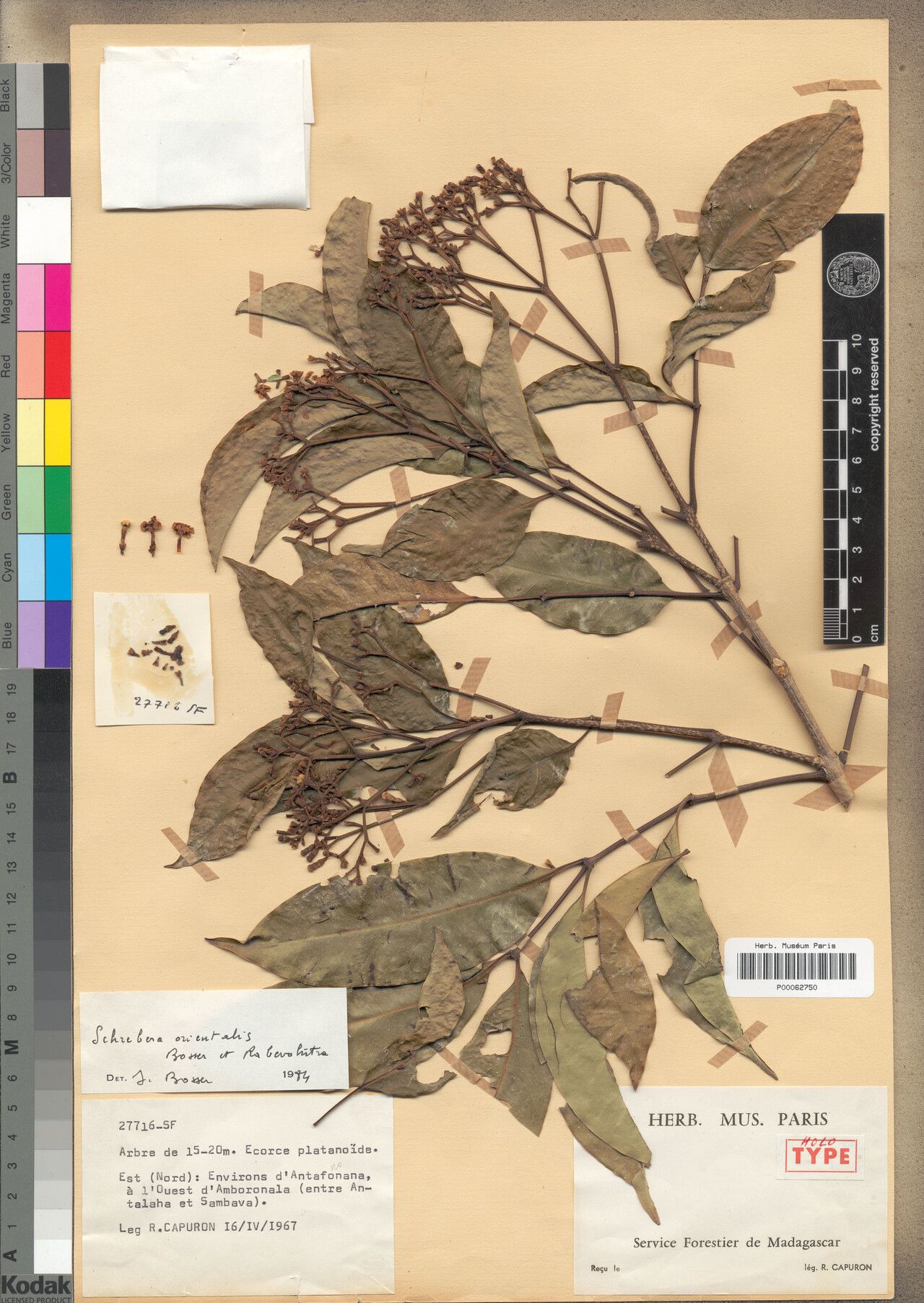
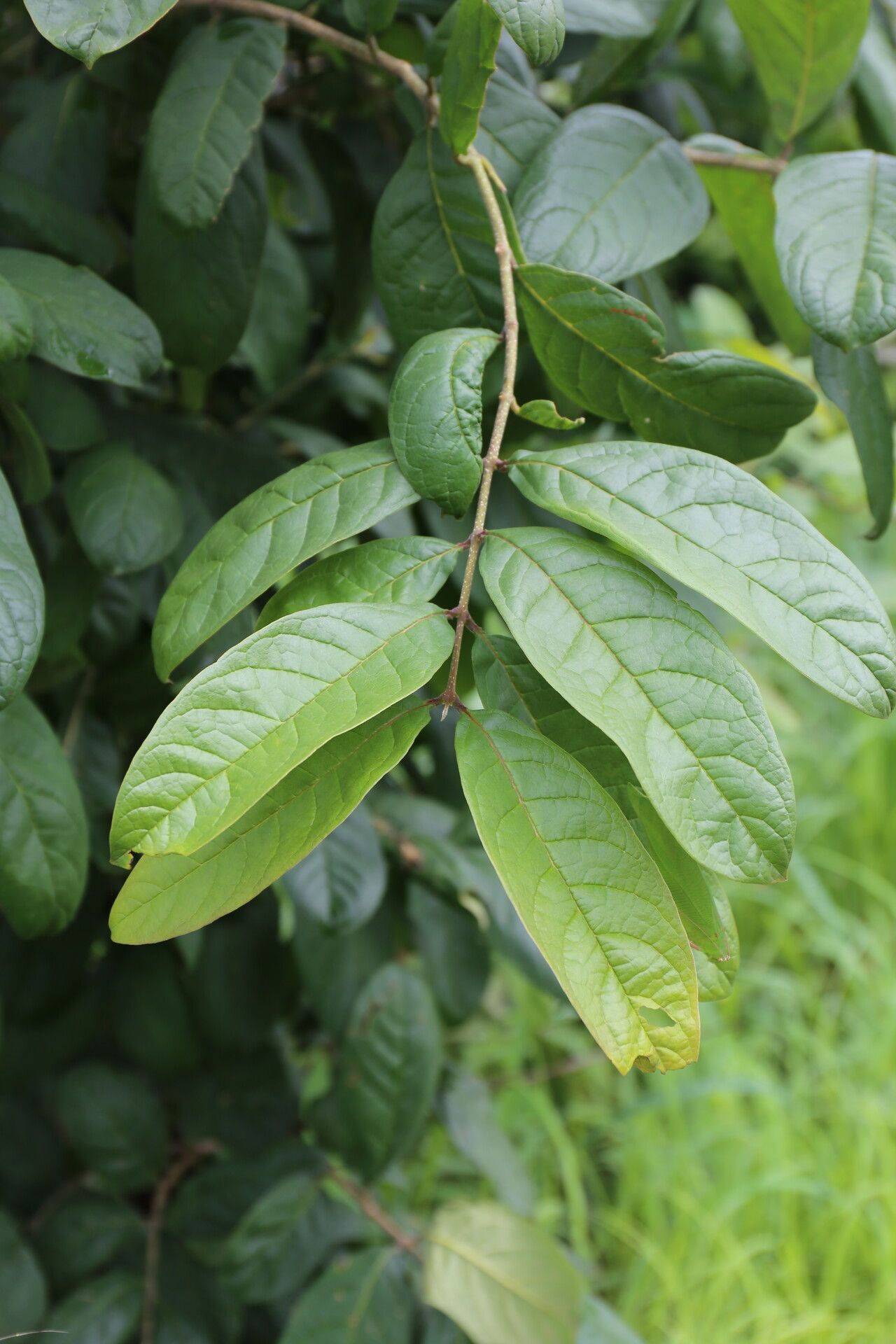
Schrebera alata, commonly known as the Winged Bean or Winged Schrebera, is a tropical tree species belonging to the Oleaceae family. Native to Africa, it can be found in several countries, including Nigeria, Cameroon, and Uganda. The tree can reach heights of up to 30 meters and features a straight trunk with a diameter of up to 60 centimeters.
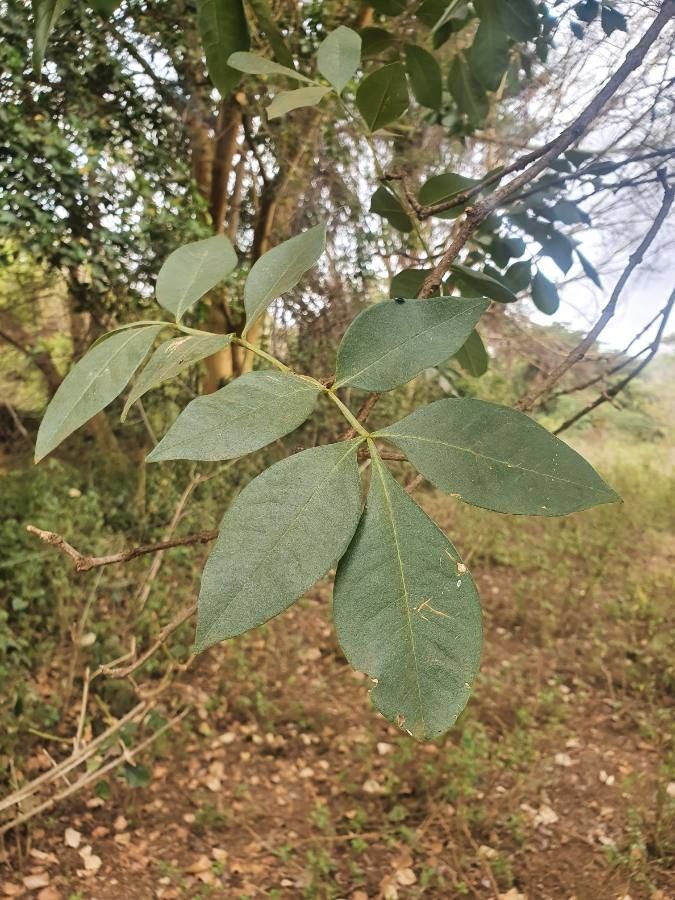
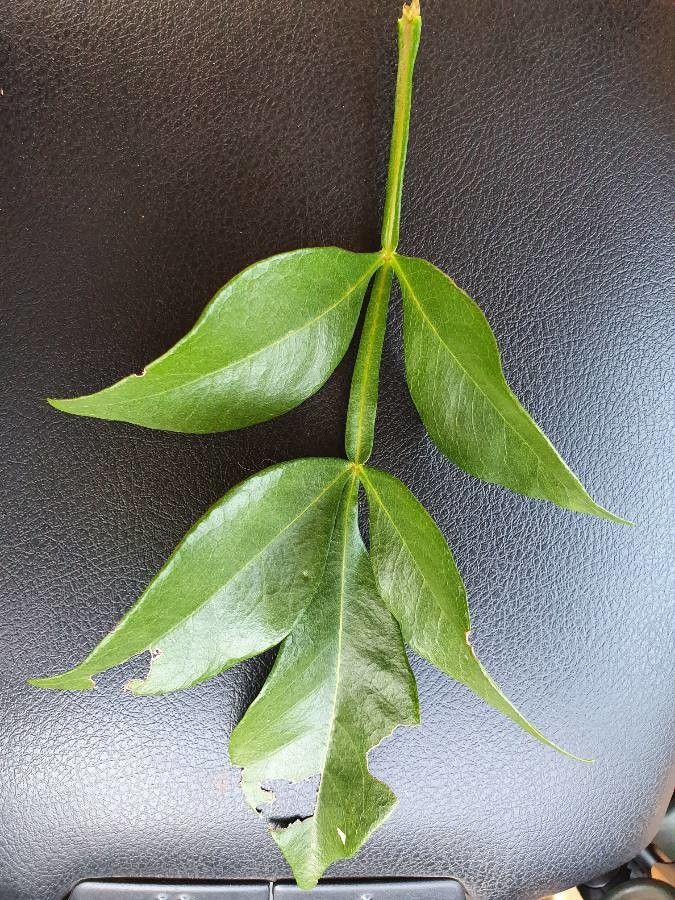
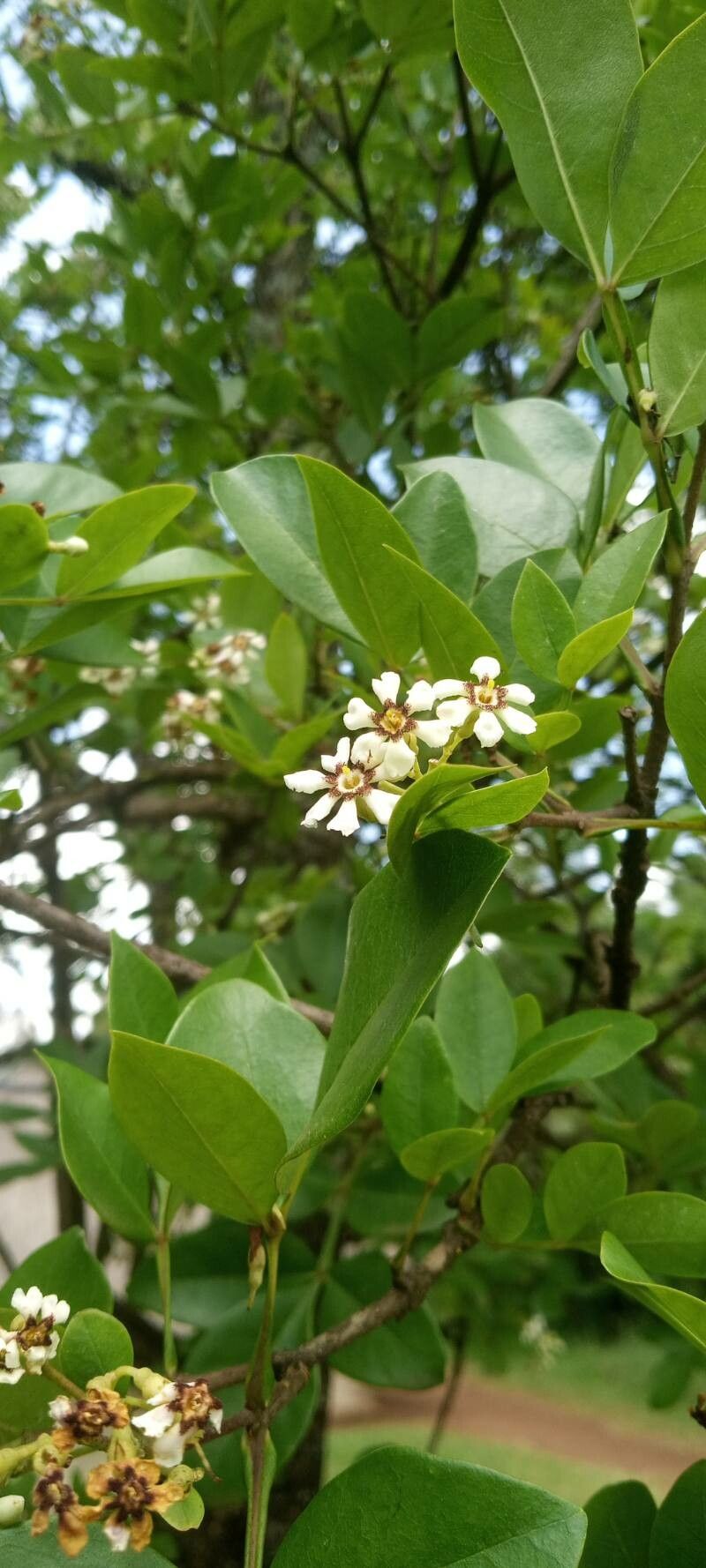
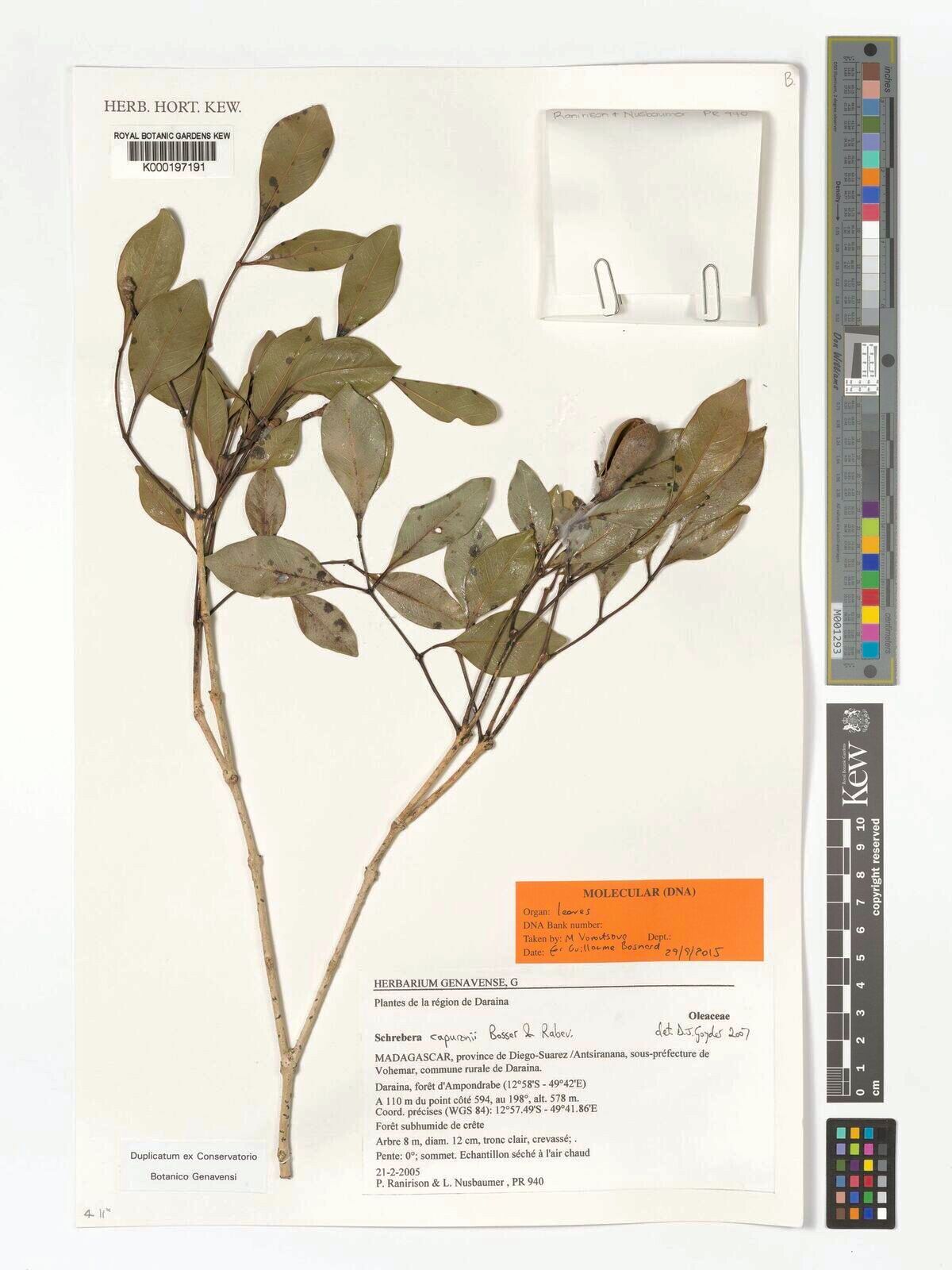
The leaves of Schrebera alata are compound, with leaflets arranged in pairs along the stem. These leaflets are oval-shaped with pointed tips and serrated edges. The tree produces small, white or yellowish flowers that grow in clusters at the ends of branches.
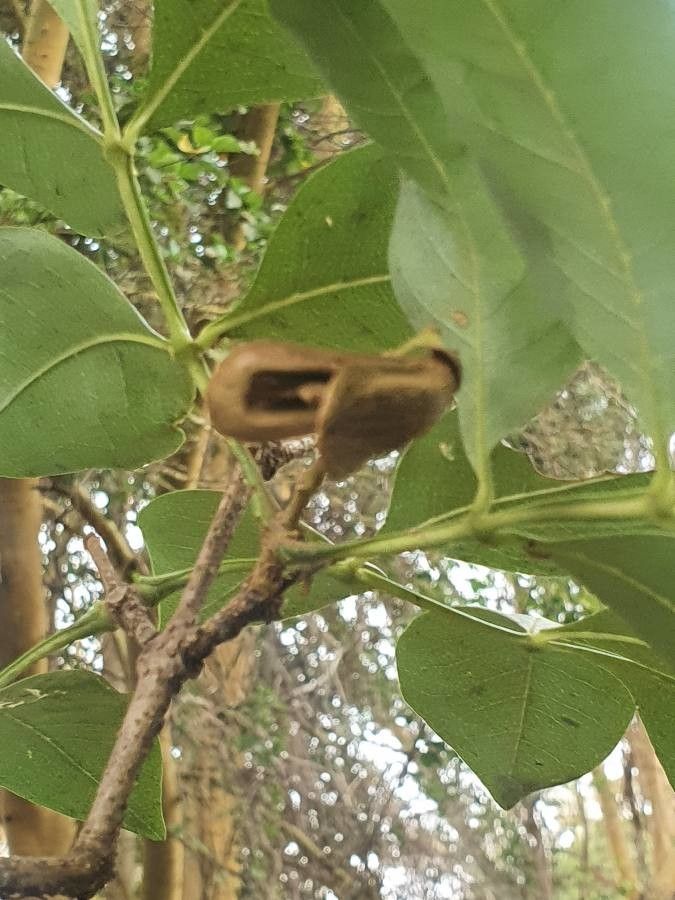
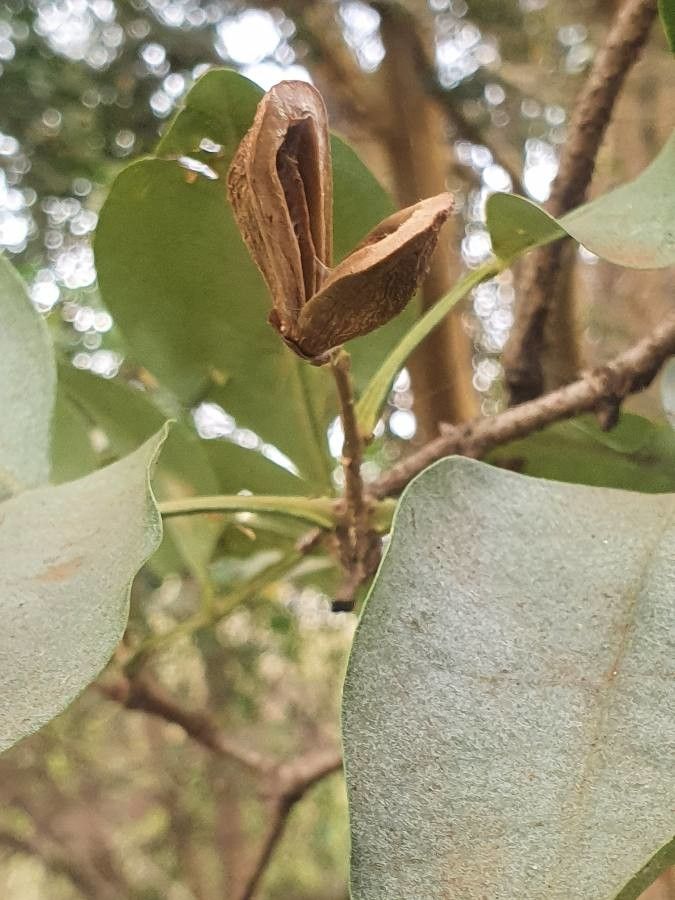
The fruit of Schrebera alata is a woody capsule containing several seeds embedded in pulp. The capsules have distinctive wings on each side, which contribute to its common name, "Winged Bean." These wings aid in seed dispersal through the wind.
Schrebera alata has various medicinal uses, such as treating fever, malaria, diarrhea, and other ailments due to the anti-inflammatory properties found in its bark extracts. Its wood is also valued for making furniture, thanks to its durability.
Overall, this plant species plays an important ecological role by providing habitat for wildlife while also holding cultural significance in traditional medicine practices.
Wing-leaved wooden pear has good resistance to disease and is generally not prone to illnesses. In terms of care, this plant is relatively low-maintenance. When grown outdoors it needs minimal watering, and larger specimens usually do not require pruning. However, smaller plants should be trimmed after they have finished blooming. Wing-leaved wooden pear is suitable for anyone with an outdoor area, such as a garden or a deck, and does not require much gardening experience.
How to keep Schrebera Alata.
Light
The wing-leaved wooden pear comes from open habitats, such as sunny meadows and forest margins, which offer abundant light. It thrives in Full Sun but can also tolerate Partial Sun, adjusting well to a range of sunlight conditions.
Water
The wing-leaved wooden pear is well-suited to dry regions, exhibiting high drought tolerance. It needs watering only once every 2–3 weeks and flourishes in arid conditions. This plant prefers well-draining soil and is usually grown outdoors to avoid root rot during wet seasons.
Temperature
Wing-leaved wooden pear shows good temperature adaptability, tolerating high heat and wide temperature swings. In hot weather, care should be taken to water appropriately and provide adequate shade to prevent sunburn. Conversely, Wing-leaved wooden pear has relatively low cold tolerance. While it can handle some cold, very low temperatures can result in frost damage.
Fertilizer
Timing is important for fertilizing Wing-leaved wooden pear. Apply fertilizer in early spring and continue monthly until early summer. Fertilizer promotes attractive blooms and supplies energy during both dormant periods and active growth.
Pruning
The wing-leaved wooden pear is a plant known for its distinctive winged leaves and pear-like fruits. To improve air circulation and maintain its shape, it's best to prune this plant in early spring. Focus on removing any dead or overcrowded branches during this time. Regular pruning encourages healthy growth and vibrant blooms. To prevent disease, be sure to sanitize your pruning tools before use, and avoid cutting too much to help preserve healthy buds.
Botanical profile.
- Plant Type
- Tree
- Life Cycle
- Perennial
- Genus
- Schrebera
- Family
- Oleaceae
- Hardiness Zone
- 9-11
- Mature Height
- 6.1 m to 14.94 m
- Mature Spread
- 3.05 m to 6.1 m
- Leaf Color
- Dark Green, Forest Green
- Leaf Type
- Deciduous
- Flower Color
- White
- Flower Size
- 1.02 cm to 2.03 cm
- Bloom Time
- Early summer, Mid summer
- Planting Time
- Spring, Summer, Autumn
- Harvest Time
- Late summer, Early fall, Mid fall
- Native Area
- Malawi, Angola, Burundi, Mozambique, South Africa, Zambia, Eswatini, Rwanda, Namibia, Ethiopia, Kenya, Congo (DRC), Uganda, Tanzania, Zimbabwe
Other names.
Reader questions.
What are the sunlight requirements for Wing-leaved wooden pear?
The Wing-leaved wooden pear requires full sun, classified as above 6 hours of sunlight, but can also thrive in partial sun, which is about 3-6 hours of sunlight. It's important to observe how sunlight moves through your garden to find spots that offer a balance of light and shade, ensuring the plant's well-being. This species, known botanically as Schrebera alata, is naturally adapted to open environments like sunny meadows and forest edges. Its ability to tolerate various sunlight conditions makes it versatile for garden placement.
How can artificial lighting be used for indoor plants?
Indoor plants, including Wing-leaved wooden pear, may require artificial lighting to ensure optimal growth, especially when natural sunlight is insufficient. This is common in winter or less sunny spaces. LED lights are a good choice because they can provide specific wavelengths needed by plants. Full sun plants need 30-50W/sq ft of artificial light, partial sun plants need 20-30W/sq ft, and full shade plants need 10-20W/sq ft. The light source should be placed 12-36 inches above the plant, and most plants need 8-12 hours of light per day to mimic natural sunlight conditions.
What symptoms indicate a Wing-leaved wooden pear is not receiving enough light?
When the Wing-leaved wooden pear doesn't receive adequate sunlight, it may show several symptoms indicating light deficiency. These include smaller new leaves compared to mature ones, leggy or sparse growth, faster leaf drop, slowed or halted growth, lighter-colored new leaves, and symptoms of overexposure like chlorosis, sunscald, leaf curling, wilting, and leaf scorching. These symptoms highlight the plant's struggle with suboptimal lighting conditions and the need for better sunlight exposure.
What solutions are available for improving light conditions for Wing-leaved wooden pear?
To optimize growth conditions for Wing-leaved wooden pear, gradually increase sunlight exposure to at least 6 hours daily, utilizing a south-facing window for indoor plants. Consider artificial lighting for plants that are large or not easily movable, ensuring they receive ample light by keeping lamps on for at least 8 hours daily. For outdoor plants, move them to sunnier spots gradually to prevent sunburn. Reducing obstructions and transplanting smaller plants to sunnier locations during their dormant period can also enhance light exposure. Note, parts of the plant affected by past insufficient sunlight may not recover, but new growth will be healthy with improved light conditions.