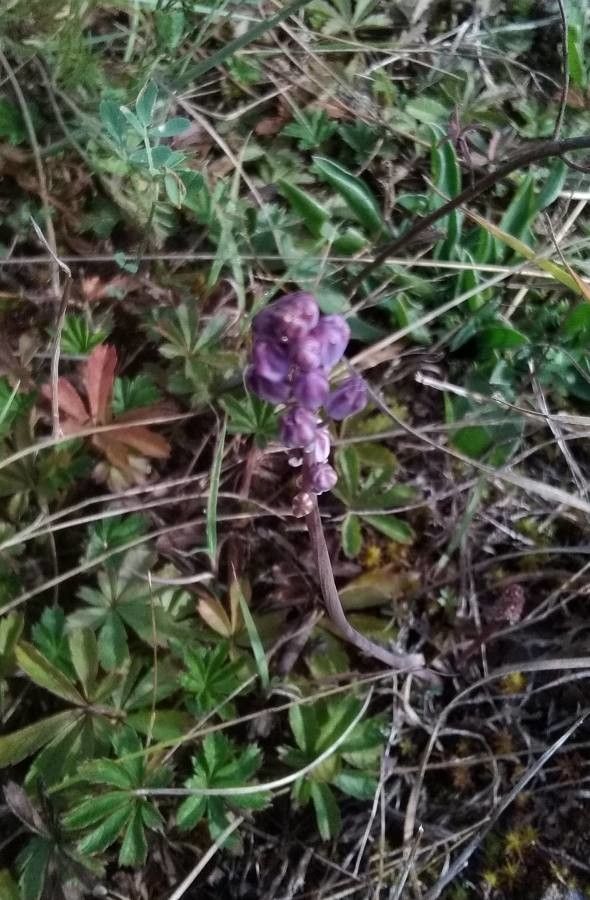
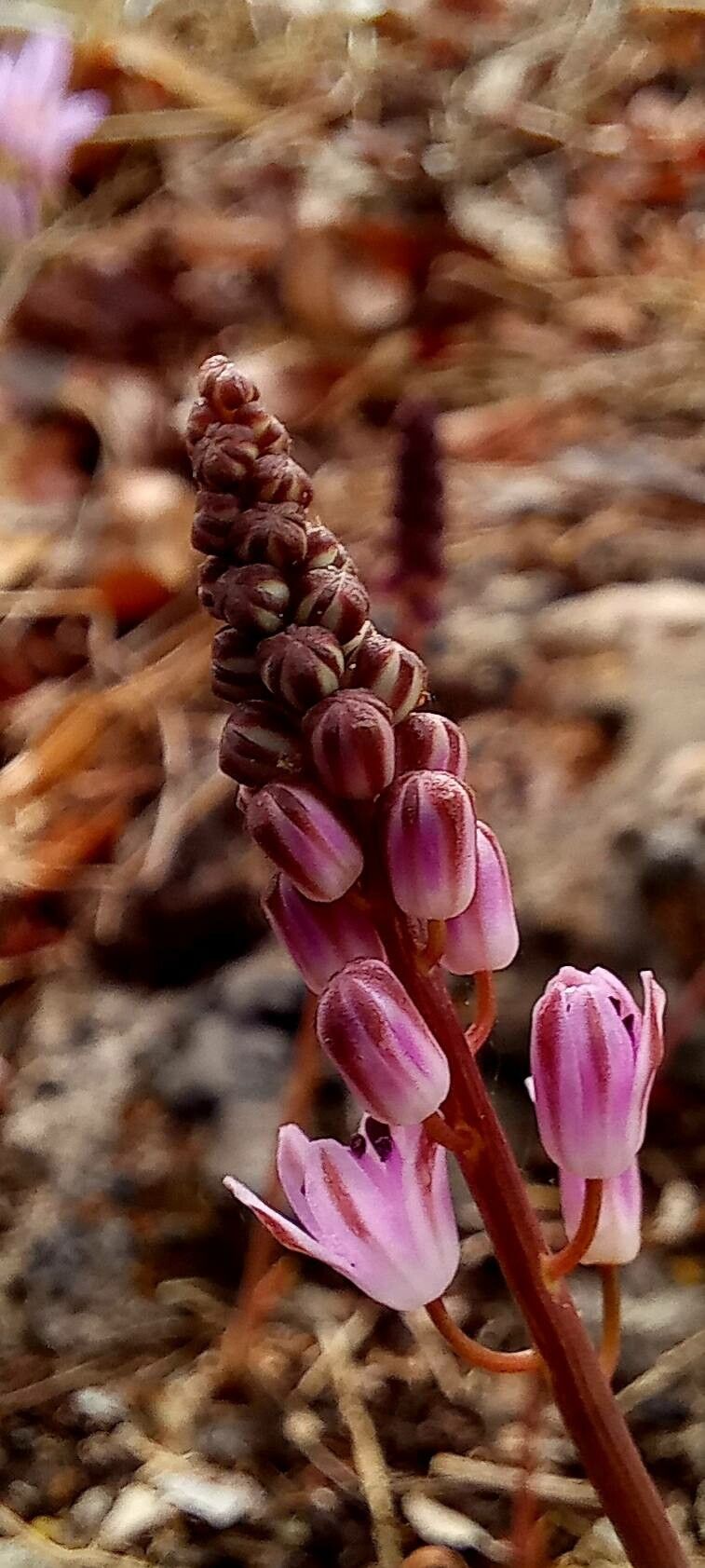
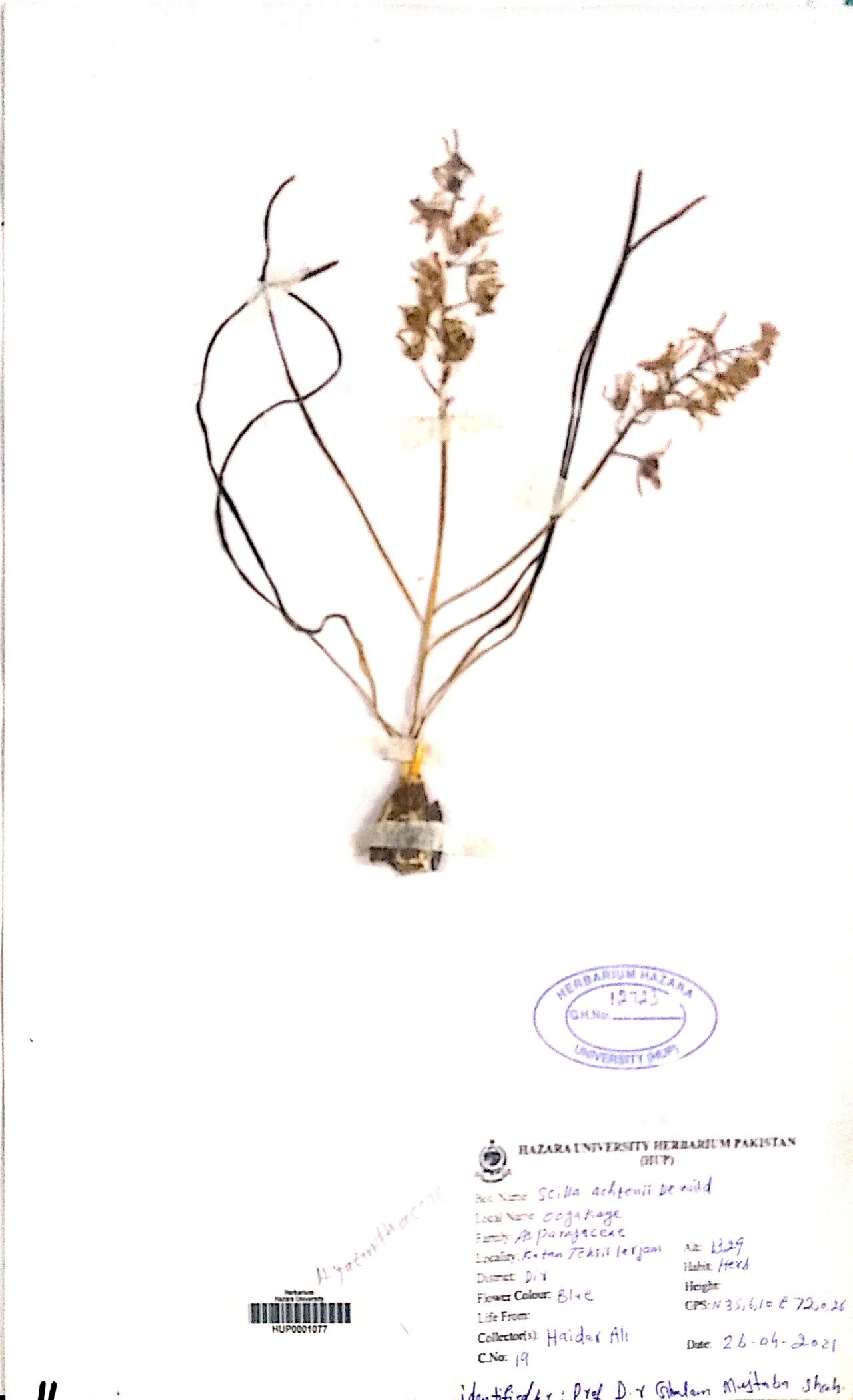
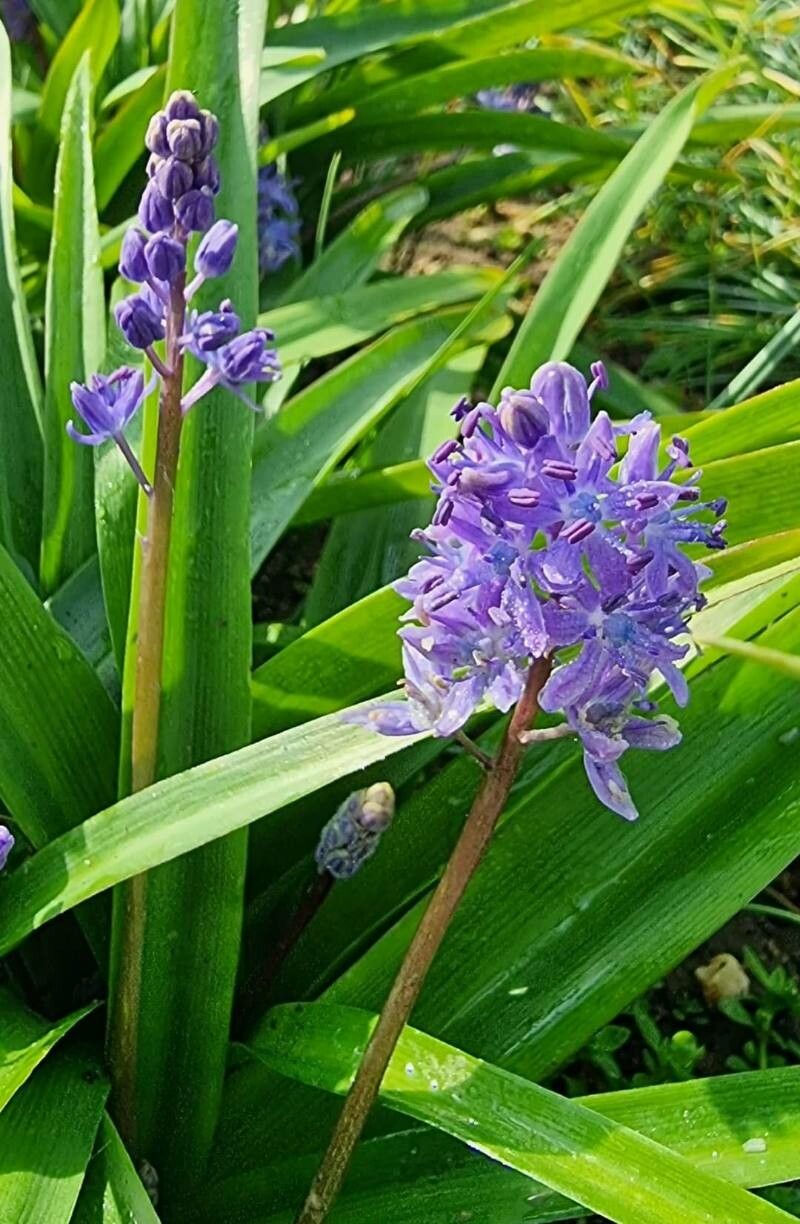
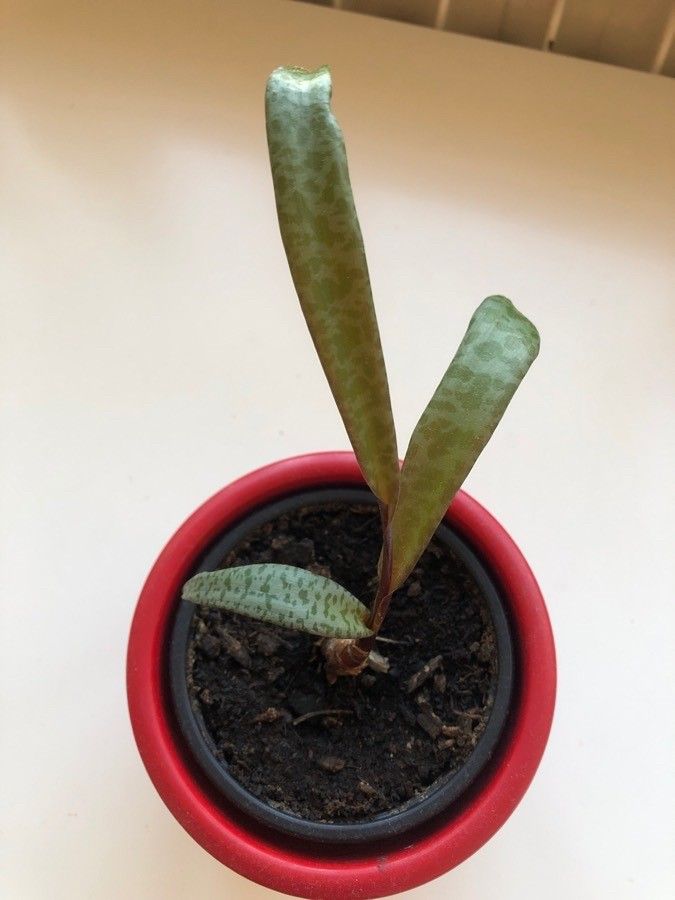
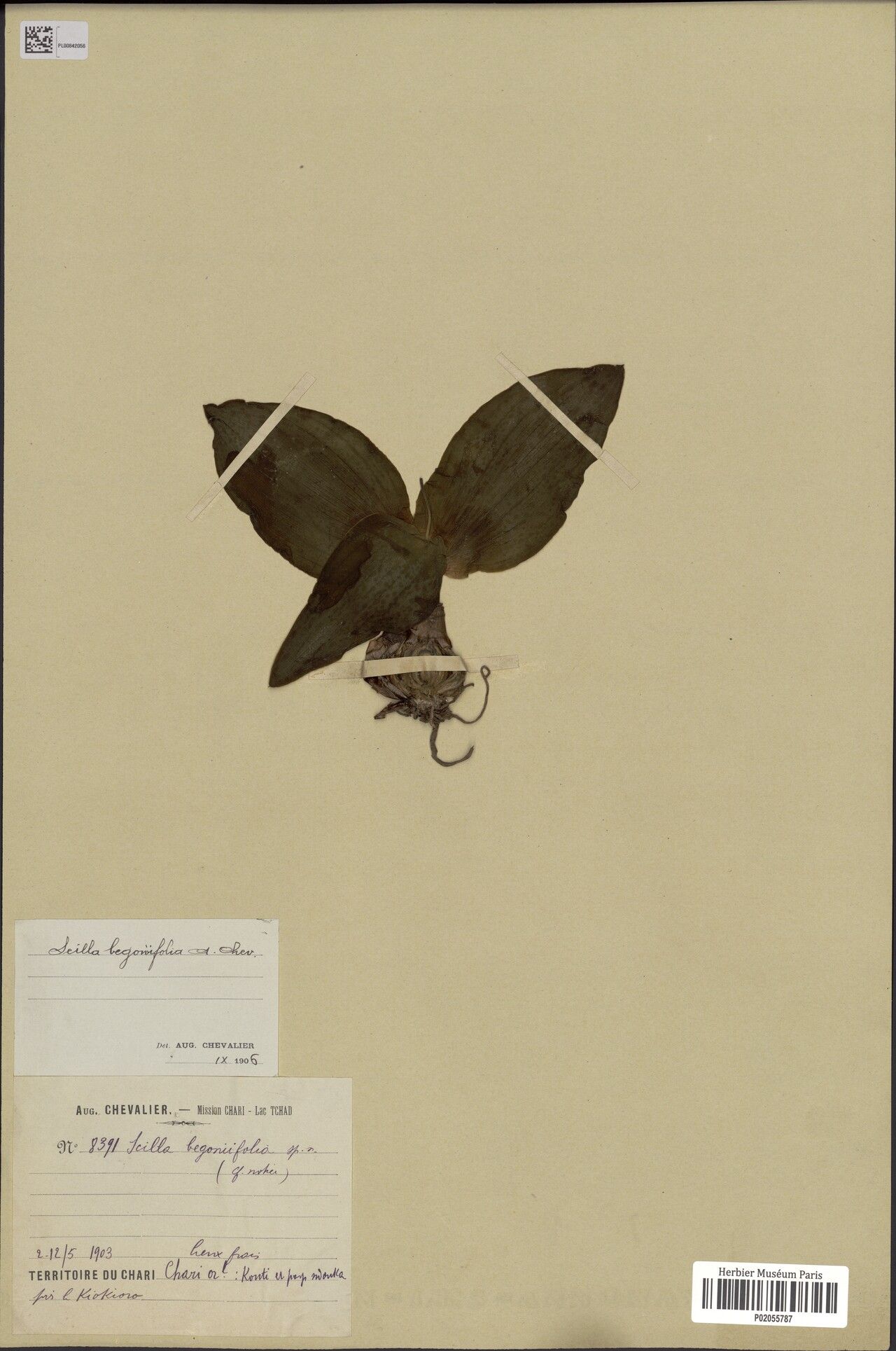
Prospero autumnale, the autumn squill, an autumnal flowering plant of the family Asparagaceae, subfamily Scilloideae, is found in the Mediterranean region from Portugal and Morocco east to Turkey and the Caucasus, plus Great Britain. Despite being classified as a single species, it is actually a cryptic species complex, with a variety of cytotypes having been discovered which are phenotypically indisguishable from each other.
Winter hyacinth is fairly disease-resistant and typically does not suffer from illnesses. Still, it can be affected by pests and diseases present in its surroundings. Such infections are generally not severe. For care, the plant needs a moderate amount of maintenance. Regular pruning is needed to preserve a good appearance and promote healthy growth. Fertilizing can also help encourage flowering. Winter hyacinth is suitable for anyone with outdoor space, like a garden or patio, and does not require extensive experience in plant care. It may demand more attention when grown indoors.
How to keep Scilla Autumnalis.
Light
Winter hyacinth does best in locations that receive plenty of light all day. It can also tolerate partial sun. Native to habitats with full sun exposure, it has adapted to make effective use of light for growth. Too little light can restrict its growth, while too much can harm the leaves.
Temperature
Winter hyacinth can tolerate a wide range of temperatures, but its range may still be restricted by various combinations of moisture and heat. It does best in warm summer climates with adequate rainfall or watering. Long stretches of cloudy, rainy weather and prolonged high temperatures can raise the chance of Winter hyacinth dying. In winter, proper protection from the cold can boost the plant's survival rate.
Fertilizer
For Winter hyacinth, the primary time to fertilize is early spring when the flowers are developing. The proper fertilizer promotes better blooms and helps Winter hyacinth produce lovely flowers. Fertilizing in early spring ensures strong flowering during the season and supplies energy for dormant growth phases.
Botanical profile.
- Plant Type
- Herb
- Life Cycle
- Perennial
- Genus
- Scilla
- Family
- Liliaceae
- Hardiness Zone
- 6-9
- Mature Height
- 10 cm to 15 cm
- Mature Spread
- 10 cm to 15 cm
- Leaf Color
- Green
- Leaf Type
- Deciduous
- Flower Color
- Purple, Pink, Lavender, Mauve
- Flower Size
- 2.54 cm to 5.08 cm
- Bloom Time
- Late summer, Early fall
- Planting Time
- Spring, Summer, Autumn
- Harvest Time
- Mid fall, Late fall
Other names.