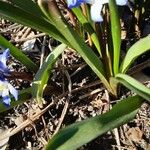
Scilla forbesii
Glory-of-the-snow · Asian spring bulb · Forbes' Squill · Forbes' Glory-of-the-snow · Glory of the snow
Description
Source: leafsnapScilla forbesii, a bulbous perennial plant in the Asparagaceae family, is native to the Mediterranean region, particularly Greece, Turkey, and Syria. This plant features bright green, narrow, strap-like leaves arranged in a basal rosette. The leaves typically measure 15-20 cm in length and about 1 cm in width. In early spring, Scilla forbesii produces clusters of small, bell-shaped flowers atop tall stems that can reach up to 30 cm in height. The flowers are most often blue or purple, but some varieties may display white or pink blossoms. Scilla forbesii thrives in well-drained soil with full sun exposure but can also tolerate partial shade. Once established, it is drought-tolerant but requires regular watering during its growing season. Because of its attractive foliage and colorful blooms, Scilla forbesii is a popular ornamental garden plant. Additionally, it attracts pollinators such as bees and butterflies, enhancing the garden's ecological diversity. Overall, Scilla forbesii is an easy-to-grow perennial that brings vibrant early spring blooms to any garden.
🌳 Glory of the snow has an important role in early spring ecosystems by supplying valuable nectar to pollinators, including bees and butterflies, when few other food sources are available. Its bright flowers attract these pollinating insects, supporting biodiversity. It can also act as an indicator species for changing climate patterns, since its flowering time is sensitive to temperature fluctuations.
Care Guide
💧 Water Every 7 days
Glory of the snow, a plant native to mountainous areas, thrives best with moderate moisture and well-balanced hydration and drainage. To support its vibrant blooms, it should be watered weekly, particularly during the spring growing season. While it is typically cultivated outdoors, glory of the snow can withstand short periods of dry conditions.
How frequently do I need to water my Glory of the snow plant?
If your Glory of the snow plant is in a pot, the most accurate way to determine if it needs water is by checking the soil. Simply stick your finger into the soil and if the top two to three inches feel dry, it's time to water. If you have planted your Glory of the snow outdoors in the ground, you can use a similar method to check the soil. Once the top few inches have dried out, it's a sign that watering is needed. Generally, during spring and early fall, watering once a week is sufficient. However, during extremely hot weather, watering may need to be increased to twice a week or more. It's worth noting that mature and well-established Glory of the snow plants have the remarkable ability to withstand periods of drought.
How should I water my Glory of the snow?
To ensure the health of the Glory of the snow plant, it's important to follow a few key steps. Firstly, it's recommended to use filtered water at room temperature. Tap water may contain harmful particles that can affect the plant's well-being. Additionally, as the Glory of the snow originates from a warm environment, it is ideal to avoid using cold water, which can be a shock to the plant's system. Another tip is to refrain from overhead watering to prevent complications with the foliage. Instead, it is suggested to gently apply the filtered room temperature water directly to the soil until it becomes completely soaked. This practice helps to moisten the roots, promote their spread, and facilitate nutrient absorption.
What should I do if I give my Glory of the snow plant too much water or too little water?
Both overwatering and underwatering can harm the health of your Glory of the snow, but overwatering is more common. Excessive water can cause wilting, yellowing of stems and leaves, and can even lead to diseases like root rot, mold, and mildew. Underwatering is less likely since this plant can tolerate drought, but it can still happen, resulting in brittle and brown leaves. It's important to be alert for signs of overwatering and take action promptly. Some diseases caused by overwatering, like root rot, may be irreversible if not addressed early. Reduce watering immediately if you notice early signs and consider replacing poorly-draining soil with a looser, well-draining potting mix. If you suspect underwatering, simply increase watering until signs improve.
How much water does my Glory of the snow plant need?
To properly water your Glory of the snow, don't hesitate to give it a generous amount. Make sure the top two to three inches of soil are dry before watering, and then give it a thorough soaking. You should add enough water for it to completely saturate the soil and flow through the drainage holes at the bottom of the pot. If you don't see excess water draining, you have likely not watered enough. However, be careful not to let water accumulate in the soil, as this can harm the plant. On the other hand, if water is not draining through the pot, it could indicate that the soil does not drain well, which is not good for the plant's health. If the plant is outside, it should receive about 1 inch of rain per week.
How should I water my Glory of the snow as it grows?
The water needs of the Glory of the snow can vary depending on its growth stages. When it is young or recently transplanted, it requires more water to support root growth. As it matures, it will require less water. Additionally, during the blooming period, it may need additional water to support flower development.
☀️ Light Full sun
Glory of the snow thrives in abundant light for much of the day while tolerating stretches of weaker rays. Native to areas with extensive sun exposure, this plant prospers in such conditions. Excessive light may not harm it, but inadequate light can impede its growth and overall health.
What are the sunlight requirements for Glory of the Snow?
Glory of the Snow thrives under specific sunlight conditions. It requires full sun, which means it needs more than 6 hours of sunlight daily to flourish. Alternatively, it can also do well in partial sun, receiving about 3-6 hours of sunlight. It is important to watch how sunlight moves through your garden and choose spots that provide the perfect balance of light and shade for your plants, ensuring their optimal growth and happiness.
What are the essentials for growing Glory of the Snow?
The essence of growing Glory of the Snow lies in its need for generous light for most of the day while being resilient enough to withstand periods of less intense rays. Originating from habitats that enjoy extensive sun exposure, this plant is quite adaptable. Although excessive light might not be damaging, a lack of sufficient light could significantly hinder its growth and overall health. For indoor plants, artificial lighting becomes crucial when natural sunlight is not adequate. Indoor spaces, especially during winter or areas with less sunlight, demand the use of artificial lights to promote healthy plant growth. LED lights are recommended due to their ability to provide specific wavelengths needed by the plants. Full sun plants require 30-50 watts per square foot of artificial light, partial sun plants need 20-30 watts per square foot, and full shade plants need 10-20 watts per square foot. The light source should be placed 12-36 inches above the plant to mimic natural sunlight as closely as possible, and most plants will need 8-12 hours of light per day.
What symptoms indicate Glory of the Snow is not getting enough light?
When Glory of the Snow is not receiving sufficient light, several symptoms can manifest. These include smaller new leaves compared to previous ones, leggy or sparse growth due to elongated spaces between leaves or stems, early leaf drop as a conservation measure, slower or halted new growth as the plant goes into survival mode, lighter-colored new leaves due to a lack of chlorophyll and nutrients, chlorosis which causes leaves to lose their green color and turn yellow, and symptoms of excessive sunlight like sunscald, leaf curling, wilting, and leaf scorching. These signs serve as indicators that the plant's lighting conditions need to be adjusted to meet its requirements for optimal growth.
How can I address light-related issues with Glory of the Snow?
To address light-related issues with Glory of the Snow, you can take several approaches depending on where the plant is located. For indoor plants, gradually move them to sunnier locations each week until they receive at least 6 hours of direct sunlight daily, using a south-facing window for maximum exposure. If moving the plant is not feasible, consider using artificial lights for at least 8 hours daily. For outdoor plants, gradually acclimate them to brighter areas to avoid sunburn, and for both scenarios, parts of the plant affected by insufficient sunlight may not recover, but new growth will be healthy post-adjustment. Additionally, minimizing obstructions like pruning trees can help outdoor plants receive more sunlight. For smaller plants that can be moved, consider transplanting them during their dormant period to a location with ample sunlight and good drainage to promote healthier growth.
🌡️ Temperature 5–35°C
Glory of the snow is native to temperate regions and requires temperatures of 41 to 95 °F (5 to 35 °C). It prefers spring and does best then, so heat levels should be carefully monitored and adjusted during hot summer houses or cold winter months.
What is the ideal climate for Glory of the Snow?
Glory of the Snow, botanically known as Scilla forbesii, thrives in temperate climate regions. It requires temperatures ranging from 41 to 95°F (5 to 35°C), with a preference for spring conditions. Although it possesses strong cold resistance and usually doesn't need special frost protection, in exceptionally cold winters where temperatures are expected to drop below -30°C, protective measures should be taken. This can involve covering the plant with soil or straw and ensuring the soil is moist before the first freeze of autumn to support it through winter and early spring.
How does Glory of the Snow react to extreme temperatures?
Glory of the Snow is cold-tolerant, favoring temperatures above 5°C and able to withstand winter temperatures above -25°C. However, exposure to temperatures below -30°C might not show immediate damage but can lead to reduced or absent sprouting in spring. In such cases, removing unsprouted parts is advised. Conversely, during hot summers, it should be kept below 35°C as temperatures above 38°C can cause leaves to lighten in color, curl, and in severe cases, the plant may wilt and dry up. To mitigate high temperature damage, remove sunburned or dried parts, provide shading during peak sun hours, and ensure the soil stays moist with morning and evening watering.
💨 Humidity
🪴 Soil 6-7
🌱 Fertilizer
The best time to fertilize a Glory of the snow is in early spring, as it comes out of dormancy and begins active growth. Fertilization supplies essential nutrients for healthy development. Although Glory of the snow has fairly low fertilization needs, applying fertilizer annually can improve its survival and encourage better, longer-lasting blooms.
Why should I put fertilizer on my Glory of the Snow plant?
Fertilization is important for the Glory of the snow and other plants because it provides essential nutrients for growth. The fertilization needs of the Glory of the snow are relatively low, and sometimes the plant can survive without fertilization. However, annual fertilization can greatly benefit the plant, as it helps keep it alive and promotes the development of better and longer-lasting flowers. Therefore, those who want their Glory of the snow to look its best should regularly fertilize it.
When should I fertilize my Glory of the snow?
The best time to fertilize a Glory of the snow is in late winter to early spring when it is transitioning from dormancy to active growth. Fertilizing during this time promotes healthy growth and sets the plant up for a successful season. Although early spring is the most ideal, you can also fertilize in the fall if needed. However, it is not recommended to fertilize in the summer or winter.
When is the best time to not fertilize my Glory of the snow?
To properly care for Glory of the snow, it is important to understand when and when not to fertilize. This plant only requires fertilization during late winter and early spring with a single annual feeding. Fertilizing during spring, summer, and fall can lead to overfertilization, so it is best to avoid it. The exception is if you missed fertilizing in spring, then you can fertilize in the fall. Furthermore, there is no need to fertilize during winter as this plant is dormant and does not experience new growth.
What kind of fertilizer should I use for my Glory of the snow?
To take good care of a Glory of the snow plant, you can use any general-purpose fertilizer that contains a balanced amount of the three main plant nutrients. However, there are specific nutrient blends that are even more beneficial. Many gardeners believe that higher levels of phosphorus result in stronger roots and better flowers, which is important for a flowering plant like the Glory of the snow. You can choose either granular or liquid fertilizer, as long as it is rich in nutrients. Additionally, you can improve the soil for your Glory of the snow by using organic methods such as compost, manure, and similar materials. These natural additives will contribute to creating a healthier growing environment.
How do I make my Glory of the snow grow better?
To fertilize a Glory of the snow, the most common method is to use granular or pellet fertilizer. The best time to fertilize is when the plant is transitioning from its dormant phase to active growth, usually in early spring when shoots begin to emerge. If you prefer liquid fertilizer, dilute it with water before applying. Regardless of the fertilizer type, it's important to moisten the soil before, during, and after fertilizing.
🪴 Pot & Repot
✂️ Pruning
Glory of the Snow is a bulbous perennial known for its blue star-shaped flowers that blossom in the spring. To maintain its health and enhance its beauty, prune the plant from early to late spring after the flowers have bloomed. You should remove any spent blooms and yellowing leaves while leaving the green leaves intact, as these are necessary for storing nutrients. This careful pruning helps promote the plant's vigor and enhances its ornamental appeal.
🌿 Propagating
🐛 Diseases & pets
☠️ Toxicity
Characteristics
- Plant Type
- Herb
- Life Cycle
- Perennial
- Genus
- Scilla
- Family
- Asparagaceae
- Hardiness Zone
- 4-9
- Mature Height
- 15 cm to 30 cm
- Mature Spread
- 20 cm
- Leaf Color
- Green
- Leaf Type
- Deciduous
- Flower Color
- Blue
- Flower Size
- 2.54 cm
- Bloom Time
- Early spring, Mid spring
- Planting Time
- Spring, Summer
- Harvest Time
- Mid spring, Late spring
- Native Area
- Turkey