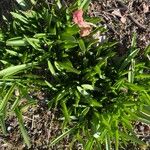
Scilla siberica
Siberian squill · Wood squill · Squill
Description
Source: leafsnapScilla siberica, the Siberian squill or wood squill, is a species of flowering plant in the family Asparagaceae, native to southwestern Russia, the Caucasus, and Turkey. Despite its name, it is not native to Siberia.
🌳 Siberian squill not only announces spring with its vivid blue flowers, but its small bulbs also hide a kind of resilience. These bulbs act as nutrient stores, allowing the plant to survive harsh conditions. Additional research into these robust bulbs could uncover natural growth stimulants, providing guidance for breeding crops capable of withstanding the impacts of climate change.
🎭 Loyalty, faithfulness and steadfastness
Care Guide
💧 Water
Siberian squill flourishes in moist, well-drained soil and needs regular watering to grow optimally. Watering once a week helps maintain its health, particularly when the soil begins to warm in early spring. Although this hardy plant is usually cultivated outdoors, it displays stunning blooms when properly hydrated.
What should I do if I give my Siberian squill too much or too little water?
Overwatering the Siberian squill can easily happen, but it doesn't need much water to begin with. This can lead to bulb rot, which shows symptoms such as mushiness in the bulb, flopping stems with spots, droopy flowers, and yellowed stalks. While yellow leaves are normal after the blooming period, if they turn yellow before the flowers have bloomed, it's a sign of overwatering. Unfortunately, bulb rot can't be reversed, but if caught early, you should dig up the bulb, remove the rotten parts, and replace the soil. If in a pot, disinfect it and any tools used to prevent the spread of fungus. For outdoor plants, relocate them. Underwatering is less of an issue, but signs include no blooms, sagging stalks, and browning around the edges of the petals. If you've underwatered, don't panic. The Siberian squill can tolerate drought to some extent. Give it a good drink without saturating the soil, ensuring it's moist. However, be cautious not to overwater, as extended periods in water can lead to root rot and fungus growth. This is noticeable through spots on leaves and buds, as well as discolored and dying leaf tips.
How frequently should I give water to my Siberian squill?
Siberian squill is a low-maintenance plant that can be grown in a pot or directly in the ground. It thrives best in the hottest and brightest part of your garden. However, be cautious not to overwater the plant as it is susceptible to bulb rot. After planting, give it a thorough watering to kickstart its growth, and then allow it to be until shoots start to appear. To ensure ideal moisture levels, check the soil after new leaves have grown by inserting your finger about 2-3 inches below the surface. If the soil is still wet, there is no need to water. For potted plants, also check the water collection tray for standing water. If there is any, avoid watering. For a more precise reading, utilize a moisture sensor inserted 2-3 inches into the soil, aiming for a reading in the middle of the 'moist' category. Watering once per week is recommended for Siberian squill.
How should I change how often I water my Siberian squill based on different conditions?
The Siberian squill is a hardy plant that can survive in different harsh conditions. When planting outdoors, you can rely on natural watering. It doesn't need much water and can survive even in long periods of drought. Just make sure the soil has good drainage. However, when planting in pots, be cautious with watering. Overwatering can cause bulb rot. Water less for potted plants and ensure proper drainage holes. Use high-quality, well-drained soil, and add sand or rocks for better drainage. During the growing phase, you can water the Siberian squill about one inch per week to encourage blooming. Adjust the watering based on humidity and temperature. In hot and dry climates, the water will evaporate faster, so you may need to water more frequently. In humid climates, less watering may be needed. Always check the soil moisture to avoid excessive wetness. Ideally, these plants prefer well-drained and moist soil.
☀️ Light Full sun
Siberian squill does best in strong sunlight but can also cope in places with less sun. Sunlight positively affects its growth and health. Insufficient sun can reduce its vigor, while too much sun does not harm it.
What are the sunlight requirements for Siberian squill?
Siberian squill requires various levels of sunlight to thrive. It needs full sun, which is above 6 hours of direct sunlight daily, to ensure its health and vigorous growth. Additionally, it can grow well in partial sun, with about 3-6 hours of sunlight. It’s essential to observe the sunlight patterns in your garden to find spots that offer the right balance of light and shade for the plants. This careful placement ensures the plants receive the optimal conditions for growth, enhancing their overall health and happiness.
How does sun exposure affect Siberian squill?
Siberian squill thrives under intense sunlight but can also manage well in areas with less abundant sun exposure. Sunlight significantly influences its growth and vitality. Adequate sun exposure is crucial as insufficient sunlight can weaken the plant. However, Siberian squill is somewhat resilient to excess sunlight, showing that it has a good tolerance range for light exposure. For indoor plants, when natural light is insufficient, especially during winter or in spaces that do not get much sunlight, artificial lighting can be a vital solution. It’s important to select the right type of artificial light, like LED, and ensure proper wattage, distance from the plant, and duration of exposure.
What symptoms indicate light deficiency in Siberian squill?
Siberian squill displays several symptoms when it does not receive adequate light. These include smaller new leaves, leggy or sparse growth, quicker leaf drop, delayed or halted growth, paler new leaves, chlorosis (yellowing leaves), and signs of stress from excessive sunlight like sunscald, leaf curling, wilting, and leaf scorching. These symptoms help identify when the plant is not in an optimal lighting condition, whether it's too little or too much light, allowing for adjustments to better meet the plant's needs.
How can I address and prevent light deficiency symptoms in Siberian squill?
To address and prevent light deficiency in Siberian squill, consider gradually moving your plants to locations with more sunlight until they receive at least 6 hours of direct sunlight daily. For indoor plants, using a south-facing window or providing additional artificial light can be beneficial. For outdoor plants, avoid sudden changes in light intensity to prevent sunburn. Observing and reducing obstructions that block sunlight, such as pruning trees, can help. If necessary, transplant smaller plants during their dormant period to a location with better sunlight and drainage, ensuring the healthiest growth for new development.
🌡️ Temperature 10–32.2°C
The siberian squill prefers temperatures from 50 to 90℉ (10 to 32℃) and naturally grows in cool to mild climates. In spring it adapts well to cooler conditions and can tolerate frost. It may, however, struggle with hotter weather in summer. In the fall it again favors cooler temperatures and can endure light frost.
What temperature conditions are best for Siberian squill?
Siberian squill thrives in temperatures ranging from 50 to 90°F (10 to 32°C), flourishing in environments with cool to mild climates. It adjusts well to cooler temperatures during spring and can tolerate frost, but may encounter difficulties in hotter summer temperatures. In fall, it again favors cooler climates and can handle light frost. This plant has strong cold resistance, needing no special frost protection in winter, though precautions should be taken if temperatures are expected to drop below its growth limit by covering it with soil or straw and watering abundantly before the first freeze.
How does Siberian squill react to low temperatures?
Siberian squill is notably cold-tolerant and performs best when temperatures are kept above its minimum suitable growth temperature. During the winter, it is important to ensure that the temperature does not fall below its tolerable growing minimum. If temperatures drop below its growth limit, there might not be immediate visible damage during winter, but there could be reduced or absent sprouting in spring. In the event of springtime non-sprouting, it is advisable to remove any parts of the plant that have failed to sprout to promote health and growth.
How should I care for Siberian squill in high temperatures?
During the summer, it is crucial to maintain Siberian squill's environment below its maximum suitable growth temperature. Exceeding its tolerable growing maximum can cause the leaves to lighten in color, become prone to curling, suffer from sunburn, and in severe cases, lead to the entire plant wilting and drying out. To manage high temperatures, trim away the sunburned and dried-up parts of the plant, relocate it to a shaded area, or use shade cloth to protect it from intense midday and afternoon sun. Ensuring the soil is moistened by watering the plant in the morning and evening is also beneficial.
💨 Humidity
🪴 Soil 6-7
🌱 Fertilizer
Typically, one fertilizer application in spring suffices for Siberian squill, though multiple feedings can optimize growth. Apply every month to six weeks. Fertilization improves leaf appearance and function, helping maintain uniform color and a healthy texture. It also promotes root development and nutrient uptake for long-term plant health.
Why is it important to use fertilizer on my Siberian squill?
The main structure of the Siberian squill is made up of its leaves. Fertilization is a crucial way to ensure that the leaves look great and perform their function effectively. Proper fertilization helps maintain consistent color and a healthy texture in the leaves. It also works below the soil, promoting the growth of new roots and maintaining the existing root system. This means that fertilizing your plant not only keeps it healthy in the present but also helps it absorb soil nutrients more efficiently in the long run.
When should I put fertilizer on my Siberian squill?
If you grow Siberian squill outdoors, it will send new growth in early spring, indicating it is time to fertilize. Usually, one application of fertilizer in the spring is enough, but if you want maximum growth, you can feed it multiple times throughout the spring and early summer, about once every month to a month and a half.
When is not a good time to add fertilizer to my Siberian squill?
During the late fall and winter, your Siberian squill goes into a dormant phase where it stops growing. It's best not to fertilize it during this time. In the spring and summer, if you choose to fertilize, start reducing the amount as summer approaches because the growth rate slows down. Avoid fertilizing when the weather is unusually hot or the soil is extremely dry as it can stress and cause your Siberian squill to die prematurely.
What kind of fertilizer does my Siberian squill plant need?
Choosing the best fertilizer for a Siberian squill is an easy task. These plants thrive on a general-purpose garden fertilizer with equal amounts of nitrogen, phosphorus, and potassium. A ratio of 10-10-10 or something similar works well. Avoid fertilizers with high nitrogen levels if unsure. Granular fertilizers that are slow-release are most effective. Applying them to the soil is simple. Additionally, feeding the Siberian squill with organic compost is beneficial.
How should I give nutrients to my Siberian squill?
To ensure the best growth for your Siberian squill, wait until its first leaves emerge in early spring. Once you spot these leaves, apply a slow-release fertilizer with a balanced formula to the soil surrounding the base of the plant. You can repeat this process later in the season if desired. When reapplying fertilizer, remember to focus on the soil at the base of the plant, not the plant itself. Sometimes, you may need to move some leaves to access the soil above the roots. It's also a good idea to water your Siberian squill before and after feeding it.
🪴 Pot & Repot Every 12 months
Repot Siberian squill in early spring. Pick a pot that is wider than it is deep and provides good drainage. Use a loamy, well-draining potting mix enriched with compost. Carefully remove old soil from the bulb and plant it at a depth equal to the bulb's height. Water thoroughly after repotting and place the pot in a sunny spot. Avoid overwatering to prevent the bulb from rotting.
✂️ Pruning
Siberian squill is a low-growing, bulbous perennial known for its vibrant blue flowers. To encourage new growth and remove any damaged parts, prune the plant in early spring after it has finished flowering. Be sure to avoid heavy pruning, as it's important to keep enough foliage for energy storage. Maintaining this foliage also helps improve air circulation and reduces the risk of disease.
🌿 Propagating
🐛 Diseases & pets
☠️ Toxicity
Characteristics
- Plant Type
- Herb
- Life Cycle
- Perennial
- Genus
- Scilla
- Family
- Asparagaceae
- Hardiness Zone
- 6-8
- Mature Height
- 10 cm to 20 cm
- Mature Spread
- 5 cm
- Leaf Color
- Green
- Leaf Type
- Deciduous
- Flower Color
- Blue
- Flower Size
- 2.54 cm
- Bloom Time
- Early spring, Mid spring
- Planting Time
- Spring
- Harvest Time
- Mid spring, Late spring
- Native Area
- Russia, Iraq, Turkey, Iran, Armenia, Azerbaijan, Ukraine