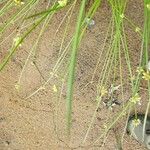
Scirpoides holoschoenus
Round-headed Club-rush · Roundhead bulrush · Round-head club-rush · Clustered Club-Rush · Clustered clubrush
Description
Source: leafsnapScirpoides holoschoenus, commonly known as round-headed club-rush, is a perennial herbaceous plant belonging to the Cyperaceae family. Native to Europe and Asia, this plant thrives in wetlands, marshes, and along the edges of ponds and streams. The plant features a distinctive round head of brownish spikelets that bloom between June and August. Its stem is triangular in shape, accompanied by narrow, grass-like leaves. The roots are fibrous and spread horizontally through rhizomes. Round-headed club-rush plays a crucial role in wetland ecosystems. It helps stabilize soil erosion along waterways and provides habitats for various aquatic animals, including fish, amphibians, insects, and birds. Historically, indigenous people have used the plant for its anti-inflammatory properties, and some cultures have also consumed it as a food source. Overall, Scirpoides holoschoenus is significant both ecologically and culturally. Its unique characteristics make it well-suited to wetland environments, offering benefits such as erosion control and medicinal properties.
Care Guide
💧 Water Every 7 days
Roundhead bulrush flourishes in consistently moist environments, true to its wetland origins. To maintain proper soil hydration, it should be watered twice a week. Ideally, this plant is best grown outdoors, where natural rainwater and humidity can mimic the conditions of its native habitat.
What do I need to do if I give my Roundhead bulrush too much water or too little water?
Proper watering is essential for the health and performance of this beautiful ornamental grass. When planted in the ground, any watering issues can be resolved. However, when the grass is grown in a container, it is crucial to avoid excessive or insufficient watering, as either can quickly cause the Roundhead bulrush to die. When the grass does not receive the correct amount of water, its growth may halt. Overwatering leads to yellow leaves with brown tips, while underwatering results in drooping leaves, poor seed head production, and browned leaves. If you suspect that your Roundhead bulrush has been watered improperly, the first step is to determine if it is receiving too much or too little water. In the case of excessive watering, cease watering immediately. It may take several weeks for heavy soils to dry out, so patience is necessary. Once new growth appears, test the soil moisture and decide if more water is necessary. On the other hand, if the grass is not receiving enough water, simply give it a good, deep drink and observe if it improves. In all cases, it is important to remember that a long, deep watering is more beneficial than frequent shallow waterings. This is because deep watering promotes the growth of deep roots, enhancing drought resistance and reducing watering-related problems.
How often do I need to water my Roundhead bulrush?
The watering needs of Roundhead bulrush vary depending on where it is planted. Generally, watering once a week is recommended. However, in hotter climates, watering once or twice a week during the summer may be necessary. In moderate climates, watering once every seven days or more may be sufficient. It is important to note that grass in containers require more frequent watering than grass planted in the ground. Additionally, the location of the grass also plays a role in watering frequency, with shaded grasses requiring less watering compared to in-ground grasses. Roundhead bulrush should only be watered when the soil is dry. To determine if the soil is dry, you can press your finger a couple of inches into the soil. For potted grass, you can also weigh the grass with a portable scale or simply feel the weight of the pot to determine if it needs water. Lack of sufficient water may cause the blades of the grass to appear folded along their centers and thinner than usual. Despite its drought tolerance, regular and deep waterings will result in a beautiful color. In its natural habitat, Roundhead bulrush grows in open scrubland, where it is exposed to extreme heat, bright sun, and intermittent rain. Although this grass is drought resistant, it still requires care and attention. Gardeners agree that consistent watering is beneficial for Roundhead bulrush, despite its hardiness. During the initial planting stage, Roundhead bulrush will need more frequent watering until it establishes deep roots. For potted grass, the soil tends to dry out quickly, especially if the pot is placed in hot, direct sun for a significant part of the day. It is recommended to test the soil every 3 to 4 days and water only when it feels dry. In-ground Roundhead bulrush generally requires less watering, but this may vary depending on the type of soil. Heavy clay soil retains water for a longer duration and may feel dry at the surface while still having sufficient moisture below the ground. On the other hand, sandy soils that drain quickly will require more frequent watering.
What do I need to watch out for when watering my Roundhead bulrush in different seasons, climates, or during different stages of growth?
To determine if you are watering adequately, observe the rate at which your grasses grow. The Roundhead bulrush, for example, can double in size within a year, particularly during the hottest months. If the weather is hot but the grass is not growing vigorously, you may need to adjust your watering schedule. In winter, watering once a month might be sufficient, but always check the soil for moisture. During the warmest months, when the grass is in a growth cycle, it will require more water. However, during winter and cooler months, the need for water will significantly decrease. Remember to always let the soil for Roundhead bulrush dry completely before adding water.
☀️ Light Full sun
Roundhead bulrush thrives with ample sunlight throughout its stages of growth, since its native habitat is typically rich in light. Lacking the required amount of light can impair its overall health, while an excess of light generally does not cause problems. Additionally, it does not require any shade to survive.
What are the sunlight requirements for Roundhead bulrush?
Roundhead bulrush thrives in environments with abundant sunlight, benefiting from more than 6 hours of sunlight daily to maintain its health and growth. Although it can handle varying amounts of light, not meeting this requirement can adversely affect its overall well-being. However, it's worth noting that Roundhead bulrush does not specifically need shade to survive. Observing how sunlight moves through your garden will help you select the ideal locations that provide a balance of light and shade to ensure your plants' happiness.
How can artificial lighting be utilized for Roundhead bulrush?
When natural sunlight is not sufficient, especially during the winter or in less sunny spaces, artificial lighting becomes essential for the growth of indoor Roundhead bulrush plants. LED lights are recommended due to their ability to be customized for the specific needs of plants, providing the required wavelengths of light. Full sun plants should receive 30-50W per square foot, partial sun plants 20-30W per square foot, and full shade plants 10-20W per square foot. The artificial light source should be placed 12-36 inches above the plant, mimicking the natural daylight duration, usually 8-12 hours per day, depending on the plant species.
What are the symptoms of inadequate lighting for Roundhead bulrush?
Symptoms of insufficient lighting in Roundhead bulrush include smaller new leaves, leggy or sparse growth, faster leaf drop, slower or halted growth, lighter-colored new leaves, chlorosis, sunscald, leaf curling, wilting, and leaf scorching. These symptoms manifest as a result of the plant receiving less light than it requires, affecting its ability to photosynthesize and maintain health.
What solutions are available for Roundhead bulrush suffering from inadequate sunlight?
For Roundhead bulrush facing inadequate sunlight, consider gradually moving plants to sunnier locations until they get at least 6 hours of direct sunlight daily. Use a south-facing window for indoor plants and keep curtains open during daylight. Artificial lighting, such as desk lamps or professional grow lights, can provide extra light, especially for large or immobile plants. Outdoor plants should also be moved gradually to avoid sunburn. If natural obstructions block sunlight, consider pruning or relocating smaller plants to sunnier spots. It's important to note that while parts of the plant affected by low light may not recover, new growth will be healthy once the light conditions improve.
🌡️ Temperature 10–35°C
Roundhead bulrush is a plant indigenous to climates where temperatures commonly range from 50 to 95 °F (10 to 35 ℃). Tolerant of some variation, it does best within that temperature range. During seasonal shifts, its environment should be adjusted to keep these preferred temperatures.
What is the native climate for Roundhead bulrush?
Roundhead bulrush, scientifically known as Scirpoides holoschoenus, thrives in climates where temperatures generally range between 50 to 95 °F (10 to 35 °C). The plant is adaptable but prefers this temperature window, allowing for adjustments depending on the season to maintain these optimal conditions. Despite its strong resistance to cold, specific measures should be taken if winter temperatures are expected to drop below -25°C to protect the plant.
How can Roundhead bulrush be protected during winter?
To protect Roundhead bulrush during winters where temperatures might fall below -25°C, it's crucial to provide cold protection. This can involve covering the plant with insulating materials like soil or straw. Additionally, watering the plant abundantly before the first freeze of the autumn is recommended. This approach ensures the soil remains moist and enters a frozen state, which helps prevent drought and water scarcity for the plant throughout the winter and into early spring.
What are the signs of low temperature stress in Roundhead bulrush and how can it be managed?
Roundhead bulrush exhibits a high tolerance to cold, preferring temperatures above 10°C. If temperatures drop below -15°C, it usually endures well, but prolonged exposure to temperatures below -25°C can result in a lack of sprouting or decreased sprouting in spring. The plants show no immediate signs of damage during winter under such conditions. To manage this issue, any parts of the plant that have failed to sprout by spring should be removed.
How does high temperature affect Roundhead bulrush and what are the solutions?
When the temperature soars above 35°C during summer, Roundhead bulrush may experience stress. Symptoms include the leaves turning lighter in color, curling, becoming prone to sunburn, and in severe cases, the entire plant may wilt and dry out. To combat this, trimming away sunburned and dried parts is advisable. Relocating the plant to a shadier spot or employing a shade cloth to protect it from intense midday and afternoon sun helps. Moreover, ensuring the plant is watered in the early morning and evening will keep the soil adequately moist.
💨 Humidity
🪴 Soil
🌱 Fertilizer
To promote the growth of roundhead bulrush and improve soil fertility, apply a 2-inch layer of mulch or compost at the beginning of the growing season. Avoid using high-nitrogen fertilizers, as they can hinder flowering. Keep an eye on environmental changes and adjust fertilization as needed. Be cautious of over-fertilizing, as it can upset the natural balance of the roundhead bulrush's habitat.
Why should I put fertilizer on my Roundhead bulrush plant?
Fertilizing Roundhead bulrush is crucial for multiple reasons. Firstly, your plant requires additional nutrients to promote healthy new growth. Secondly, the presence of these extra nutrients helps maintain the well-being of older growth and aids in defending the plant against diseases and pests.
When should I fertilize my Roundhead bulrush plant?
To ensure the survival of Roundhead bulrush in your garden, it's important to understand when to fertilize. Unlike other plants, it doesn't need a lot of nutrients when it's dying back. While you can use diluted fertilizer at the beginning of the growing season, it is not advisable. Instead, opt for mulch or compost around the plant's base.
When is it not a good idea to fertilize my Roundhead bulrush?
If you don't use packaged fertilizers, you don't need to worry about when to stop feeding Roundhead bulrush. Simply adding a layer of compost or mulch in the spring will suffice to keep the plant happy for the whole year. No need to be concerned about mulching or composting during the plant's dormant period in winter.
What kind of fertilizer does my Roundhead bulrush plant need?
You don't have to hurry to the garden center to buy fertilizer for Roundhead bulrush. This plant doesn't need extra nutrients. Instead, you can use compost in the spring to provide it with the necessary nutrients. Additionally, if you mulch your garden every year, the bark will also keep your plant well-fed and happy.
How should I fertilize my Roundhead bulrush plant?
The steps for Roundhead bulrush are the same, whether you use mulch or compost. Start by putting down a layer of the chosen material, making sure to cover the plant's base. If you decide to use both mulch and compost, reduce the amount of compost you use. Adding mulch has two benefits - it helps the soil retain moisture and provides nourishment for your plant.
🪴 Pot & Repot
✂️ Pruning
To encourage healthy growth, prune Roundhead bulrush early in the spring. Cut dead stems close to the base and thin out dense clumps to improve air circulation, which helps reduce the risk of disease. Be careful not to over-prune, as this can affect blooming. Adjust your pruning techniques according to local conditions to achieve the best results.
🌿 Propagating
🐛 Diseases & pets
☠️ Toxicity
Characteristics
- Plant Type
- Grass
- Life Cycle
- Perennial
- Genus
- Scirpoides
- Family
- Cyperaceae
- Hardiness Zone
- 6-9
- Mature Height
- 91 cm
- Mature Spread
- 49 cm
- Leaf Color
- Green
- Leaf Type
- Semi-evergreen
- Flower Color
- Brown, Yellow, Green
- Flower Size
- 0.25 cm to 0.51 cm
- Bloom Time
- Summer
- Planting Time
- Spring, Autumn
- Harvest Time
- Late summer, Early fall, Mid fall