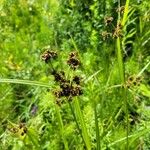
Scirpus atrovirens
Black bulrush · Dark-Green Bulrush · Green bulrush · Wool bulrush
Description
Source: leafsnapScirpus atrovirens, known as dark-green bulrush, is a perennial sedge native to wetlands of eastern Canada and the United States. It is sometimes called dark green bulsedge, black bulrush, or green bulrush.It was first formally named by Carl Ludwig Willdenow in 1809.Scirpus atrovirens grows in a wide variety of wetland habitats, typically in sunny areas rather than shady. It can be found in wet meadows and shrubby thickets, openings in swamps, marshes, shorelines, as well as roadside ditches. The plant can grow up to five feet tall, and thrives in hardiness zones 3–9.It is closely related to Scirpus hattorianus and Scirpus georgianus, with mature fruits necessary for accurate identification.
🎭 Submissiveness
Care Guide
💧 Water Every 3 days
Green bulrush thrives in its native wetland habitats, preferring wet soils and requiring consistent moisture and weekly watering. This aquatic plant is beneficial in riparian zones and areas with seasonal water changes, as it stabilizes the soil and provides habitat. Its ability to adapt to fluctuating water levels makes it particularly valuable in these environments.
What do I do if I give my Green bulrush plant too much or too little water?
Proper watering is crucial for the performance of this beautiful ornamental grass. In the ground, watering issues can be resolved, but in a container, too much or too little water can quickly cause the Green bulrush to die. If the Green bulrush is not receiving the right amount of water, it may stop growing. Overwatering can lead to yellow leaves with brown tips, while underwatering can cause drooping leaves, weak seed head production, and browned leaves. If you suspect improper watering, first determine if there is too much or too little water. If there is too much water, stop watering immediately and wait for the soil to dry out. When new growth appears, test the soil for moisture and decide if more water is needed. For Green bulrush receiving too little water, simply give it a deep drink and observe if it improves. It is important to remember that long, deep watering is better than shallow, frequent waterings. This encourages deep root growth, making the grass more resistant to drought and less susceptible to watering issues.
How often do I need to water my Green bulrush?
The watering needs of Green bulrush vary depending on its planting location. Generally, it should be watered every week. In hot climates, watering once or twice a week during the summer may be necessary. In moderate climates, watering once every seven days or more may be enough. Grass in containers typically requires more frequent watering compared to those in the ground. However, the location also plays a role, as shaded grasses require less frequent watering than grasses in the ground, considering that Green bulrush can thrive in both full sun or part shade environments. When watering Green bulrush, it should only be done when the soil is dry. To determine if the soil is dry, you can press your finger a couple of inches into the soil or weigh the pot if it is potted grass. Signs such as folded blades and thinner appearance indicate insufficient water for the roots. Despite its drought tolerance, regular, deep waterings will result in a beautiful color. In the wild, Green bulrush grows in open scrubland, experiencing extreme heat, bright sun, and intermittent rain. Although this grass is drought resistant, it still requires care and attention. Consistent watering is beneficial for its growth, even in harsh, dry conditions. During the establishment phase, Green bulrush needs more frequent watering until it develops deep roots. Potted Green bulrush, especially when exposed to hot, direct sun, dries out quickly, necessitating checking the soil every 3 to 4 days and watering when it feels dry. Green bulrush in the ground generally requires less watering, depending on the soil type. Clay soil may appear dry at the surface while retaining moisture below, while sandy soils that drain quickly may need more frequent watering.
What should I watch out for when I water my Green bulrush in different seasons, climates, or during different growing periods?
To determine if you are watering enough, observe the rate of growth of your grass. During the hottest months, Green bulrush can double in size in a year. If the weather is hot but the grass is not growing vigorously, adjust your watering schedule. In winter, you may only need to water once a month, but always check the soil for moisture. During the growth cycle in the warmest months, the grass requires more water. However, during winter and cooler months, the water needs are significantly lower. Remember to let the soil dry out completely before watering Green bulrush.
☀️ Light Full sun
Green bulrush strongly prefers locations that receive steady light all day, though it can tolerate spots with a mix of sun and shade. If it is deprived of adequate sunlight for extended periods, it may wilt or show discoloration, because its native habitat is generally noticeably sunny.
What are the sunlight requirements for Green bulrush?
Green bulrush flourishes in areas that receive full sun, which means above 6 hours of sunlight daily, but it can also adapt to partial sun, around 3-6 hours of sunlight. It's vital to observe the movement of sunlight through your garden to find spots that offer a mix of light and shade, ensuring the plants' needs are met adequately. This strategy helps maintain the plants' health and happiness by providing the right balance of exposure.
How does Green bulrush respond to different lighting conditions?
Green bulrush has a strong affinity for continuous light throughout the day, signifying its preference for brightly lit environments. However, it's capable of enduring varying degrees of shade. In scenarios where it's deprived of sufficient sunlight, symptoms such as wilting or discoloration may manifest, attesting to its need for ample light, characteristic of its native, sunny habitats.
What should I know about using artificial lighting for indoor plants?
For indoor plants like Green bulrush, artificial lighting can be crucial, especially when natural sunlight is scarce. LEDs are recommended because they can be tailored to provide specific light wavelengths. For full sun plants, 30-50W per square foot is ideal; partial sun plants require 20-30W, and full shade plants need 10-20W. Position the light 12-36 inches above the plant, mimicking natural light as closely as possible, and keep it on for 8-12 hours daily to ensure optimal growth.
What are the symptoms of light deficiency in Green bulrush?
Symptoms of inadequate lighting in Green bulrush include smaller new leaves, leggy or sparse growth, premature leaf drop, halted growth, lighter-colored or pale new leaves, and specific symptoms like chlorosis, sunscald, leaf curling, wilting, and leaf scorching. These signs indicate that the plant is not receiving enough light, which is crucial for its photosynthesis process and overall health.
How do I address light deficiency in Green bulrush?
To combat light deficiency, gradually relocate your plants to sunnier spots to ensure they receive at least 6 hours of direct sunlight daily. For indoor plants, consider using a south-facing window or artificial lights for a minimum of 8 hours a day. Outdoors, it's essential to adjust plants gradually to brighter conditions. Removing obstacles like overhanging branches can help increase sun exposure. If plants are small enough, consider transplanting them during their dormant period to a location with better light access and drainage. Please note that parts of the plant damaged by insufficient light may not recover, but new growth should be healthy with improved lighting.
🌡️ Temperature 0–35°C
Green bulrush is a species native to temperate regions, prospering at temperatures from 32 to 95 °F (0 to 35 ℃). In colder months, consider insulating its surroundings to regulate temperatures for optimal growth.
What temperatures are ideal for the growth of Green bulrush?
Green bulrush, scientifically known as Scirpus atrovirens, flourishes in temperate climates with temperatures ranging from 32°F to 95°F (0°C to 35°C). For optimal growth, it's crucial to maintain this temperature range. During colder months, the plant demonstrates strong resistance to cold, making special frost protection measures generally unnecessary. However, in regions where winter temperatures may plummet below -35°C, taking steps to insulate the plant's environment is advisable.
How should Green bulrush be protected during winter?
To protect Green bulrush in winter, especially when temperatures are forecasted to drop below -35°C, you can employ strategies such as covering the plant with insulating materials like soil or straw. Additionally, watering the plant abundantly before the first freeze of autumn is recommended. This practice ensures the soil remains moist and enters a frozen state, which helps in preventing drought and water scarcity for the plant during the colder months.
What are the signs of temperature stress in Green bulrush?
Green bulrush shows different symptoms based on whether it experiences low or high temperatures. At temperatures below -35°C, there might not be visible changes during winter, but the plant may exhibit reduced sprouting or no sprouting at all in spring. On the other hand, in conditions where the temperature exceeds 38°C, symptoms include lighter-colored leaves prone to curling, susceptibility to sunburn, and, in severe cases, wilting and drying of the entire plant.
How can Green bulrush be cared for in response to temperature stress?
For Green bulrush exposed to low temperatures resulting in decreased or no sprouting in spring, removing any unsprouted parts is advised. Whereas, for plants stressed by high temperatures, trimming away sunburned and dried-up portions is recommended. Moreover, relocating the plant to a shaded area or utilizing a shade cloth to guard against the midday and afternoon sun can mitigate the risk of further damage. Ensuring the soil remains moist through morning and evening watering routines is also beneficial.
💨 Humidity
🪴 Soil
🌱 Fertilizer
Enhancing the growth of green bulrush can be effectively achieved by fertilizing it with mulch or compost each year. To do this, apply a thin layer of mulch or compost in early spring or fall, making sure to keep it away from the stems. Adjust the amount you use based on the size of the plant and the quality of the soil, and stick to using simple organic matter. Compost, in particular, helps improve the green bulrush's ability to tolerate water, which is essential for this wetland species.
🪴 Pot & Repot
✂️ Pruning
Green bulrush is a resilient, grass-like plant known for its dense growth and dark green stems. To promote healthy growth, enhance air circulation, and remove any damaged parts, it is best to prune the plant in early spring. Consistent trimming also helps maintain the plant's size and shape, contributing to the garden's overall aesthetics.
🌿 Propagating
🐛 Diseases & pets
☠️ Toxicity
Characteristics
- Plant Type
- Grass
- Life Cycle
- Perennial
- Genus
- Scirpus
- Family
- Cyperaceae
- Hardiness Zone
- 3-9
- Mature Height
- 0.76 m to 1.22 m
- Mature Spread
- 0.61 m to 1.22 m
- Leaf Color
- Dark Green
- Leaf Type
- Deciduous
- Flower Color
- Yellow, Red, Brown
- Flower Size
- 0.20 cm to 0.51 cm
- Bloom Time
- Early summer, Mid summer
- Planting Time
- Autumn, Spring
- Harvest Time
- Late summer, Early fall