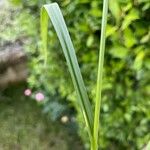
Scirpus hattorianus
Mosquito Bulrush · Early Dark-green Bulrush
Care Guide
💧 Water
☀️ Light Full sun
Mosquito bulrush comes from habitats with abundant sunlight, such as the shallow margins of ponds and lakes. It favors full sun but can also tolerate partial sunlight.
🌡️ Temperature 0–35°C
Mosquito bulrush can tolerate a wide variety of temperatures, but its distribution can still be restricted by various combinations of moisture and heat. It does best in warm summer climates with sufficient rainfall or watering. Extended periods of cloudy, rainy weather or prolonged high temperatures can raise the risk of Mosquito bulrush dying. In winter, adequate protection from cold can increase the plant's survival rate.
💨 Humidity
🪴 Soil
🌱 Fertilizer
🪴 Pot & Repot
✂️ Pruning
Mosquito bulrush is a type of wetland grass characterized by its dense foliage. To care for it, start by pruning in early spring. Remove any dead stems to improve air circulation and encourage new growth. Make sure to use sharp tools to minimize the risk of disease. Additionally, perform minimal thinning to help the plant maintain its shape, enhance its visual appeal, and prevent overgrowth during the growing season.
🌿 Propagating
🐛 Diseases & pets
☠️ Toxicity
Characteristics
- Plant Type
- Herb, Grass
- Life Cycle
- Perennial
- Genus
- Scirpus
- Family
- Cyperaceae
- Hardiness Zone
- 3-9
- Mature Height
- 0.61 m to 1.22 m
- Mature Spread
- 30 cm to 61 cm
- Leaf Color
- Dark Green
- Leaf Type
- Deciduous
- Flower Color
- White, Yellow, Green, Brown
- Flower Size
- 0.20 cm to 0.25 cm
- Bloom Time
- Early summer, Mid summer
- Planting Time
- Spring, Summer, Autumn
- Harvest Time
- Late summer, Early fall