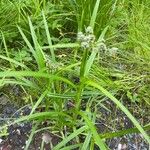
Scirpus microcarpus
Panicled Bulrush · Red-tinged Bulrush · Red-sheathed Bulrush · Small-flowered Bulrush · Small-fruited Bulrush
Description
Source: leafsnapScirpus microcarpus, commonly known as small-fruited bulrush, is a perennial herbaceous plant belonging to the Cyperaceae family. Native to North America, it thrives in wetlands, marshes, and along the edges of ponds and streams. This plant exhibits a clumping growth habit with stems that can reach up to 3 feet in height. The stems are triangular, and its narrow, grass-like leaves are green. Scirpus microcarpus blooms from June to August, producing small brown spikelets. Small-fruited bulrush plays a crucial role in wetland ecosystems. It provides habitat for a variety of aquatic animals, including fish, amphibians, insects, and birds. Furthermore, its extensive root system helps prevent soil erosion by stabilizing the soil. Because of its resilience and ability to tolerate extended flooding, Scirpus microcarpus is often utilized in wetland restoration projects. The plant can withstand waterlogging without suffering significant damage or death. Overall, Scirpus microcarpus is an essential species within North American aquatic ecosystems. Its ecological significance and adaptability make it valuable for restoration projects aimed at preserving these habitats against human impact and natural degradation processes, such as erosion and climate change-induced flooding.
🎭 Submissiveness
Care Guide
💧 Water Every 7 days
Panicled bulrush thrives in wetland environments, preferring consistently moist soil and displaying moderate drought tolerance. Watering it weekly can promote lush growth. This plant is well-suited for outdoor settings that mimic natural water cycles, making it an ideal choice for rain gardens that take advantage of rainfall patterns.
☀️ Light Full sun
Panicled bulrush does best with a high level of visible light. Although it can tolerate light filtered by shrubs or trees, it mainly needs plentiful sun to grow vigorously. Its native habitat is strongly exposed to light. Excessive shade can cause stunted growth, while too much exposure may result in leaf scorch.
What are the sunlight requirements for Panicled bulrush?
Panicled bulrush thrives best in full sun, requiring above 6 hours of sunlight daily. It can also grow in partial sun, which means about 3-6 hours of sunlight each day. The plant's happiness and growth are significantly influenced by the balance of light and shade provided in its environment. It's crucial to observe how sunlight moves through your garden to select spots that offer the perfect balance, ensuring the plant's well-being.
What are the essentials for Panicled bulrush growth?
Panicled bulrush demands substantial exposure to visible light for vigorous growth, originating from habitats with robust light exposure. Although it can survive light filtered through shrubs or trees, abundant sun is its primary need. Insufficient light leads to stunted growth, while too much sun may cause leaf scorch. For indoor plants lacking natural sunlight, especially during winter or in less sunny spaces, artificial lighting is essential. LED lights are recommended, providing 30-50W/sq ft for full sun plants, 20-30W/sq ft for partial sun plants, and 10-20W/sq ft for full shade plants. The light should be placed 12-36 inches above the plant and kept on for 8-12 hours per day to mimic natural daylight hours.
What symptoms indicate Panicled bulrush is receiving inadequate light?
Panicled bulrush shows several symptoms when exposed to inadequate lighting, including smaller new leaves, leggy or sparse growth, faster leaf drop, slower or no new growth, and lighter-colored new leaves. Other symptoms under extreme sunlight conditions can include chlorosis, where leaves turn yellow due to chlorophyll breakdown; sunscald, marked by pale or necrotic areas on plant tissue; leaf curling as a defense against water loss; wilting from excessive transpiration; and leaf scorching characterized by brown, dry patches on leaves. Each symptom provides insight into the plant’s health and its current exposure to light.
What solutions can address light-related issues for Panicled bulrush?
To optimize Panicled bulrush growth, it's crucial to gradually adjust the plant to receive at least 6 hours of direct sunlight daily. For indoor plants, introduce more sunlight by using a south-facing window or employ artificial light for at least 8 hours daily if the plant is large or not easily movable. Outdoors, acclimate your plants by progressively moving them to sunnier locations each week to avoid sunburn. Minimize obstructions by pruning trees or moving plants to sunnier spots. If necessary, transplant smaller plants during their dormant period, usually late winter or early spring, to a location with ample sunlight and good drainage. Note that parts of the plant affected by insufficient sunlight may not recover, but new growth will be healthy with increased light exposure.
🌡️ Temperature 0–35°C
Panicled bulrush is native to cooler habitats and prefers temperatures between 32 and 95 °F (0 and 35 ℃). In colder seasons, supplying slightly warmer conditions may promote healthier growth.
What environments are ideal for growing Panicled bulrush?
Panicled bulrush thrives in cooler environments, preferring temperatures that range from 32 to 95 °F (0 to 35 °C). It has strong cold resistance and usually does not require special frost protection measures during winter. However, for healthier growth in colder seasons, maintaining slightly warmer conditions is beneficial. If winter temperatures are anticipated to fall below -35°C, protecting the plant from the cold by covering it with soil or straw is advised. Additionally, watering the plant plentifully before the first autumn freeze to keep the soil moist helps prevent winter and early spring drought.
How does Panicled bulrush respond to low temperatures?
Panicled bulrush is cold-tolerant and prefers temperatures to be above 0°C. Though it can withstand winter conditions well, if the temperature drops below -35°C, there might not be noticeable damage during the winter, but there could be reduced or no sprouting in spring. In the spring, it is recommended to remove any parts of the plant that have failed to sprout to encourage new growth and maintain the plant's health.
What should I do if Panicled bulrush is exposed to high temperatures?
During the summer, it's important to ensure that the temperature around Panicled bulrush does not exceed 35°C. Exposure to temperatures above 38°C can cause the leaves to lighten in color, curl, and become prone to sunburn. In severe cases, the entire plant may wilt and dry out. To mitigate heat stress, trim away any sunburned or dried parts of the plant. Move the plant to a shaded location or use a shade cloth to protect it from midday and afternoon sun. Additionally, watering the plant in the morning and evening helps keep the soil moist and supports plant health during high temperatures.
💨 Humidity
🪴 Soil
🌱 Fertilizer
To ensure optimal growth, panicled bulrush benefits from balanced fertilizers applied every other month during the growing season. When growth slows in the winter, reduce the amount of fertilizer. Be sure to follow the product instructions for even distribution, and use the fertilizer sparingly to minimize runoff. Include fertilization as part of a comprehensive plant care routine.
🪴 Pot & Repot
✂️ Pruning
To promote the healthy growth of panicled bulrush, it is beneficial to prune them early in the spring by removing dead stems and thinning out clumps. This practice improves air circulation and encourages robust development. Use clean-cutting tools to minimize stress on the plants. Regular pruning not only fosters lush growth but also enhances habitat conditions and aesthetic appeal, according to trusted horticultural advice.
🌿 Propagating
🐛 Diseases & pets
☠️ Toxicity
Characteristics
- Plant Type
- Herb
- Life Cycle
- Perennial
- Genus
- Scirpus
- Family
- Cyperaceae
- Hardiness Zone
- 3-9
- Mature Height
- 0.61 m to 1.52 m
- Mature Spread
- 30 cm
- Leaf Color
- Green
- Leaf Type
- Deciduous
- Flower Color
- White, Yellow, Brown
- Flower Size
- 2.54 cm
- Bloom Time
- Early summer, Mid summer
- Planting Time
- Spring, Summer
- Harvest Time
- Late summer, Early fall
- Native Area
- Russia, Mexico