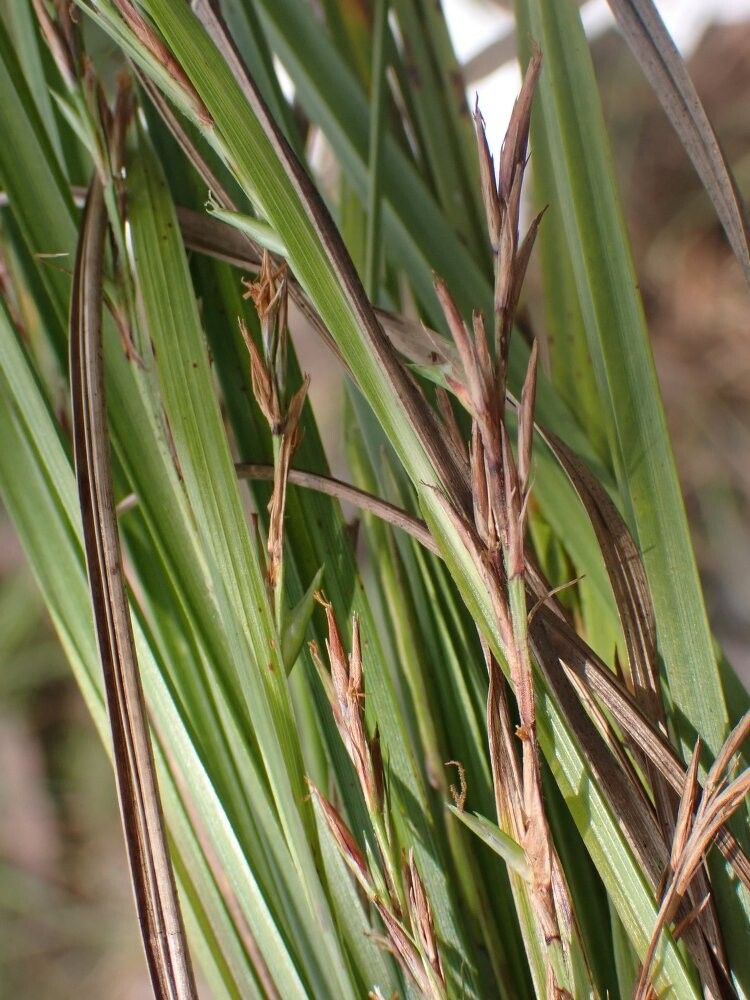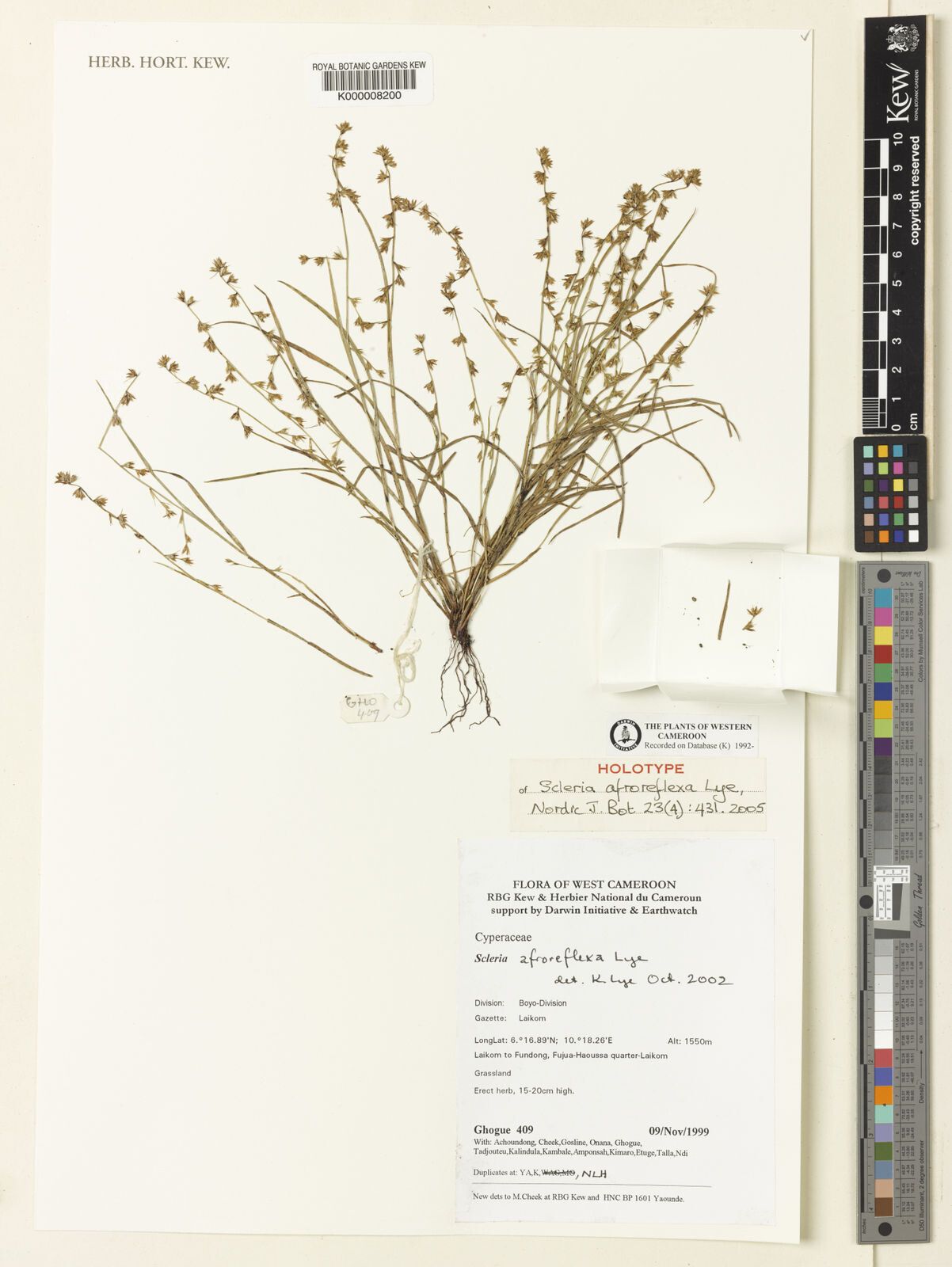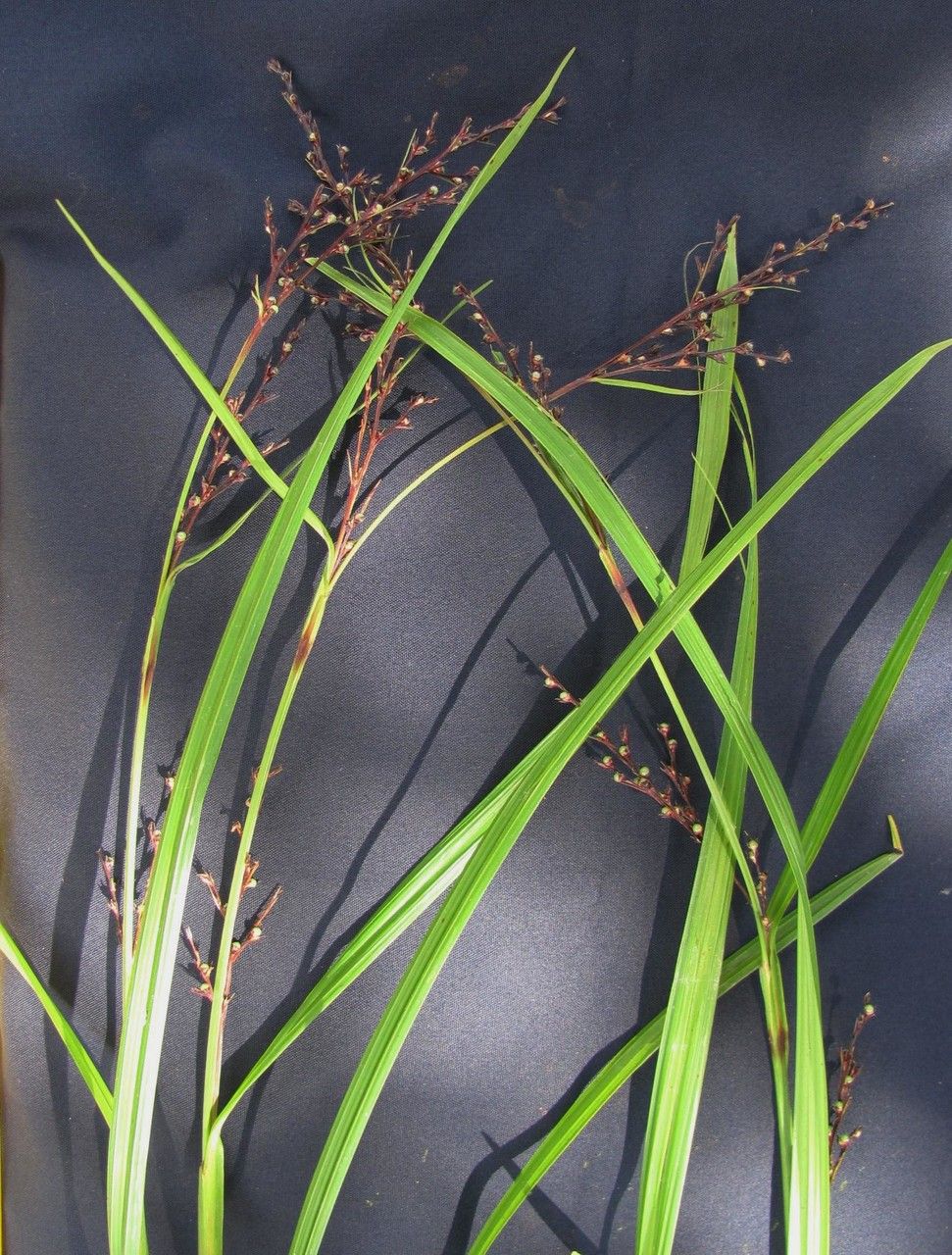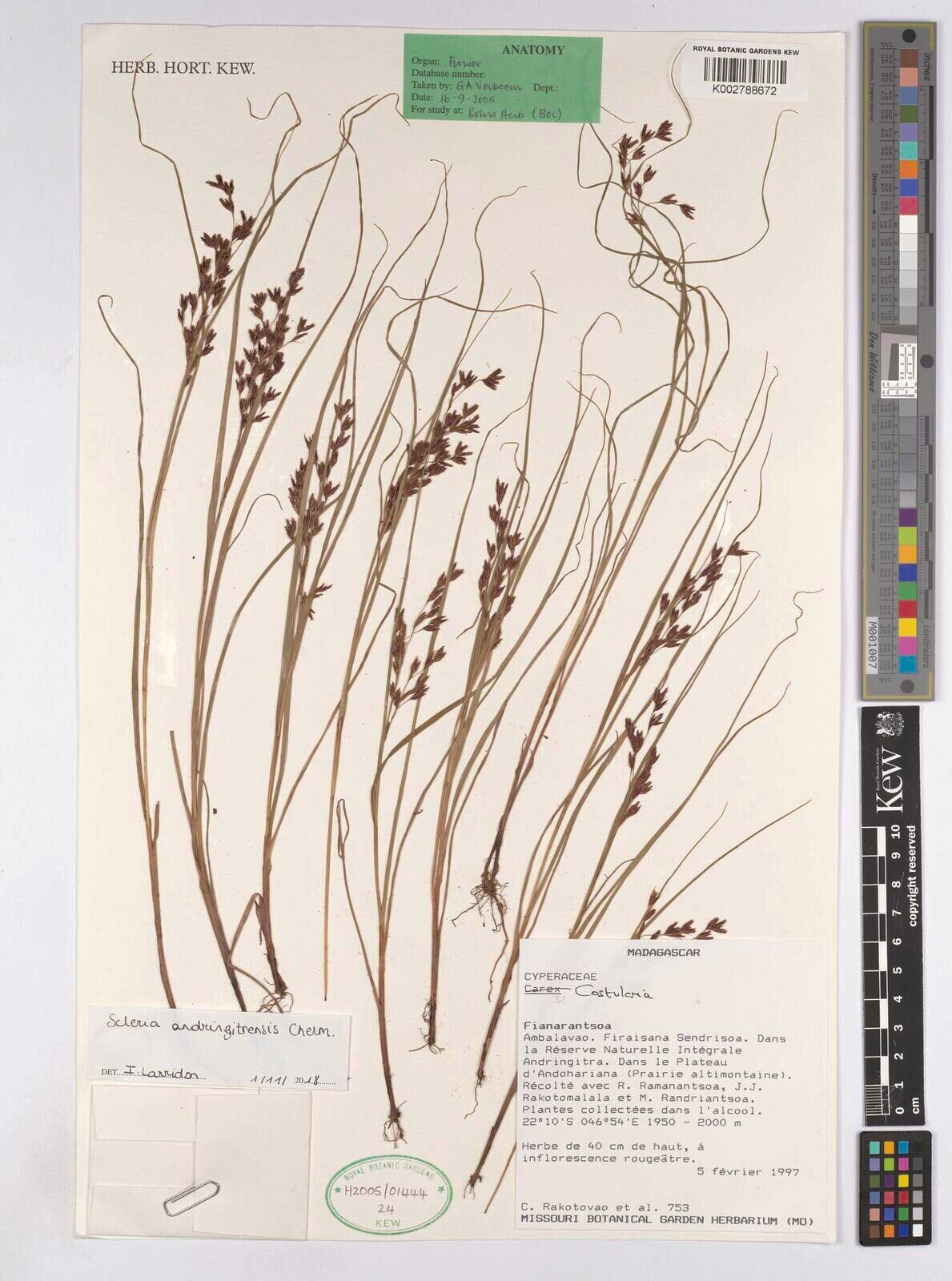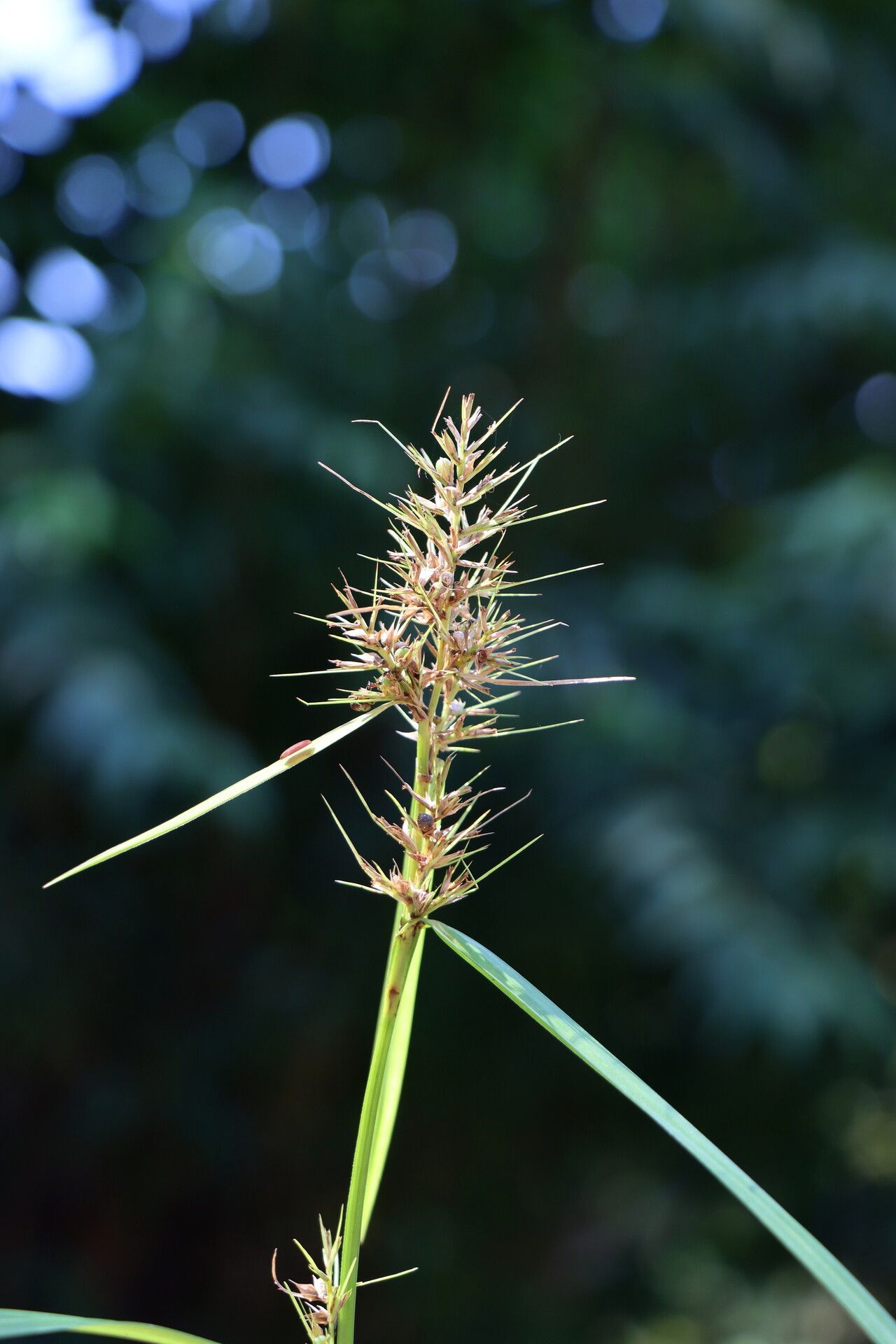
Scleria terrestris is a species of flowering plant in the family Cyperaceae, the sedges. It is native to much of Asia and Australia, where it is widespread and occasional. It is a rhizomatous perennial herb that grows in wet habitat, such as streambanks and wet mountain understory, and some types of dry and disturbed habitat.
Scleria terrestris has strong resistance to disease and is generally not prone to illnesses. Nevertheless, it can be affected by pests and diseases present in its environment. Such infections are typically mild. Regarding care, this plant needs moderate maintenance. It should be pruned regularly to preserve a neat appearance and support healthy growth. Applying fertilizer can also encourage flowering. Scleria terrestris is appropriate for anyone with outdoor space, like a garden or patio, and does not demand extensive gardening experience. It may need increased attention when grown indoors.
How to keep Scleria Terrestris.
Light
Scleria terrestris is a perennial herb plant that loves sunlight and originates from open environments, often flourishing in meadows and grassy areas. While it prefers full sunlight, it is also able to withstand conditions of partial sunlight.
Temperature
The plant known as Scleria terrestris hails from areas with tropical climates, which are generally marked by high heat and moisture. Consequently, it is befittingly accustomed to a hot and damp environment. Rapid temperature shifts are not favorable for this plant, hence, it is crucial to prevent any inconsistencies in indoor temperatures. It typically exhibits a low tolerance for cooler temperatures, necessitating a warmer environment for its development. A too significant reduction in the temperature of the environment could lead to the stunting of growth or even the death of the plant.
Fertilizer
Scleria terrestris needs the most fertilizer during its active growth period, which is mainly in spring, summer, and early fall. Fertilization is required to supply essential nutrients the soil may lack, supporting healthy root and stem growth as well as the attractive foliage that is a key characteristic of this particular plant.
Botanical profile.
- Plant Type
- Herb
- Life Cycle
- Perennial
- Hardiness Zone
- 8-11
- Mature Height
- 30 cm to 91 cm
- Mature Spread
- 20 cm to 49 cm
- Leaf Color
- Green
- Leaf Type
- Semi-evergreen
- Flower Color
- Yellow, Green, Purple, Brown
- Flower Size
- 0.20 cm to 0.25 cm
- Bloom Time
- Summer, Early fall, Mid fall
- Planting Time
- Spring, Summer, Autumn
- Harvest Time
- Late summer, Fall, Early winter
- Native Area
- Nepal, Sri Lanka, India, Malaysia, Indonesia, Cambodia, Myanmar, Japan, Philippines, Bhutan, Singapore, Laos, Thailand, China