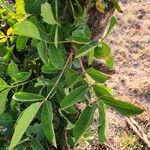
Sclerocarya birrea
Marula · Cider tree
Description
Source: leafsnapSclerocarya birrea (Ancient Greek: σκληρός ⟨sklērós⟩, "hard", and κάρυον ⟨káryon⟩, "nut", in reference to the stone inside the fleshy fruit), commonly known as the marula, is a medium-sized deciduous fruit-bearing tree, indigenous to the miombo woodlands of Southern Africa, the Sudano-Sahelian range of West Africa, the savanna woodlands of East Africa and Madagascar.
Care Guide
💧 Water
The elephant tree is well-adapted to dry environments, thanks to its impressive drought tolerance and ability to retain moisture. It needs minimal watering, usually only once every three weeks, which makes it perfect for xeriscaping. Typically grown outdoors, the elephant tree is resilient and ideal for regions with limited water supply.
What's the best way to water my Elephant tree?
To ensure excellent root development, place a garden hose at the base of the plant. Avoid spraying the leaves directly, but if the leaves are outside and exposed to direct sunlight, they will need more water. You can use bubblers to moisten the roots of each plant, and soaker hoses can be used to cover the entire garden or bed when adding or removing plants to ensure the roots are deeply watered. After watering, drain any excess water and allow the soil to dry before watering again. Watering at ground level is recommended to prevent diseases. On a sunny day, spraying the entire bush with water is beneficial. Whether potted or in-ground, it's important to remember that Elephant tree prefers deep watering rather than light sprinkling.
What should I do if I give too much or too little water to the Elephant tree?
When an Elephant tree is overwatered, its leaves may turn yellow, drop off, and wilt. The plant might also look dull and unhealthy, with mushy stems. If you notice these signs, it's best to adjust your watering schedule. Wilting can also be a sign of under watering, which can cause the leaves to become crispy and dry. To determine if the soil is too dry, check it and water thoroughly if needed. However, too much water can damage the roots, causing the plant to still appear dry with yellow leaves even after recovering. Monitor the moisture levels indoors and avoid overwatering. Look for black spots as a sign of overwatering and let the soil dry out for a few days if present. Overwatering can lead to root rot, so if you see discolored and slimy roots, consider transferring the plant to a new pot. Always try to prevent root rot by avoiding soggy soil. When planting an Elephant tree outdoors, make sure to dig deeper and check if the soil is too dry. Adequate watering is necessary to help the plant recover.
How often do I need to water my Elephant tree?
The Elephant tree prefers deep and infrequent watering, especially when planted in pots. In pots, the soil dries out faster due to limited water storage. In cold regions, water the tree every 3 to 5 days, preferably in the morning when the soil is dry. Check the top 2-3 inches of soil to determine if watering is needed. During hot days, check the moisture daily to prevent soil from drying out quickly. If you have a garden, irrigation is necessary. In hot climates, water once a week when about 2 to 3 inches of soil become too dry. Rainfall may eliminate the need for additional watering. Apply mulch about 3 to 4 inches deep outdoors to conserve water. Sandy soil requires more frequent watering, while clay soil needs less frequent watering to avoid root rot. Keep track of watering dates on a calendar and look out for drooping leaves as a sign of needing water.
How much water does my Elephant tree need?
The Elephant tree generally needs about a gallon of water on a regular schedule. For potted plants, water them deeply until you see water dripping from the bottom of the pot. Wait for the soil to dry before watering again. You can use a water calculator or moisture meter to determine the amount of water given in a week. Water the plant plenty during the flowering period but let the moisture evaporate to prevent root rot. If the Elephant tree is planted outdoors with enough rainfall, it may not need extra watering. For young or newly planted Elephant trees, make sure they receive 1-2 inches of rain per week. As the tree grows, it can rely solely on rainfall. Only in hot weather or when there is no rainfall for 2-3 weeks, consider watering during cooler parts of the day to prevent heat damage. Additional watering is needed during extended dry spells.
Should I change how often I water my Elephant tree based on the season or weather?
The Elephant tree needs to be outdoors, but only needs watering during persistent dry weather. During the spring and fall, the soil should be kept moist but not soggy. Alternating between dry and moist soil conditions helps the Elephant tree grow well. In the summer, hot weather can cause water to evaporate quickly, so extra watering may be necessary if there is a lack of rainfall. The Elephant tree requires less water during the winter when it goes dormant. Well-draining soil like terracotta can help water evaporate faster during this time. Once the Elephant tree starts leafing out and going dormant, watering can be skipped as it can rely on fall and winter rains to survive. After spring, you can encourage growth and blooming by cultivating the Elephant tree when temperatures get warmer. Good drainage is important at all times, especially during winter. When the plant is in a pot, it has limited root growth, so it needs to be well-watered during the summer. Shallow sprinkles that reach the leaves should be avoided as they encourage fungal growth and don't reach the roots. The Elephant tree should not be allowed to dry out completely during fall and winter, even in dormancy. Overwatering should also be avoided as the plant doesn't like sitting in water for extended periods. Applying mulch can help reduce stress, conserve water, and promote healthy blooms.
☀️ Light Full sun
The elephant tree does best with abundant sunlight to maintain healthy growth. In its native habitat it is exposed to constant sun, and reproducing those conditions elsewhere ensures robust development. Too little or too much light can slow its growth or cause it to wither prematurely.
What are the sunlight requirements for an Elephant Tree?
The Elephant Tree requires full sun, meaning it thrives in locations receiving more than 6 hours of direct sunlight daily. It's crucial to observe the movement of sunlight through your garden to find spots that offer an ideal balance of light and shade, ensuring the plant's well-being. The Elephant Tree originates from habitats with continuous exposure to sunlight, and replicating these conditions in other environments promotes its healthy growth. Inadequate sunlight can hinder its growth or cause premature wilting.
How should I use artificial lighting for an indoor Elephant Tree?
Indoor plants, including the Elephant Tree, require sufficient lighting for optimal growth, especially when natural sunlight is insufficient, like in winter or less sunny spaces. Artificial lights, particularly LED lights, are beneficial as they can be tailored to provide the specific wavelengths needed by your plants. The requirements range from 30-50W/sq ft for full sun plants to 10-20W/sq ft for full shade plants. Position the artificial light source 12-36 inches above the plant to simulate natural sunlight and maintain the light for 8-12 hours per day to mimic natural daylight hours, promoting healthier and faster growth.
What are the signs of insufficient light in Elephant Trees?
Elephant Trees show several symptoms when exposed to inadequate lighting, including smaller new leaves, leggy or sparse growth, faster leaf drop, slower or halted growth, lighter-colored new leaves, and chlorosis (leaves turning yellow). Excessive sunlight can also harm, leading to symptoms like sunscald (damage from intense sunlight), leaf curling (to reduce surface area exposed to sunlight), wilting (from increased water loss), and leaf scorching (brown, dry edges on leaves due to excessive sunlight). These signs indicate a need for adjusting the plant's light exposure.
How can I address light-related issues for an Elephant Tree?
For indoor Elephant Trees, gradually relocate the plant to sunnier spots until it receives at least 6 hours of sunlight daily, using south-facing windows for maximum exposure. If the plant is large or hard to move, consider supplementing with artificial light, keeping lamps on for at least 8 hours daily. Outdoors, move plants gradually to sunnier locations to avoid sunburn. If trees block sunlight, prune them to let more light through. For small plants that can be moved, transplant them during their dormant period to a sunnier location with good drainage. Note that parts of the plant already damaged by insufficient light may not recover, but new growth should be healthy with improved lighting.
🌡️ Temperature 20–37.8°C
The elephant tree is indigenous to areas where temperatures stay approximately 68 to 100.4 °F (20 to 38 ℃). It prefers a moderately warm climate. During periods of extreme cold or heat, adjustments can include placing it in a temperature-controlled environment.
What is the native climate for the Elephant tree?
The Elephant tree is native to regions with temperatures ranging from 68 to 100.4 °F (20 to 38 °C). It thrives in a moderately warm climate, preferring settings where the temperature remains within this range. Since the Elephant tree is extremely heat-loving, protection from cold temperatures is crucial for its health. During colder seasons, it's advised to move outdoor-grown Elephant trees indoors, placing them near a bright window but away from direct heat sources to ensure they're kept warm, ideally above 20°C. Lower temperatures, especially those approaching or dropping below 5°C, can be harmful to the plant.
How should I care for an Elephant tree during low temperatures?
During low temperatures, it's essential to keep the Elephant tree in an environment that stays above 20°C, with winter temperatures not falling below 5°C to prevent damage. Should the temperature drop below 1°C, you may notice the leaves lightening in color, which can turn brown or black following frost damage, leading to wilting and drooping. If frost damage occurs, trim off the damaged parts and move the plant indoors to a warm setting. Placing it near a south-facing window allows for ample sunlight, but ensure it's not too close to heaters or air conditioning vents to avoid dry air damage.
What steps should be taken to protect the Elephant tree from high temperatures?
During summer, it's essential to prevent the Elephant tree's exposure to temperatures above 38°C to avoid stress and potential damage. Should temperatures exceed 43°C, the plant's leaves might lighten and become more prone to sunburn. To protect the Elephant tree under such conditions, trim away sunburned or dried-up parts and relocate the plant to a shaded area, particularly to avoid the midday and afternoon sun. Furthermore, ensure the soil remains moist by watering the plant in the morning and evening, aiding in its overall health and resilience against high temperatures.
💨 Humidity
🪴 Soil 6-7
🌱 Fertilizer
Prefer organic fertilizers (e.g., fish emulsion or compost) instead of chemical fertilizers for the Elephant tree. Give young plants higher levels of nitrogen and phosphorus during spring. Incorporate compost or fertilizer into the soil before or after planting. For mature plants, supplement in spring with a balanced fertilizer or one aimed at specific deficiencies. Nutrient deficiency causes small leaves, short branches, yellow or bronze leaves, acidic fruits, premature fruit drop, and fruit splitting.
🪴 Pot & Repot
✂️ Pruning
To ensure the healthy growth of an elephant tree, it's best to prune it in late winter. Focus on removing dead branches and thinning out crowded areas to allow more sunlight to reach the tree. Avoid heavy pruning, as this can stress the tree. Instead, prioritize improving air circulation and maintaining a strong structure to boost fruit yield and enhance the tree's overall health.
🌿 Propagating
🐛 Diseases & pets
☠️ Toxicity
Characteristics
- Plant Type
- Tree
- Life Cycle
- Perennial
- Genus
- Sclerocarya
- Family
- Anacardiaceae
- Hardiness Zone
- 10-12
- Mature Height
- 17.98 m
- Mature Spread
- 7.92 m to 14.94 m
- Leaf Color
- Green, Dark Green
- Leaf Type
- Deciduous
- Flower Color
- Yellow
- Flower Size
- 5.08 cm to 22.86 cm
- Bloom Time
- Early spring, Mid spring
- Planting Time
- Spring, Summer, Autumn
- Harvest Time
- Summer