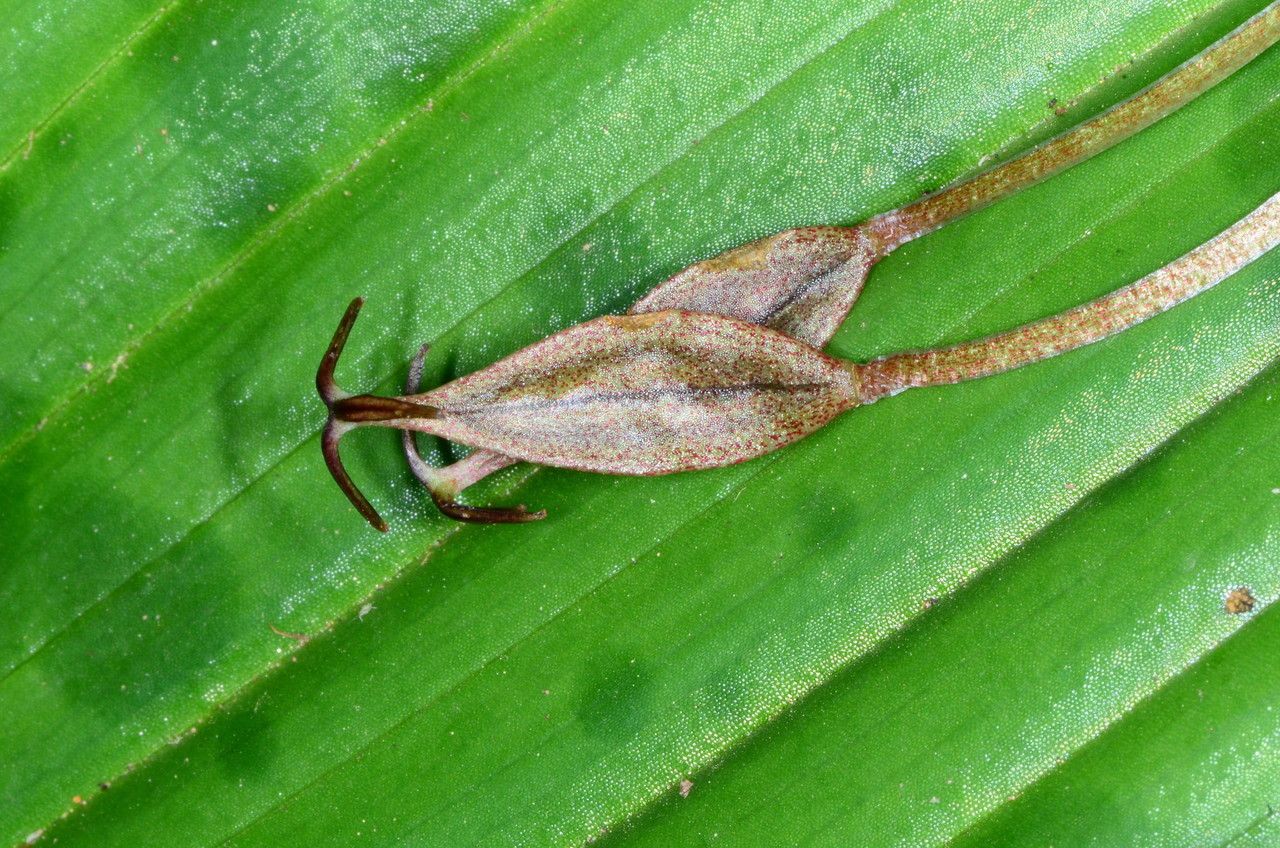
Scoliopus bigelovii, commonly known as the California Fetid Adder's Tongue, is a perennial herb native to the western United States. It belongs to the family Liliaceae and thrives in moist woodlands and shaded areas in California, Oregon, and Washington.
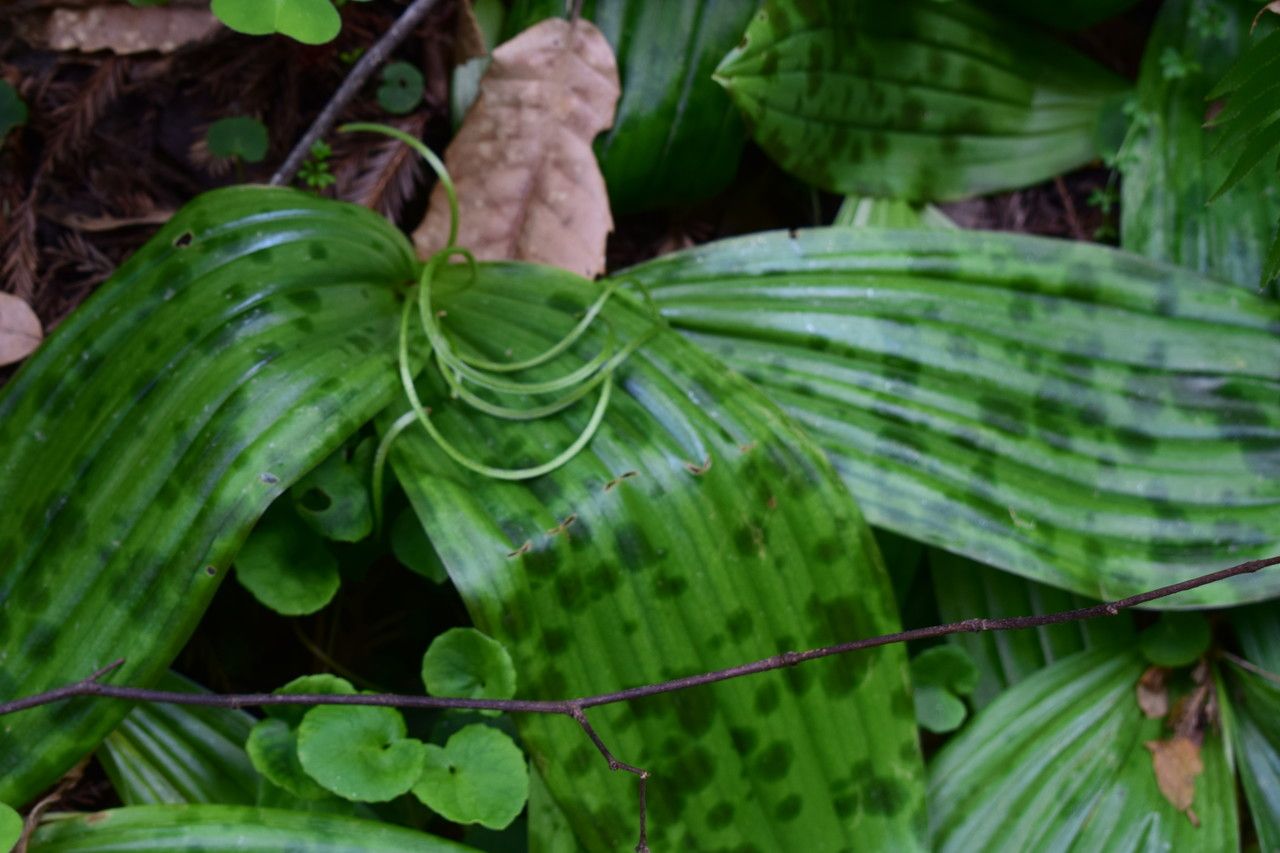
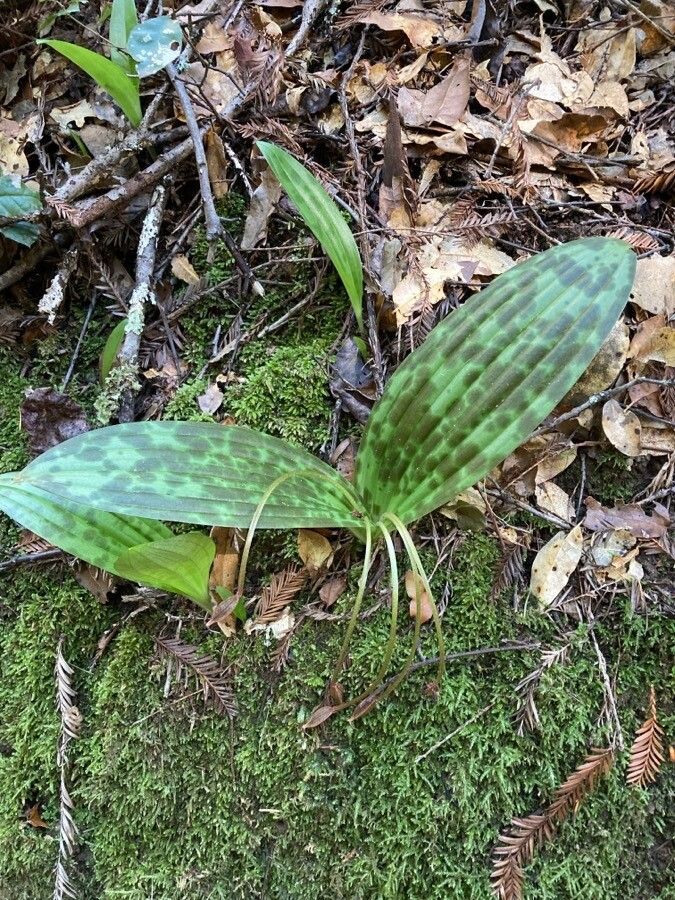
The plant features a single, large, oval-shaped leaf that emerges from an underground bulb. This leaf has prominent parallel veins. In early spring, a flower stem emerges from the center of the leaf, bearing one or two nodding flowers at its tip.
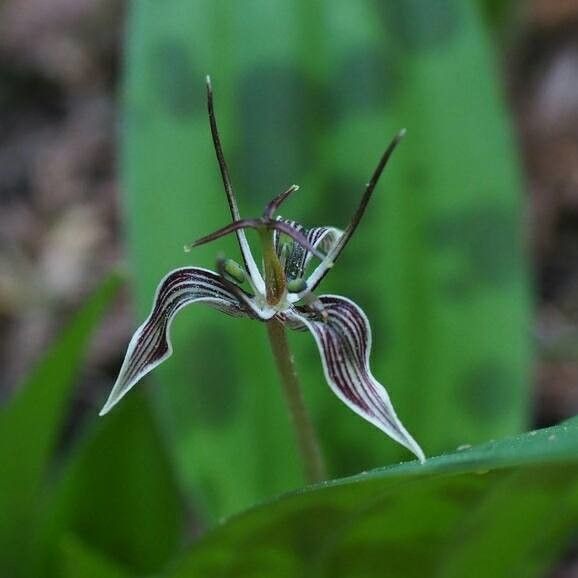
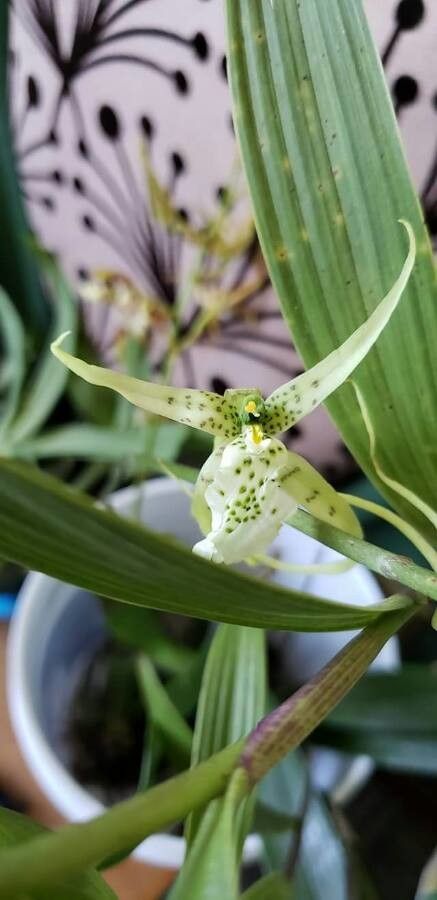
The small flowers, approximately one inch long, have six petals that range in color from brownish-purple to greenish-yellow. These flowers emit a strong odor reminiscent of rotting meat, which attracts flies for pollination.
Scoliopus bigelovii prefers moist, organically rich soil and partial shade for optimal growth. It can be propagated by seed or through the division of bulbs.
Although it is not commonly cultivated as an ornamental plant due to its unpleasant odor, Scoliopus bigelovii is important as a food source for native pollinators, such as flies and beetles, during early spring when few other plants are in bloom.
California fetid adderstongue has good disease resistance and is generally not prone to illnesses. Still, it can be vulnerable to pests and diseases found in its surroundings. These problems are usually not severe. Regarding care, this plant requires a moderate level of maintenance. It should be pruned regularly to keep a neat appearance and support healthy growth. Fertilizing can also help encourage flowering. California fetid adderstongue is suitable for anyone with an outdoor space, such as a garden or patio, and does not demand extensive experience in plant care. It may need more attention when grown indoors.
How to keep Scoliopus Bigelovii.
Light
California fetid adderstongue does well with a generous amount of sunlight, though not an excessive amount. It adapts to various sunlight exposures, demonstrating strong adaptability. Its native habitat consists of areas with ample but not overpowering solar radiation. Excessive or insufficient sunlight can affect its healthy growth.
Water
The California fetid adderstongue is native to the state's moist woodlands and thrives in humid environments. It requires consistently moist soil and benefits from weekly watering. Typically grown outdoors, this plant aligns its growing season with the wetter months of its natural habitat, relying on seasonal rains for nourishment.
Temperature
California fetid adderstongue is native to regions with temperatures ranging from 59 to 90°F (15 to 32°C). It prefers temperate conditions, so adjust its care during hotter or colder seasons accordingly.
Fertilizer
For California fetid adderstongue, the primary time to fertilize is in early spring when the flowers are forming. The proper fertilizer promotes better blooms and helps California fetid adderstongue produce attractive flowers. Fertilizing in early spring ensures strong flowering during the season and supplies energy for dormant growth phases.
Pruning
The California fetid adderstongue is known for its distinctive, fragrant flowers and lush foliage. To maintain its health, it’s best to prune the plant from early to late spring, before new growth begins. Be sure to remove any dead leaves, but avoid cutting into the central growth to prevent causing stress to the plant. Proper pruning encourages healthy growth and reduces the risk of disease. For additional guidance, consult resources such as the American Horticultural Society.
Botanical profile.
- Plant Type
- Herb
- Life Cycle
- Perennial
- Genus
- Scoliopus
- Family
- Liliaceae
- Hardiness Zone
- 7
- Mature Height
- 20 cm to 30 cm
- Mature Spread
- 15 cm
- Leaf Color
- Dark Green, Forest Green
- Leaf Type
- Deciduous
- Flower Color
- White, Green, Purple
- Flower Size
- 2.54 cm
- Bloom Time
- Late winter, Early spring
- Planting Time
- Spring
- Harvest Time
- Late spring, Early summer, Mid summer
Other names.
Reader questions.
How should I water my California fetid adderstongue plant?
To care for the California fetid adderstongue plant, it's best to use filtered water at room temperature. Tap water may have harmful particles, so filtered water is safer. Since the plant is from a warm environment, it's important to avoid using cold water, which can be a shock to it. Another tip is to avoid overhead watering, as it can cause issues with the leaves. Instead, gently water the soil until it's completely soaked. This helps the roots stay hydrated and spread through the soil to gather the necessary nutrients.
Why should I add fertilizer to my California fetid adderstongue plant?
Fertilization is important for the California fetid adderstongue because it provides essential nutrients for the plant's growth. Although the overall fertilization needs of the California fetid adderstongue are low, it can still benefit from annual fertilization. Fertilizing the plant can help it survive and promote the development of better and longer-lasting flowers. Therefore, if you want your California fetid adderstongue to thrive, make sure to fertilize it every year.
What are the sunlight requirements for California fetid adderstongue?
California fetid adderstongue thrives under generous sunlight exposure but can adapt to different levels of light, reflecting its adaptability and the variances in its native habitat. While it prefers environments with ample but not excessive solar radiation, both overexposure and under-exposure to sunlight can negatively impact its growth. It's important to watch how sunlight moves through your garden to find spots that offer a perfect balance of light and shade, ensuring the plant's well-being.
What is the native environment of California fetid adderstongue?
California fetid adderstongue, with its botanic name Scoliopus bigelovii, is native to environments where temperatures range from 59 to 90°F (15 to 32°C). This plant thrives in temperate conditions, which means care adjustments should be made to accommodate for variations in weather, ensuring it is not exposed to conditions too hot or too cold for its preference.
What should I do if I give my California fetid adderstongue plant too much or too little water?
Taking care of your California fetid adderstongue involves being mindful of the watering process. Both overwatering and underwatering can harm your plant, but overwatering is more likely to occur. When the plant gets too much water, its stems and leaves may wilt and turn yellow. Over time, this can even lead to diseases like root rot, mold, and mildew, which can be fatal. On the other hand, underwatering is less common due to the plant's ability to withstand drought. However, it can still happen, resulting in brittle and brown leaves. It is crucial to recognize the signs of overwatering early on, as some diseases may become irreversible if left untreated for too long. If you notice these signs, reduce your watering frequency and check the soil quality. If the soil drains poorly, replace it with a loose, well-draining potting mix. Conversely, if your plant lacks water, increase your watering routine until the signs of dehydration disappear.
When should I fertilize my California fetid adderstongue plant?
The best time to fertilize a California fetid adderstongue is from late winter to early spring when the plant is transitioning from dormancy to active growth. Fertilizing during this period promotes healthy growth and sets the plant up for a successful season. Alternatively, it is also acceptable to fertilize in the fall, but it is not recommended to feed the plant during summer or winter.
How can artificial lighting supplement sunlight for California fetid adderstongue?
When natural sunlight is insufficient, especially in less sunny spaces or during winter, artificial lighting serves as a vital solution for optimal growth of California fetid adderstongue indoors. Utilizing the right type of artificial light like LED, which can be tailored to provide specific light wavelengths needed by the plant, is essential. Full sun plants require 30-50W/sq ft, partial sun plants need 20-30W/sq ft, and full shade plants benefit from 10-20W/sq ft of artificial light. The light source should be placed 12-36 inches above the plant, mimicking natural sunlight as closely as possible, and most plants require 8-12 hours of light per day for healthy growth.
Does California fetid adderstongue require special care during winter?
California fetid adderstongue exhibits strong resilience to cold temperatures, eliminating the need for special frost protection under normal winter conditions. However, in cases where temperatures are anticipated to fall below -15°C, protective measures are advisable. Covering the plant with soil or straw can provide the necessary insulation. It's also beneficial to water the plant plentifully before the onset of the first freeze in autumn, which helps ensure the soil retains moisture and reduces the risk of drought and water scarcity for the plant during winter and early spring.
How frequently do I need to water my California fetid adderstongue?
If your California fetid adderstongue is in a pot, the most precise way to determine if it needs water is to stick your finger into the soil. If the top two to three inches of soil feels dry, it's time to water it. If your California fetid adderstongue is grown outdoors in the ground, you can use a similar method to test the soil. When the top few inches of soil have dried out, it's time to water it. Generally, during the spring and early fall, you'll need to water this plant about once a week. However, during extremely hot weather, you may need to water it twice or more times a week. It's worth noting that mature, well-established California fetid adderstongue plants have an impressive ability to tolerate drought.
When should I not put fertilizer on my California fetid adderstongue plant?
To properly fertilize your California fetid adderstongue, it is best to do so only in late winter or early spring. This plant has low fertilization requirements and a single annual feeding is enough. It is important to avoid fertilizing during the spring, summer, and fall, as overfertilization can occur. The only exception is if you missed fertilizing in the spring, then it is acceptable to feed the plant in the fall. Additionally, there is no need to fertilize during the winter when the plant is dormant and not actively growing. Fertilization during most of the winter should be avoided.
What are the signs of insufficient light in California fetid adderstongue?
Signs of insufficient light in California fetid adderstongue include smaller new leaves, leggy or sparse growth, faster leaf drop, halted new growth or leaf production, lighter-colored new leaves, and symptoms of chlorosis. These indicate a light deficiency that affects the plant's health and ability to photosynthesize properly.
How does California fetid adderstongue respond to low temperatures?
Being cold-tolerant, California fetid adderstongue manages well in temperatures above 15°C. During the winter months, it is crucial to maintain temperatures above -10°C to support its well-being. Exposure to temperatures below -15°C might not display immediate damage during the winter, but can lead to reduced or completely inhibited sprouting in spring. To manage this, it is recommended to remove any plant parts in spring that have failed to sprout, promoting healthier growth in the surviving sections.