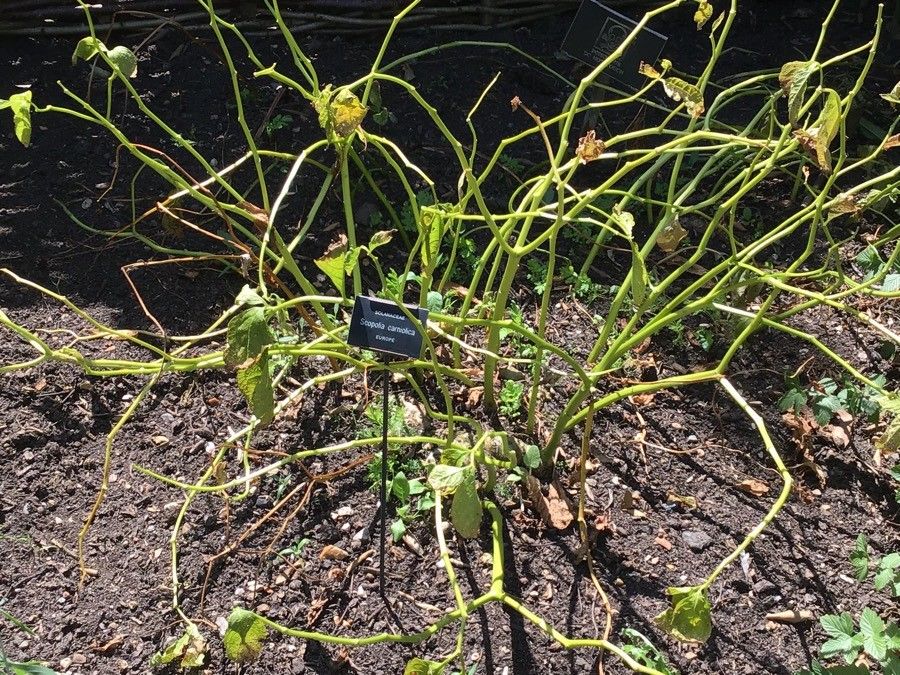
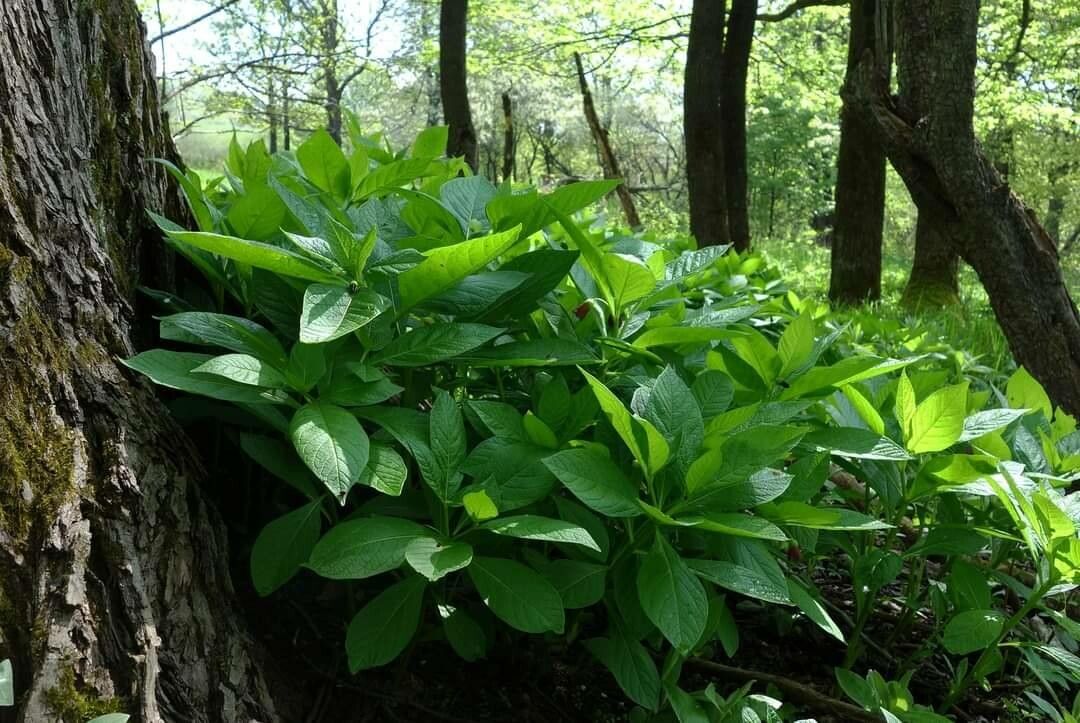
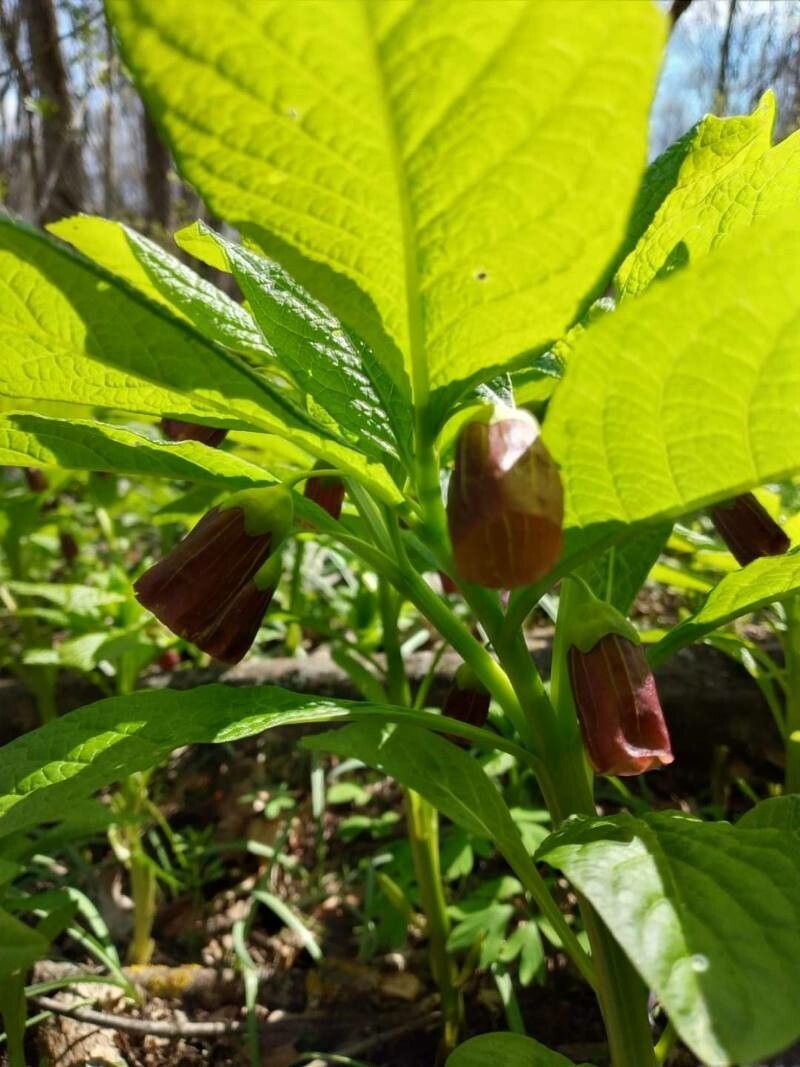
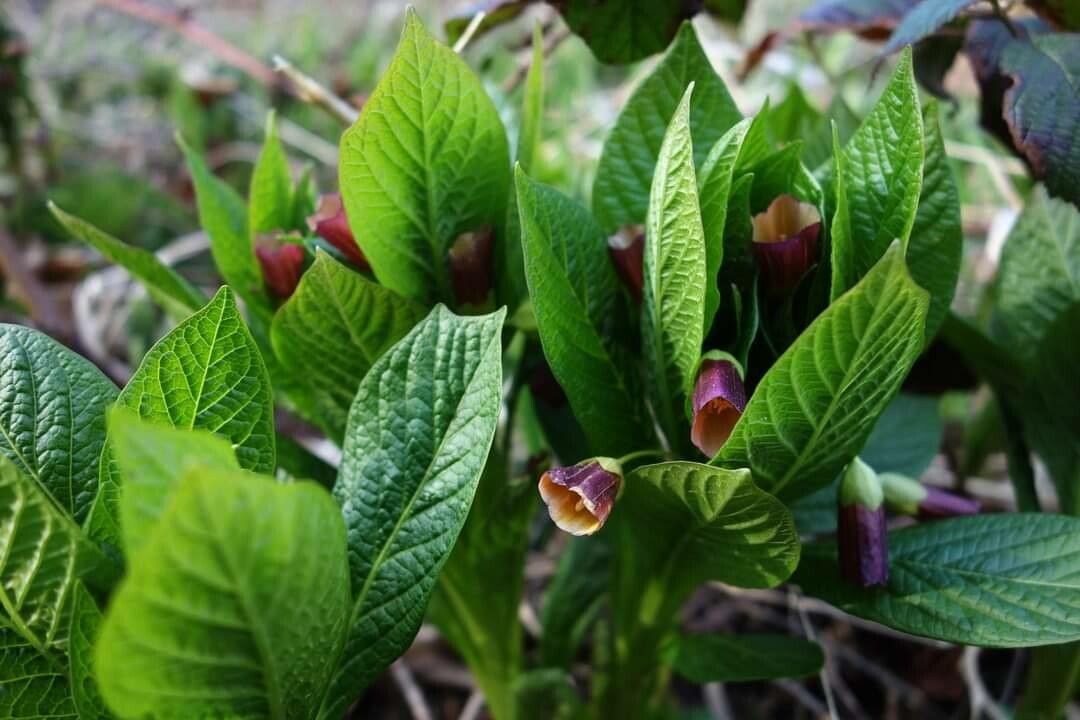
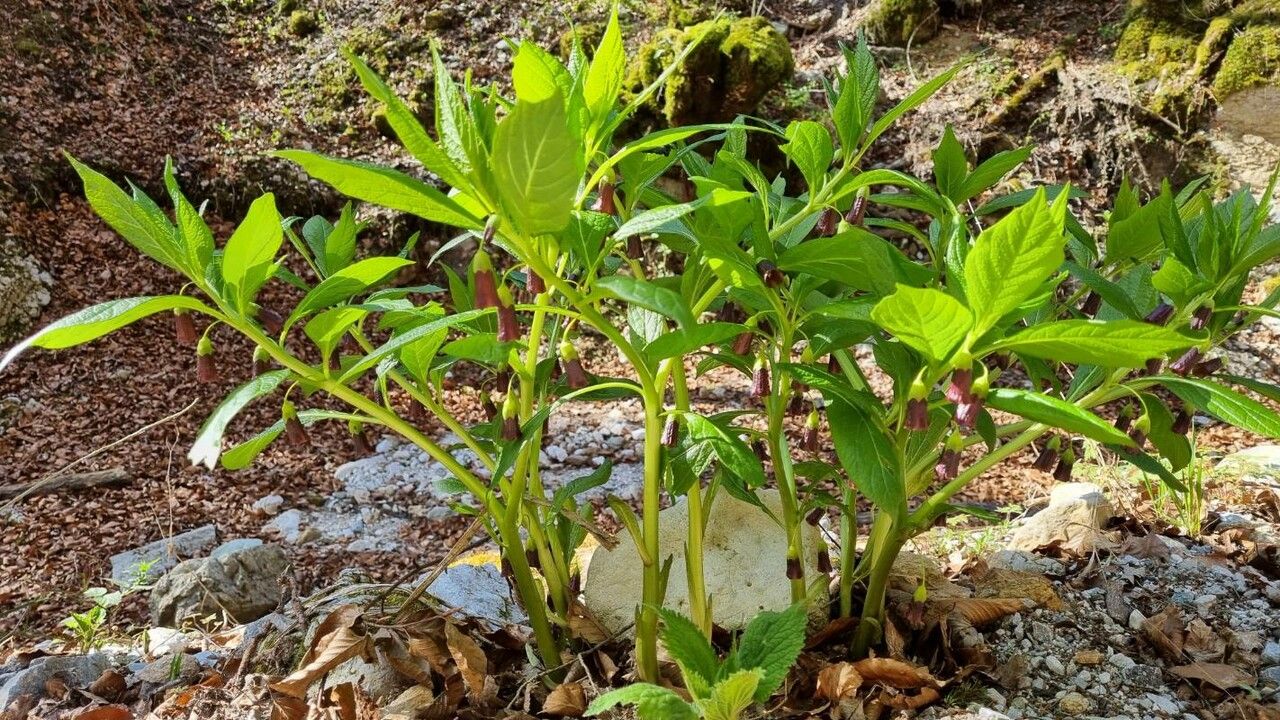
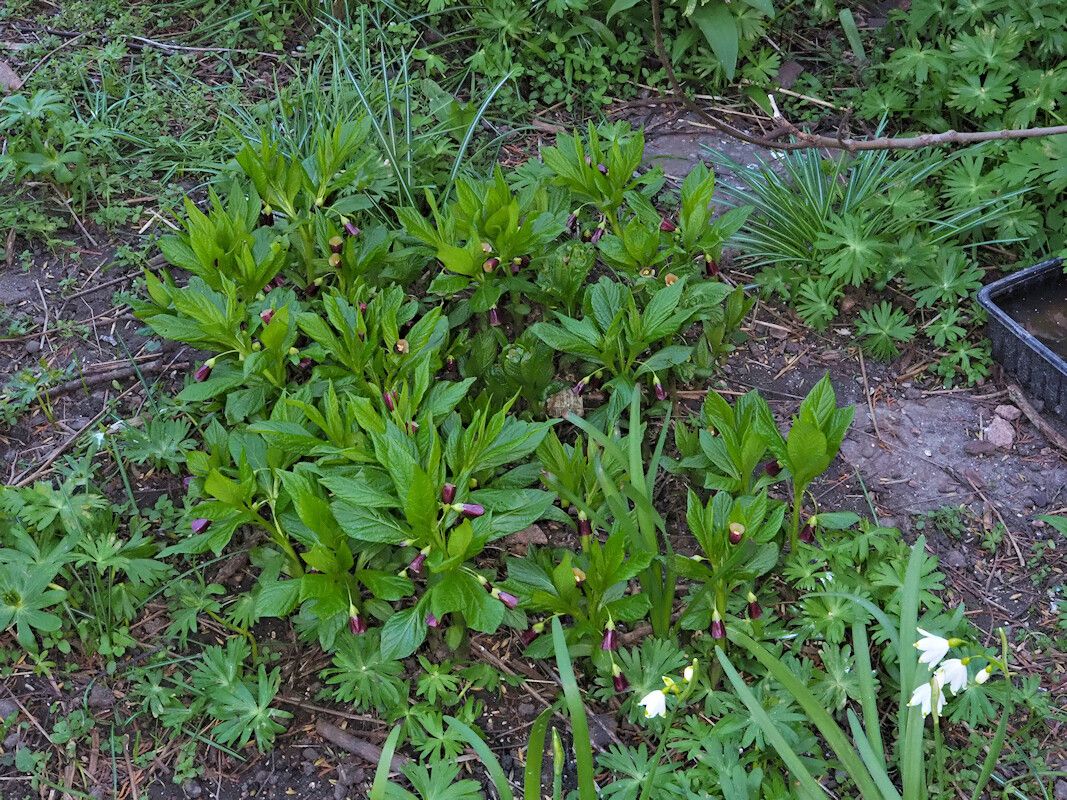
Scopolia carniolica, commonly known as henbane bell or European scopolia, is a perennial herbaceous plant belonging to the Solanaceae family. Native to the mountainous regions of Europe and Asia, it thrives in damp forests, meadows, and rocky slopes.
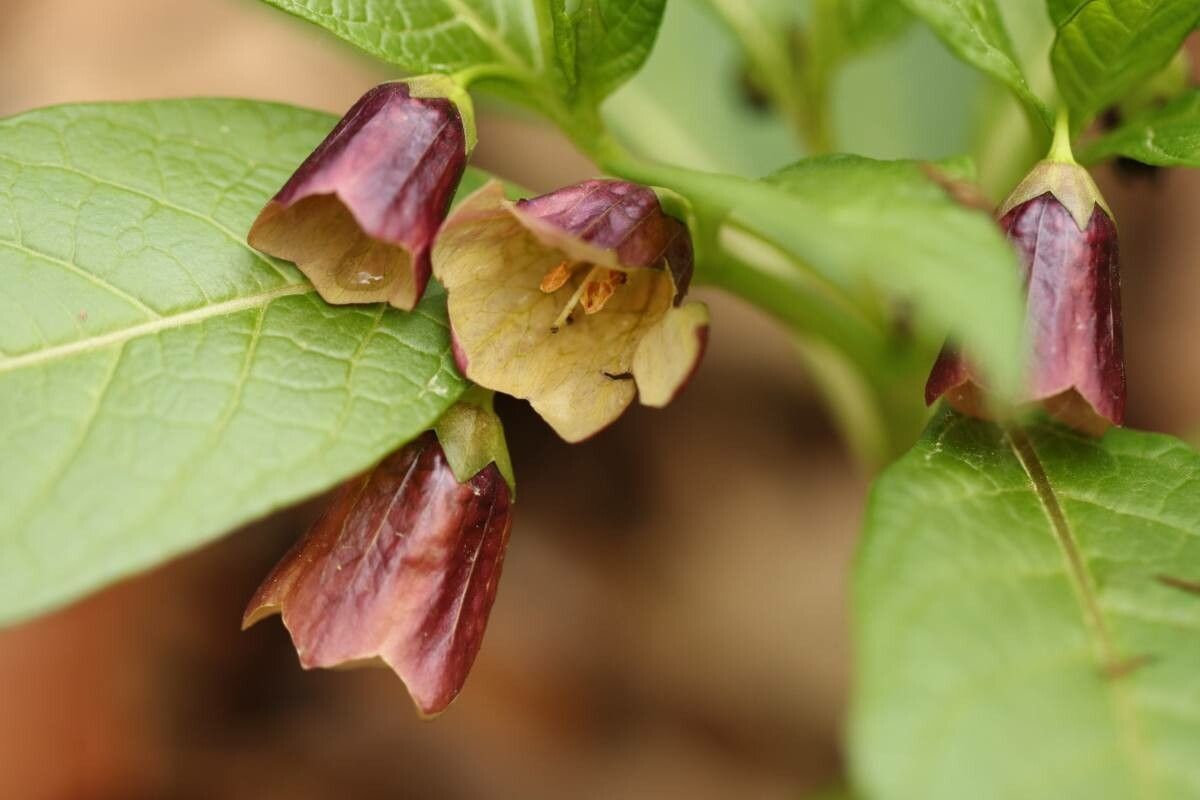
The plant features a thick rhizome that produces multiple stems, which can grow up to 60 cm in height. Its leaves are large, ovate, and pointed at the tip. The bell-shaped flowers, purple-brown in color, grow in clusters at the ends of the stems.
Scopolia carniolica has been used for medicinal purposes for centuries, primarily due to its high content of alkaloids such as scopolamine, hyoscyamine, and atropine, which possess antispasmodic properties. Traditionally, it has been used to treat various ailments, including asthma, coughs, and smooth muscle spasms found in the intestines and bladder.
However, due to its toxic nature, Scopolia carniolica should only be used under medical supervision by qualified practitioners experienced with its medicinal properties.
Additionally, the plant contains tropane alkaloids, which make it poisonous if ingested by humans or animals. Symptoms of poisoning include hallucinations, delirium, and convulsions, making it imperative not to consume the plant without proper guidance from experts.
Overall, Scopolia carniolica is an intriguing perennial herbaceous plant known for its medicinal properties, but it must be handled with caution due to its toxic nature.
European scopolia is fairly disease-resistant and generally not prone to illnesses. However, it can be affected by pests and diseases present in its environment. These infections are typically mild. In terms of care, the plant needs moderate maintenance. It should be pruned regularly to keep a tidy appearance and support healthy growth. Fertilizing can also help encourage flowering. European scopolia is well suited to anyone with outdoor space, such as a garden or patio, and does not require extensive gardening experience. It may need more attention when kept indoors.
How to keep Scopolia Carniolica.
Light
European scopolia prefers a partly sheltered spot with moderate sunlight but can tolerate lower light levels as well. Originating from understorey habitats, these plants can adjust to areas with reduced solar exposure. However, insufficient light may slow its growth, whereas too much sun can stress the plant.
Water
Originating from European woodlands, European scopolia thrives in consistently moist soil. It is important to avoid both waterlogged and dry conditions. To ensure its health, it should be watered weekly. This resilient plant adapts well to varying rainfall patterns in temperate climates, making it well-suited for outdoor cultivation.
Temperature
European scopolia can adjust to a wide range of temperatures, but its distribution may still be restricted by particular combinations of water and heat. It does best in warm summer climates with sufficient rainfall or watering. Extended periods of cloudy, rainy weather, as well as prolonged high temperatures, increase the likelihood that European scopolia will die. In winter, proper protection from cold can improve the plant's chances of survival.
Fertilizer
A single fertilizer application in spring is generally adequate for European scopolia, though multiple feedings can maximize growth. Feed approximately once every month to a month and a half. Fertilization improves the appearance and function of the leaves, maintaining consistent color and a healthy texture. It also promotes root development and nutrient uptake for the plant’s long-term health.
Pruning
European scopolia is a herbaceous perennial plant known for its bell-shaped flowers. To keep the plant healthy, prune it in early spring to remove any dead stems, and again in late spring to shape it. Additionally, trim away any old foliage to improve air circulation around the plant. Always use clean tools when pruning to prevent infections and to promote healthy growth and blooming.
Botanical profile.
- Plant Type
- Herb
- Life Cycle
- Perennial
- Genus
- Scopolia
- Family
- Solanaceae
- Hardiness Zone
- 4-8
- Mature Height
- 61 cm
- Mature Spread
- 61 cm
- Leaf Color
- Green
- Leaf Type
- Deciduous
- Flower Color
- Purple, Brown
- Flower Size
- 2.03 cm to 3.05 cm
- Bloom Time
- Early spring, Mid spring
- Planting Time
- Spring
- Harvest Time
- Late spring, Early summer
- Native Area
- Hungary, Austria, Italy, Slovakia, Poland, Romania, Croatia, Slovenia, Ukraine, Serbia
Other names.
Reader questions.
How should I water my European scopolia plant?
To properly water the European scopolia, it is recommended to use filtered water at room temperature. This is because tap water may contain harmful particles for the plant's well-being. It is important to remember that the water should be at room temperature or slightly warmer to prevent any potential shock, considering the plant's warm natural environment. It is advised against overhead watering, as it may cause issues with the foliage. Instead, the filtered room temperature water should be applied directly to the soil until it is completely soaked. This method is highly beneficial as it ensures that the roots are moist and able to spread throughout the soil, collecting the necessary nutrients.
What are the sun requirements for European scopolia?
European scopolia, or Scopolia carniolica, requires a balance of sunlight and shade to thrive. It does well in both partial sun, needing about 3-6 hours of sunlight, and full shade conditions, where it receives less than 3 hours of sunlight daily. Observing how sunlight moves through your garden will help you choose the ideal spots for planting, ensuring your scopolia receives the right amount of light for optimal growth.
What do I do if I give too much or too little water to my European scopolia?
Both overwatering and underwatering can harm the health of your European scopolia plant, but overwatering is a more common issue. When this plant gets too much water, its stems and leaves may wilt and turn yellow. Overwatering for a long time can cause diseases like root rot, mold, and mildew, which can kill your plant. On the other hand, underwatering is less common because the European scopolia can tolerate drought. But if it happens, the leaves will become brittle and brown. It's important to recognize the signs of overwatering early to prevent irreversible damage. If you notice these signs, reduce your watering schedule immediately. Also, check the soil's drainage - if it's poor, replace it with a well-draining potting mix. If you spot signs of underwatering, simply water the plant more frequently until the signs disappear.
What are the essentials for growing European scopolia?
Growing European scopolia effectively requires understanding its preference for a semi-sheltered environment with moderate sun exposure, though it can also adapt to lesser light conditions. Originating from understory environments, these plants are adaptable to various lighting conditions. However, insufficient light could slow its growth, and excessive exposure might stress the plant. If natural sunlight is inadequate, especially during winter or in less sunny spaces, using artificial lighting can support optimal growth. LED lights are recommended for their ability to provide specific wavelengths needed by plants. The correct planning regarding the type of light, distance from the plant, and duration of exposure is crucial.
How frequently do I need to water my European scopolia?
If your European scopolia is in a pot, the best way to determine if it needs water is by checking the soil. Plunge your finger into the soil and if the first two to three inches are dry, it's time to water the plant. If your European scopolia is planted outdoors, you can use the same method to test the soil. Once the top few inches of soil have dried out, it's time to water. This usually means watering approximately once a week during spring and early fall. However, during extremely hot weather, you may need to water twice or more per week. It's worth noting that mature and well-established European scopolia plants have a remarkable ability to withstand drought.
What symptoms indicate light deficiency in European scopolia?
When European scopolia is grown under insufficient light, several symptoms may appear, including smaller new leaves, leggy or sparse growth, faster leaf drop, slower or halted new growth, and lighter-colored new leaves. These symptoms indicate the plant is struggling with the available light, impacting its growth and overall health. Additionally, overexposure to sunlight can cause chlorosis, sunscald, leaf curling, wilting, and leaf scorching, highlighting the need for a balanced light environment.
How much water does my plant from Europe called scopolia need?
When watering your European scopolia, don't hold back on the amount of water you give. Wait until the top layer of soil has dried out, about two to three inches, before watering thoroughly. Make sure to water until the soil is completely soaked and excess water drains out of the pot's drainage holes. If you don't see excess water draining, you may have underwatered the plant. However, be careful not to let water accumulate in the soil, as this could harm the plant. On the other hand, if water isn't draining properly, it may be a sign of poorly draining soil, which is bad for the plant's health. If the plant is outdoors, about 1 inch of rainfall per week should be enough.
How can I address light deficiency for indoor and outdoor European scopolia plants?
For indoor European scopolia suffering from light deficiency, optimize growth by gradually shifting them to sunnier spots until they receive 3-6 hours of direct sunlight daily. If the plant is large or difficult to move, consider artificial lighting, such as desk lamps or professional plant grow lights, keeping them on for at least 8 hours a day. For outdoor plants, gradually move them to sunnier locations each week to prevent sunburn and encourage healthy new growth. If sunlight is obstructed by trees or buildings, reducing these obstructions or transplanting the plant to a sunnier spot during its dormant period can help improve light exposure.
How do I water my European scopolia as it grows?
The water needs of the European scopolia can vary depending on its growth stages. When your European scopolia is in the first few years of its life or has been recently transplanted, it will require more water than usual. During these stages, the plant focuses on growing new roots that support future growth, so they need extra moisture. As the scopolia matures, its water requirements decrease. However, during the bloom period, when the plant is developing flowers, it may need additional water to sustain this process.
How should I water my European scopolia in different seasons?
The European scopolia has different water needs based on the season. During the hottest months of the year, it requires more water. In summer, you may need to water it more than once a week, depending on how quickly the soil dries. On the other hand, during the winter, the plant goes into a dormant phase and requires less water. In fact, you may not need to water it at all during winter. If you choose to water it during this time, do so at most once a month. Overwatering during winter increases the likelihood of disease in the European scopolia.
What's the difference between watering my European scopolia inside and outside?
Growing European scopolia indoors is ideal for gardeners residing in non-temperate and tropical regions. However, it is important to note that soil in containers can dry out faster than ground soil. Factors such as air conditioning units can also contribute to the drying of the plant, requiring more frequent watering compared to if it was planted outside. In such cases, watering your European scopolia may not be necessary as rainfall might suffice. On the other hand, indoor growers will need to water their plants more often since they cannot rely on rainwater to moisten the soil.