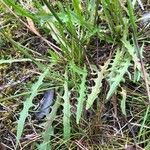
Scorzoneroides autumnalis
Autumnal Hawkbit · Autumn hawkbit · August-Flower · Fall Dandelion · Fall Hawkbit
Description
Source: leafsnapScorzoneroides autumnalis, commonly called autumn hawkbit, is a perennial plant species, widespread in its native range in Eurasia (from Europe east to western Siberia), and introduced in North America.The plant is sometimes called fall dandelion, because it is very similar to the common dandelion (one of the main differences being a branched stem with several capitula), but "yellow fields", covered by this plant appear much later than dandelions, towards the autumn in the Eastern Europe. In the Latin synonym of the plant name, Leontodon autumnalis,"leontodon" means "lion's tooth", the same as "dandelion".
🎭 Basic, prickly, pointed
Care Guide
💧 Water
The Autumn hawkbit flourishes in temperate climates where there is moderate moisture. It prefers soil that remains consistently moist, but not waterlogged. For best results, water the plant weekly to maintain this balance. Typically, Autumn hawkbit is grown outdoors where it can adapt to rainfall, ensuring it gets enough hydration during the growing season without the need for manual irrigation.
How should I water my Autumn hawkbit?
To care for the Autumn hawkbit, it is best to water it with filtered water at room temperature or slightly warmer. Tap water may contain harmful particles. The plant prefers warm environments, so cold water can be a shock to it. Avoid overhead watering to prevent foliage complications. Instead, water the soil directly until it is completely soaked. This benefits the plant by moistening the roots and assisting nutrient absorption.
What do I do if I give my Autumn hawkbit too much or too little water?
Overwatering and underwatering can both harm the health of your Autumn hawkbit, but overwatering is more common. When this plant gets too much water, its stems and leaves may wilt and turn yellow. Overwatering for a long time can also cause diseases like root rot, mold, and mildew, which can be fatal. Underwatering is less likely for the Autumn hawkbit because it can handle drought. However, it is still a possibility and can be identified by brittle, brown leaves. It is important to recognize the signs of overwatering quickly in order to care for your Autumn hawkbit. Some diseases caused by overwatering, like root rot, may not be fixable if you wait too long. If you notice early signs of overwatering, reduce the amount of watering immediately. Check the soil quality to see if it drains properly, and if it doesn't, replace it with a loose, well-draining potting mix. If you see signs of your Autumn hawkbit not getting enough water, simply water it more regularly until the signs disappear.
How frequently do I need to water my Autumn hawkbit?
If you have your Autumn hawkbit in a pot, the best way to determine if it needs watering is to stick your finger in the soil. If the top two to three inches are dry, then it's time to water it. If you have your Autumn hawkbit planted outdoors in the ground, you can use the same method. Once the top few inches of soil have dried out, it's time to water. Typically, during spring and early fall, you'll need to water this plant about once a week using this method. However, during hot weather, you may need to increase watering to about twice a week or more. It's worth noting that mature and well-established Autumn hawkbit plants have a great ability to survive drought conditions.
How much water does my Autumn hawkbit plant need?
To properly water your Autumn hawkbit, do not be afraid to give it a generous amount of water. Make sure the top two to three inches of soil are dry before watering thoroughly. It is important to fully saturate the soil, allowing excess water to drain through the pot's drainage holes. If you do not see any excess water draining, you might not have given enough water. However, be cautious of water accumulating in the soil, as this can harm the plant. Additionally, if water is not draining properly, it could indicate poorly draining soil, which is detrimental to the plant's health. If the plant is outside, it generally requires about 1 inch of rain per week.
How should I water my Autumn hawkbit as it grows?
The water needs of the Autumn hawkbit vary depending on its growth stages. In the first few years of its life or after transplanting, it requires more water. During these stages, the plant focuses on developing new roots, which need extra moisture. After a few seasons, the water requirements reduce. Additionally, the bloom period is another stage where the plant may need more water due to increased flower development.
☀️ Light Full sun
Autumn hawkbit grows best in locations with full sun for most of the day, though it can tolerate some shade. Sun-drenched original habitats promote healthier growth. Both too little and too much light hinder its development.
What are the sunlight requirements for Autumn Hawkbit?
Autumn Hawkbit thrives best in areas where it can receive full exposure to the sun for the majority of the day. It requires above 6 hours of sunlight for optimal growth (full sun) but can adjust to conditions with about 3-6 hours of sunlight (partial sun). While it is adaptable to somewhat shaded conditions, its growth is healthiest when it originates from environments that are sun-drenched. Insufficient or excessive light can impair its development. It's beneficial to observe how sunlight moves through your garden to select spots offering the ideal balance of light and shade, ensuring the plants' well-being.
How can artificial lighting support indoor Autumn Hawkbit plants?
For optimal growth of indoor Autumn Hawkbit plants, adequate lighting is crucial. When natural sunlight is insufficient, especially during winter or in less sunny spaces, artificial lighting can provide an essential solution. LED lights are recommended as they can be customized to supply specific wavelengths needed by your plants. Full sun plants require 30-50W/sq ft of artificial light, partial sun plants need 20-30W/sq ft, and full shade plants need 10-20W/sq ft. The correct distance for placing lights is 12-36 inches above the plant, mimicking natural sunlight. Furthermore, it's vital to mimic the natural daylight hours for your plant species, with most plants needing 8-12 hours of light per day.
What are the signs of inadequate lighting in Autumn Hawkbit?
When Autumn Hawkbit is placed in rooms with inadequate lighting, it may show symptoms such as small leaves, leggy or sparse growth, faster leaf drop, slower or no new growth, lighter-colored new leaves, chlorosis (leaves turning yellow), sunscald, leaf curling, wilting, and leaf scorching. These symptoms indicate the plant's struggle with low light conditions, where it tries to conserve resources, leading to a delay or halt in growth. Insufficient sunlight also results in pale leaves due to a lack of chlorophyll and essential nutrients, while excessive sunlight can cause leaf damage and reduce overall health.
What solutions can mitigate light deficiency issues for Autumn Hawkbit?
To ensure optimal growth and mitigate light deficiency in Autumn Hawkbit, gradually increase exposure to sunlight. For indoor plants, move them weekly to sunnier locations until they receive at least 6 hours of direct sunlight daily, utilizing a south-facing window to maximize exposure. If the plant is large or not easily movable, supplement with artificial light, keeping a desk or ceiling lamp on for at least 8 hours daily or investing in professional plant grow lights. For outdoor plants, intermittently move them to sunnier spots to adjust without causing sunburn. Reducing obstructions by observing and modifying the environment, such as pruning trees, is crucial. For smaller plants, consider transplanting during their dormant period to a location with ample sunlight and good drainage. Remember, parts of the plant affected by insufficient light might not recover, but new growth will be healthy after adjusting the light conditions.
🌡️ Temperature 0–32.2°C
Autumn hawkbit grows best in temperatures from 32°F (0°C) to 90°F (32°C). In its native growth environment it occurs in temperate areas with cool to mild temperatures. In autumn and winter it can withstand temperatures down to the freezing point.
What temperature range is suitable for Autumn hawkbit?
Autumn hawkbit thrives in temperatures ranging from 32°F (0°C) to 90°F (32°C). It is native to temperate regions where it experiences cool to mild temperatures. The plant is highly cold-tolerant, able to withstand temperatures down to freezing during autumn and winter. It doesn't require special frost protection, but generous watering before the first freeze of autumn is recommended to maintain soil moisture through winter.
What should I do if the winter temperature drops below -40°C for Autumn hawkbit?
Autumn hawkbit can endure extremely cold temperatures, but if the mercury dips below -40°C, the plant may show no noticeable changes during winter. However, come spring, there could be a reduction in sprouting, or the plant might not sprout at all. To address this, remove any parts of the plant that have failed to sprout in the spring.
How does Autumn hawkbit react to high temperatures, and how can I protect it?
Autumn hawkbit does not fare well in high temperatures. Growth halts and the plant becomes prone to rot when temperatures exceed 32°C (90°F). To protect the plant in such conditions, trim away any sunburned or dried-up parts. Moving the plant to a location with afternoon shade or using a shade cloth can help. Additionally, watering the plant in the morning and evening will keep the soil moist and help the plant stay cool.
💨 Humidity
🪴 Soil 6-7
🌱 Fertilizer
One fertilizer application in spring is typically enough for Autumn hawkbit, though repeated feedings can boost growth. Apply fertilizer once every month to six weeks. Fertilizing improves the leaves' appearance and function, supporting even color and a healthy texture. It also encourages root development and nutrient uptake, benefiting the plant's long-term health.
🪴 Pot & Repot 2-3 years
When repotting Autumn hawkbit, choose a pot 1-2 inches (2.5–5.1 cm) larger with ample drainage. Use a well-draining potting mix. Repot in spring or fall, making sure the root ball is slightly lower than the rim of the flower pot. Water thoroughly after repotting and place it in a warm spot with indirect sunlight.
✂️ Pruning
🌿 Propagating
🐛 Diseases & pets
☠️ Toxicity
Characteristics
- Plant Type
- Herb
- Life Cycle
- Perennial
- Genus
- Scorzoneroides
- Family
- Asteraceae
- Hardiness Zone
- 2-7
- Mature Height
- 30 cm
- Mature Spread
- 46 cm
- Leaf Color
- Green, Blue
- Leaf Type
- Deciduous
- Flower Color
- Yellow
- Flower Size
- 3.05 cm
- Bloom Time
- Late spring, Early summer, Mid summer
- Planting Time
- Spring
- Harvest Time
- Summer