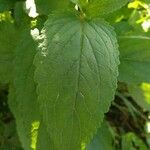
Scrophularia auriculata
Water Figwort · Water betony · Shoreline figwort
Description
Source: leafsnapScrophularia auriculata, commonly known as water figwort or ear-leaved figwort, is a perennial herbaceous plant that belongs to the family Scrophulariaceae. Native to Europe and Asia, it thrives in damp environments such as riverbanks, wet meadows, and marshes. The plant can reach up to 1.5 meters in height and features a woody stem that often branches at the top. Its leaves are positioned opposite one another and have a heart-shaped base with serrated edges. The flowers are small and greenish-brown, with five petals fused at the base to form a tube-like structure. Scrophularia auriculata has been used for medicinal purposes for centuries due to its anti-inflammatory properties. It has been employed to treat various ailments, including skin conditions, respiratory problems, fever, headaches, and digestive issues. The plant also plays a crucial role in the ecosystem, providing a food source for numerous insects. Bees, for instance, feed on its nectar, while butterflies lay their eggs on its leaves. In summary, Scrophularia auriculata is a significant perennial herb that offers both medicinal benefits and sustenance for insects, making it an essential component of many ecosystems worldwide.
Care Guide
💧 Water Every 7 days
Water figwort thrives in moist environments, needing consistent hydration and weekly watering. As a herbaceous perennial, it grows well outdoors, where natural rainfall and humidity boost its growth during the active season.
How should I water my Water figwort plant?
To take care of the Water figwort plant, it is best to use filtered water at room temperature or slightly warmer. Tap water may contain harmful particles, so filtering it is important. The plant prefers warm conditions, so using cold water can be a shock to its system. Avoid overhead watering, as it can cause problems with the foliage. Instead, pour the filtered room temperature water onto the soil until it is completely soaked. This method helps moisten the roots and allows them to spread through the soil to gather the necessary nutrients.
What should I do if I give too much or too little water to my Water figwort?
When caring for your Water figwort, both overwatering and underwatering can harm its health, but overwatering is more common. Too much water can cause wilting, yellowing leaves, and diseases like root rot, mold, and mildew that can kill the plant. Underwatering is less likely as the Water figwort is drought tolerant, but it can cause brittle, brown leaves. It's important to recognize signs of overwatering promptly. Some diseases, like root rot, may be irreversible if not addressed quickly. If you notice early signs of overwatering, reduce watering immediately and check the soil's drainage. Replace poorly draining soil with a loose, well-draining potting mix. If your Water figwort shows signs of insufficient water, increase watering until the signs disappear.
How often do I need to water my Water figwort plant?
If your Water figwort plant is in a pot, the most accurate way to determine if it needs water is by checking the soil with your finger. If the top two to three inches of soil feel dry, then it's time to water. If you have the Water figwort planted outdoors in the ground, you can use a similar method. Once again, if the first few inches of soil are dry, it's time to give it some water. Typically, during the spring and early fall, watering once a week using this method should be enough. However, when it gets very hot, you may need to water twice a week or more. Nevertheless, it's worth mentioning that mature and well-established Water figwort plants have a remarkable ability to withstand drought.
How much water does my Water figwort plant need?
When watering your Water figwort, it's important to be generous with the amount of water you provide. Wait until the top two to three inches of soil are dry, and then give the plant a thorough watering. Make sure to water enough to completely saturate the soil, allowing excess water to drain out of the pot through the drainage holes. If you don't see any excess water draining, you may need to water more. However, be careful not to let the water accumulate in the soil, as this can be harmful to the plant. On the other hand, if water is not draining through the pot, it could be a sign of poorly draining soil, which is not good for the plant's health. If the plant is outside, receiving about 1 inch of rain per week should be enough.
How do I water my Water figwort as it grows?
The water needs of the Water figwort can vary depending on its growth stages. In the first few years of its life or after transplanting, it requires more water. During these stages, the plant focuses on growing new roots, which need extra moisture for optimal performance. As the Water figwort matures, it will require less water. Additionally, during the bloom period, when the plant is producing flowers, it may need more water to support the development of its blooms.
☀️ Light Partial sun
The water figwort prefers a substantial amount of sunlight but not intense exposure. Native to areas where tall trees cast dappled shade, it does best in mixed light. Excessive sun can damage its growth, while too little light can impede flowering and overall vigor.
What are the sunlight requirements for Water Figwort?
Water Figwort requires partial sun, about 3-6 hours of sunlight a day. It's important to observe your garden's sunlight patterns to find the right balance of light and shade. This plant originates from environments with dappled cover from tall trees, so it prefers mixed light conditions. Direct overexposure or insufficient light might harm its growth, affecting flowering and vitality. In case of low natural light, especially in indoor settings, supplementing with artificial light such as LED lights, adjusting for 20-30W per square foot for partial sun plants, can promote healthier growth.
What are the signs of insufficient light for Water Figwort?
When Water Figwort doesn't receive enough light, it may exhibit several symptoms: the appearance of smaller new leaves, leggy or sparse growth, faster leaf drop, slower or ceased new growth, pale or irregularly colored new leaves indicating a lack of chlorophyll, and possibly chlorosis. Additionally, excessive sunlight can cause symptoms such as leaf scald, leaf curling to minimize surface area exposure, wilting due to increased water loss, and leaf scorching. These indicate the plant's struggle with the current light conditions.
How can you address light-related issues in Water Figwort?
To optimize Water Figwort's health in relation to light, gradually increase its sun exposure weekly until it receives the recommended 3-6 hours of direct sunlight daily. For indoor or immovable plants, consider using artificial lights, keeping them on for at least 8 hours a day. Outdoor plants should similarly be moved gradually to sunnier spots to avoid shock and sunburn. If trees are blocking sunlight, prune them to increase light penetration. For smaller plants that can be moved, consider transplanting during their dormant period to a location with ample sunlight and good drainage. It's crucial to understand that parts of the plant already damaged by insufficient sunlight might not recover, but new growth will be healthier with improved light conditions.
🌡️ Temperature 10–35°C
Water figwort is native to temperate regions. It generally does well in temperatures from 50 to 95 °F (10 to 35 °C). If conditions deviate, adjustments may be necessary to recreate its native environment.
What is the native climate of Water Figwort?
Water Figwort, botanically known as Scrophularia auriculata, is native to regions with temperate climates. It thrives best in temperatures that range between 50 to 95°F (10 to 35°C). Being native to these temperate conditions means that Water Figwort has a strong cold resistance, hence special frost protection measures are generally not necessary during the winter months. However, adapting to environments outside these temperature ranges may necessitate specific adjustments to closely mimic its natural habitat.
What special care is needed for Water Figwort during winter?
During winter, Water Figwort can generally withstand cold without special frost protection due to its strong cold resistance. Nonetheless, if winter temperatures are anticipated to drop below -25°C, it becomes important to provide cold protection to prevent potential damage. This can be achieved by covering the plant with insulating materials such as soil or straw. Moreover, it's recommended to water the plant abundantly before the first freeze of autumn. Ensuring the soil is moist as it enters a frozen state can help prevent drought during the winter and early spring, providing a more favorable condition for the plant.
How does Water Figwort react to temperatures below -25°C?
Although Water Figwort is capable of tolerating low temperatures, when the mercury dips below -25°C, the plant may not exhibit any noticeable changes during the winter. However, the cold might negatively impact its ability to sprout during the following spring, leading to decreased sprouting or, in some cases, no sprouting at all. To address this, any parts of the plant that have failed to sprout by spring should be removed to encourage new growth and maintain plant health.
What are the symptoms and solutions for Water Figwort in high temperatures?
Water Figwort should ideally be kept below 35°C during the summer. If the temperature climbs beyond 41°C, the plant's leaves may start showing signs of distress such as becoming lighter in color, curling, being prone to sunburn, and in severe cases, the entire plant may wilt and dry out. To combat these issues, it's advisable to trim away any sunburned or dried-up parts of the plant. Relocating the plant to a shaded area or using a shade cloth to protect it from the midday and afternoon sun can prevent further damage. Additionally, watering the plant during the cooler morning and evening hours can help keep the soil adequately moist and support the plant under high temperature conditions.
💨 Humidity
🪴 Soil 6-7
🌱 Fertilizer
A single fertilizer application in spring is typically enough for Water figwort, although repeated feedings can maximize growth. Feed it every one to one and a half months. Fertilizing improves the leaves' appearance and function, keeping color even and texture healthy. It also promotes root development and nutrient uptake, supporting the plant's long-term health.
Why should I use fertilizer on my Water figwort?
The main structure of the Water figwort is made up of its leaves. Fertilization is crucial for ensuring that the leaves look great and fulfill their function effectively. Proper fertilization promotes consistent leaf color and a healthy texture. Additionally, fertilization has benefits below the soil surface, as it aids in the growth of new roots and the maintenance of existing roots. This means that fertilization not only keeps the plant healthy presently, but also enhances its ability to absorb soil nutrients in the future.
When should I fertilize my Water figwort?
If you grow your Water figwort outdoors every year, it will start growing new leaves in early spring. This is a sign that it's time to fertilize. Usually, one application of fertilizer is enough, but if you want to maximize growth, you can fertilize multiple times in spring and early summer. In this case, feed your Water figwort every month to a month and a half.
When is the best time to not fertilize my Water figwort?
During the late fall and winter, your Water figwort goes into a dormant phase and stops producing new growth. Therefore, it's best not to fertilize it during this time. In the spring and summer, if you decide to fertilize, gradually reduce the amount of fertilizer as summer approaches, since the growth rate of your Water figwort will also decrease. Avoid fertilizing when the weather is unusually hot or the soil is very dry, as this can cause stress and lead to the premature death of your Water figwort.
What kind of fertilizer does my Water figwort plant need?
Choosing the best fertilizer for a Water figwort is actually quite simple. These plants do well with a general-purpose garden fertilizer that has equal amounts of nitrogen, phosphorus, and potassium. An ideal ratio is 10-10-10 or similar. It's best to avoid fertilizers with high levels of nitrogen if you're unsure. Granular fertilizers are most effective for Water figwort and should be slow-release for easy application to the soil. Additionally, using an organic soil amendment like compost can be beneficial for feeding your Water figwort.
How can I fertilize my Water figwort plant?
To ensure the best growth for your Water figwort, wait until its first leaves appear in early spring. Then, apply a slow-release fertilizer with a balanced formula to the soil around the plant's base. You can repeat this process later in the season if desired. When applying fertilizer, focus on the soil rather than the plant itself. Sometimes, you may need to move leaves to access the soil above the roots. Additionally, it's a good idea to water your Water figwort before and after feeding it.
🪴 Pot & Repot
✂️ Pruning
Water figwort flourishes in wet environments and benefits from pruning between early and late spring. To encourage healthy growth and abundant flowering, trim about one-third of the plant and remove any dead stems. This helps to promote bushiness, prevent overcrowding, and reduce the risk of disease.
🌿 Propagating
🐛 Diseases & pets
☠️ Toxicity
Echeverias is not toxic to humans or pets, so it's safe to have it around since no harm toxic substance have been detected that can cause sickness or allergies
Characteristics
- Plant Type
- Herb
- Life Cycle
- Perennial
- Genus
- Scrophularia
- Family
- Scrophulariaceae
- Hardiness Zone
- 6-10
- Mature Height
- 61 cm
- Mature Spread
- 10 cm to 49 cm
- Leaf Color
- Green
- Leaf Type
- Deciduous
- Flower Color
- Purple
- Flower Size
- 2.54 cm
- Bloom Time
- Early summer, Mid summer
- Planting Time
- Spring, Autumn
- Harvest Time
- Mid summer
- Native Area
- Africa