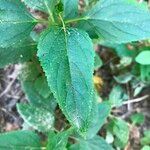
Scrophularia nodosa
Woodland figwort · Common Figwort · Figwort · Carpenter's square · Throatwort
Description
Source: leafsnapScrophularia nodosa (also called figwort, woodland figwort, and common figwort) is a perennial herbaceous plant found in temperate regions of the Northern hemisphere except western North America. It grows in moist and cultivated waste ground.
🌳 Woodland figwort is frequently overlooked for its potential as an environmental indicator. Because it prefers fertile, moist soils, woodland figwort can point to the health and fertility of the land. Its presence could have guided ancient agricultural practices and can inform modern-day ecological monitoring. Furthermore, woodland figwort may be of interest to permaculture designers who want to understand and work with the existing ecology of a landscape.
Care Guide
💧 Water
Woodland figwort thrives best in temperate woodlands with moderately moist soil. Ideally, it should be watered weekly, although it can withstand short periods of dryness. Natural rainfall helps fulfill its seasonal water requirements, effectively supporting its growth cycles.
What's the easiest way to water my Woodland figwort?
To properly water the Woodland figwort, use filtered water at room temperature. Tap water may contain harmful particles for this plant. The recommended temperature is room temperature or slightly warmer to avoid shocking the plant. Avoid overhead watering to prevent foliage issues. Instead, apply the filtered room temperature water directly to the soil until it is completely soaked. This method benefits the plant by moisturizing the roots and allowing them to spread and absorb necessary nutrients.
What should I do if I give my Woodland figwort plant too much or too little water?
Overwatering is a common issue for Woodland figwort, causing wilted and yellowed stems and leaves. It can also lead to deadly diseases like root rot, mold, and mildew. Underwatering is less common but can cause brittle and brown leaves. It's important to recognize signs of overwatering early, as some diseases may not be fixable if left untreated. Reduce watering and assess soil quality if overwatering is suspected. To address underwatering, simply increase watering until symptoms improve.
How often should I give water to my Woodland figwort?
If your Woodland figwort is in a pot, the most accurate way to determine if it needs water is by sticking your finger into the soil. If the top two to three inches of soil feel dry, it's time to water it. If you're growing your Woodland figwort outdoors in the ground, you can use the same method to test the soil. Once the top few inches of soil have dried out, it's time to water it. Usually, during the spring and early fall, you'll need to water this plant about once a week using this method. However, during extremely hot weather, you may need to water it twice a week or more. Despite this, fully developed and established Woodland figwort plants have a remarkable ability to tolerate drought.
How much water does my Woodland figwort plant need?
When watering your Woodland figwort, don't be afraid to give it a lot of water. Make sure the top few inches of soil are dry before watering and then give it a good, thorough soaking. The amount of water should be enough to cause excess water to drain from the bottom of the pot. If you don't see water draining out, you may not have watered enough. But be careful not to let the water accumulate in the soil, as this can harm the plant. On the other hand, if no water is draining, it could be a sign of poorly draining soil, which is not good for the plant's health. If the plant is outside, 1 inch of rain per week should be enough.
How should I water my Woodland figwort as it grows?
The water requirements of the Woodland figwort can vary based on different growth stages. In the first few years or after transplanting, it will need more water to support root development for future growth. As it becomes more mature, it will require less water. Additionally, during the bloom period, the plant will need extra water to support flower development.
☀️ Light Full sun
The woodland figwort does best in spots that receive unbroken sunshine throughout the day, though it can also tolerate locations where sunlight is present but not strong. Its health can suffer from either too much or too little sunlight, which affects its growth and vigor.
What are the sunlight requirements for Woodland Figwort?
Woodland Figwort thrives best in full sun conditions, requiring above 6 hours of sunlight daily. It can also adapt to partial sun, where it receives about 3-6 hours of sunlight. Observing your garden's lighting throughout the day helps in choosing the right spots that provide a balance of light and shade, ensuring the plants' optimal growth and happiness.
How important is sunlight for the health of Woodland Figwort?
Sunlight is crucial for the health of Woodland Figwort, as it thrives in areas with abundant daily sun exposure. However, it can also adapt to environments where sunlight is present but not overly intense. The plant's growth and vitality can be negatively impacted by both excessive and insufficient sunlight. Inadequate lighting, especially indoors, can be compensated for with artificial lighting sources such as LED lights, to promote healthier growth by providing the necessary wavelengths of light.
What are the symptoms of light deficiency or excessive sunlight in Woodland Figwort?
Symptoms of light deficiency in Woodland Figwort include smaller new leaves, leggy or sparse growth, faster leaf drop, slower or halted growth, and pale new leaves. Excessive sunlight can cause chlorosis, sunscald, leaf curling, wilting, and leaf scorching. These indicators reflect the plant's struggle with adapting to its lighting environment and can significantly affect its health and appearance.
How can I address lighting issues for my Woodland Figwort?
To address lighting issues, gradually introduce your Woodland Figwort to sunnier spots to ensure it receives at least 6 hours of direct sunlight daily. For indoor plants, consider using artificial light if moving the plant is not feasible, aiming to provide at least 8 hours of light per day. Outdoors, avoid sudden changes in light exposure to prevent sunburn. Reducing obstructions like overhanging branches, or transplanting to a better-lit area, can also help. Unfortunately, parts of the plant damaged by poor light may not recover, but new growth should be healthy following these adjustments.
🌡️ Temperature 10–35°C
Woodland figwort originates from habitats that generally stay between 50 and 95 °F (10 to 35 ℃). Its preferred temperature is 50 to 95 °F (10 to 35 ℃). Seasonal temperature adjustments are not required.
What is the native temperature range for Woodland figwort?
Woodland figwort (Scrophularia nodosa) thrives in environments that typically maintain a temperature range between 50 to 95 °F (10 to 35 °C). This indicates its preference for mild to warm conditions, and it does not require seasonal temperature adjustments due to its strong cold resistance. Special frost protection measures are usually unnecessary, but in regions where winter temperatures can drop below -25°C, providing cold protection with soil or straw covering is recommended. Additionally, abundant watering before the first freeze in autumn helps the soil remain moist and prevents drought and water scarcity during winter and early spring.
How does Woodland figwort respond to low temperatures?
Woodland figwort is notably cold-tolerant and generally thrives best when the temperature remains above 10°C. During winter, it should ideally be kept above -15°C for optimal health. However, when temperatures fall below -25°C, while the plant may not show noticeable changes during the winter, there can be a decrease in sprouting activity or even complete failure to sprout in the following spring. In such cases, the recommended solution for the spring season is to remove any parts of the plant that have failed to sprout, aiding its recovery and growth.
What should be done if Woodland figwort experiences high temperatures?
During the summer months, it is important to ensure that Woodland figwort does not experience temperatures above 35°C. Exceeding this threshold can lead to the leaves becoming lighter in color, curling, and becoming susceptible to sunburn, with severe cases potentially resulting in the entire plant wilting and drying up. To mitigate these risks, affected parts of the plant should be trimmed away, and the plant itself should be moved to a location that offers shade during the midday and afternoon sun, or a shade cloth may be used to artificially provide shade. Additionally, watering the plant in the morning and evening will help keep the soil moist and protect the plant from heat stress.
💨 Humidity
🪴 Soil 6-7
🌱 Fertilizer
Usually one application of fertilizer in spring is enough for Woodland figwort, though repeated feedings can help maximize growth. Feed it every month to month and a half. Fertilizing improves the leaves’ appearance and function, helping maintain consistent color and a healthy texture. It also encourages root development and nutrient uptake to support long-term plant health.
Why is it necessary to fertilize my Woodland figwort plant?
The main structure of the Woodland figwort is made up of its leaves. Fertilizing the plant is important for maintaining the appearance and function of these leaves. Proper fertilization will ensure that the leaves have consistent color and a healthy texture. Fertilization also benefits the plant's root system by promoting the growth of new roots and maintaining existing ones. This not only keeps the plant healthy in the present but also helps it absorb nutrients from the soil more efficiently in the future.
When should I fertilize my Woodland figwort plant?
If you grow your Woodland figwort outdoors each year, it will send new growth in early spring, which is when you should start fertilizing. Usually, one application of fertilizer is enough, but if you want your figwort to grow more, you can fertilize it multiple times throughout spring and early summer. In this case, you can feed your figwort about once every month to a month and a half.
When is it not a good time to fertilize my Woodland figwort plant?
During late fall and winter, your Woodland figwort enters a dormant phase and stops producing new growth. Therefore, it is not recommended to fertilize during this time. In spring and summer, if you choose to fertilize multiple times, it is important to gradually reduce the fertilization rate as summer approaches because the growth rate of your Woodland figwort will also slow down. In general, it is not advisable to fertilize your Woodland figwort during extremely hot weather or when the soil is exceptionally dry. Fertilizing in such conditions can stress your Woodland figwort and lead to premature death.
What kind of plant food does my Woodland figwort need?
Choosing the best fertilizer for a Woodland figwort is simple. These plants thrive on a general-purpose garden fertilizer with equal amounts of nitrogen, phosphorus, and potassium, like a 10-10-10 ratio. Avoid fertilizers high in nitrogen. Granular slow-release fertilizers are ideal and easy to apply. Consider using organic compost as a soil amendment for additional nourishment.
How can I give nutrients to my Woodland figwort to help it grow?
To help your Woodland figwort thrive, wait until early spring when it starts emerging from the soil. Once you see the first leaves, apply a granular slow-release fertilizer with a balanced formula to the soil around the plant's base. You can repeat this process later in the season if desired. Remember to always apply the fertilizer to the soil, not the plant itself. You may need to move some leaves aside to access the soil above the roots. It's also beneficial to water your Woodland figwort before and after fertilizing.
🪴 Pot & Repot
✂️ Pruning
Woodland figwort is characterized by its tall stalks and clusters of tubular flowers. To promote growth, maintain its shape, and prevent overcrowding, prune the plant in early spring. This practice also improves air circulation and encourages better flowering. Be sure to use sterilized tools for clean cuts to minimize the risk of disease.
🌿 Propagating
🐛 Diseases & pets
☠️ Toxicity
Characteristics
- Plant Type
- Herb
- Life Cycle
- Perennial
- Genus
- Scrophularia
- Family
- Scrophulariaceae
- Hardiness Zone
- 6-9
- Mature Height
- 91 cm
- Mature Spread
- 49 cm
- Leaf Color
- Green
- Leaf Type
- Deciduous
- Flower Color
- Brown, Green
- Flower Size
- 0.76 cm to 1.27 cm
- Bloom Time
- Early summer, Mid summer
- Planting Time
- Spring, Autumn
- Harvest Time
- Mid summer
- Native Area
- Turkey, Sweden, Austria, Slovakia, Montenegro, Slovenia, Croatia, Belarus, Russia, Germany, Estonia, Romania, Latvia, Belgium, Netherlands, France, Czech Republic, Bulgaria, Armenia, Poland, Greece, Ukraine, Serbia, Lithuania, Norway, Italy, Kazakhstan, Spain, Switzerland, Denmark, Finland, Albania, Ireland, United Kingdom, Hungary