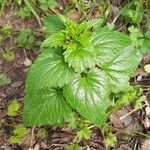
Scrophularia peregrina
Mediterranean figwort · Nettle-leaved Figwort
Description
Source: leafsnapScrophularia peregrina, the Mediterranean figwort, is a species of annual herb in the family Scrophulariaceae. They have a self-supporting growth form. Individuals can grow to 0.39 m.
Care Guide
💧 Water
The Mediterranean figwort is native to the Mediterranean region and thrives in environments with moderate water availability. It prefers to be watered consistently on a weekly basis and benefits from natural rainfall. Its water requirements are closely tied to its growing season, so managing soil moisture is crucial for maintaining its health and vitality.
How should I water my Mediterranean figwort plant?
Watering Mediterranean figwort is simple and flexible. You have several options to choose from, such as using a garden hose with a spray nozzle or a watering can. The plant is not particular about the type of water it receives, whether it's rainwater, tap water, or filtered water. However, it's best to avoid watering from above, as this can harm the leaves and flowers and potentially cause disease. A drip irrigation system is often the most effective watering method, ensuring even and direct watering of the soil. If your Mediterranean figwort is in a container, you can use a cup, watering can, or tap to water it directly into the soil.
What should I do if I give my Mediterranean figwort too much or too little water?
To prevent underwatering Mediterranean figwort, simply water it more regularly when you notice the soil is dry. However, overwatering can be a serious issue that could lead to diseases and death for the plant. To avoid this, choose a sunny location with well-draining soil to allow excess water to drain properly. If you've overwatered a potted Mediterranean figwort, consider repotting it into a new container with better drainage and loose soil.
How often should I water my Mediterranean figwort plant?
Mediterranean figwort requires regular watering throughout the growing season. In the spring, it is recommended to water this plant once a week. As the season progresses and temperatures rise, you may need to increase watering to two or three times per week. However, it is important not to exceed this frequency as it can harm the plant. Regardless of watering frequency, the soil should be kept relatively moist but not wet. If growing Mediterranean figwort in a pot, watering needs will be slightly different. Due to the faster drying of pot soil, it is generally necessary to water container-grown plants a few times per week compared to just once per week for plants in the ground.
How much water does my Mediterranean figwort require?
Determining the right amount of water for your Mediterranean figwort can be approached in a few different ways. Some gardeners prefer to assess the soil's moisture by feeling it with their hands. This method suggests watering until the top six inches of soil feel moist. Another option is to use a specific measurement as a guide. Generally, it is recommended to give your Mediterranean figwort about two gallons of water per week, depending on the temperature and how quickly the soil dries. However, sticking strictly to this guideline may result in overwatering if your plant requires less water. When growing Mediterranean figwort in a container, a different approach is necessary. In this case, you should water enough to moisten all the dry layers of soil. You can assess the moisture level by sticking your finger into the soil. Also, watering until you see a small amount of excess water draining from the pot's drainage holes is an indicator of adequate watering.
How do I know if I'm giving my Mediterranean figwort enough water?
Avoiding overwatering your Mediterranean figwort can be somewhat difficult as these plants have deep roots that require weekly soil moisture. However, be cautious as Mediterranean figwort are highly prone to root rot and browning caused by excess water. Underwatering is less of an issue for these plants as they can survive for a while without additional watering. However, if you go too long without watering, the plant may wilt and the leaves may become dry.
☀️ Light Partial sun
Mediterranean figwort comes from habitats with dappled light, such as forest understories or rocky sites that provide natural shade. It flourishes in partial sun but can also tolerate full sun conditions.
What are the sunlight requirements for Mediterranean figwort?
Mediterranean figwort thrives in environments that mimic its natural habitat of dappled sunlight, such as forest understories or rocky areas. It requires about 3-6 hours of sunlight daily, preferring partial sun but also capable of tolerating full sun conditions. It's essential to watch how sunlight moves through your garden to choose the best spots that offer a balance of light and shade, ensuring the plant's happiness.
How can artificial lighting be used for indoor Mediterranean figwort plants?
Indoor Mediterranean figwort plants require adequate lighting for optimal growth, especially when natural sunlight is insufficient. Artificial lights, particularly LED lights, are a great solution as they can be customized to provide specific wavelengths needed by the plants. For full sun plants, 30-50W/sq ft is needed; partial sun plants require 20-30W/sq ft, and full shade plants need 10-20W/sq ft. The light source should be placed 12-36 inches above the plant, mimicking natural sunlight, and most plants need 8-12 hours of light per day.
What are the symptoms of light deficiency in Mediterranean figwort?
Symptoms of light deficiency in Mediterranean figwort include small and lighter-colored new leaves, leggy or sparse growth, faster leaf drop, slower or no new growth, chlorosis (leaves turning yellow), sunscald (damage from intense sunlight), leaf curling, wilting, and leaf scorching. These symptoms may not be easily noticeable but become apparent when the plant is cultivated indoors with inadequate light.
How can you address inadequate sunlight for Mediterranean figwort?
To address inadequate sunlight for Mediterranean figwort, consider gradually shifting your plants to sunnier spots each week until they receive the desired 3-6 hours of direct sunlight daily, allowing them to adapt to changing light conditions. Utilize artificial light for indoor or immovable plants, keeping a lamp on for at least 8 hours daily or investing in professional plant grow lights. For outdoor plants, avoid sudden changes in light intensity to prevent sunburn. Note that while parts of the plant affected by insufficient sunlight may not recover, new growth should be healthy after light conditions improve.
🌡️ Temperature 15–35°C
Mediterranean figwort can tolerate a wide range of temperatures, but its distribution may still be restricted by different combinations of moisture and heat. It does best in warm summers with adequate rainfall or irrigation. Extended stretches of cloudy, rainy weather, as well as prolonged high temperatures, can increase the chance of Mediterranean figwort dying. In winter, proper protection from cold can improve the plant's survival.
💨 Humidity
🪴 Soil 6-7
🌱 Fertilizer
Mediterranean figwort benefits from regular, dilute fertilizer applications to encourage healthy leaf growth. Fertilize Mediterranean figwort about once a month during the summer. Nitrogen is essential for foliage, and supplying nitrogen-rich sources helps Mediterranean figwort thrive.
🪴 Pot & Repot
✂️ Pruning
The Mediterranean figwort is a tall, herbaceous perennial that benefits greatly from pruning in early to late spring. Removing dead stems during this time encourages healthy growth and vibrant flowering. By pruning back to strong buds, you can maintain the plant's shape and vigor, while also minimizing the risks of pests and diseases, ensuring a flourishing plant.
🌿 Propagating
🐛 Diseases & pets
☠️ Toxicity
Characteristics
- Plant Type
- Herb
- Life Cycle
- Annual
- Genus
- Scrophularia
- Family
- Scrophulariaceae
- Hardiness Zone
- 7-10
- Mature Height
- 15 cm to 91 cm
- Mature Spread
- 20 cm to 40 cm
- Leaf Color
- Green
- Leaf Type
- Semi-evergreen
- Flower Color
- Purple, Red
- Flower Size
- 0.51 cm
- Bloom Time
- Mid spring, Late spring, Early summer
- Planting Time
- Spring, Summer, Autumn
- Harvest Time
- Summer
- Native Area
- Libya, Tunisia, Turkey, Montenegro, Cyprus, Greece, Croatia, Lebanon, Russia, Serbia, Syria, Italy, Spain, France, Albania, Portugal