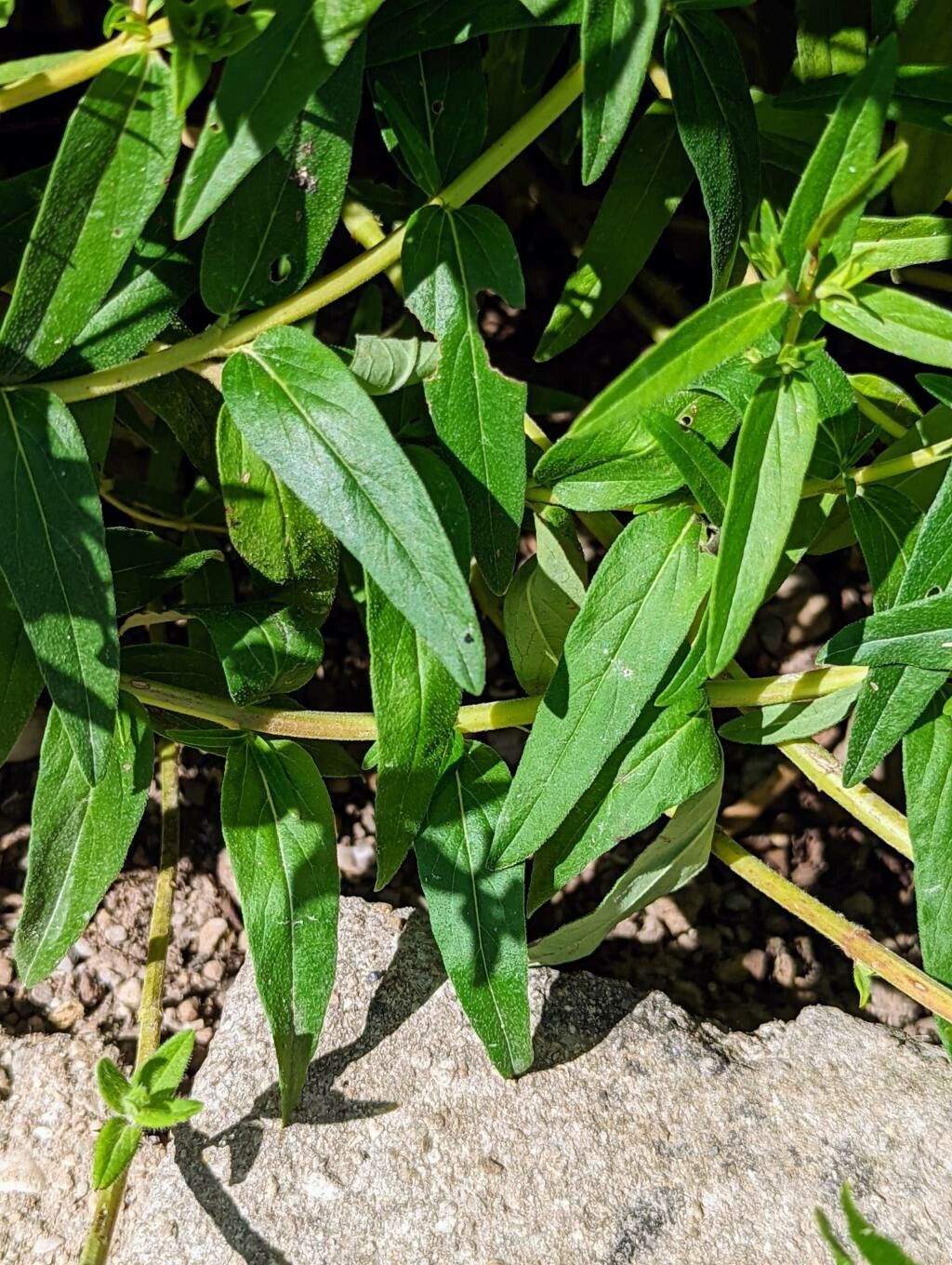
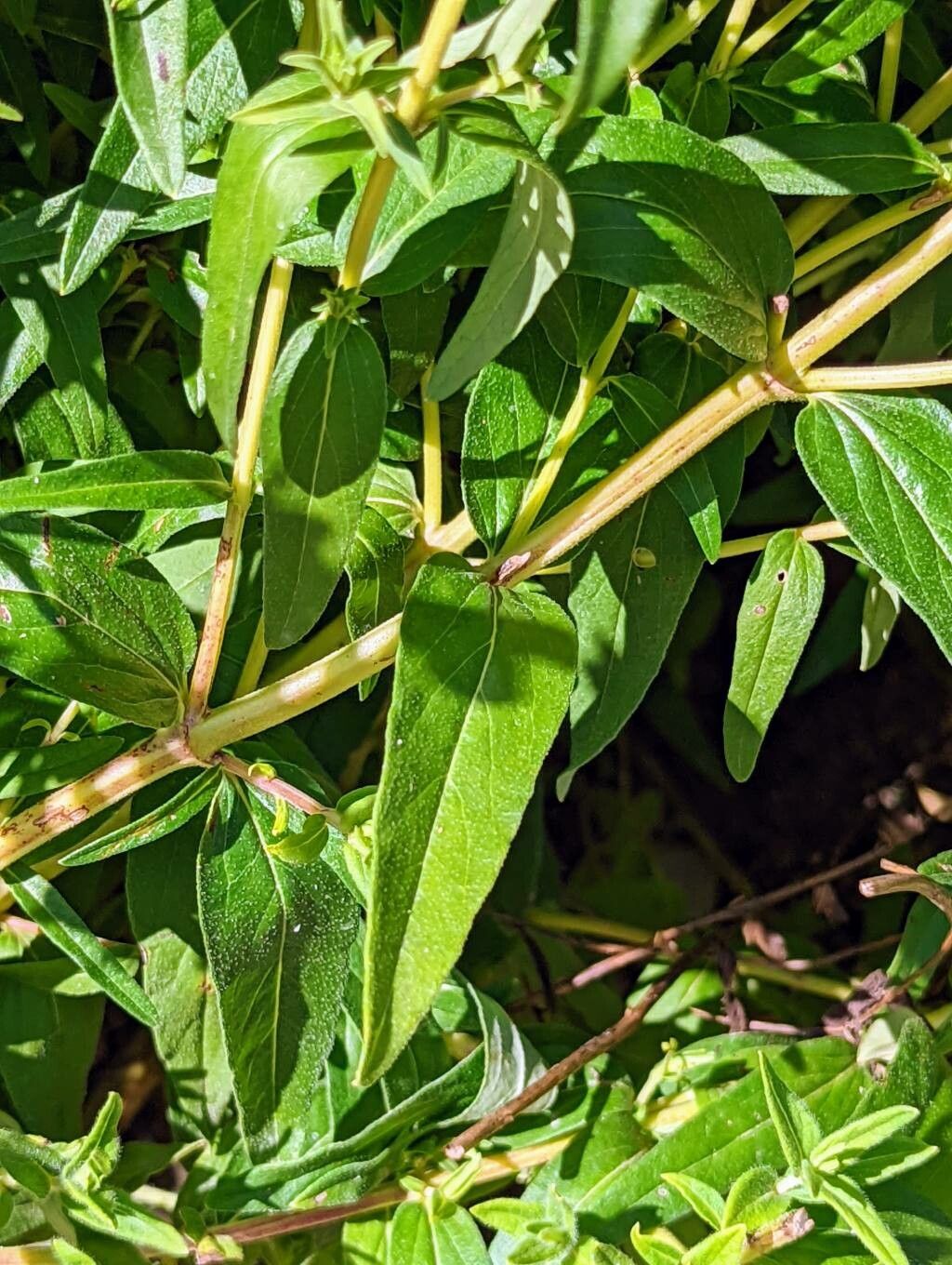
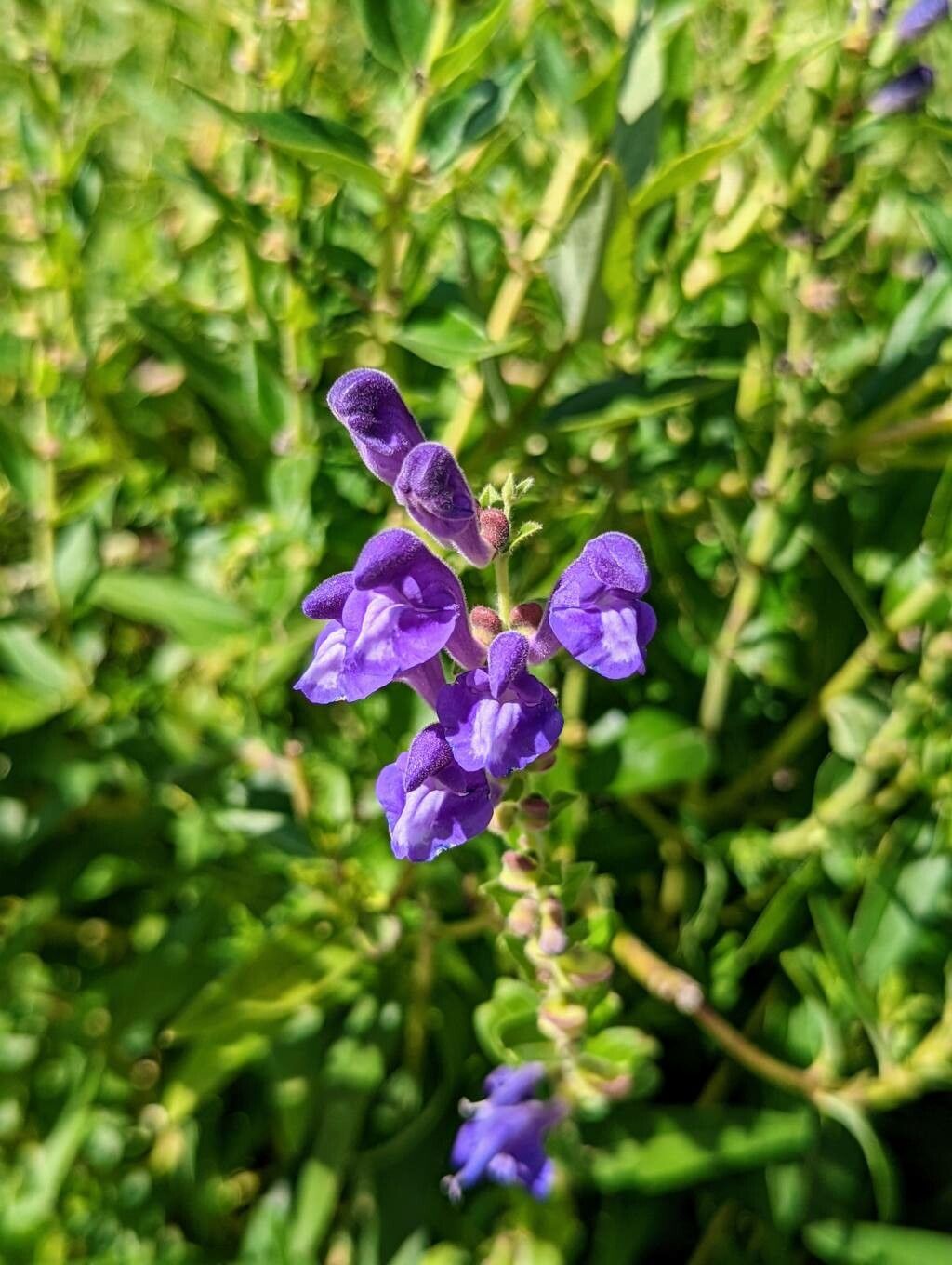
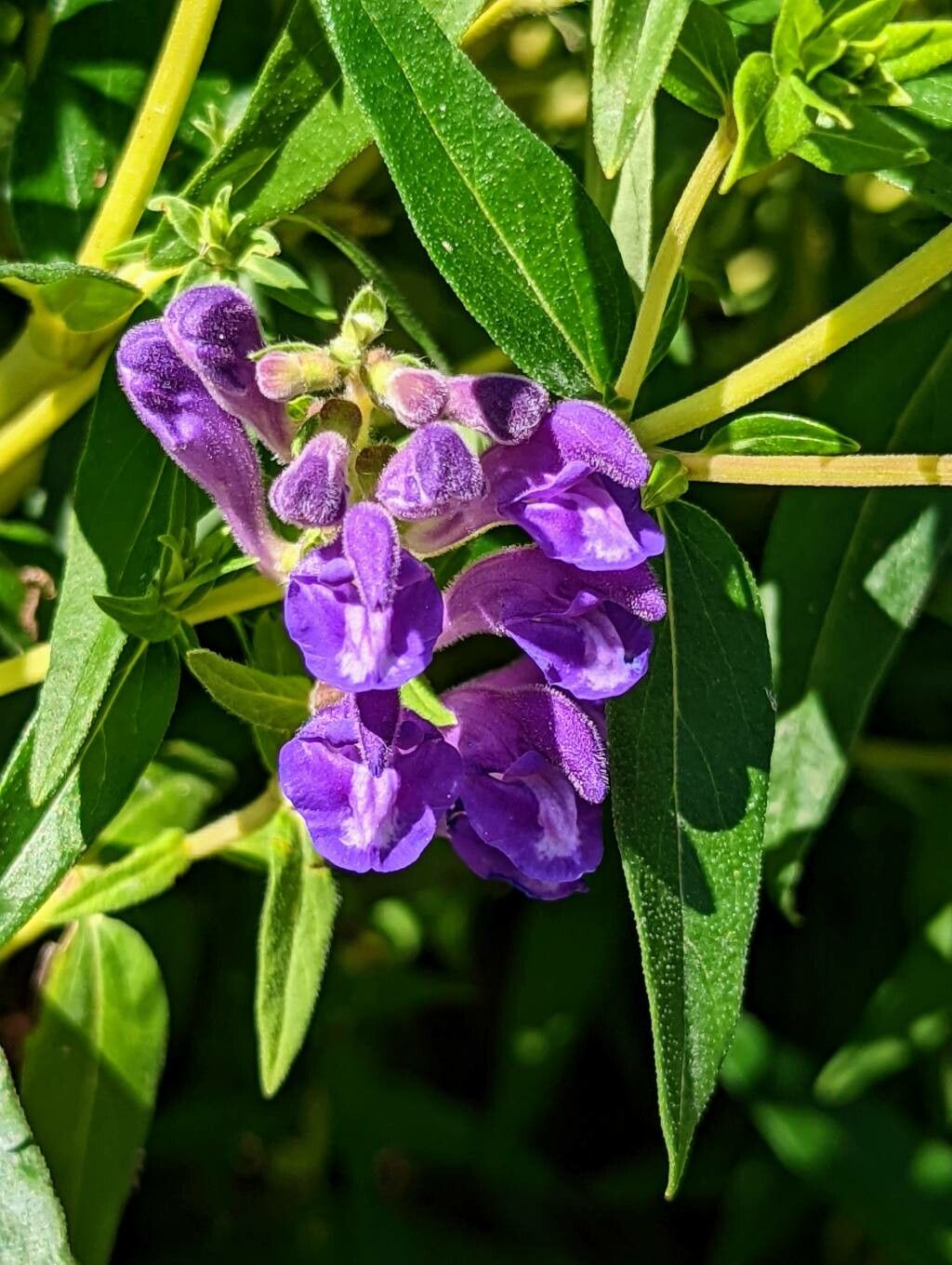
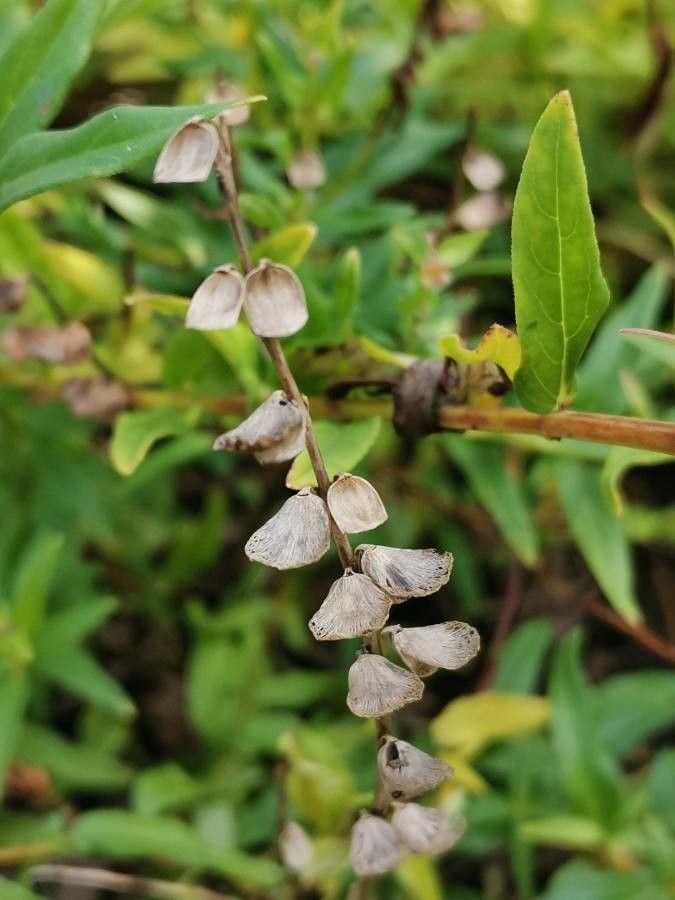
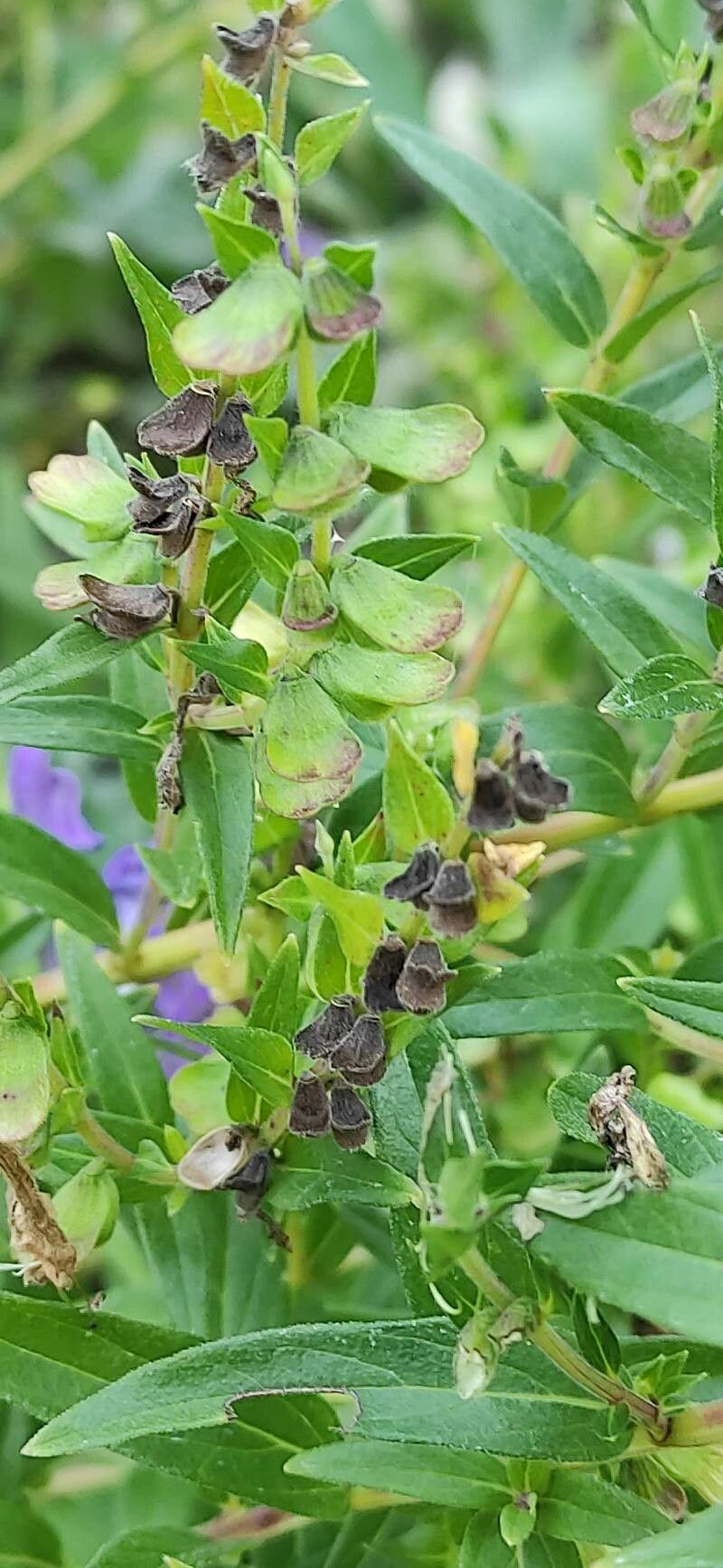
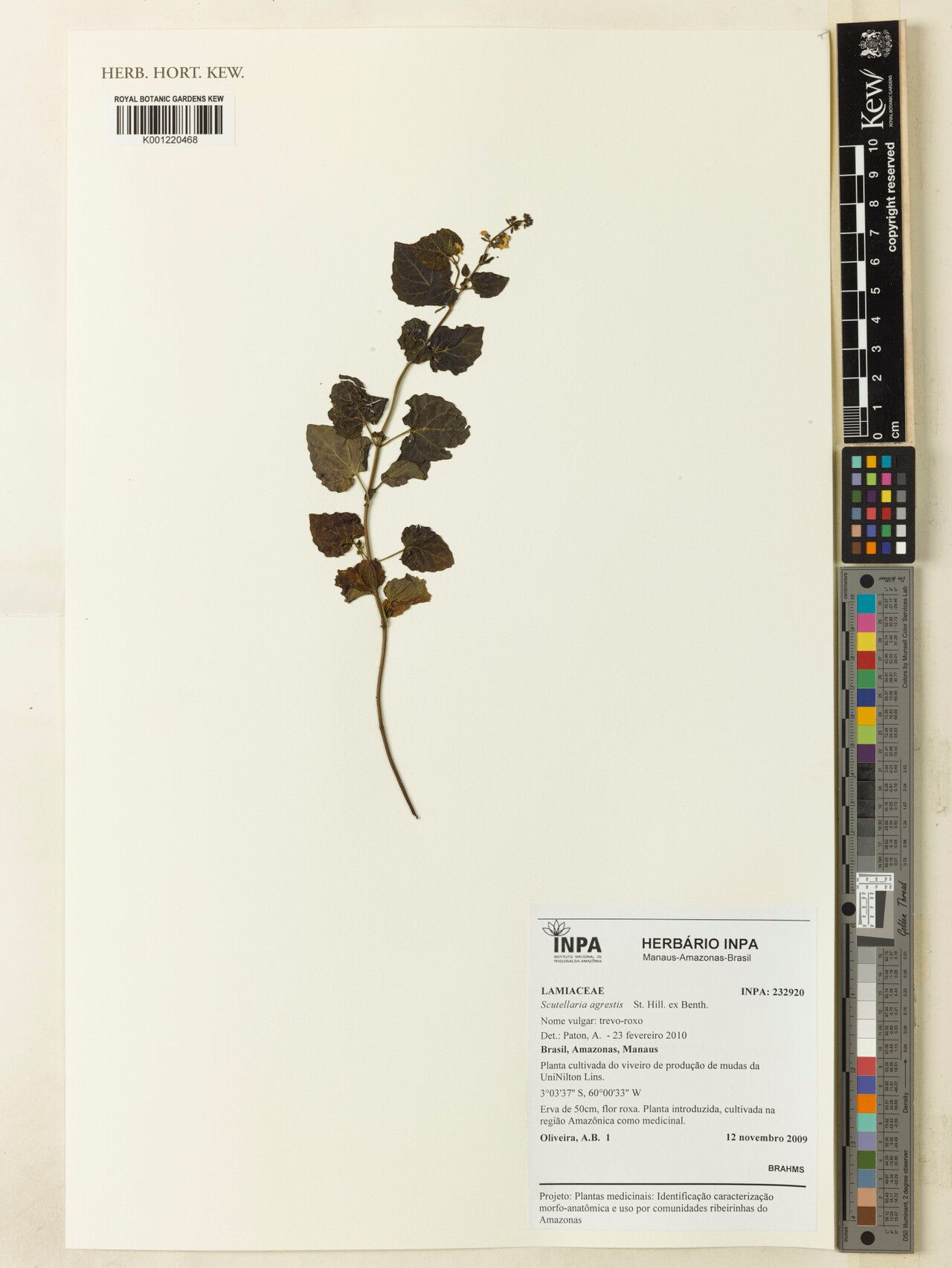
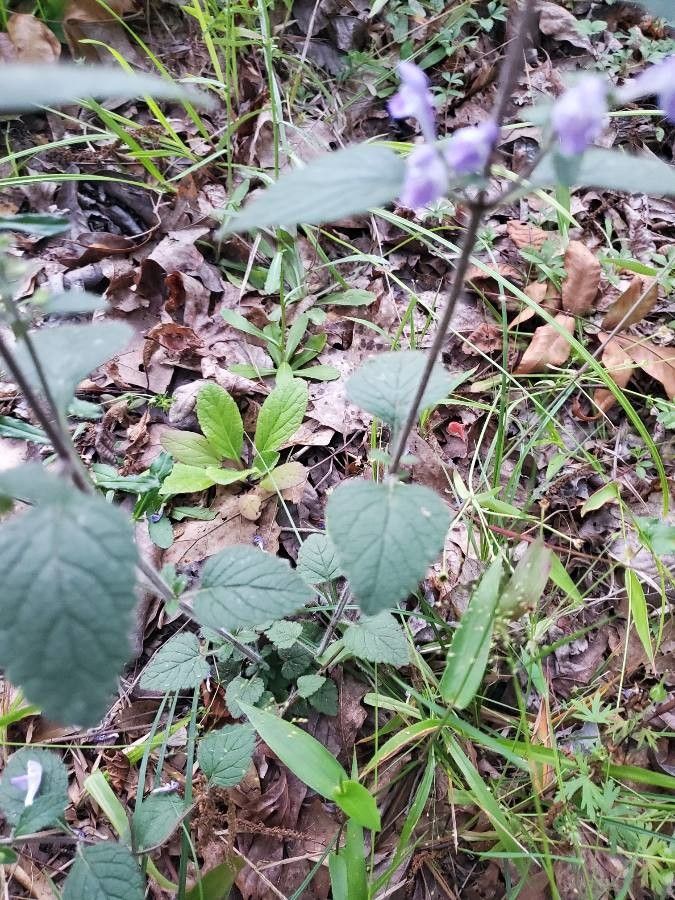
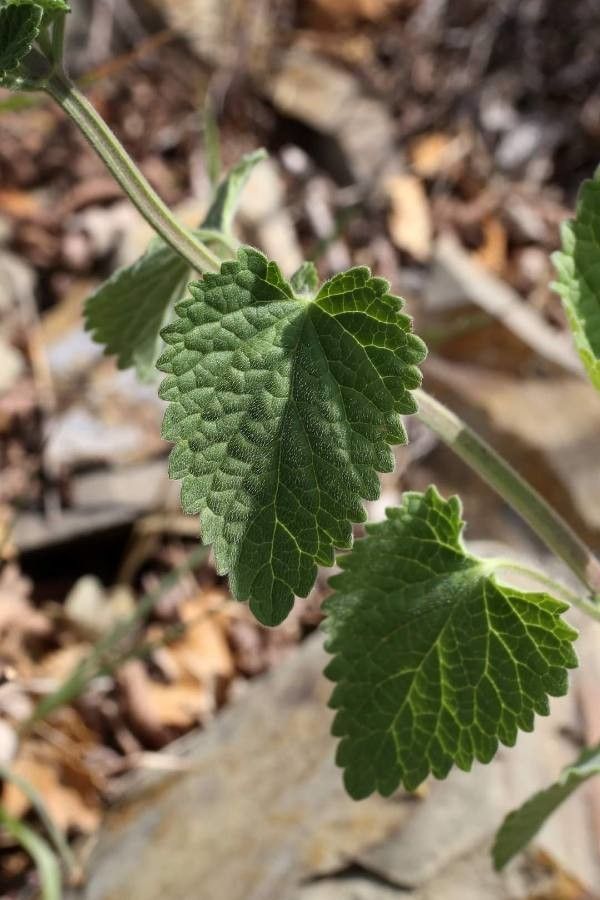
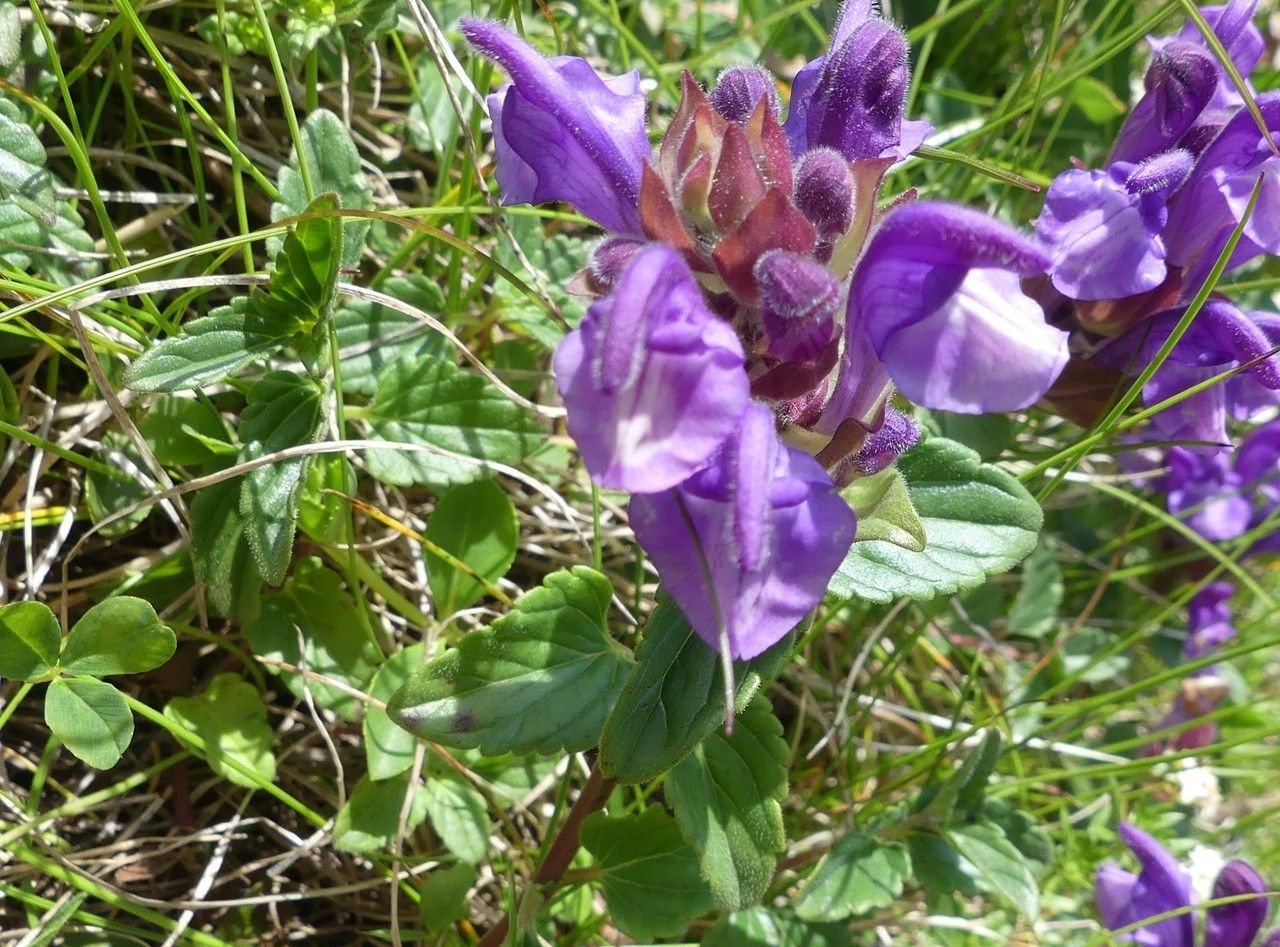
Scutellaria baicalensis, with the common name Baikal skullcap or Chinese skullcap, is a species of flowering plant in the family Lamiaceae.
Baikal skullcap is fairly disease-resistant and generally not prone to illness. Still, it can be affected by pests and diseases in its environment. These problems are typically not serious. As for care, the plant requires moderate maintenance. It should be pruned regularly to preserve appearance and support healthy growth. Fertilizing can also help encourage flowering. Baikal skullcap is well suited for anyone with an outdoor area, like a garden or patio, and doesn't demand much gardening experience. It may need more attention when cultivated indoors.
How to keep Scutellaria Baicalensis.
Light
Baikal skullcap does best when given plenty of sunlight and can tolerate spots with moderate sun. Its native habitat is accustomed to substantial sun exposure, which supports its healthy growth and development. Too little light can cause stunted growth, while too much may scorch its foliage.
Water
Baikal skullcap, a plant native to Siberia, flourishes when provided with balanced moisture and consistent hydration. To support its health and growth, it should be watered weekly. Although baikal skullcap is typically grown outdoors and is resilient to temperature fluctuations, it still needs sufficient water to maintain its herbaceous growth cycle.
Temperature
Baikal skullcap is naturally suited to the mild conditions of a temperate climate, favoring temperatures between 41 and 90 °F (5 and 32 ℃). It is advisable to gently adjust the surrounding temperature with the changing seasons, ensuring it stays within these limits.
Fertilizer
The best time to fertilize Baikal skullcap is in early spring, as it comes out of dormancy and begins active growth. Fertilizing supplies essential nutrients needed for healthy growth. Although Baikal skullcap has fairly low fertilizer requirements, applying fertilizer once a year can improve its survival and encourage better, longer-lasting flowers.
Pruning
Baikal skullcap is a perennial herb known for its vibrant blue flowers and medicinal benefits. To maintain its health, prune the plant from early to late spring. This involves removing dead stems and thinning out congested areas to improve air circulation. Additionally, regularly trimming spent flowers will encourage more blooms and enhance the overall health of the plant.
Pot & Repot
Spring is an ideal time to repot Baikal skullcap, which should be done every 2 to 3 years. Choose a medium-sized container with proper drainage and fill it with well-draining soil. Provide light watering and partial sunlight to encourage recovery and healthy growth. This makes Baikal skullcap a great choice for novice gardeners.
Botanical profile.
- Plant Type
- Herb
- Life Cycle
- Perennial
- Genus
- Scutellaria
- Family
- Lamiaceae
- Hardiness Zone
- 4-8
- Mature Height
- 30 cm
- Mature Spread
- 30 cm
- Leaf Color
- Green
- Leaf Type
- Deciduous
- Flower Color
- Blue, Purple, Violet
- Flower Size
- 2.54 cm
- Bloom Time
- Summer
- Planting Time
- Spring, Summer
- Harvest Time
- Late summer, Early fall, Mid fall
- Native Area
- Russia, Vietnam, Mongolia, South Korea, China
Other names.
Reader questions.
What are the sunlight requirements for Baikal skullcap?
Baikal skullcap requires generous amounts of sunlight to thrive, benefiting from full to moderate sun exposure reminiscent of its native habitat. The plant needs above 6 hours of sunlight for full sun conditions and about 3-6 hours of sunlight for partial sun conditions. Inadequate sunlight may lead to stunted growth, while too much sun could potentially damage the foliage. It's key to observe how sunlight moves through your garden to provide the perfect balance of light and shade for your plants.
What is the ideal temperature range for Baikal skullcap?
Baikal skullcap, known botanically as Scutellaria baicalensis, thrives in a moderate temperate climate with an ideal temperature range between 41 to 90 °F (5 to 32 °C). To ensure the plant remains healthy, it's essential to adjust the ambient temperature with the changing seasons, keeping it within this preferred range. Despite its strong cold resistance, measures should be taken to protect it if winter temperatures are expected to drop below -30°C, such as covering the plant with soil or straw. Additionally, watering the plant abundantly before the first freeze in autumn helps keep the soil moist, which is crucial for the plant during the winter and early spring.
How does artificial lighting support Baikal skullcap growth indoors?
When natural sunlight is insufficient, especially during winter or in less sunny locations, artificial lighting can be crucial for insuring optimal growth of Baikal skullcap indoors. LED lights are recommended because they can be tailored to provide specific wavelengths needed by plants. Full sun plants require 30-50W/sq ft of artificial light, partial sun plants need 20-30W/sq ft, and full shade plants should get 10-20W/sq ft. The artificial light source should be placed 12-36 inches above the plant and turned on for 8-12 hours per day to mimic natural daylight hours.
How does Baikal skullcap react to low temperatures?
Baikal skullcap is remarkably cold-tolerant, ideally kept in temperatures above 5°C. In the winter, it's important to ensure the temperature does not fall below -25°C. If the temperature drops below -30°C, the plant might not show immediate damage during winter, but this can significantly affect its ability to sprout in spring, possibly leading to decreased sprouting or none at all. The best solution for parts of the plant that fail to sprout by spring is to remove them, fostering healthier growth for the remainder.
What symptoms indicate Baikal skullcap is not getting enough light?
Symptoms of insufficient light for Baikal skullcap include smaller new leaves, leggy or sparse growth, faster leaf drop, slower or halted growth, and paler new leaves. These indicate the plant is struggling with light deficiency, impacting its development and health. Chlorosis, sunscald, leaf curling, wilting, and leaf scorching are symptoms associated with both insufficient and excessive sunlight, stressing the importance of balanced light exposure for the plant.
How should I care for Baikal skullcap in high-temperature conditions?
During the summer, it's crucial to keep the Baikal skullcap in temperatures below 32°C. If temperatures exceed 35°C, the plant may exhibit signs of stress such as leaves turning lighter in color, curling, becoming susceptible to sunburn, and in severe cases, wilting and drying out completely. To mitigate these effects, It's advisable to trim away the sunburned and dried-up parts of the plant. Moving the plant to a shaded location, especially away from the direct midday and afternoon sun, or using a shade cloth can provide necessary relief. Watering the plant in the morning and evening is also recommended to maintain soil moisture.
What solutions can help Baikal skullcap receive adequate sunlight?
To ensure Baikal skullcap receives adequate sunlight, gradually introduce it to sunnier locations. Indoors, consider moving the plant to a south-facing window or use artificial lights if repositioning isn't feasible. Outdoors, transition the plant to areas with more sunlight carefully to avoid sunburn. If necessary, prune surrounding trees or move smaller plants to reduce obstructions and enhance sunlight access. Remember, parts of the plant affected by previous light conditions may not recover fully, but new growth should be healthy with improved light exposure.