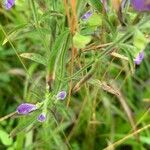
Scutellaria integrifolia
Helmet skullcap · Rough skullcap · Helmet-Flower
Description
Source: leafsnapScutellaria integrifolia, commonly called helmet flower or helmet skullcap, is a flowering plant in the mint family. It is native to the eastern United States where it is found in openings in mesic, acidic soil. It likely requires disturbance in the form of fire to maintain its appropriate habitat.Scutellaria integrifolia is identifiable by its narrow, usually entire leaves and densely pubescent stem. It produces a raceme of large blue-purple flowers in late spring through summer.
Care Guide
💧 Water
The helmet flower thrives in environments with varying moisture levels, showing a strong tolerance for drought, yet it prefers moderate hydration. To maintain its health, weekly watering is crucial, particularly for outdoor plants, as natural rainfall patterns can impact the regular watering schedule and the need for additional irrigation.
How should I water my Helmet flower?
To properly care for the Helmet flower, it is best to use filtered water at room temperature. Tap water may contain harmful particles, so filtered water is preferred. The water should not be cold, as the Helmet flower is adapted to warm environments and a sudden change in temperature can be stressful for it. It is also important to avoid watering the plant from above, as this can cause issues with the foliage. Instead, gently pour the filtered room temperature water onto the soil until it is completely soaked. This helps to provide moisture to the roots and aids in their spread and nutrient absorption.
What do I do if I give my Helmet flower too much water or too little?
Both overwatering and underwatering can harm your Helmet flower, but overwatering is more common. When the plant is overwatered, the stems and leaves may wilt and turn yellow. Overwatering for an extended period can also cause root rot, mold, and mildew, which can be fatal. Underwatering is less likely for the Helmet flower due to its drought tolerance. However, if underwatering occurs, the leaves may become brittle and brown. To care for your Helmet flower, it is vital to recognize the signs of overwatering early. Some diseases, like root rot, may become irreversible if not addressed promptly. If you observe early signs of overwatering, reduce watering immediately and consider the soil quality. If the soil drains poorly, replace it with a loose, well-draining potting mix. Conversely, if signs indicate the plant needs more water, simply water more regularly until the signs improve.
How many times should I water my Helmet flower?
If your Helmet flower is in a pot, the best way to tell if it needs water is to stick your finger in the soil. If the top two to three inches of soil are dry, it's time to water it. If you're growing your Helmet flower outside in the ground, you can use the same method to test the soil. When the top few inches are dry, it's time to water it. During the spring and early fall, you'll typically need to water your plant about once a week using this method. In very hot weather, you may need to increase watering to twice a week or more. However, mature and well-established Helmet flowers can withstand drought quite well.
How much water does my Helmet flower require?
Here are some tips for watering your Helmet flower: - Don't be shy when it comes to watering your plant. When the first two to three inches of soil are dry, it's time to give your plant a good, thorough watering. - Make sure to supply enough water to completely soak the soil. You want the water to reach the bottom of the pot and flow out through the drainage holes. - If you don't see any excess water draining from the pot, you may have underwatered your plant. On the other hand, be cautious of excessive water accumulation in the soil, as this can be harmful to the plant. - If you're watering your plant outside, approximately 1 inch of rain per week should be sufficient. - It's important to avoid poorly draining soils, as this can negatively affect the health of your Helmet flower.
How do I water my Helmet flower as it grows?
The water needs of the Helmet flower vary depending on its growth stages. In the early years and immediately after transplantation, more water is required. This is because during these stages, the Helmet flower focuses its energy on developing new roots, which need extra moisture to support future growth. As the plant matures, less water is needed. Additionally, during the bloom period, the flower's development requires a significant amount of moisture, so watering may need to be increased at this time.
☀️ Light Full sun
Helmet flower prefers sites that receive strong sunlight for most of the day, though it can also persist in locations with reduced but still present sun. Its native habitats are usually sunny areas. Too little light will slow its growth, while too much can lead to dehydration.
What are the sunlight requirements for Helmet flowers?
Helmet flowers flourish under full sun conditions, requiring more than 6 hours of sunlight daily, but they can also survive in partial sun, receiving about 3-6 hours of sunlight. It's essential to observe how sunlight moves through your garden to find the ideal spots that offer a balance of light and shade, ensuring the plant's well-being. The native habitats of Helmet flowers are typically sunny, indicating their preference for abundant sunlight, though they can adapt to slightly less sunny conditions. Insufficient light exposure can slow down its growth, while excessive sunlight may lead to dehydration.
How should I use artificial lighting for Helmet flowers indoors?
When natural sunlight is insufficient, especially during winter or in less sunny areas, artificial lights can be an effective solution for maintaining healthy growth of Helmet flowers indoors. Opt for LED lights as they can be tailored to deliver specific wavelengths needed by your plants. For full sun plants, 30-50W per square foot is recommended; for partial sun plants, 20-30W per square foot; and for full shade plants, 10-20W per square foot. Place the light source 12-36 inches above the plant to mimic the sun's natural light and adjust the duration to mimic natural daylight hours, typically between 8-12 hours per day.
What are the symptoms of insufficient or excessive sunlight in Helmet flowers?
Helmet flowers show various symptoms depending on the light conditions. Insufficient sunlight may lead to smaller new leaves, leggy or sparse growth, faster leaf drop, slower or halted growth, and lighter-colored or pale new leaves. Excessive sunlight can cause chlorosis, where leaves turn yellow; sunscald, resulting in pale or necrotic areas on the plant; leaf curling, as a defense mechanism to reduce exposed surface area; wilting from increased water loss; and leaf scorching, characterized by brown, dry edges on leaves. Monitoring these symptoms can help in adjusting the plant’s exposure to light appropriately.
What solutions are available for managing Helmet flowers' light exposure?
To optimize Helmet flowers' growth, gradually increase their exposure to sunlight, aiming for at least 6 hours daily. For indoor plants, using a south-facing window or supplementary artificial light, such as desk lamps or grow lights for 8 hours daily, can help. Outdoor plants should be moved progressively to sunnier spots to prevent sunburn. Pruning nearby trees can reduce obstructions and provide more sunlight. When transplanting smaller plants for better light access, do so during their dormant period and ensure the new location has sufficient sunlight and drainage. It's important to note that parts of the plant damaged by insufficient light may not recover, but new growth should be healthy once light conditions improve.
🌡️ Temperature 10–32.2°C
Helmet flower is native to areas with a moderate climate and performs well in temperatures between 50 and 90 °F (10 to 32 ℃). In hotter environments, it is advisable to provide cooler shade to prevent overheating.
What is the indigenous climate for Helmet flower?
Helmet flower, known botanically as Scutellaria integrifolia, thrives in regions with a moderate climate, ideally preferring temperatures between 50 to 90 °F (10 to 32 °C). It adapts well to various conditions within this temperature range, making it versatile for different moderate climates.
How does the Helmet flower cope with high temperatures?
In conditions where temperatures exceed its optimal range, especially above 90°F (32°C), the Helmet flower should be provided with cooler, shaded areas to protect it from overheating. This care is crucial during warmer climates to ensure the plant does not suffer from excessive heat.
What are the cold resistance capabilities of the Helmet flower?
The Helmet flower exhibits strong resistance to cold, usually requiring no special frost protection measures during winter months. However, in extreme cases where temperatures are expected to drop below -25°C, it is important to safeguard the plant using covering materials such as soil or straw. Additionally, watering the plant abundantly before the first freeze in autumn helps keep the soil moist and prevents water scarcity during the cold months.
How does Helmet flower react to low temperature conditions?
While the Helmet flower is cold-tolerant and fares well in temperatures above 10°C, it should ideally be kept above -15°C during the winter. If temperatures plunge below -25°C, the plant may not show immediate damage but could experience reduced sprouting or fail to sprout in the spring. In such cases, it is recommended to remove any parts that have not sprouted by spring.
What should be done if the Helmet flower experiences high temperatures?
During summer, when temperatures soar above its comfortable range, reaching beyond 32°C, the Helmet flower's leaves may lighten, curl, suffer from sunburn, or the plant might entirely wilt and dry out. To mitigate this, affected parts should be trimmed, and the plant should be moved to a shaded area or protected with a shade cloth. Ensuring the soil stays moist with watering in the morning and evening can also help the plant cope with high temperatures.
💨 Humidity
🪴 Soil 6-6
🌱 Fertilizer
The best time to fertilize a Helmet flower is in early spring, when it is coming out of dormancy and starting active growth. Fertilization supplies essential nutrients for healthy development. Although the Helmet flower has relatively low fertilizer requirements, an annual feeding can improve its survival and encourage better, longer-lasting blooms.
🪴 Pot & Repot
✂️ Pruning
The helmet flower, known for its vibrant blue blooms, also offers medicinal benefits. To ensure healthy growth and maintain its shape, annual pruning is essential, ideally taking place in early spring. Removing dead stems and cutting back the plant by one-third can significantly improve air circulation and promote more robust flowers, making this practice vital for the health of the helmet flower.
🌿 Propagating
🐛 Diseases & pets
☠️ Toxicity
Characteristics
- Plant Type
- Herb
- Life Cycle
- Perennial
- Genus
- Scutellaria
- Family
- Lamiaceae
- Hardiness Zone
- 6-8
- Mature Height
- 30 cm
- Mature Spread
- 20 cm to 30 cm
- Leaf Color
- Green
- Leaf Type
- Semi-evergreen
- Flower Color
- Lavender
- Flower Size
- 2.54 cm to 7.62 cm
- Bloom Time
- Late spring, Early summer, Mid summer
- Planting Time
- Summer
- Harvest Time
- Mid summer, Late summer, Early fall