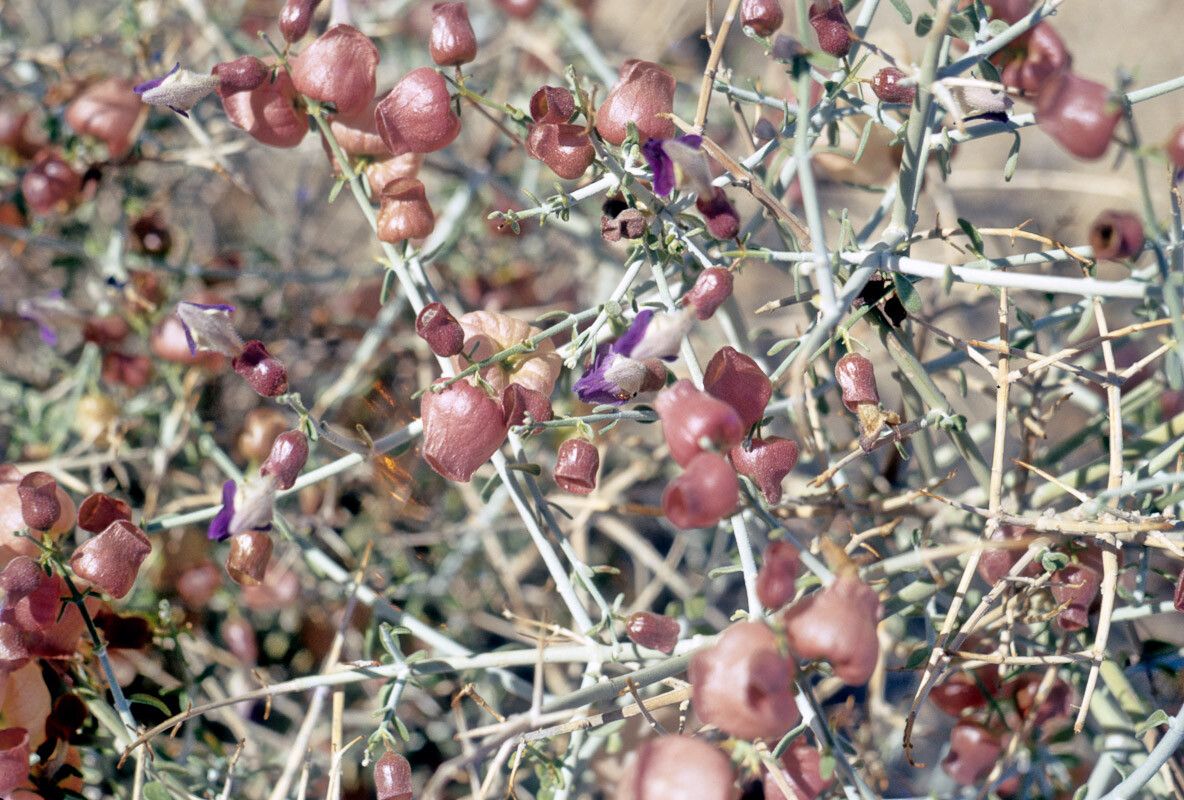
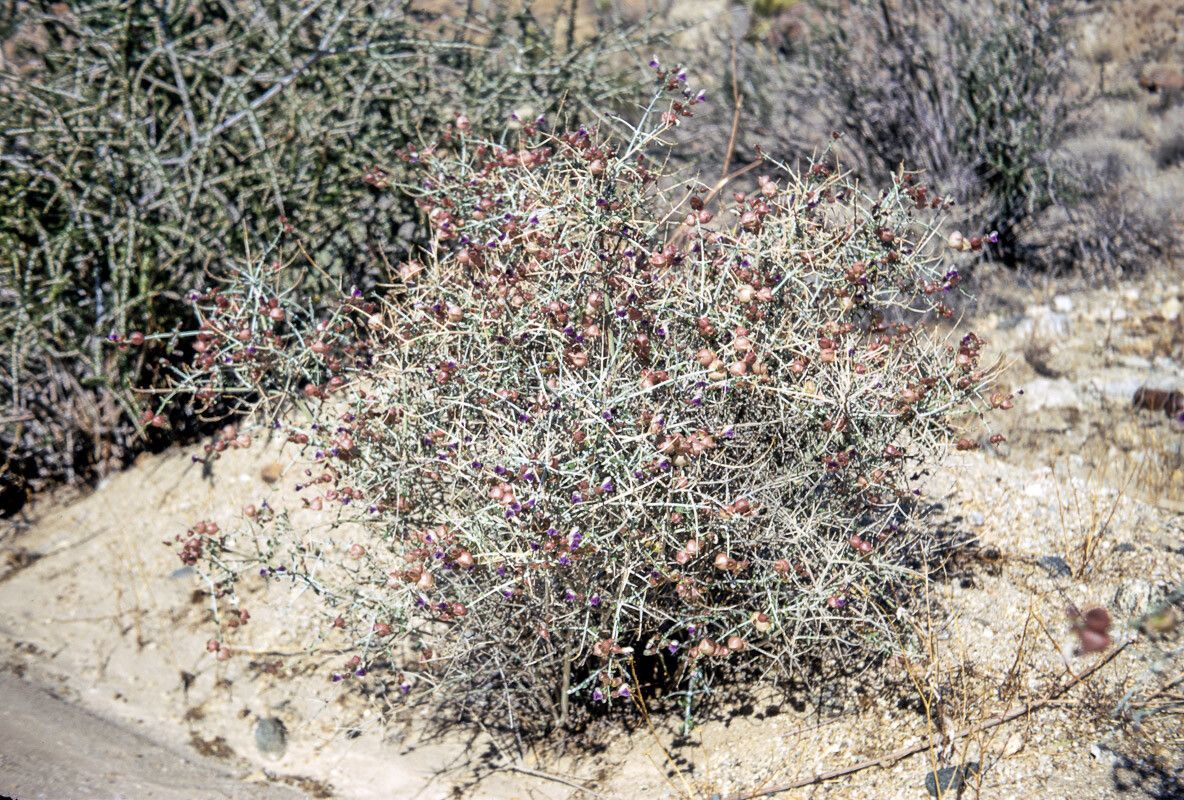
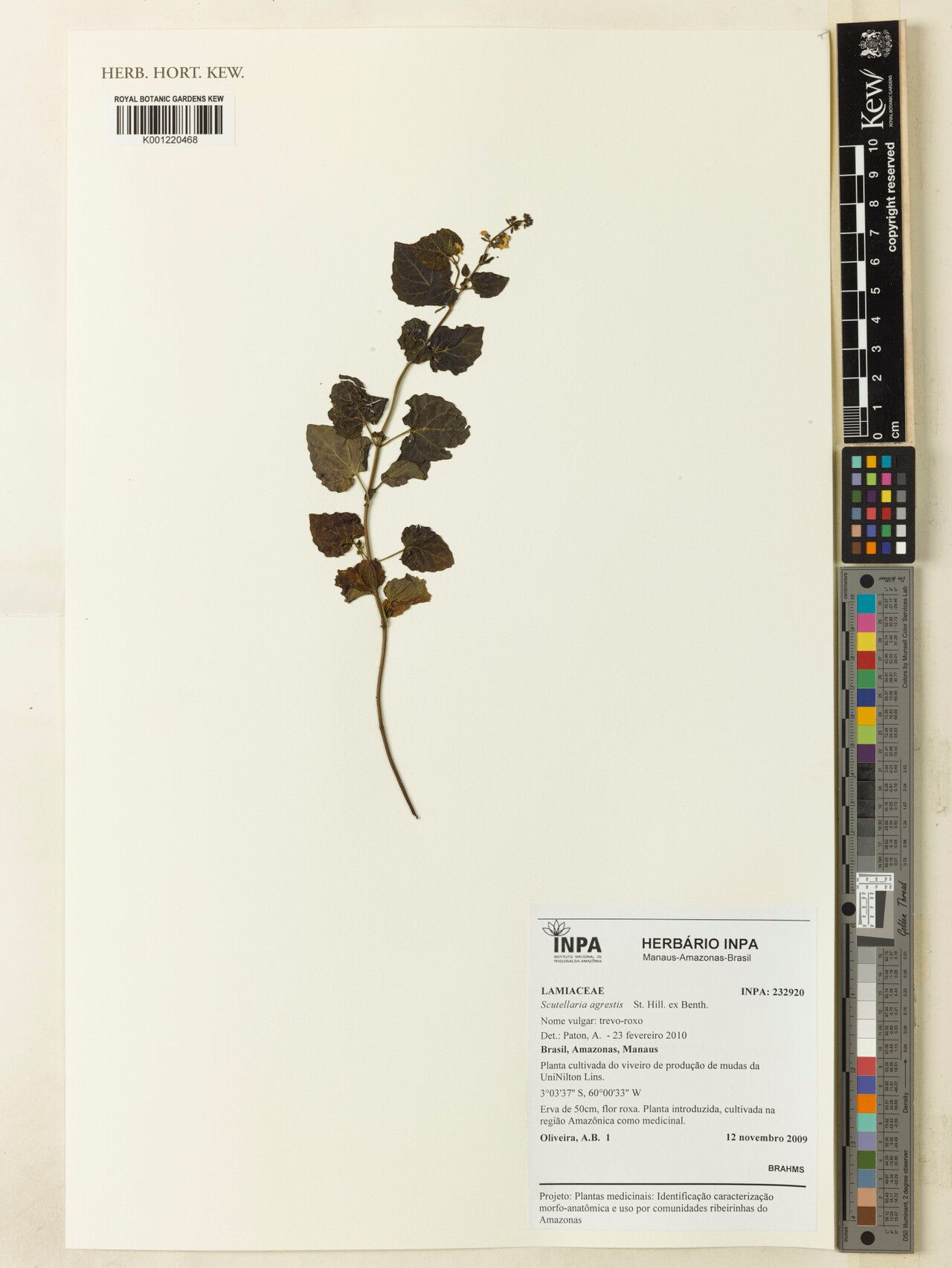
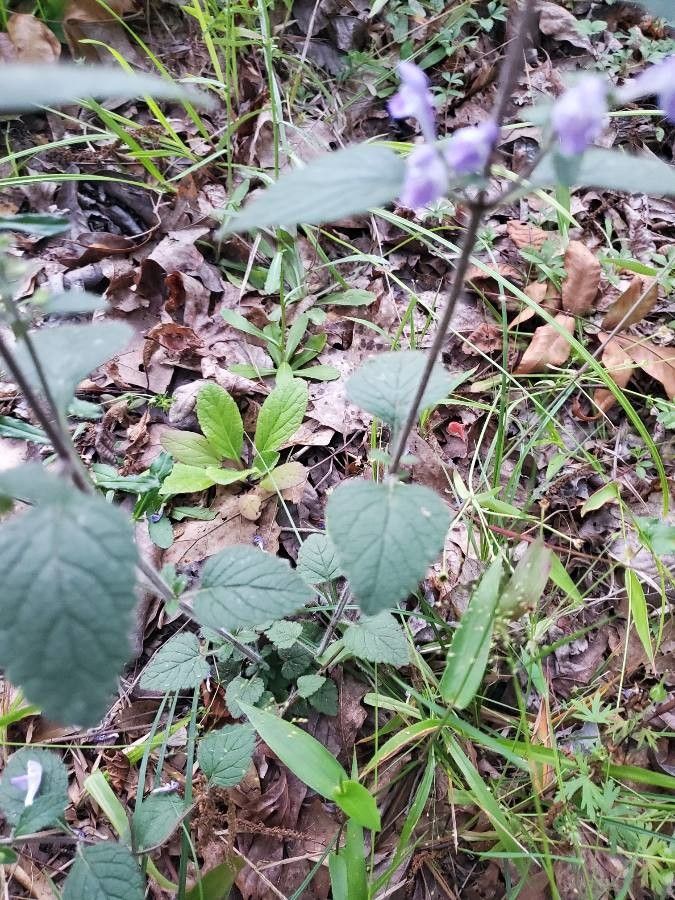
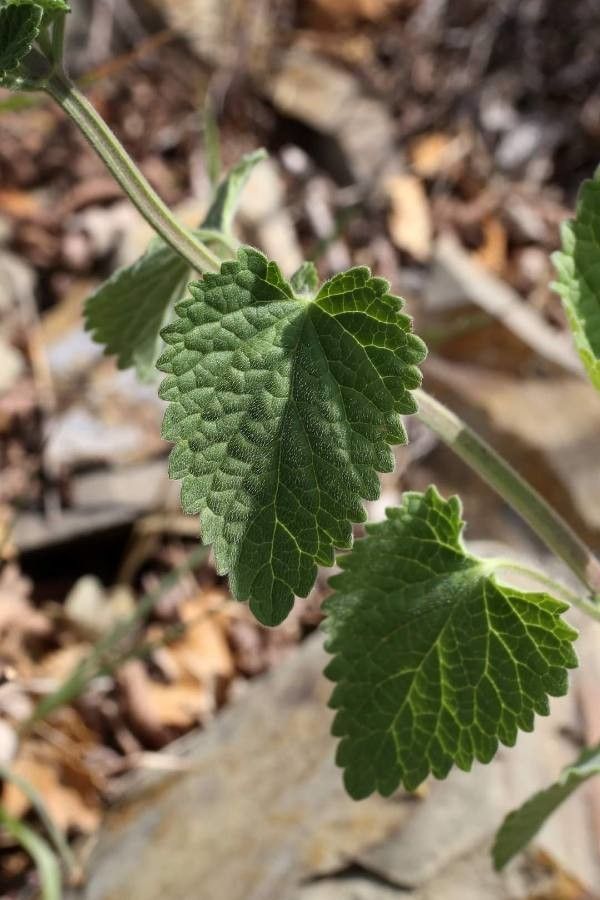
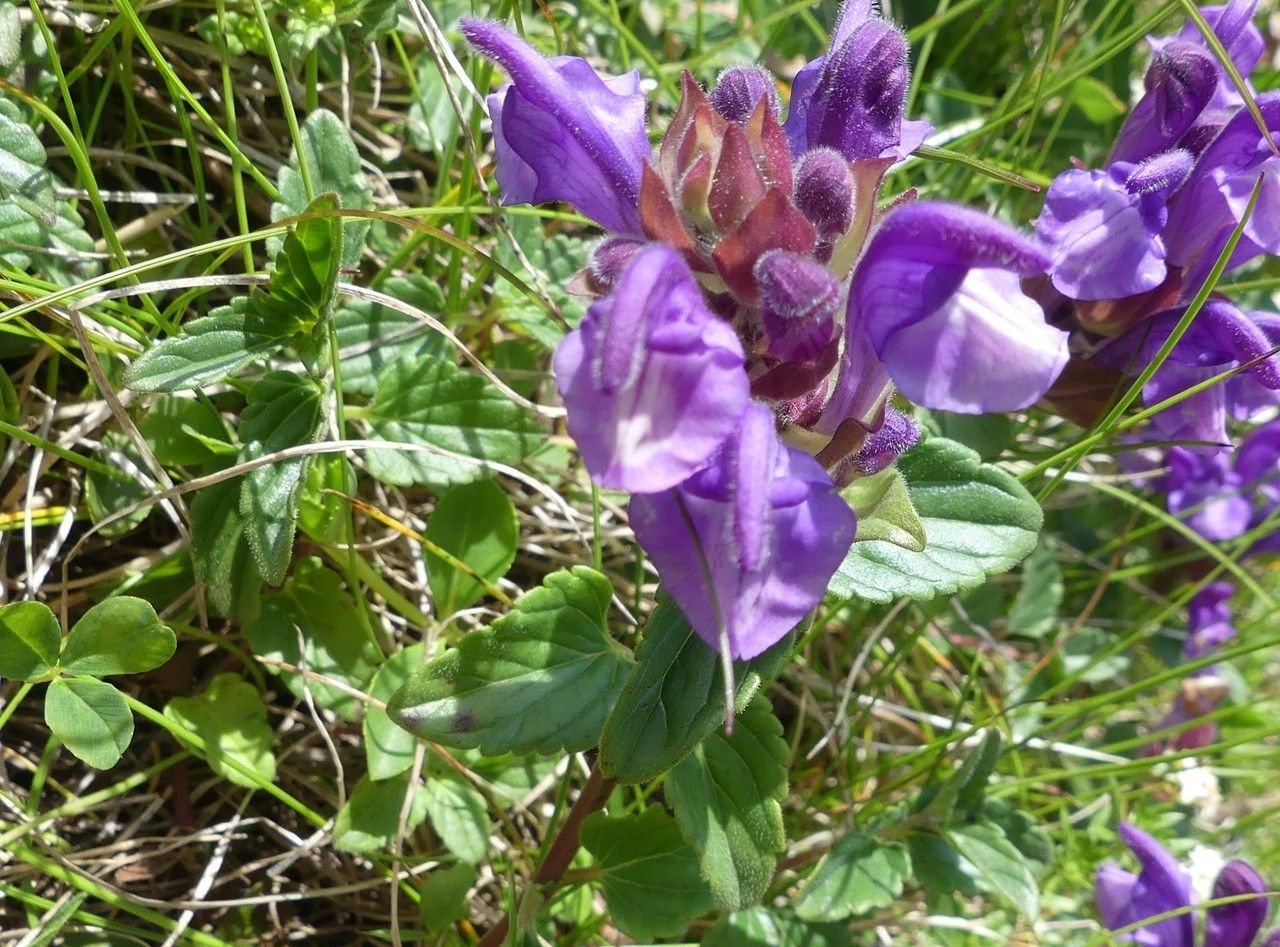
Scutellaria mexicana, commonly known by variants on bladder sage or paperbag bush, is a shrub of the mint family Lamiaceae distinctive for its calyx lobes that develop into small bag- or bladder-like shells around the fruits.
Mexican bladder sage has strong disease resistance and is generally not prone to illnesses. However, it can be affected by pests and diseases present in its surroundings. These infections are usually mild. In terms of care, this plant requires a moderate level of attention. It should be pruned regularly to maintain a good appearance and healthy growth. Fertilizing can also help encourage flowering. Mexican bladder sage is suitable for anyone with outdoor space, such as a garden or patio, and does not demand extensive care experience. It may need more attention if grown indoors.
How to keep Scutellaria Mexicana.
Light
The Mexican bladder sage is a perennial herbaceous plant that loves the sun, originating from open regions, often flourishing in fields and grassy areas. It has a preference for full sunlight, but can also withstand conditions of partial sunlight.
Temperature
The Mexican bladder sage is native to tropical regions characterized by warm and humid conditions. It has therefore adapted well to high temperatures and humidity. Abrupt changes in temperature are not well received by this plant, and it prefers a consistent thermal atmosphere. It generally does not thrive in cold temperatures and demands warmer temperatures for growth. If the temperature of its environment drops significantly, the plant's growth might be halted, or it might even perish.
Fertilizer
The health and look of Mexican bladder sage heavily rely on correct fertilization. It is advisable to feed Mexican bladder sage during the summer, and to repeat this process monthly throughout the season. Nutrients play an important role in promoting growth and preserving the plant's elements. Through fertilization, the flower show of Mexican bladder sage is improved, guaranteeing optimal blossoms.
Pruning
The Mexican bladder sage is a drought-tolerant shrub native to rocky regions, known for its striking purple-blue flowers. For optimal growth and to prevent the plant from becoming leggy, it is best to prune it in early spring. Be sure to remove any damaged branches to improve air circulation, and use sterilized tools to make clean cuts, which helps prevent disease.
Botanical profile.
- Plant Type
- Herb
- Life Cycle
- Perennial
- Genus
- Scutellaria
- Family
- Lamiaceae
- Hardiness Zone
- 9-11
- Mature Height
- 30 cm to 61 cm
- Mature Spread
- 30 cm to 61 cm
- Leaf Color
- Gray, Light Gray
- Leaf Type
- Deciduous
- Flower Color
- Blue, Purple
- Flower Size
- 2.03 cm to 3.05 cm
- Bloom Time
- Spring, Early summer
- Planting Time
- Spring, Autumn
- Harvest Time
- Late spring, Summer
- Native Area
- Mexico
Other names.
Reader questions.
What are the sunlight requirements for Mexican bladder sage?
Mexican bladder sage, botanically known as Scutellaria mexicana, thrives under specific sunlight conditions. For full sun exposure, the plant requires more than 6 hours of sunlight daily. If the plant is in partial sun, it should receive about 3-6 hours of sunlight. It's essential to observe how sunlight traverses your garden throughout the day. Selecting the appropriate spots that offer an ideal mix of light and shade will significantly contribute to the well-being of your plants. This attentive positioning ensures that your Mexican bladder sage will flourish by receiving the right amount of light it needs.
What is Mexican bladder sage?
Mexican bladder sage, known botanically as Scutellaria mexicana, is a plant species. The specific details regarding its essentials, including the benefits, cultivation, and uses, symptoms of problems, or diseases associated with the plant, were not provided in the provided data.