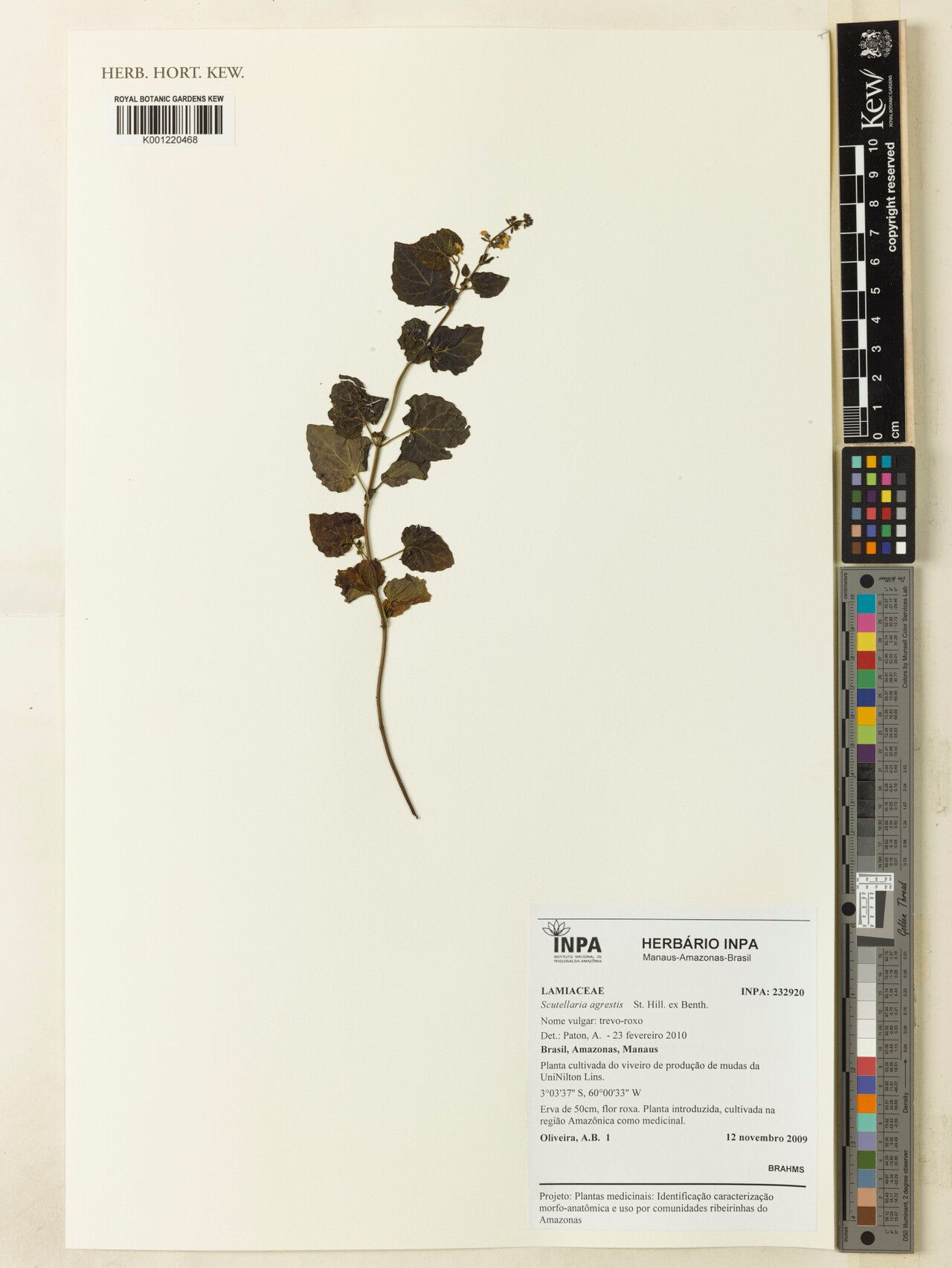
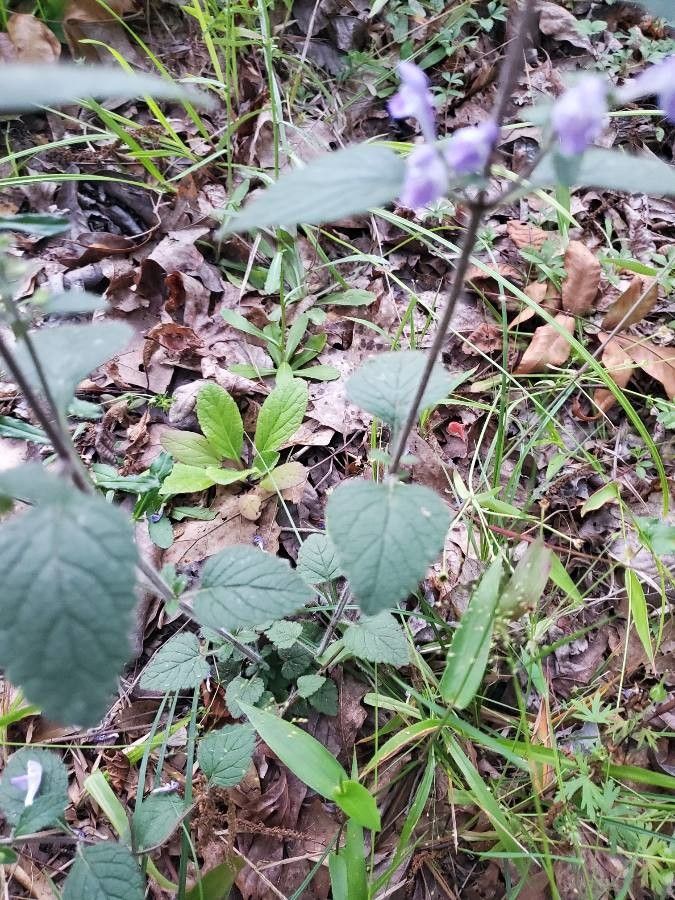
Scutellaria nervosa, commonly known as the veined skullcap, is a perennial herbaceous plant in the mint family, Lamiaceae. Native to North America, it thrives in moist woodlands, meadows, and alongside stream banks. The plant typically reaches a height of up to 60 cm and has a spreading habit with numerous branches.
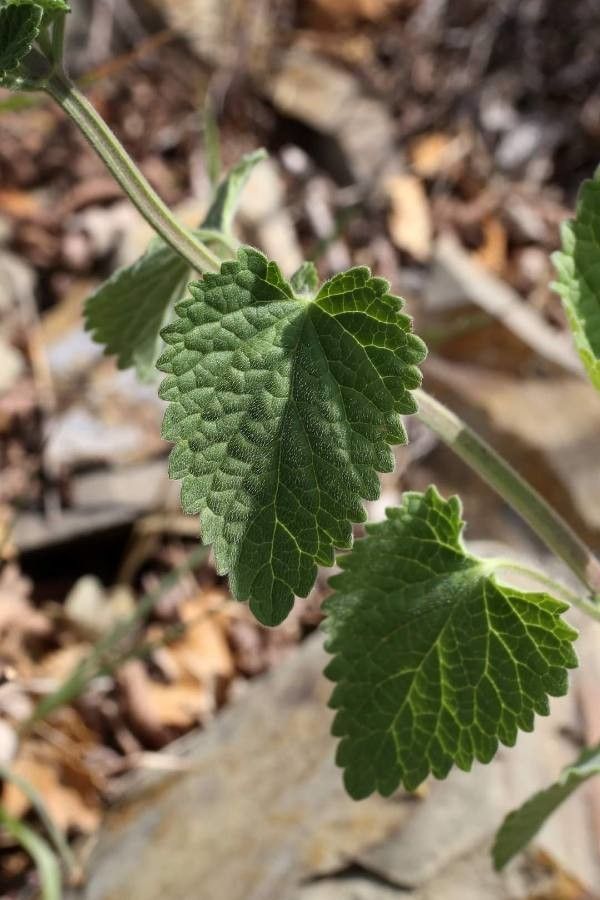
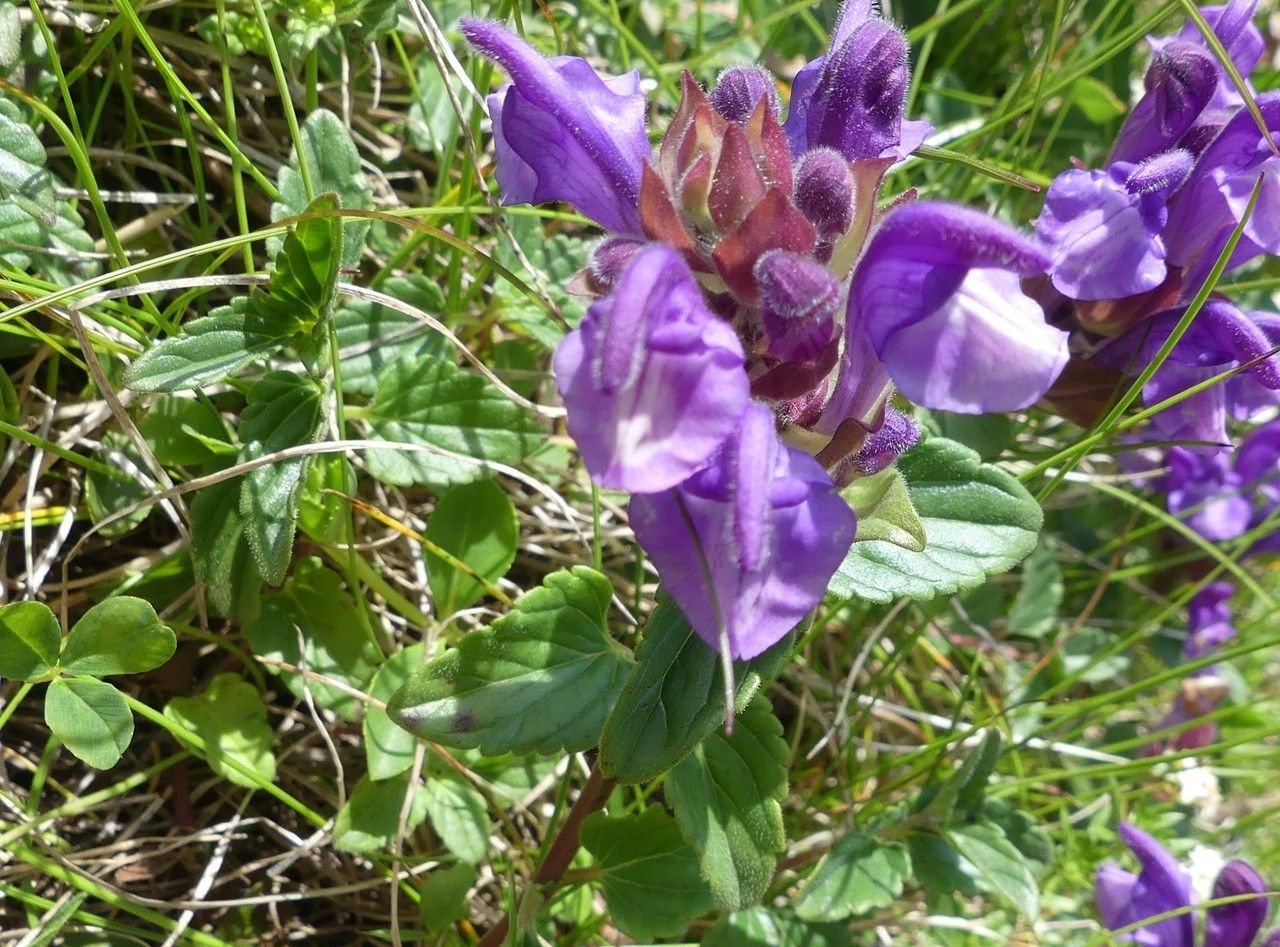
The leaves of Scutellaria nervosa are ovate or lanceolate with serrated edges. They are dark green on top with prominent veins underneath, which give the plant its common name, "veined skullcap." The species features small, blue-purple flowers arranged on spikes that emerge from the leaf axils.
For centuries, Native American tribes have used Scutellaria nervosa for medicinal purposes. It is believed to possess anti-inflammatory properties and has been utilized to treat various ailments such as headaches, anxiety disorders, insomnia, and even epilepsy.
Beyond its medicinal uses, Scutellaria nervosa is also an important food source for various pollinators, including bees and butterflies. Its attractive foliage makes it an excellent ornamental plant for gardens or naturalized areas.
Overall, Scutellaria nervosa is an intriguing perennial herb that offers both ornamental value and potential medicinal benefits, making it a valuable addition to any garden or naturalized area.
Veiny skullcap is fairly resistant to disease and generally does not develop illnesses. However, it can be affected by pests and diseases present in its surroundings. These problems are usually not severe. Regarding care, this plant needs moderate maintenance. It should be pruned regularly to keep a neat appearance and support healthy growth. Fertilizing can also aid in encouraging flowering. Veiny skullcap is suitable for anyone with outdoor space, such as a garden or patio, and does not demand extensive care experience. It may require more attention when grown indoors.
How to keep Scutellaria Nervosa.
Fertilizer
Typically, a one-time application of fertilizer in spring is enough for Veiny skullcap, however, its growth can be maximal with frequent feedings. Apply the feed once per month to every six weeks. The act of fertilizing improves the look and effectiveness of the leaf, fostering steady color and robust texture. Moreover, it boosts the growth of roots and the uptake of nutrients, contributing to the prolonged wellbeing of the plant.
Botanical profile.
- Plant Type
- Herb
- Life Cycle
- Perennial
- Genus
- Scutellaria
- Family
- Lamiaceae
- Hardiness Zone
- 3-9
- Leaf Type
- Semi-evergreen