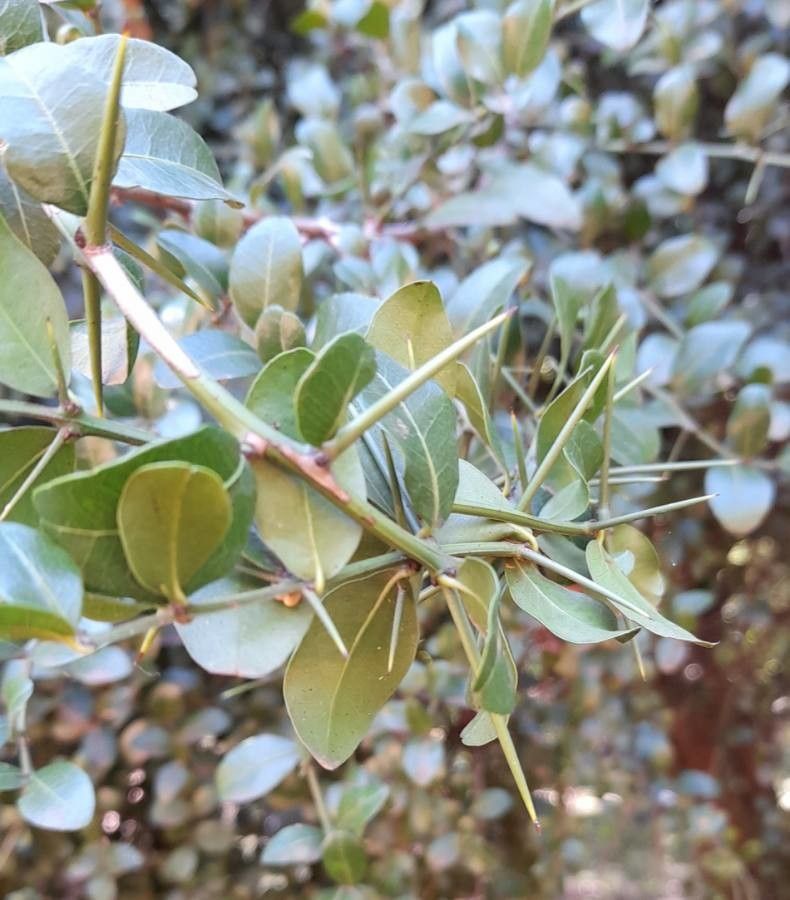
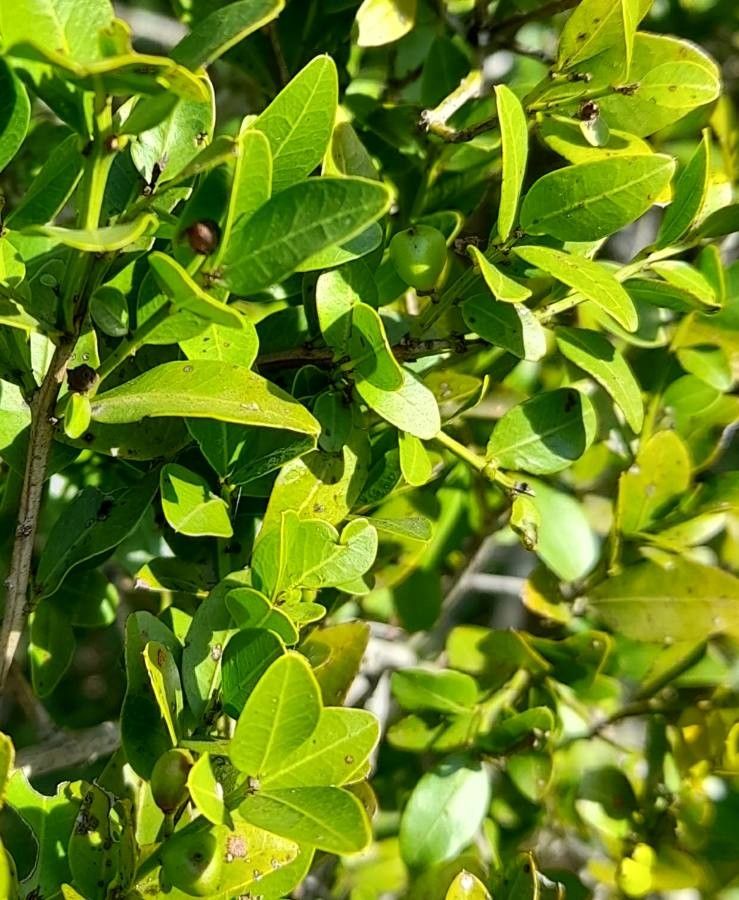
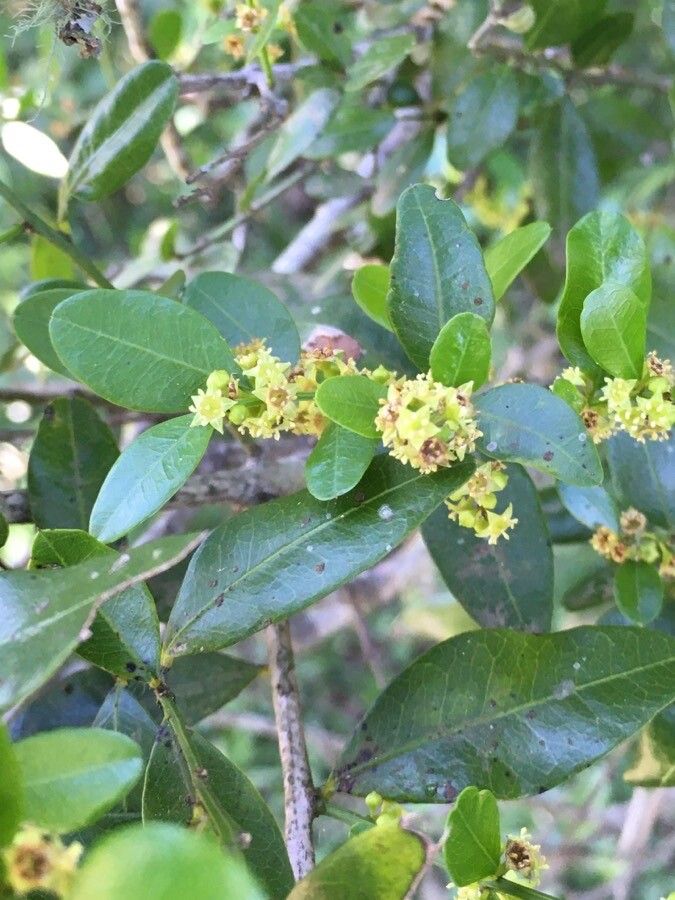
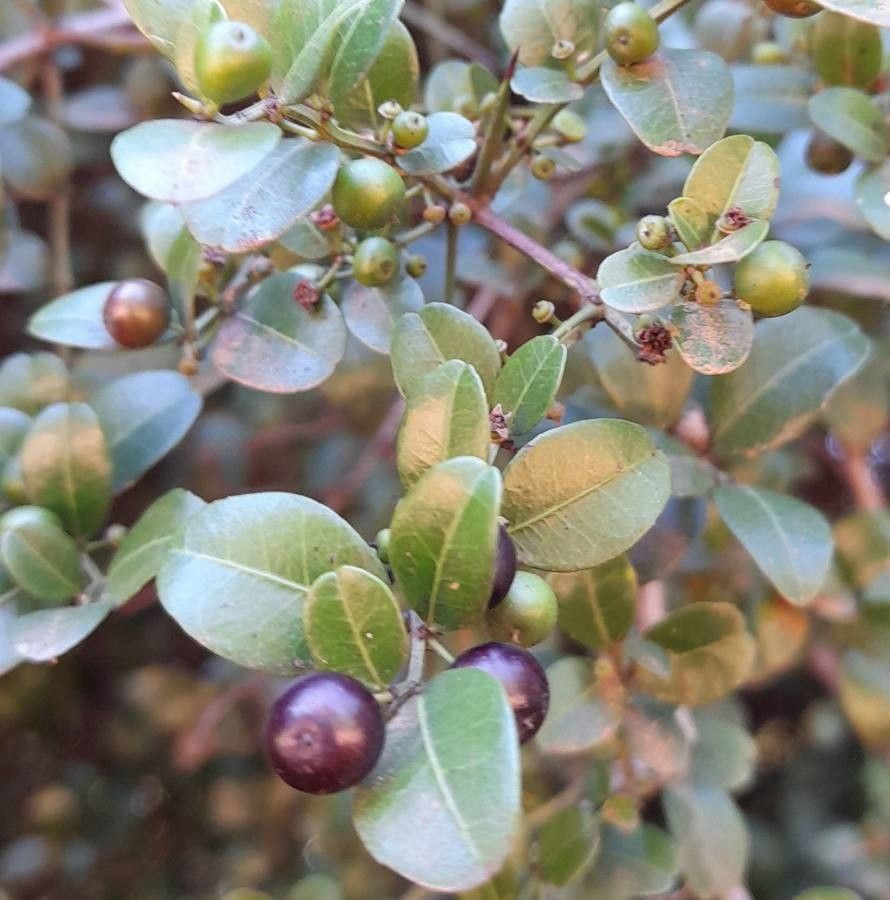
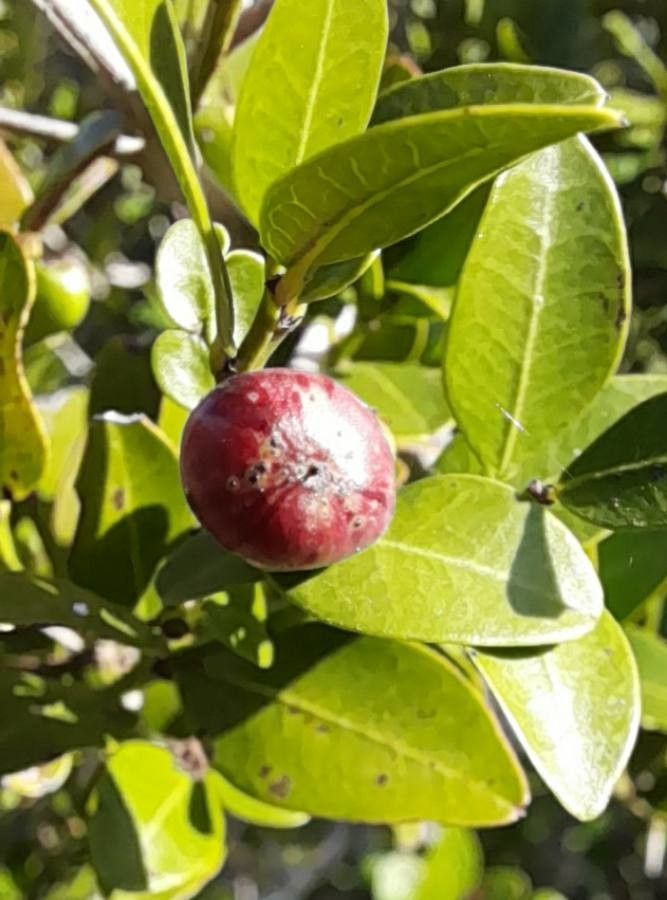
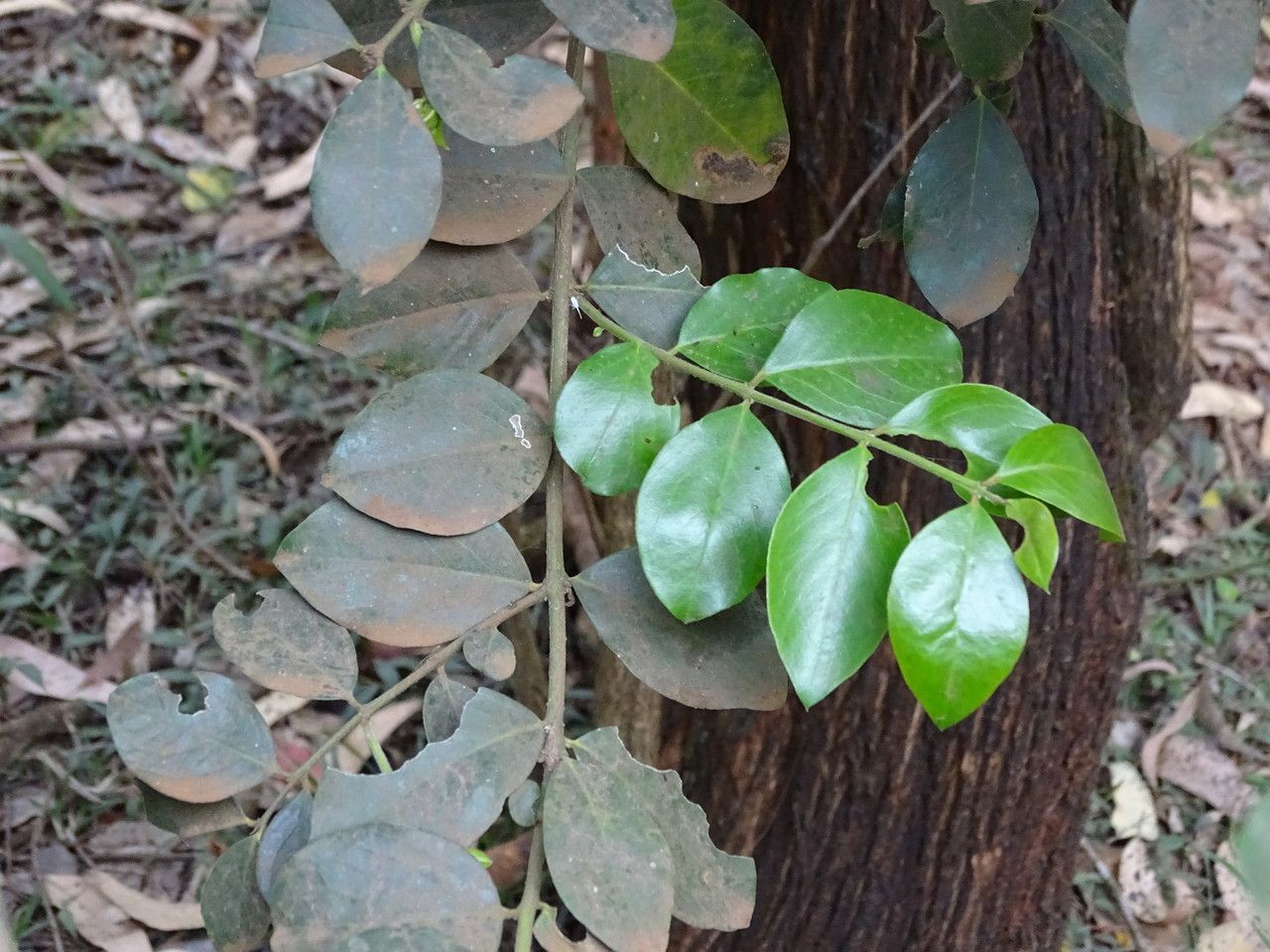
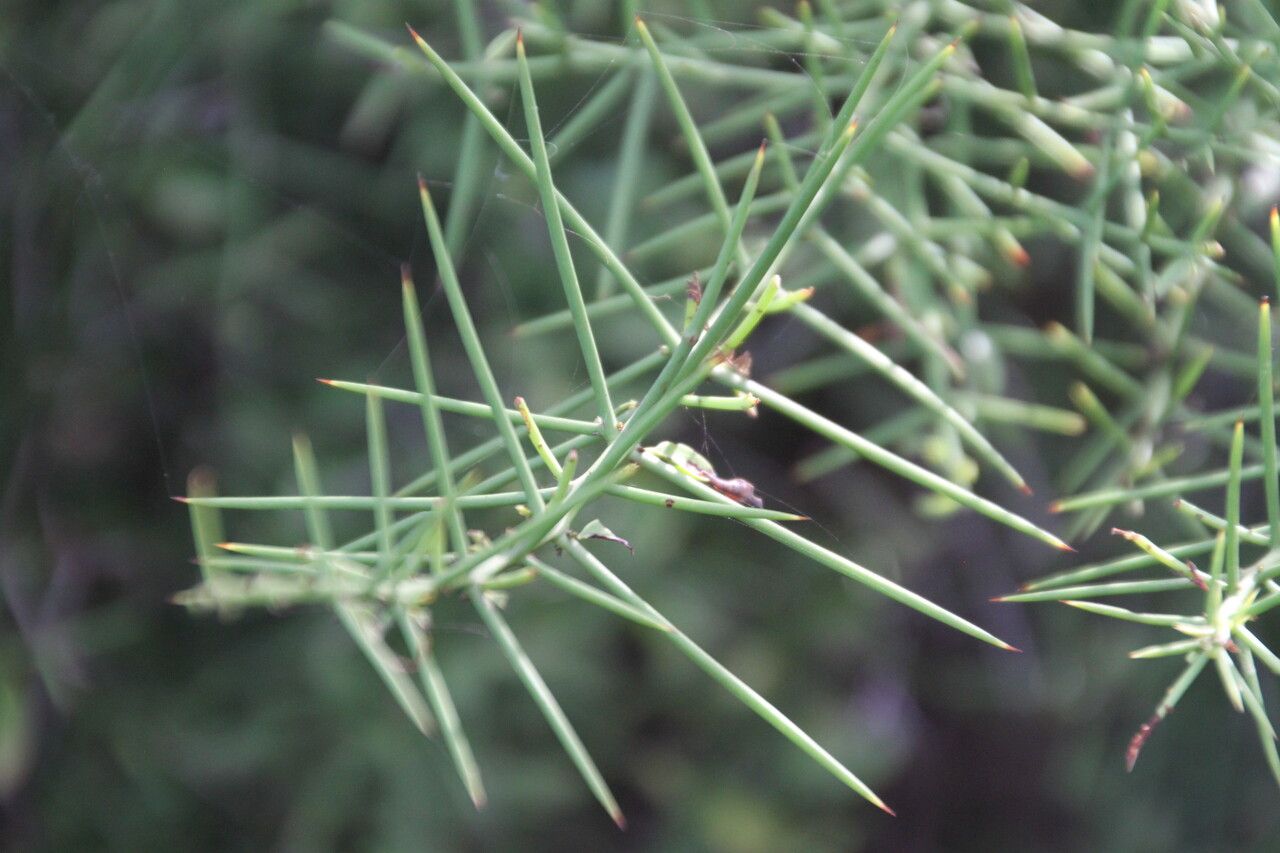
Cat thorn has strong resistance to disease and is typically not susceptible to illnesses. As for care, this plant is fairly low-maintenance. When grown outdoors it needs only light watering, and larger specimens usually do not require pruning. Smaller plants, however, should be trimmed after they finish blooming. Cat thornt is appropriate for anyone with an outdoor area, such as a garden or deck, and does not demand extensive gardening experience.
How to keep Scutia Buxifolia.
Light
Cat thorn needs a lot of sunlight to thrive, though it can cope with reduced light. It originates from sunny environments, and its vigorous growth phases demand ample light. Nevertheless, too much sun can be harmful, and too little light can slow its growth.
Temperature
Cat thorn prefers a temperature range of 68 to 95 °F (20 to 35 °C) and grows best under those conditions. Be prepared to adjust its environment as the seasons change.
Fertilizer
Fertilize your Cat thorn in early spring to encourage healthy growth. Consistent fertilization boosts the plant’s overall health, producing vigorous growth, better tolerance of harsh conditions, and increased resistance to pests and diseases. Keep a set fertilization schedule for your Cat thorn to preserve vibrant, deeply colored foliage and a lush appearance.
Botanical profile.
- Plant Type
- Vine
- Life Cycle
- Perennial
- Genus
- Scutia
- Family
- Rhamnaceae
- Hardiness Zone
- 9
- Mature Height
- 2.13 m to 10.06 m
- Mature Spread
- 14.94 m
- Leaf Color
- Dark Green
- Leaf Type
- Evergreen
- Flower Color
- White, Cream
- Flower Size
- 0.25 cm
- Bloom Time
- Late spring, Early summer
- Planting Time
- Summer, Autumn
- Harvest Time
- Late summer, Early fall, Mid fall
- Native Area
- Sri Lanka, Malawi, India, South Africa, Zambia, Madagascar, Rwanda, Sudan, Kenya, Uganda, Tanzania, Zimbabwe, China, Burundi, Vietnam, Mozambique, Myanmar, Eswatini, Ethiopia, Congo (DRC), Thailand