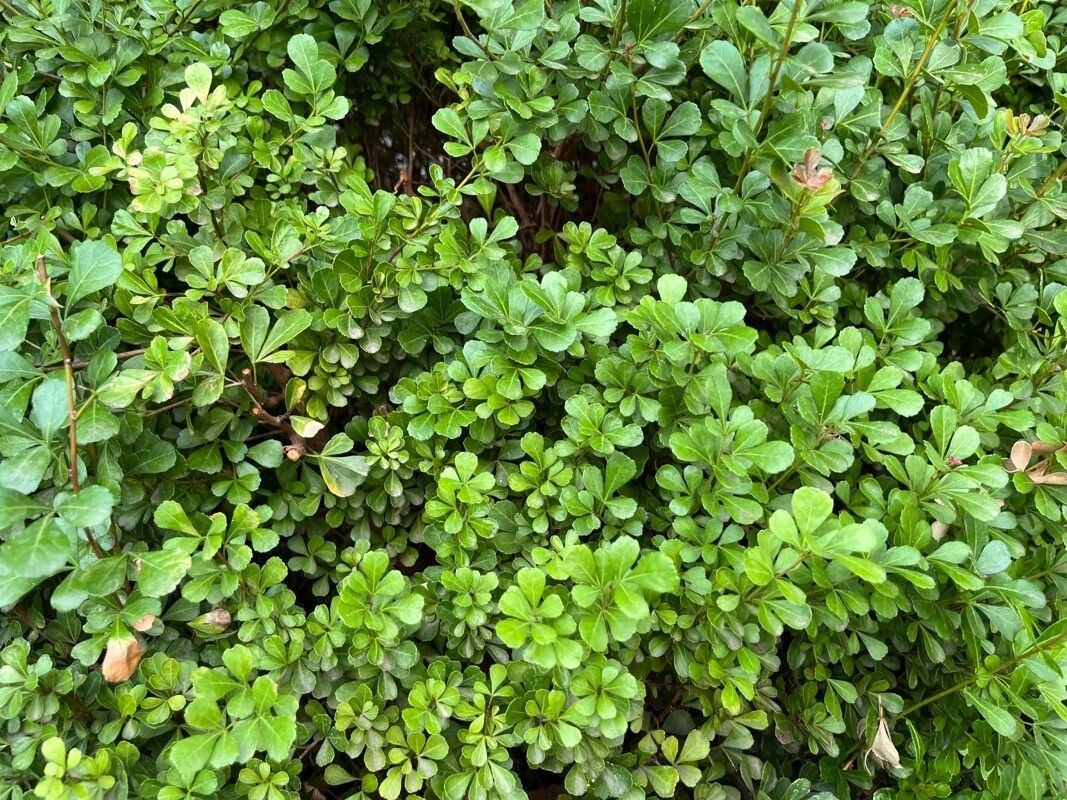
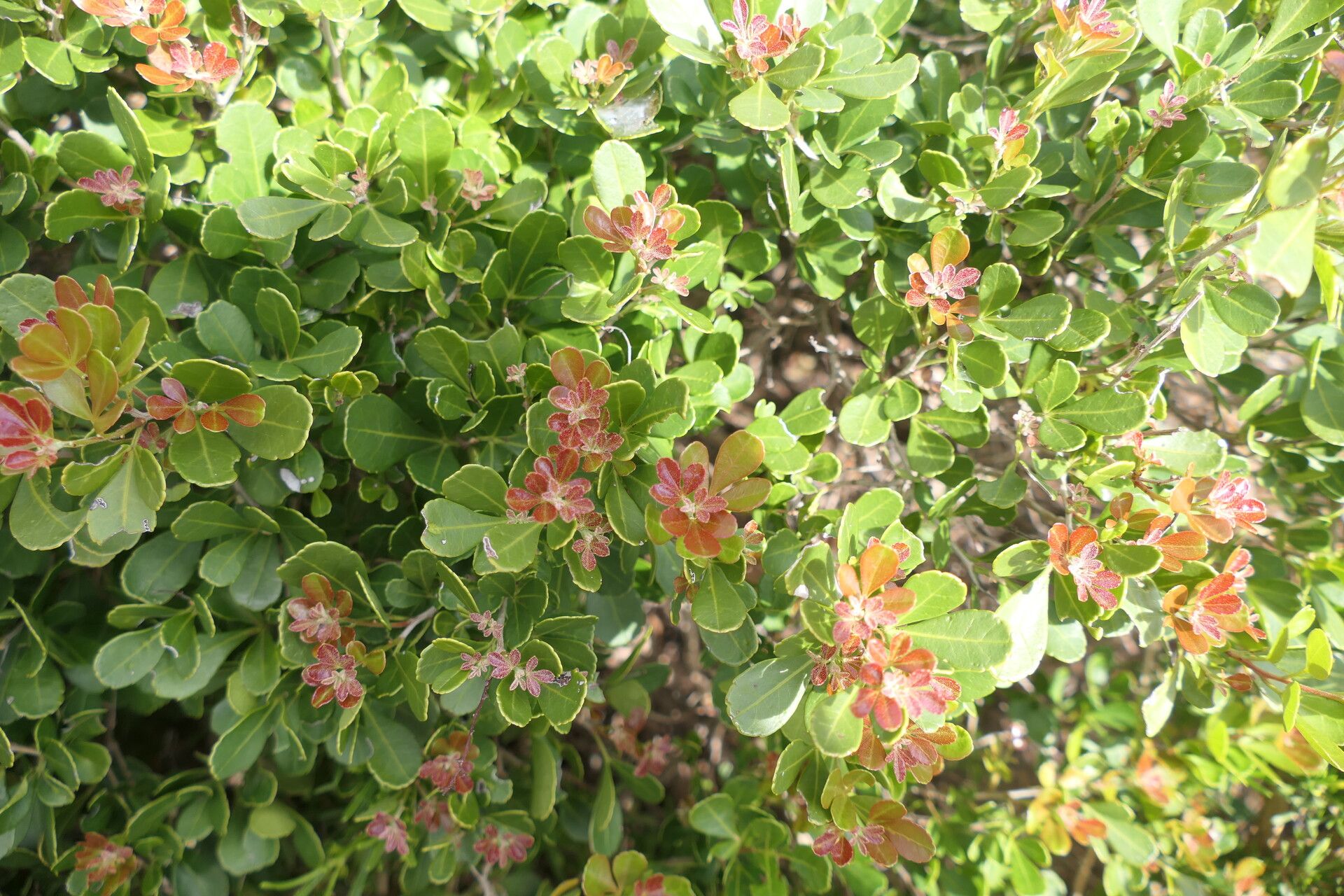
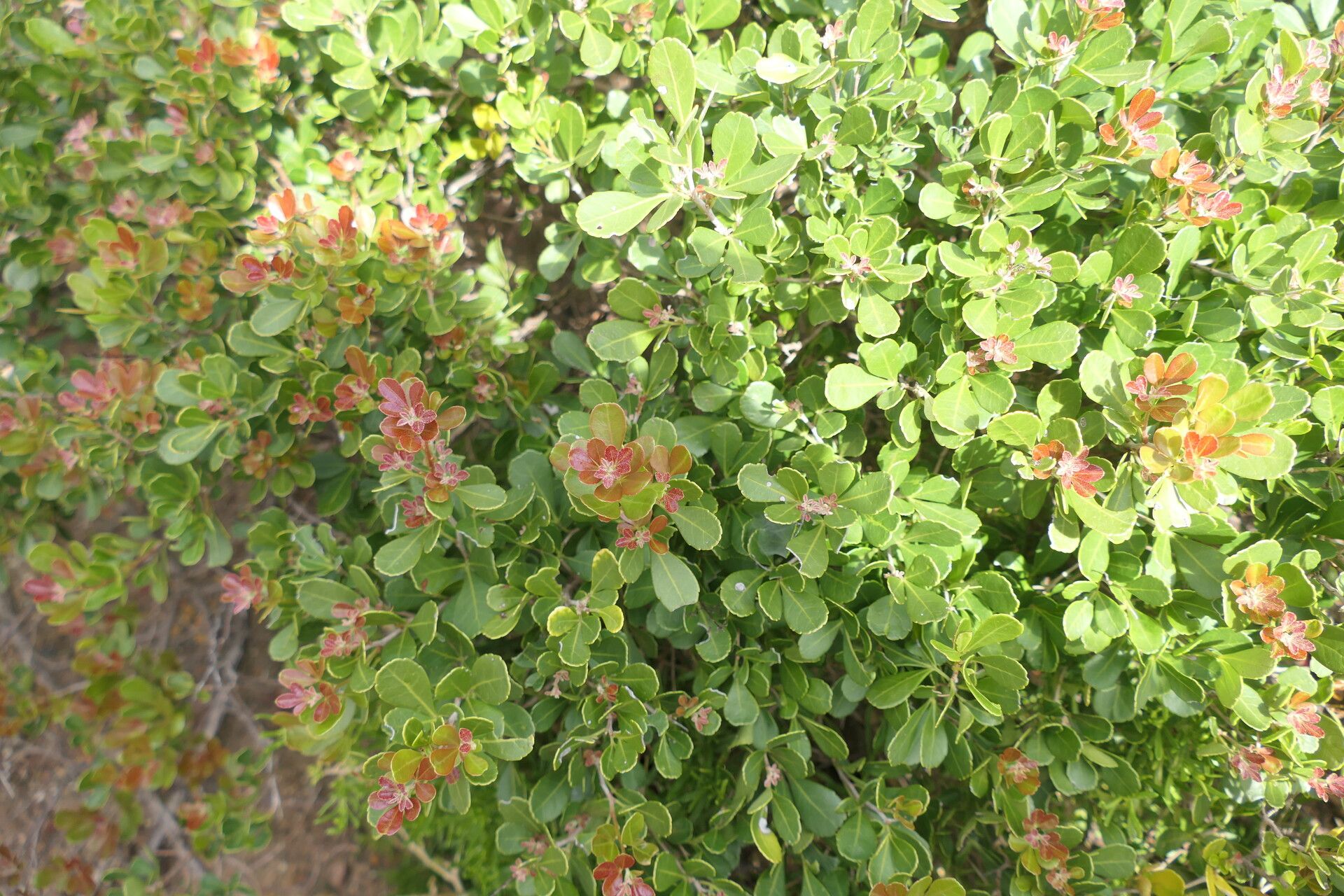
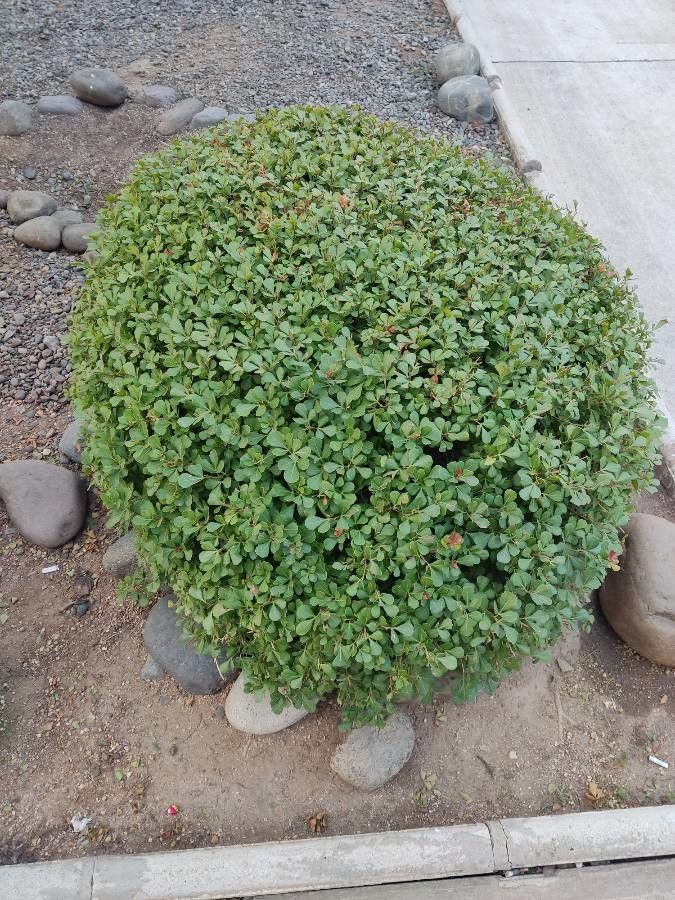
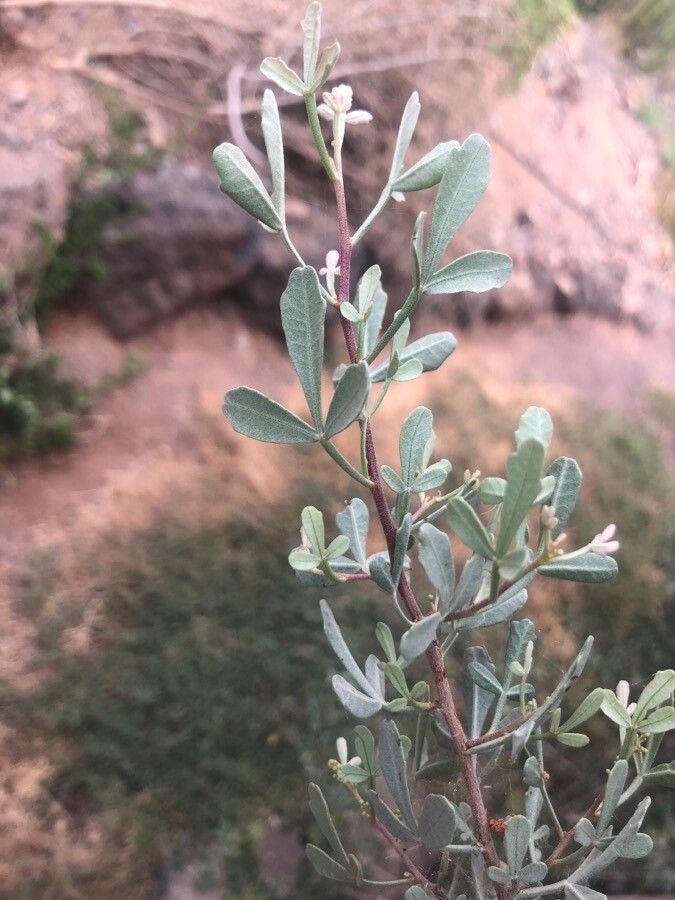
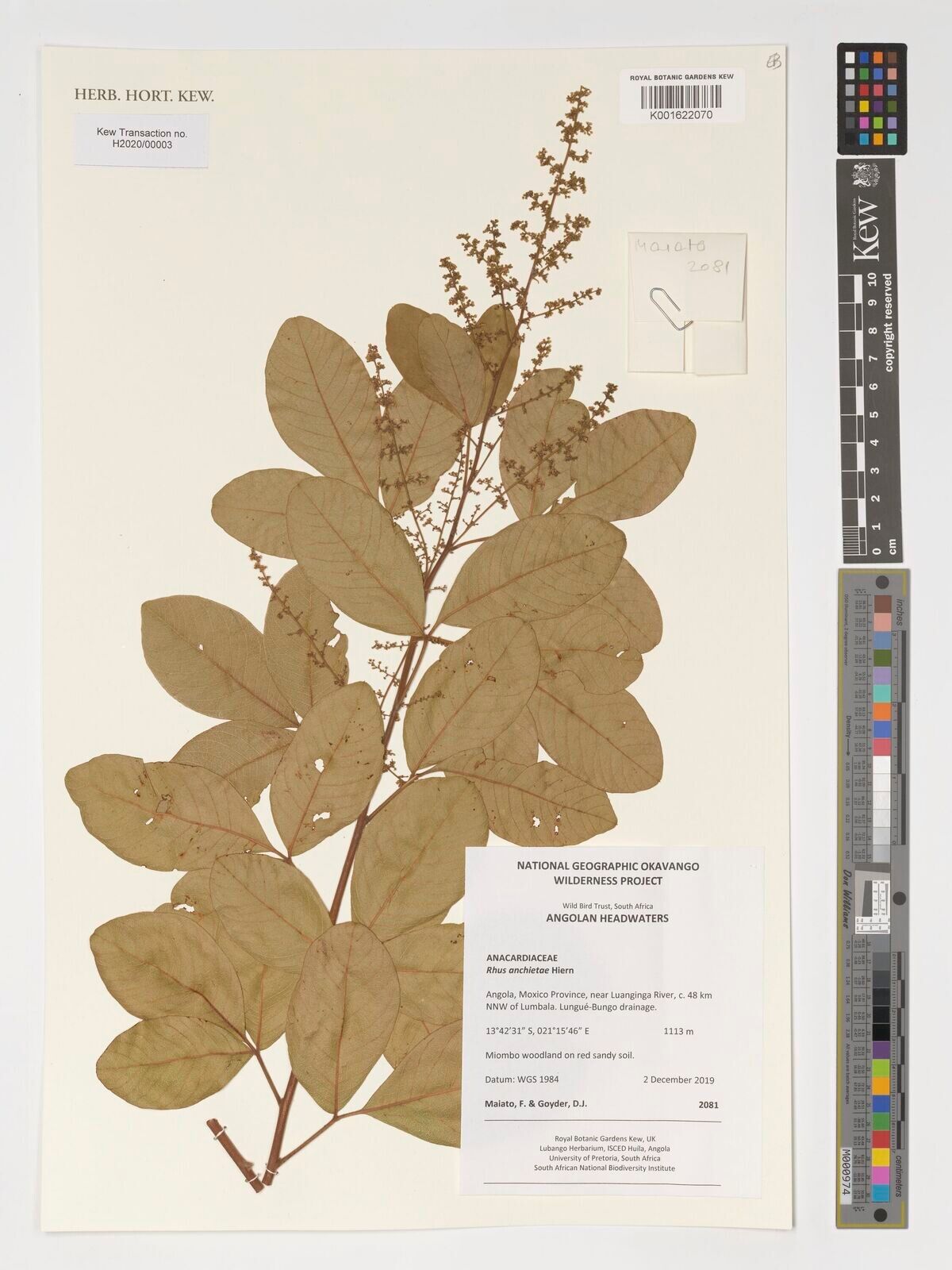
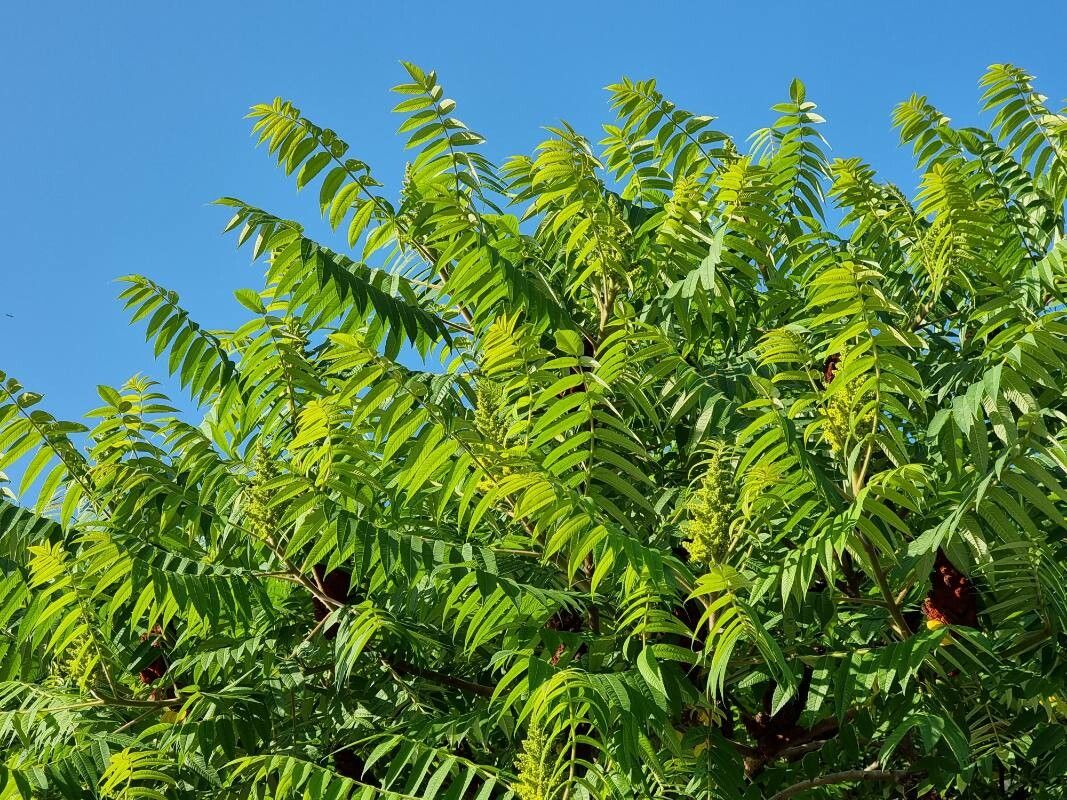
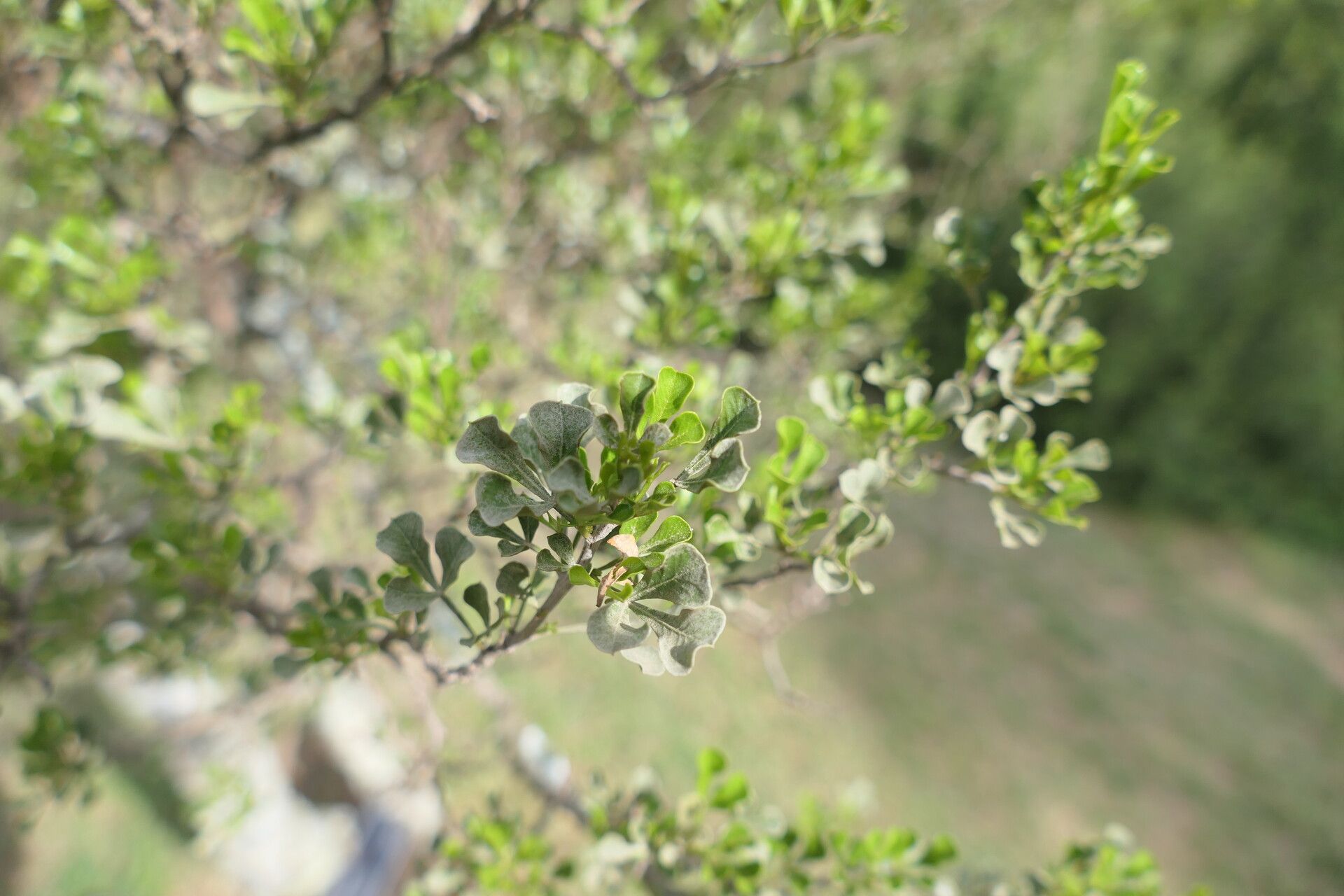
Searsia crenata, previously known as Rhus crenata,, is a species of Searsia that is native to South Africa, where it grows in frost-free and light frost areas, especially on beach sand dunes.
dune crow-berry has strong disease resistance and is typically not susceptible to diseases. Regarding care, this plant is fairly low maintenance. When grown outdoors it needs minimal watering, and larger specimens usually do not require pruning. Smaller plants, however, should be pruned after they finish blooming. dune crow-berry t is appropriate for anyone with an outdoor area, such as a garden or deck, and does not demand much gardening experience.
How to keep Searsia Crenata.
Light
Dune crow-berry originates from open habitats, such as sunny meadows and forest margins, which offer abundant light. It thrives in Full Sun but can also tolerate Partial Sun, demonstrating good adaptability to different sunlight conditions.
Temperature
Dune crow-berry has good temperature adaptability, able to endure higher heat and wider temperature fluctuations. In hot weather, it's important to monitor watering and provide adequate shade to prevent sunburn. However, dune crow-berry is relatively sensitive to low temperatures. While it can tolerate some cold, excessively cold conditions can cause frost damage.
Fertilizer
To encourage healthy growth, fertilize your dune crow-berry in early spring. Regular feeding improves overall health, leading to vigorous growth, greater tolerance of harsh conditions, and enhanced resistance to diseases and pests. Keep to a defined fertilization schedule for your dune crow-berry to maintain foliage that is vibrant, deeply colored, and lush.
Pruning
The dune crow-berry thrives in sandy coastal regions, featuring dense foliage and glossy leaves. Prune it in early spring with sharp tools to remove dead wood and thin out crowded branches, which helps improve airflow and light penetration. Regular pruning promotes a healthy and attractive shape. Be sure to wear gloves to protect your skin while pruning.
Botanical profile.
- Plant Type
- Shrub
- Life Cycle
- Perennial
- Genus
- Searsia
- Family
- Anacardiaceae
- Hardiness Zone
- 9-11
- Mature Height
- 2.13 m to 3.96 m
- Mature Spread
- 2.13 m to 3.05 m
- Leaf Color
- Dark Green, Olive Drab
- Leaf Type
- Deciduous
- Flower Size
- 0.25 cm to 0.51 cm
- Bloom Time
- Mid spring, Late spring
- Planting Time
- Spring
- Harvest Time
- Summer
- Native Area
- South Africa
Other names.