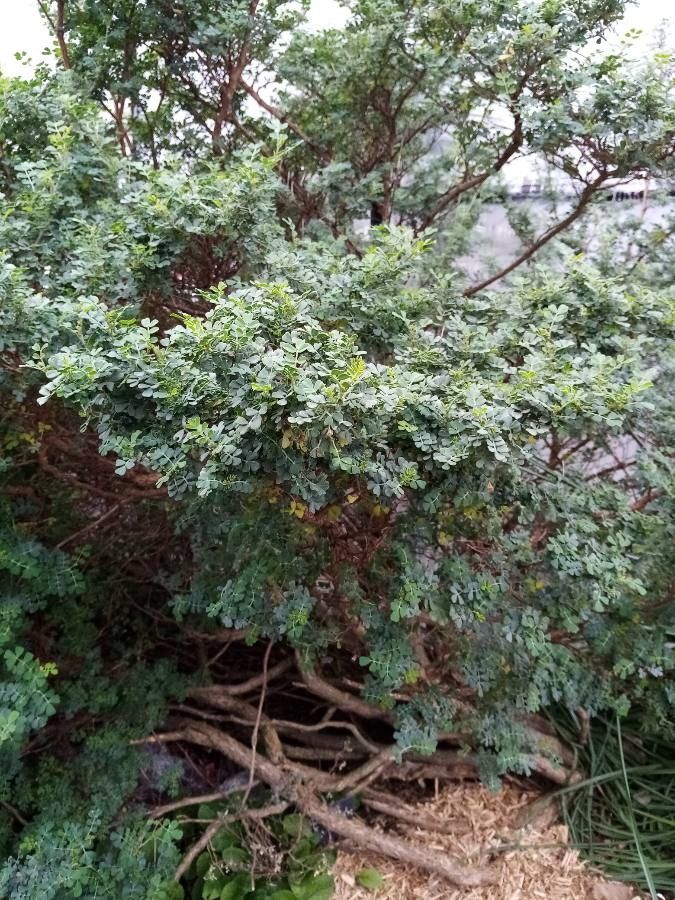
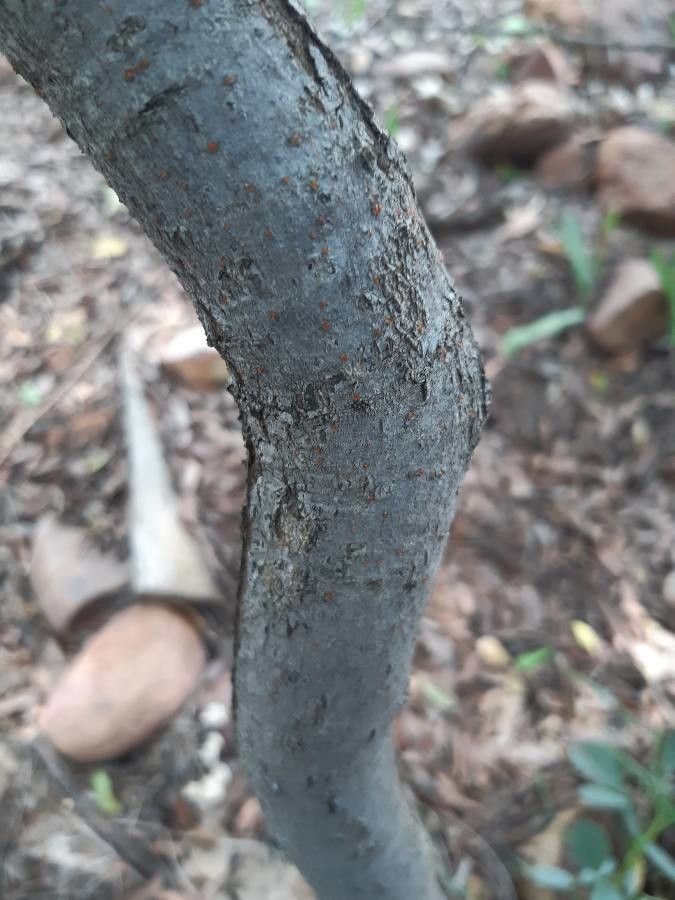
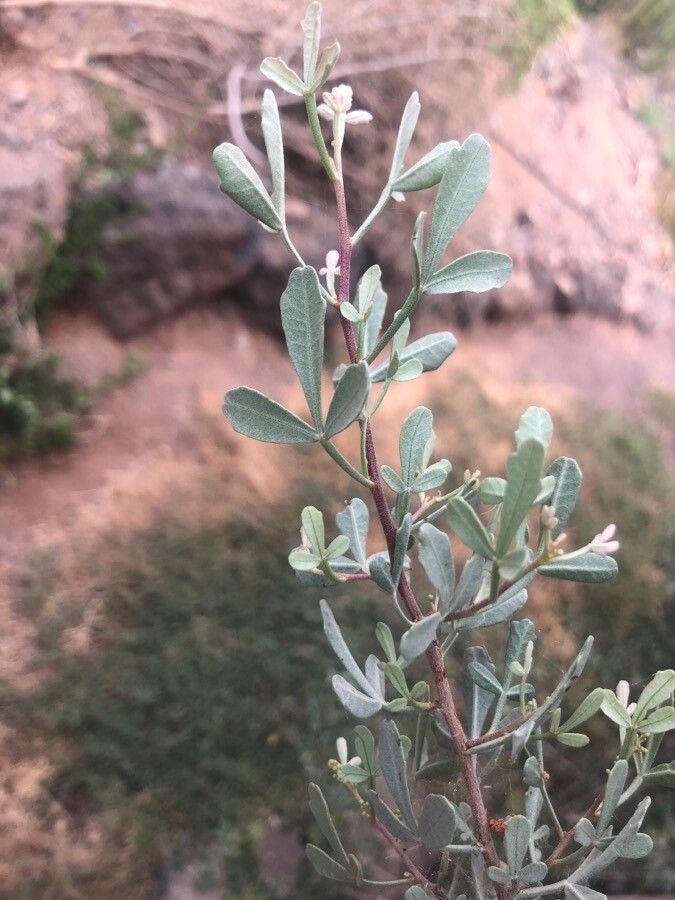
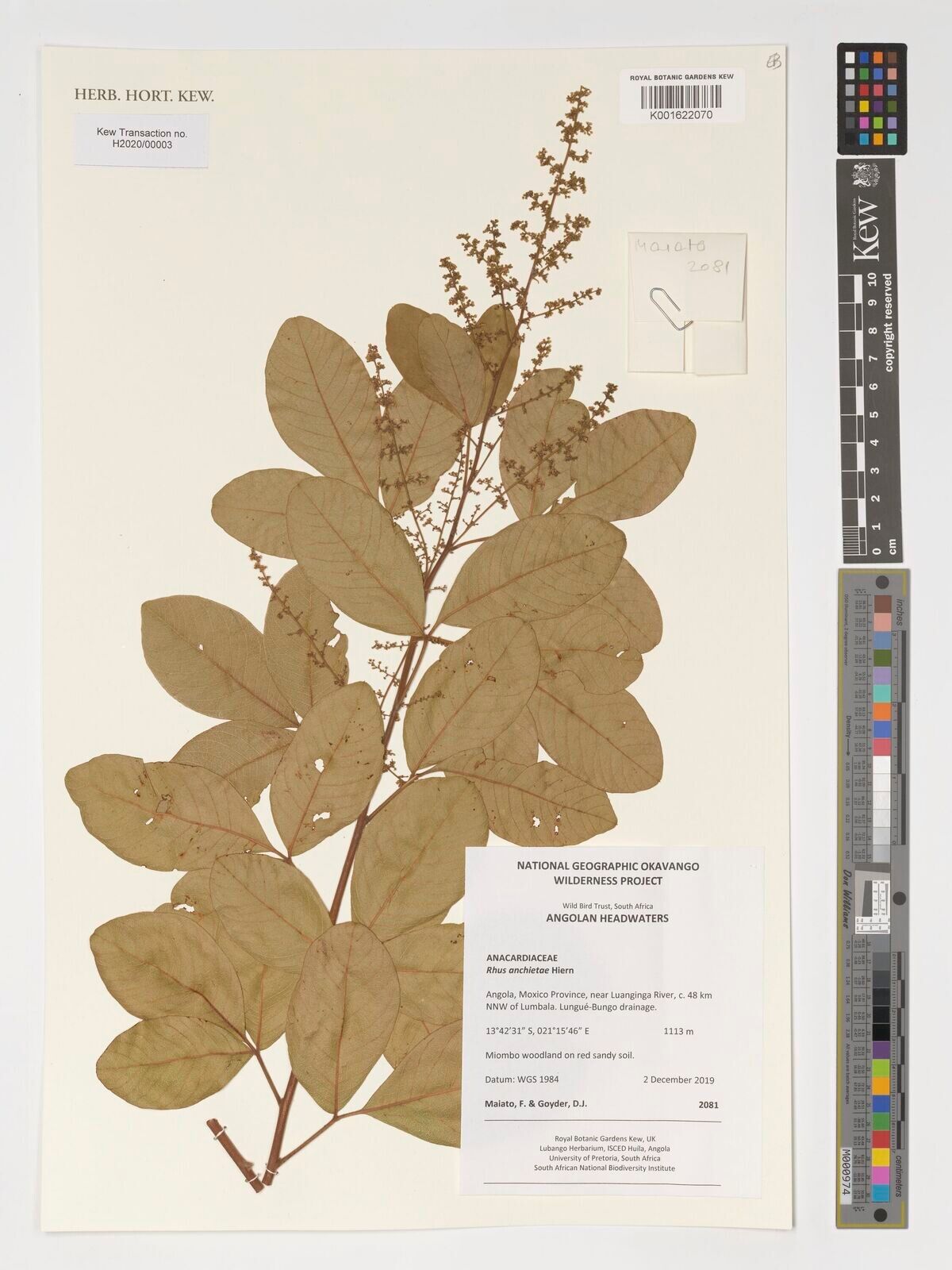
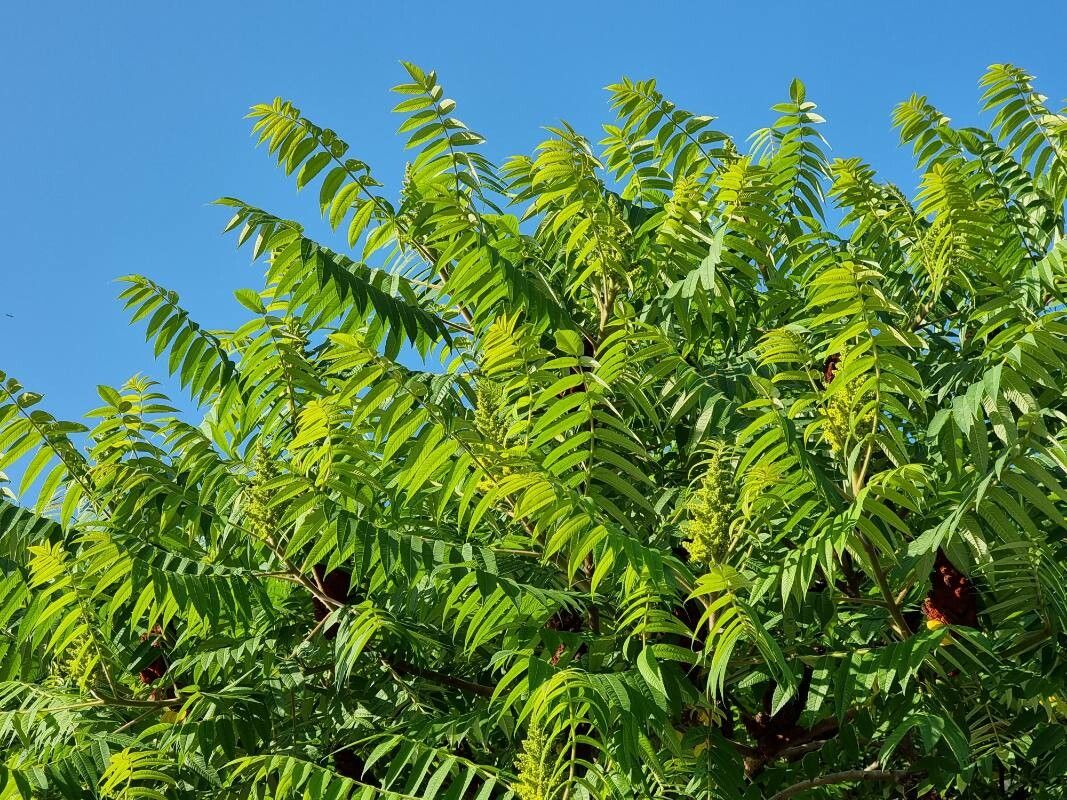
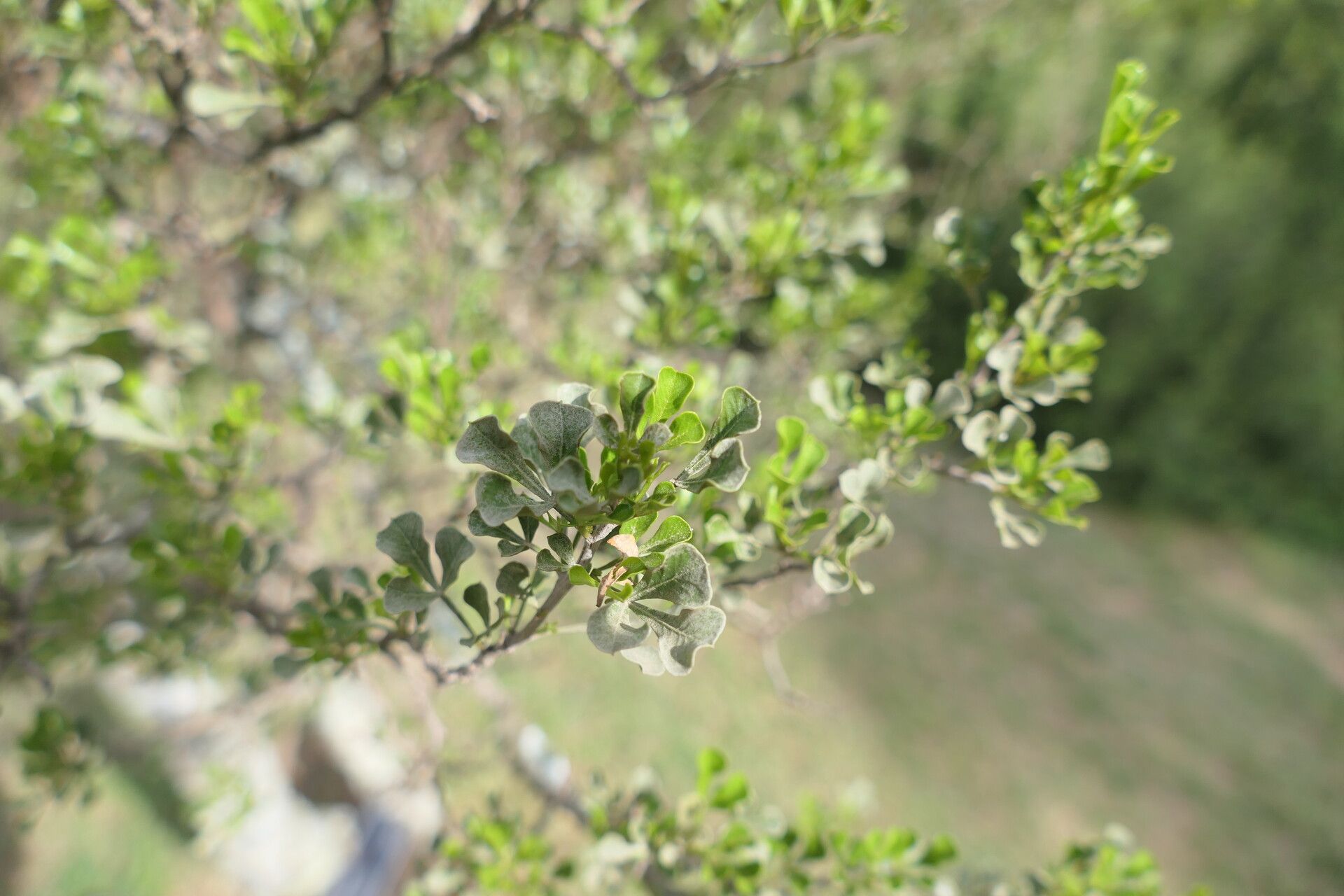
Searsia zeyheri is a small to medium-sized tree that belongs to the Anacardiaceae family. Native to southern Africa, it thrives in diverse habitats, including savannas, woodlands, and rocky outcrops. This tree typically features a single trunk with a rounded crown and can reach heights of up to 10 meters. Its bark is smooth and greyish-brown in color.
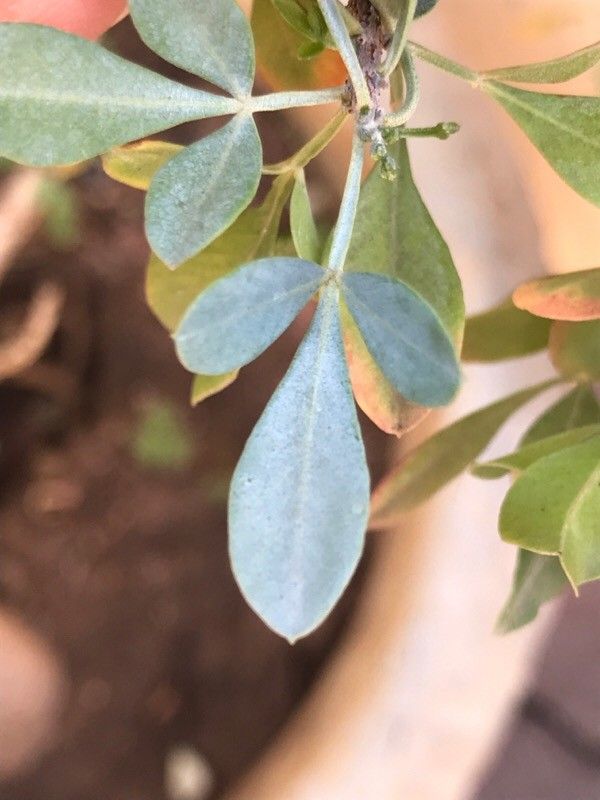
The leaves of Searsia zeyheri are compound, consisting of three oval-shaped leaflets with serrated edges. They are dark green but turn yellow or red during autumn before falling from the tree.
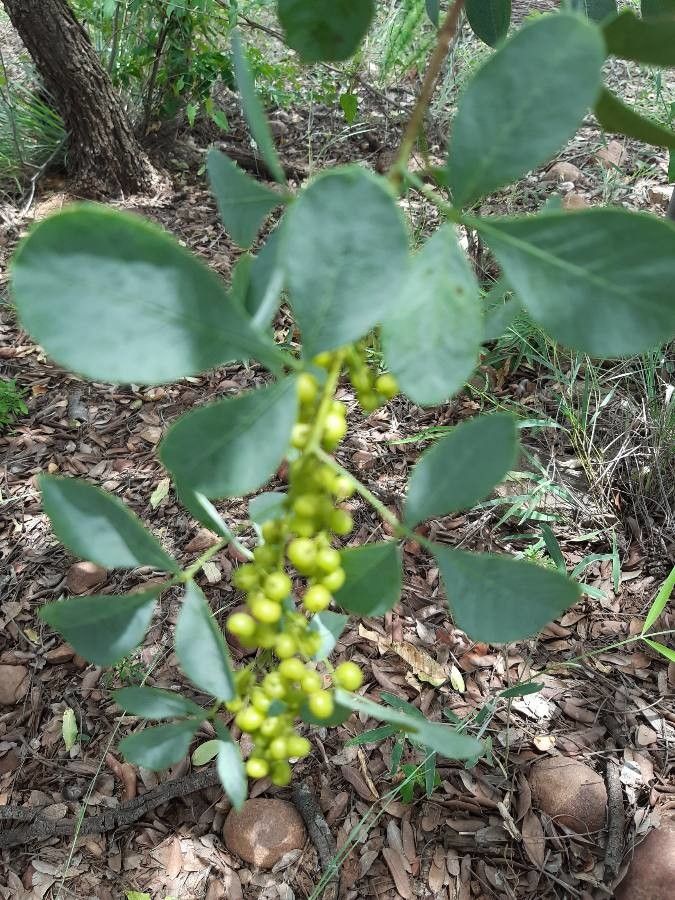
From August to October, the tree produces small, yellowish-green flowers. These are followed by small red or black berries, which ripen between December and February.
Searsia zeyheri holds various traditional medicinal uses among indigenous communities, including treatments for diarrhea, stomach pains, fever, coughs, and skin conditions such as eczema.
Overall, Searsia zeyheri is an attractive ornamental plant for gardens, appreciated for its vibrant autumn foliage and its medicinal benefits.
How to keep Searsia Zeyheri.
Pruning
To promote healthy growth, blue crowberry benefits from pruning in early spring. Remove dead wood and thin out crowded branches to improve air circulation and sunlight exposure. Maintaining the plant’s natural shape enhances its vibrant growth and garden appeal. For the best results, consider consulting local horticultural experts.
Botanical profile.
- Plant Type
- Shrub
- Genus
- Searsia
- Family
- Anacardiaceae
Other names.