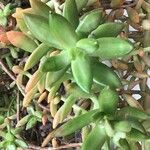
Sedum nussbaumerianum
Orange Delight · Golden sedum · Coppertone Stonecrop · Sedum Adolphii
Description
Source: leafsnapSedum adolphi, the coppertone stonecrop, is a species of succulent plant in the family Crassulaceae. It is native to Mexico and has become naturalized in Sicily and the Canary Islands.
💡 Golden sedum is a beautiful succulent with spoon-shaped leaves and a lotus-like form. Each leaf has a small tip at its end. The plant appears golden or yellow-green, making it instantly charming and delightful at first sight.
🌳 Coppertone stonecrop's leaves display a distinctive coppery-red tint, which occupies an unconventional role in botanical art by expanding the range of natural tones available to artists. In addition to its aesthetic contributions, Coppertone stonecrop performs a vital health-related function indoors. It helps moderate environmental conditions by absorbing screen radiation and emitting oxygen, which enhances air quality and promotes a more wholesome indoor atmosphere.
🎭 Calm and serenity
Care Guide
💧 Water
Coppertone sedum is a hardy plant that thrives in dry environments due to its high drought tolerance. It only needs to be watered about once every three weeks. To prevent root rot, it's important to plant it in well-draining soil, which makes it ideal for outdoor areas that experience sporadic rainfall.
What is the most effective way to water my Coppertone sedum plant?
To properly water Coppertone sedum, follow these steps: 1. Wait until spring when new leaves are starting to grow. 2. Water when the soil inside the pot is completely dry. 3. Use either tap water or distilled water. 4. Avoid watering from above - water at the base of the plant. 5. Apply water slowly and evenly across the soil's surface. 6. This method ensures consistent soil moisture without wetting the above-ground portions of the plant. 7. Keep adding water until you see excess water draining from the pot's hole.
What should I do if I give too much or too little water to my Coppertone sedum?
Overwatering is a common problem with Coppertone sedum plants and can quickly lead to their death. To prevent overwatering, wait for the soil to completely dry before watering. Many people mistakenly water the plant incorrectly, especially when it goes into dormancy. If your Coppertone sedum shows signs of overwatering, it's best to remove it from its pot and carefully examine and remove any rot or moisture-related disease from the roots. Some roots may be salvaged with a simple cleaning. Afterward, repot the plant in well-draining soil to reduce the chances of future overwatering. Underwatering is less common, but if it happens, increase the frequency of watering without overcompensating and causing overwatering.
How frequently should I water my Coppertone sedum?
Coppertone sedum is a type of succulent plant that requires less water than most other plants. This is because it comes from a hot and dry region. To properly care for this plant, you should let the soil completely dry out between waterings. It usually takes about two weeks to a month for the soil to dry completely. Watering frequency depends on the season. In the spring and summer when the plant is growing, you can water it every 2-3 weeks. During the summer, the soil may dry out faster. However, when the temperature drops below 60 degrees or goes above 85 degrees Fahrenheit, the plant goes into a dormant or semi-dormant state and does not need as much water. During this time, it's best to reduce or stop watering until the temperature is suitable for the plant to grow again.
How often should I water my Coppertone sedum?
Coppertone sedum does not require a lot of water overall. However, when it does need watering, it should be given a generous amount. There is no specific quantity, but it's essential to continue watering until the soil is completely moist. If you are growing this plant in a pot, a good way to ensure this is by watering it until you see water trickling out from the drainage holes. Another method is to insert a pencil or similar object deep into the soil and check if it comes out moist. If it does, then you have watered enough.
How do I know if I'm giving enough water to my Coppertone sedum plant?
Overwatering is usually a bigger issue than underwatering. When plants are overwatered, their leaves quickly lose shape, become mushy, and change colors. In contrast, healthy leaves of living stone plants like Coppertone sedum should be strong and maintain their shape. Underwatering is rare for this species, as it can often survive with no water at all. But if it does happen, you might notice leaf discoloration and dryness.
☀️ Light Full sun
The coppertone stonecrop grows best when it gets abundant light for most of the day. It can, however, adjust to conditions with less sunlight. Its native habitat provides similar light exposure. Excessive light can scorch the leaves, while insufficient light results in weak stems and faded foliage.
What are the sun requirements for Coppertone Sedum?
Coppertone Sedum requires full sun, which means it thrives in areas that receive more than 6 hours of sunlight per day. However, it can also adapt to partial sun conditions, where it would get about 3-6 hours of sunlight. It's crucial to monitor the movement of sunlight through your garden to find spots that offer a good mix of light and shade, ensuring the plants' well-being.
What are the essential care tips for growing Coppertone Sedum?
Coppertone Sedum excels in areas with abundant light for most of the day but can also handle less sunlight. Its natural habitat aligns with these light conditions. While overexposure may lead to leaf scorch, insufficient light causes weak stems and faded leaves. Indoor plants, in particular, may benefit from artificial lighting, especially during winter or in less sunny areas. LED lights are a good choice, providing essential wavelengths of light. The amount of artificial light needed varies: 30-50W/sq ft for full sun plants, 20-30W/sq ft for partial sun plants, and 10-20W/sq ft for full shade plants. The light source should be 12-36 inches above the plant, and most plants need 8-12 hours of light per day.
What symptoms indicate light deficiency in Coppertone Sedum?
Symptoms of light deficiency in Coppertone Sedum include lighter-colored new leaves, signifying insufficient sunlight and a lack of essential nutrients. You might also notice leggy or sparse growth, smaller leaves than usual, and a quicker rate of leaf drop. Similarly, exposure to too much sunlight can cause chlorosis, sunscald, leaf curling, wilting, and leaf scorching. Each of these symptoms points towards an imbalance in light exposure, which can significantly impact the plant's health.
What solutions can address light-related issues in Coppertone Sedum?
To counter light deficiency, gradually move your plants to locations with at least 6 hours of direct sunlight daily, using a south-facing window for indoor plants and keeping curtains open. If the plant is large or not easily movable, consider artificial lighting, keeping lights on for a minimum of 8 hours daily. For outdoor plants, avoid sudden changes in light intensity to prevent sunburn. In terms of obstructions, identify and reduce anything blocking sunlight, such as pruning trees. For smaller plants, transplanting during the dormant period to a sunnier location with good drainage may also help. Note that portions of the plant already affected by insufficient light may not recover, but new growth should be healthy with improved light exposure.
🌡️ Temperature 20–37.8°C
Coppertone stonecrop favors its native conditions with warm to hot temperatures between 68℉ and 100℉ (20℃ to 38℃). They can tolerate even higher summer heat if given partial shade to avoid heat stress. In winter, it is recommended to place them in a cooler spot with temperatures near 50℉ to 60℉ (10℃ to 15℃) to promote dormancy and improve growth the following spring.
What are the ideal growing conditions for Coppertone Sedum?
Coppertone Sedum, or Sedum nussbaumerianum, thrives in warm to hot temperatures, specifically between 68°F to 100°F (20°C to 38°C), and can tolerate higher temperatures in summer if provided with partial shade to prevent heat stress. During the winter, it prefers cooler temperatures around 50°F to 60°F (10°C to 15°C) to rest and prepare for better growth in the spring. It's important to maintain temperatures above 20°C during its growing season in winter. If outdoor temperatures drop below 0°C, it's advisable to bring the plant indoors to a well-lit area. Watering should be increased in higher temperatures and reduced as it approaches 0°C. For outdoor overwintering, ensure the plant is in a sheltered area with sunlight or consider a temporary greenhouse to keep the plant moist and protected.
How does low temperature affect Coppertone Sedum and what are the remedies?
Coppertone Sedum is not tolerant of extremely cold temperatures and performs best between 20°C and 38°C, requiring to be kept above 0°C during winter. Exposure to temperatures below -5°C results in leaves showing water-soaked necrosis and wilting; mild frost damage might not show immediate symptoms, but after a week, significant wilting occurs, leading to leaves falling off. The remedy includes trimming off frostbitten areas, moving the plant to a warm indoor location or a makeshift greenhouse for cold protection. Selection of a south-facing window ensures ample sunlight indoors, while the greenhouse setup should have good ventilation to prevent decay due to poor airflow.
How should Coppertone Sedum be cared for in high temperatures?
In high temperatures, particularly above 43°C, Coppertone Sedum enters a dormant state and becomes susceptible to rot in high humidity conditions. It is advised to keep the plant below 38°C during summer. To manage high temperature stress, remove any dry and rotten parts of the plant, move it to a partially shaded area to protect from direct midday and afternoon sun, and cease watering until the weather cools. This care strategy helps in protecting the plant from the adverse effects of high temperatures.
💨 Humidity dry (<40%)
This plant prefers dry conditions, so don't mist it. However, watering it less often can also thrive in higher humidity.
🪴 Soil 6-7
🌱 Fertilizer
Coppertone stonecrop only needs light fertilizer applications once or twice a year during the growing season. Do not fertilize in winter or summer when it is dormant. Cut back on fertilizer for plants that have been repotted and wait a couple of months after repotting before feeding. Fertilizing helps maintain healthy growth and promotes blooms.
Why should I add fertilizer to my Coppertone sedum plant?
Adding nutrients to the growing medium is essential for promoting healthy growth in Coppertone sedum. While this succulent does store water and nutrients, applying plant food during the growing season can further support its development. Moreover, fertilizing can stimulate mature plants to produce beautiful blooms in the growing season.
When should I fertilize my Coppertone sedum?
Coppertone sedum, like all plants, benefits from nutrients. However, it only requires a small amount of fertilizer during the growing season, typically 1-2 times a year. It is recommended to fertilize the plant in the spring and autumn, while avoiding fertilization in the winter and summer when it is dormant. When repotting the plant, use less fertilizer, and wait a few months before applying any fertilizer.
When is the best time to not use fertilizer on my Coppertone sedum?
Coppertone sedum, like other plants, has a dormancy period when it stops growing. During the summer and winter, this is the time to refrain from fertilizing. Additionally, it is advisable to avoid fertilizing for the first few months after repotting in the spring.
Which fertilizer should I use for my Coppertone sedum plant?
When fertilizing Coppertone sedum, it is recommended to use a liquid plant food specifically made for succulents and cacti. Make sure to dilute the fertilizer with water to half-strength to avoid a buildup in the soil. Apply the fertilizer at the base of the plant and water it thoroughly. Ensure that any excess moisture drains from the container or seeps into the ground.
How do I take care of my Coppertone sedum plant with fertilizing?
When fertilizing Coppertone sedum, using liquid plant food is the easiest option, but you can also use granules. Follow the instructions on the packaging and be sure to dilute liquid fertilizers to half-strength. Regardless of whether you choose granules or liquid plant food, always apply it to the soil. It's important to cover the granules with a thin layer of soil and water the plants, no matter which type of plant food you decide to use.
🪴 Pot & Repot Every 2 years
When repotting Coppertone stonecrop, choose a pot slightly larger than the current one that provides good drainage. Use a gritty, well-draining cactus or succulent mix. Gently remove the plant from its old pot, brush off excess soil, and plant it at the same depth. Wait several days before watering so any root damage can heal. Repot in spring or fall and place the plant in a brightly lit spot.
✂️ Pruning
To help large succulent plants, such as coppertone sedum, keep their shape, prune them in the spring and fall. Remove any dense or redundant branches during the process. If you want to propagate these plants, cut a sturdy stem with 5-6 leaves, treat the cut end with sulfur powder, and make sure the soil is slightly moist before planting.
🌿 Propagating
🐛 Diseases & pets
☠️ Toxicity
Characteristics
- Plant Type
- Succulent, Herb
- Life Cycle
- Perennial
- Genus
- Sedum
- Family
- Crassulaceae
- Hardiness Zone
- 9-11
- Mature Height
- 20 cm to 23 cm
- Mature Spread
- 49 cm to 91 cm
- Leaf Color
- Green, Red
- Leaf Type
- Evergreen
- Flower Color
- Yellow
- Flower Size
- 1.02 cm to 1.52 cm
- Bloom Time
- Mid spring, Late spring, Early summer
- Planting Time
- Spring, Summer, Autumn, Winter
- Harvest Time
- Early summer, Mid summer
- Native Area
- Mexico