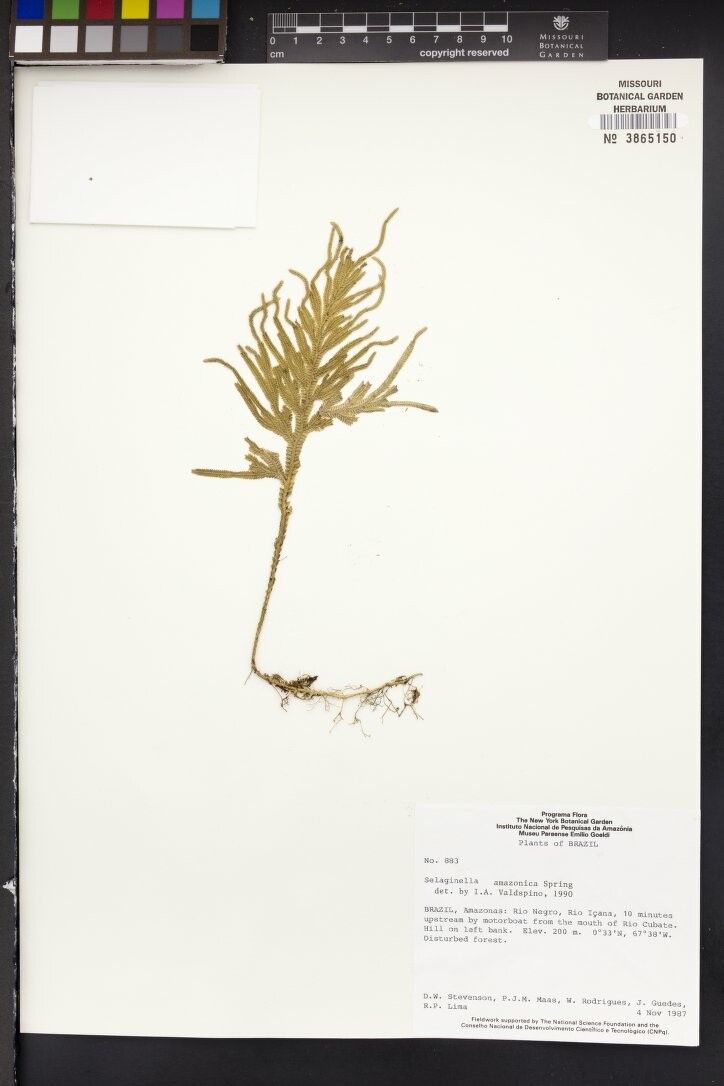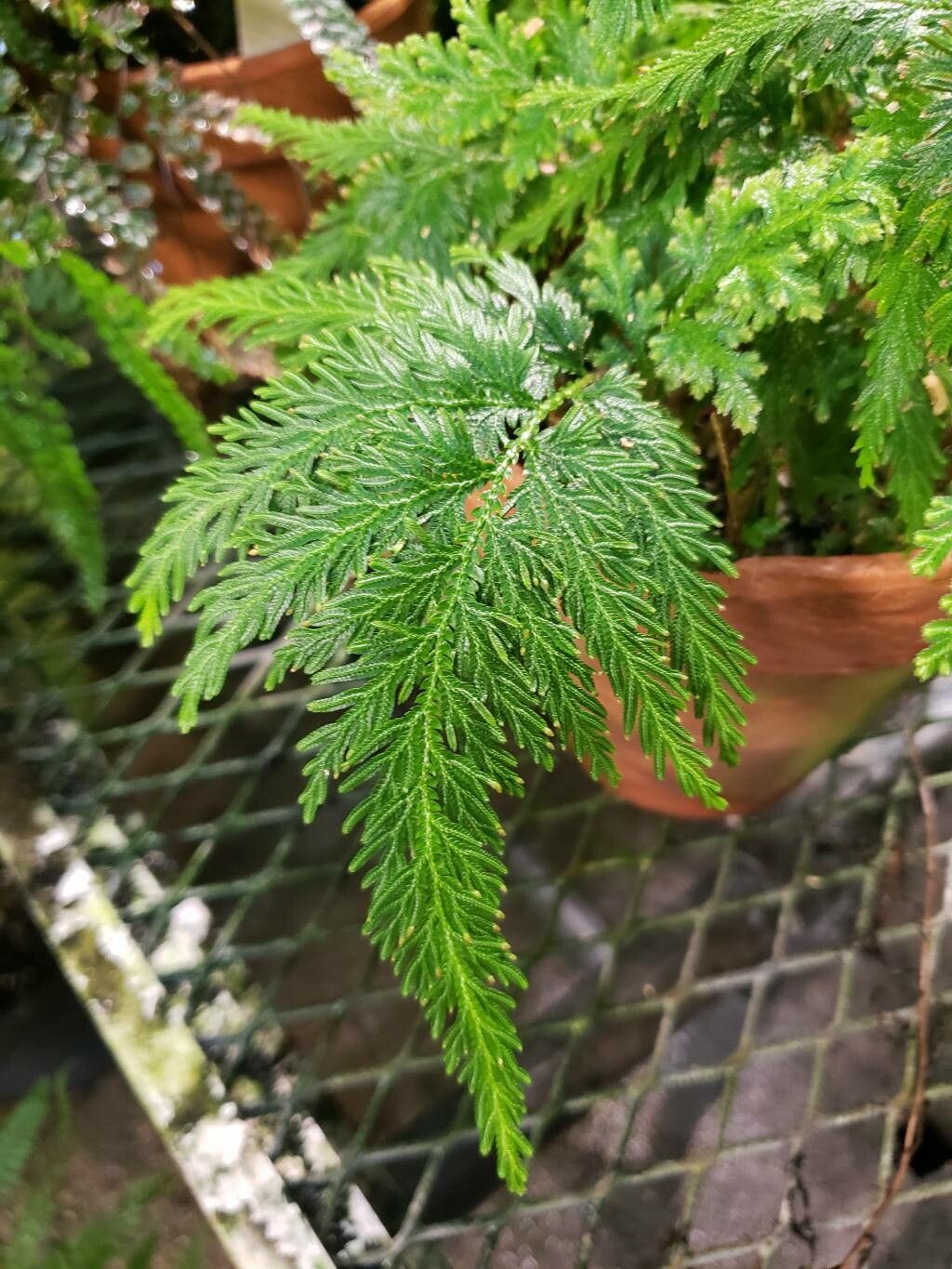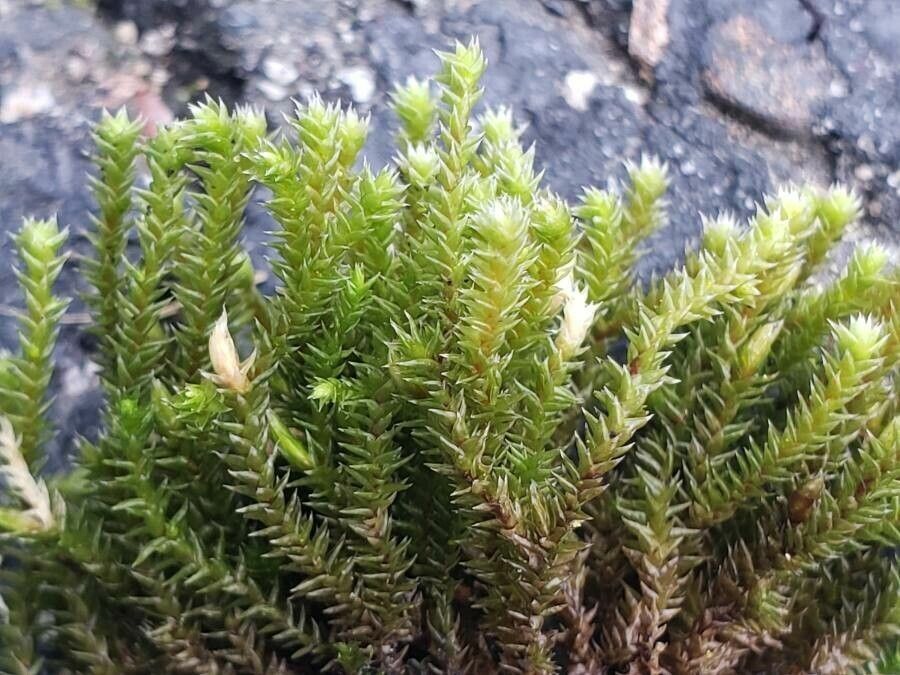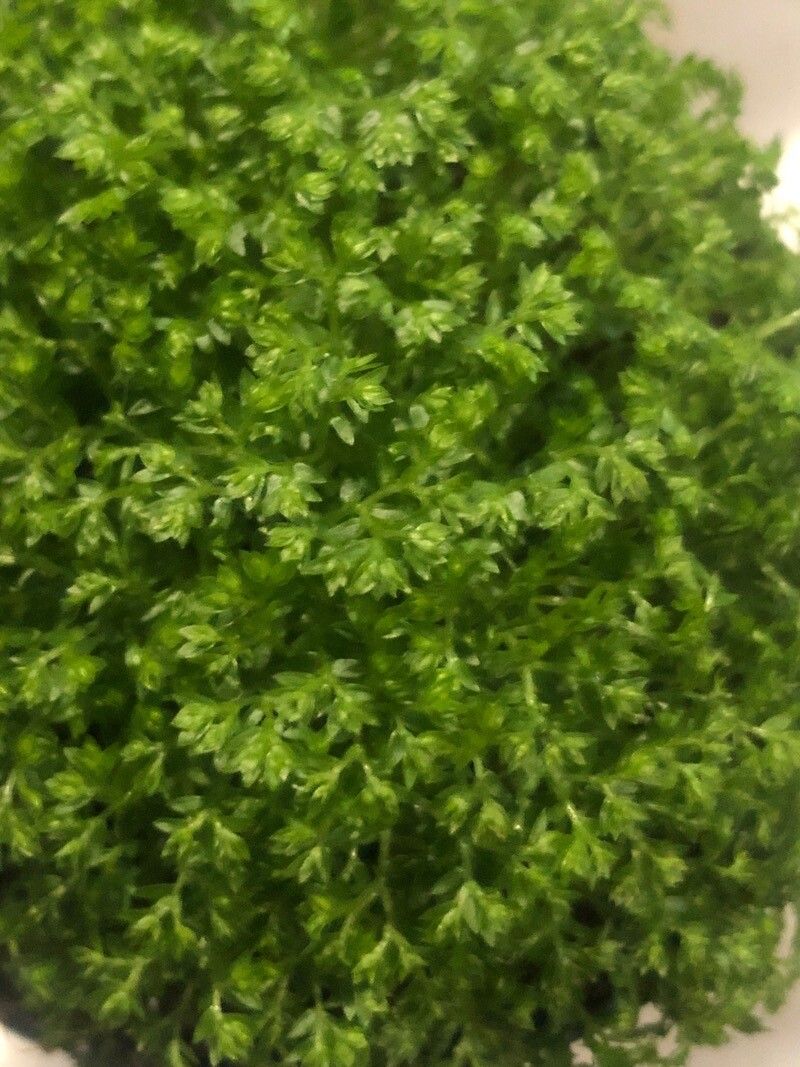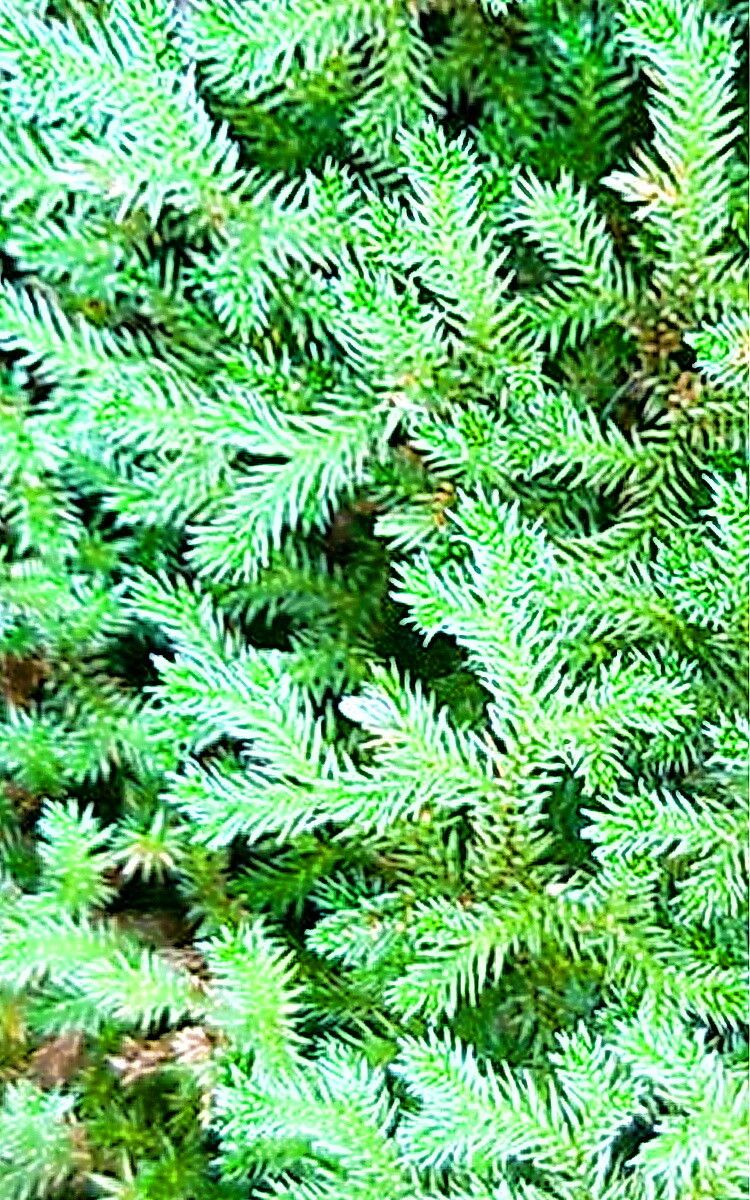
Selaginella bigelovii is a species of spikemoss known by the common names bushy spikemoss and Bigelow's spikemoss. It is native to California and Baja California, where it grows in rocky places in many different habitat types, from the coastline to the mountains to the deserts. This lycophyte forms clumps of spreading upright to erect stems up to 20 cm long with a few short lateral branches. The linear or lance-shaped green leaves are up to 4 mm long, including the tiny rigid bristles at their tips. They are either flattened to the stem or stick out very slightly. The strobili borne at the leaf bases are yellow-orange in color.
Bushy spikemoss has strong disease resistance and is generally unlikely to suffer from illnesses. Still, it can be vulnerable to pests and diseases present in its environment. Such infections are typically mild. Regarding care, this plant needs moderate upkeep. It should be pruned regularly to preserve its appearance and encourage healthy growth. Applying fertilizer can also aid in promoting flowering. Bushy spikemoss is appropriate for anyone with outdoor space, like a garden or patio, and does not demand extensive gardening experience. It may need more attentive care when cultivated indoors.
How to keep Selaginella Bigelovii.
Light
Bushy spikemoss performs optimally in environments akin to a dimly-lit forest floor, shielded from harsh sunlight. Direct and intense sunlight could damage it, increasing its risk of desiccation, but inadequate light might obstruct its robust growth. This plant can withstand limited light conditions found under the shade of larger plants.
Temperature
Bushy spikemoss naturally thrives in regions where the temperature usually fluctuates between 59 to 95 °F (15 to 35 ℃). It favors these mild climates and is capable of adapting to the seasonal variations within this range. It is ill-advised to grow it outside of this temperature span.
Fertilizer
Bushy spikemoss typically requires only one application of fertilizer in the spring, although applying it more frequently can boost its growth. It's best to fertilize every month to a month and a half. Fertilization improves the look and functionality of the leaves, providing a steady color and a healthy feel. It also encourages root development and nutrient uptake, contributing to the plant's overall health in the long run.
Botanical profile.
- Plant Type
- Herb
- Life Cycle
- Perennial
- Genus
- Selaginella
- Family
- Selaginellaceae
- Hardiness Zone
- 8-10
- Mature Height
- 20 cm
- Mature Spread
- 30 cm
- Leaf Color
- Dark Green, Forest Green
- Leaf Type
- Evergreen
- Planting Time
- Spring, Summer, Autumn
- Native Area
- Mexico