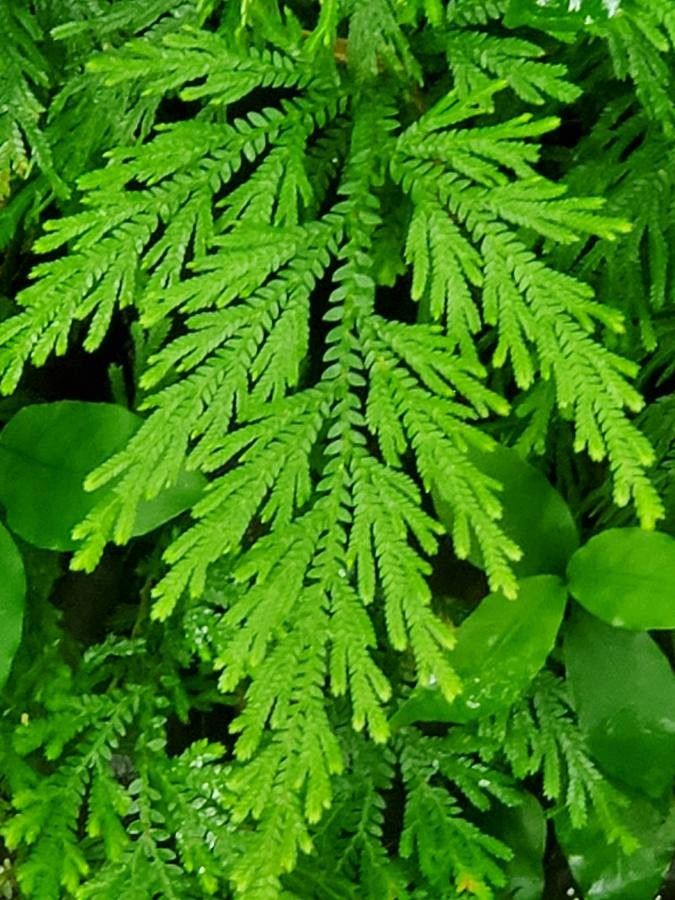
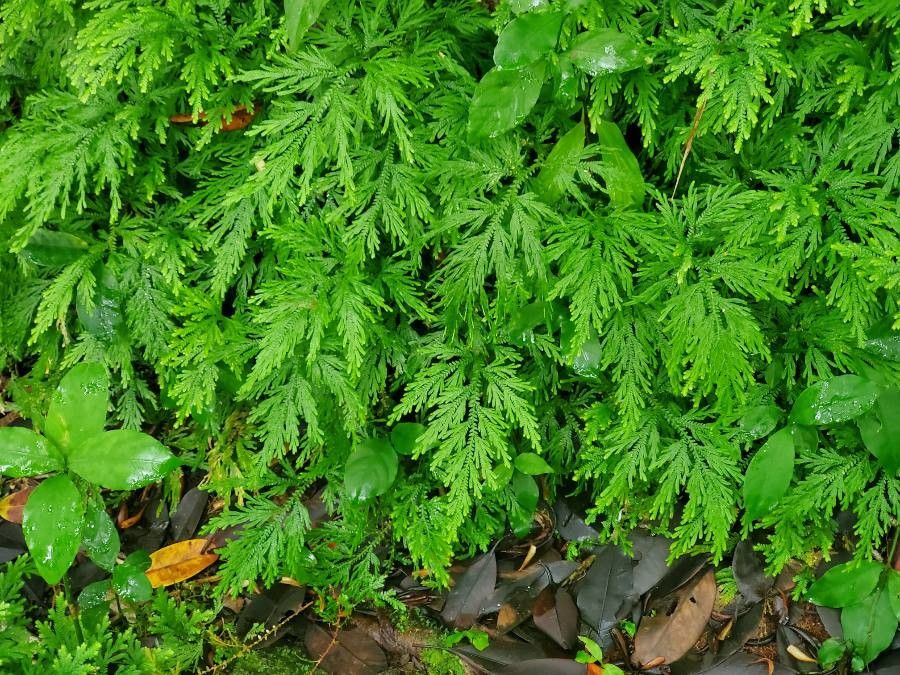
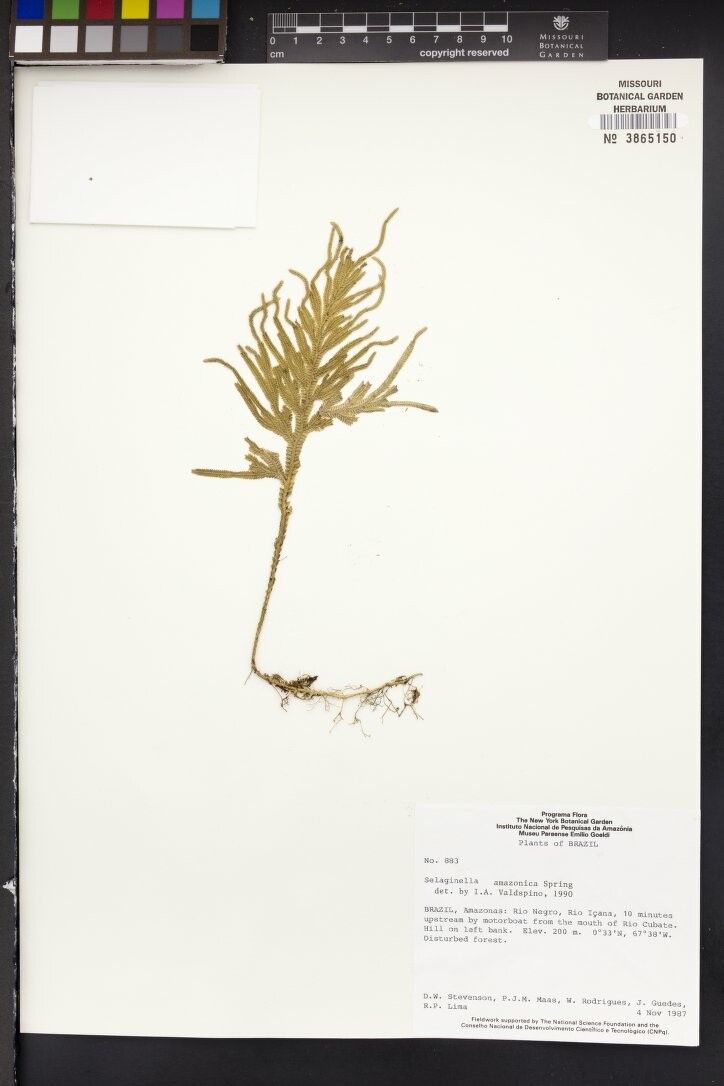
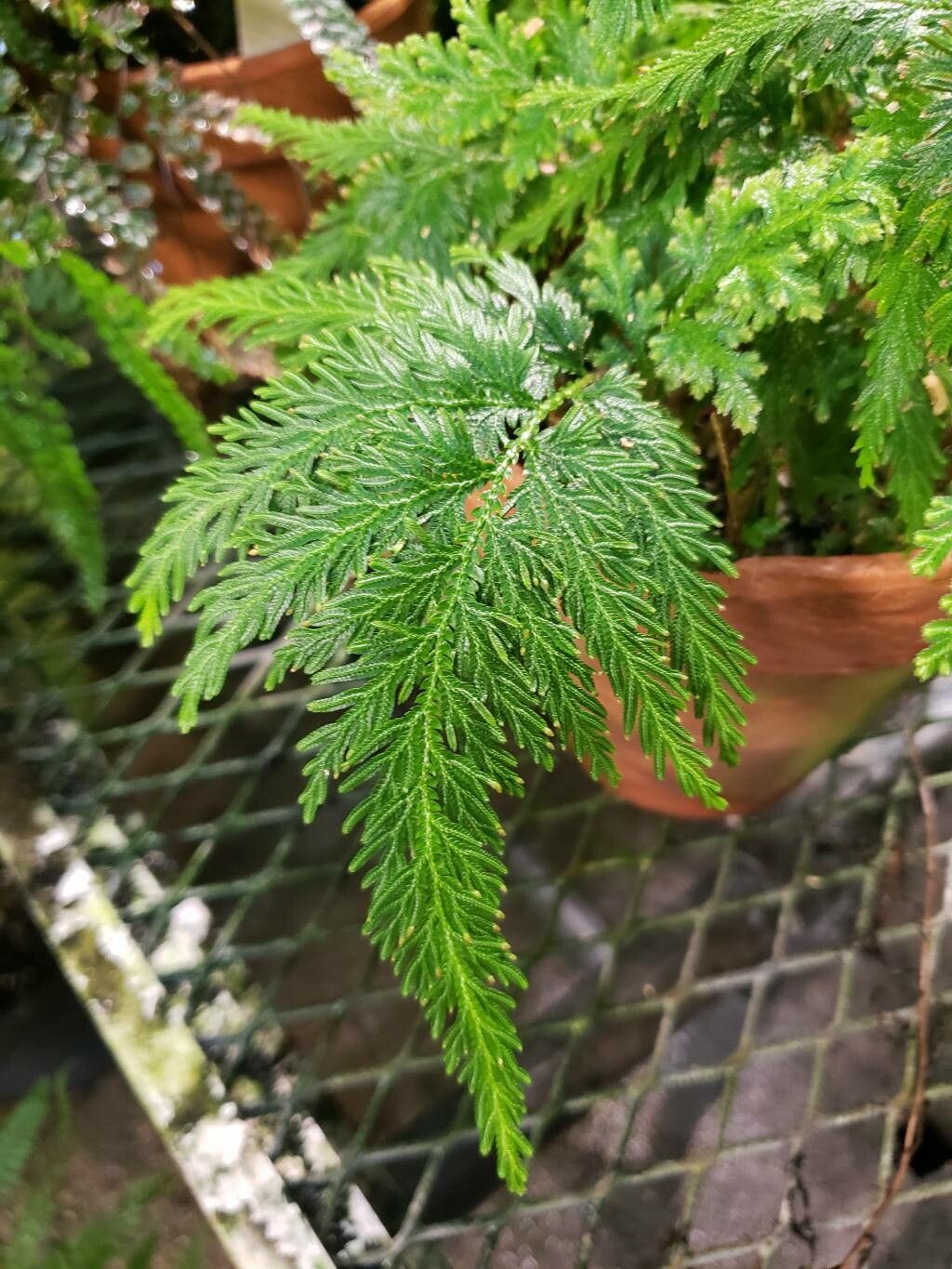
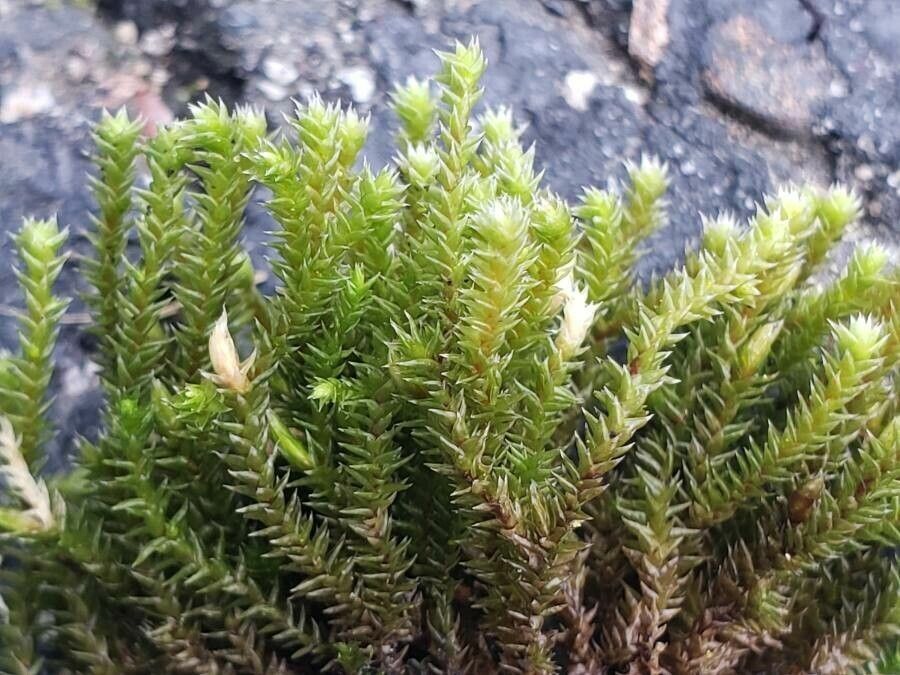
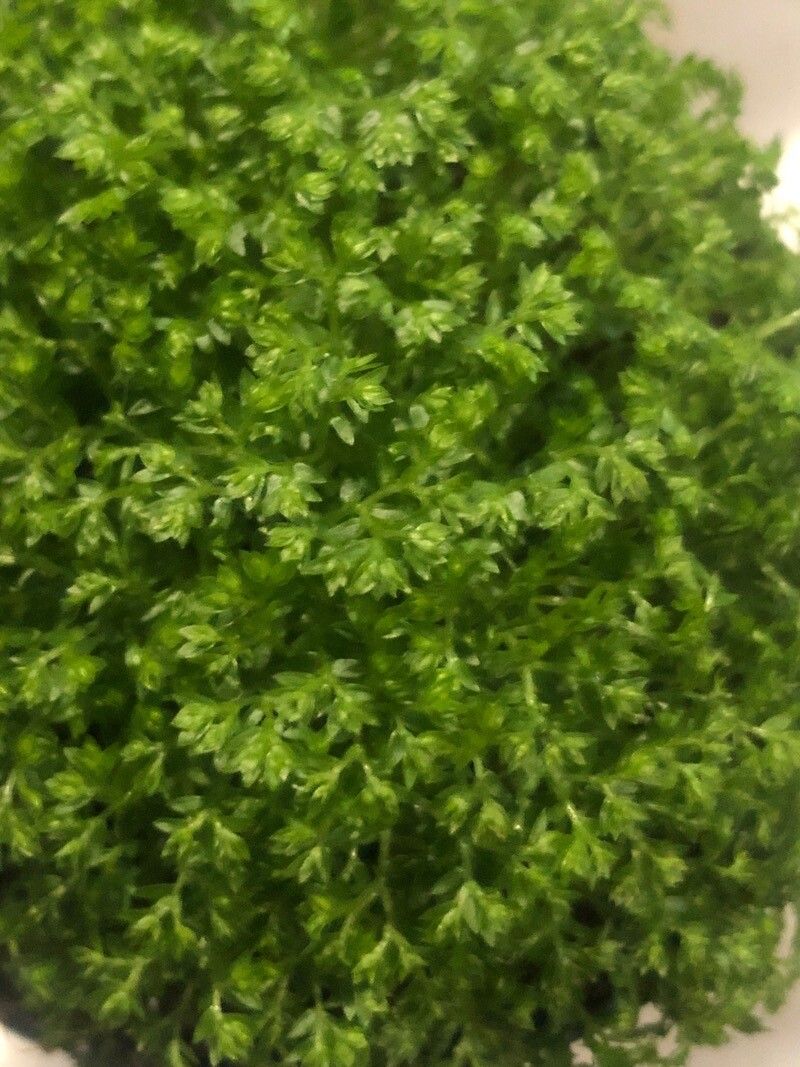
Selaginella delicatula is a species of spikemoss that is native to the wet tropical and subtropical regions of Asia. It was first described in 1932 by Alston. As an epiphyte, it grows on other plants and thrives in a diverse range of countries including India, China, and Vietnam. The species is widely accepted and found throughout its native range.
Beautiful leaf spikemoss is fairly disease-resistant and typically not prone to illnesses. Still, it can be affected by pests and diseases present in its environment. Such infections are generally not serious. Regarding care, this plant needs a moderate level of maintenance. It should be pruned regularly to keep a neat appearance and support healthy growth. Fertilizing can also encourage flowering. Beautiful leaf spikemoss is well suited to anyone with an outdoor area, like a garden or patio, and does not require extensive plant-care experience. It may need more attention if grown indoors.
How to keep Selaginella Delicatula.
Light
Beautiful leaf spikemoss is native to habitats such as forest understories or rocky sites that offer natural shade. It prefers Full Shade but can tolerate Partial Sun.
Water
The beautiful leaf spikemoss originates from humid forests and thrives in consistently moist soil, requiring weekly watering. It prefers high humidity but can tolerate moderate drought. As an evergreen plant, it retains its lush foliage year-round, which means it needs stable moisture and humidity, especially when grown indoors.
Temperature
Beautiful leaf spikemoss comes from tropical areas, where the climate is generally warm and humid. Therefore it is adapted to high temperatures and moisture. It dislikes sudden temperature shifts and prefers a stable thermal environment, so avoiding temperature fluctuations indoors is important. It typically cannot tolerate cold and needs higher temperatures to grow. If the surrounding temperature falls too low, the plant may stop growing or even die.
Fertilizer
Beautiful leaf spikemoss needs the most fertilizer during its active growth phase, which takes place mainly in spring, summer, and early fall. Fertilization supplies essential nutrients the soil may lack, promoting healthy root and stem development and producing the attractive foliage that is a key feature of this plant.
Pruning
The beautiful leaf spikemoss is known for its delicate foliage and benefits from light pruning to maintain its shape and health. It's best to prune in early to late spring, focusing on removing dead fronds and thinning out dense areas to improve airflow. Regular pruning not only keeps the plant looking its best but also helps prevent disease. Be sure to use clean, sharp tools for optimal results.
Botanical profile.
- Plant Type
- Herb
- Life Cycle
- Perennial
- Genus
- Selaginella
- Family
- Selaginellaceae
- Hardiness Zone
- 10-12
- Mature Height
- 34 cm to 49 cm
- Mature Spread
- 20 cm to 40 cm
- Leaf Color
- Forest Green, Dark Green
- Leaf Type
- Evergreen
- Planting Time
- Spring, Summer, Autumn
- Native Area
- India, Malaysia, Indonesia, Cambodia, Vietnam, Myanmar, Philippines, Bhutan, Bangladesh, Laos, Thailand, China
Reader questions.
What are the sunlight requirements for Beautiful leaf spikemoss?
Beautiful leaf spikemoss thrives under specific sunlight conditions. It prefers full shade, which is defined as receiving less than 3 hours of sunlight a day, but can also tolerate partial sun, meaning it can handle about 3-6 hours of sunlight. It's important to monitor how sunlight moves through your garden to choose the best spots that offer the right balance of light and shade, ensuring the plant's health and happiness.
What are the essential care tips for Beautiful leaf spikemoss?
Beautiful leaf spikemoss originates from environments such as forest understories or rocky areas, which naturally provide shade. While it favors full shade conditions, it can also thrive under partial sun. In cases where natural sunlight is inadequate, especially indoors during winter or in less sunny spaces, artificial lighting becomes crucial. Adequate lighting is essential for optimal growth, with LED lights being a popular choice due to their ability to provide specific wavelengths needed by plants. The intensity and duration of artificial light should mimic natural conditions as closely as possible, with full sun plants requiring 30-50W/sq ft, partial sun plants needing 20-30W/sq ft, and full shade plants requiring 10-20W/sq ft of light.
What symptoms indicate insufficient light for Beautiful leaf spikemoss when grown indoors?
When grown indoors under insufficient light, Beautiful leaf spikemoss may display several symptoms indicating light deficiency. These include smaller new leaves, leggy or sparse growth, faster leaf drop, slower or halted growth, lighter-colored new leaves, chlorosis (where leaves lose their green color and turn yellow), sunscald (damage from intense sunlight), leaf curling, wilting, and leaf scorching. Understanding these symptoms can help in diagnosing and addressing light-related issues early on.
How can I address light deficiency symptoms in Beautiful leaf spikemoss?
To alleviate symptoms of light deficiency in Beautiful leaf spikemoss, consider the following solutions based on whether the plant is grown indoors, outdoors, or in the ground. Indoors, ensure the plant receives ample filtered light, with brief periods of direct morning sunlight when possible, and consider using artificial light if the plant is large or not easily movable. Outdoors, gradually acclimatize your plant to sunnier conditions to prevent sunburn. For ground plants, reduce obstructions such as overhanging branches to allow more sunlight to reach your plants, and consider transplanting smaller plants to sunnier spots during their dormant period for better light exposure and growth.