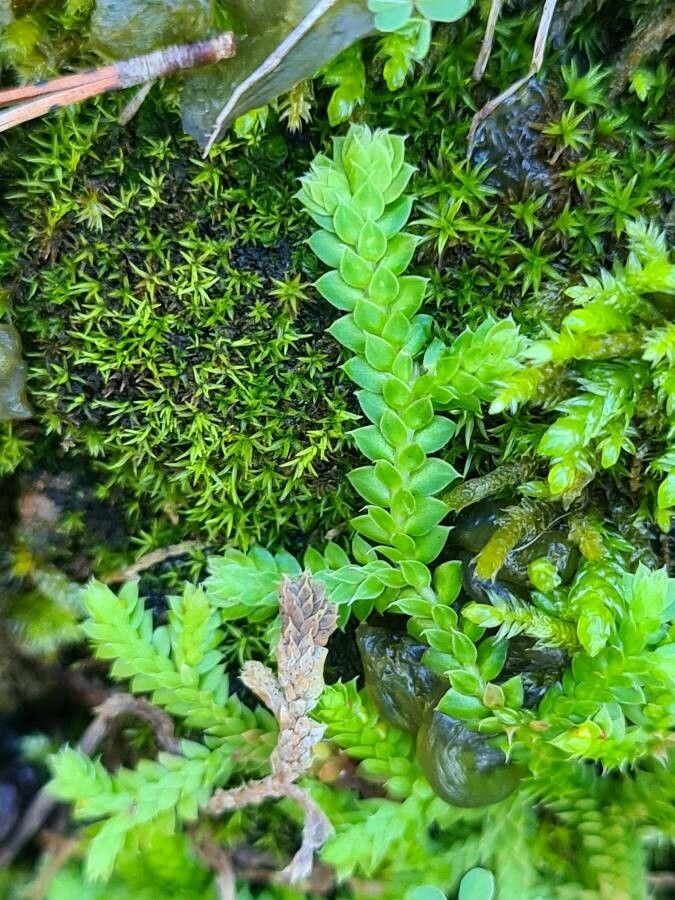
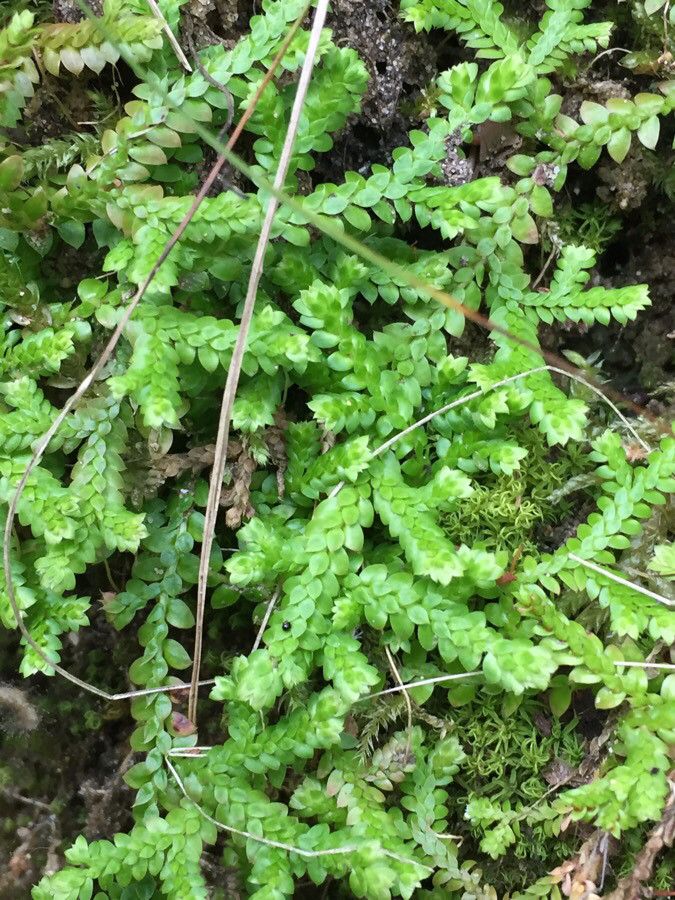
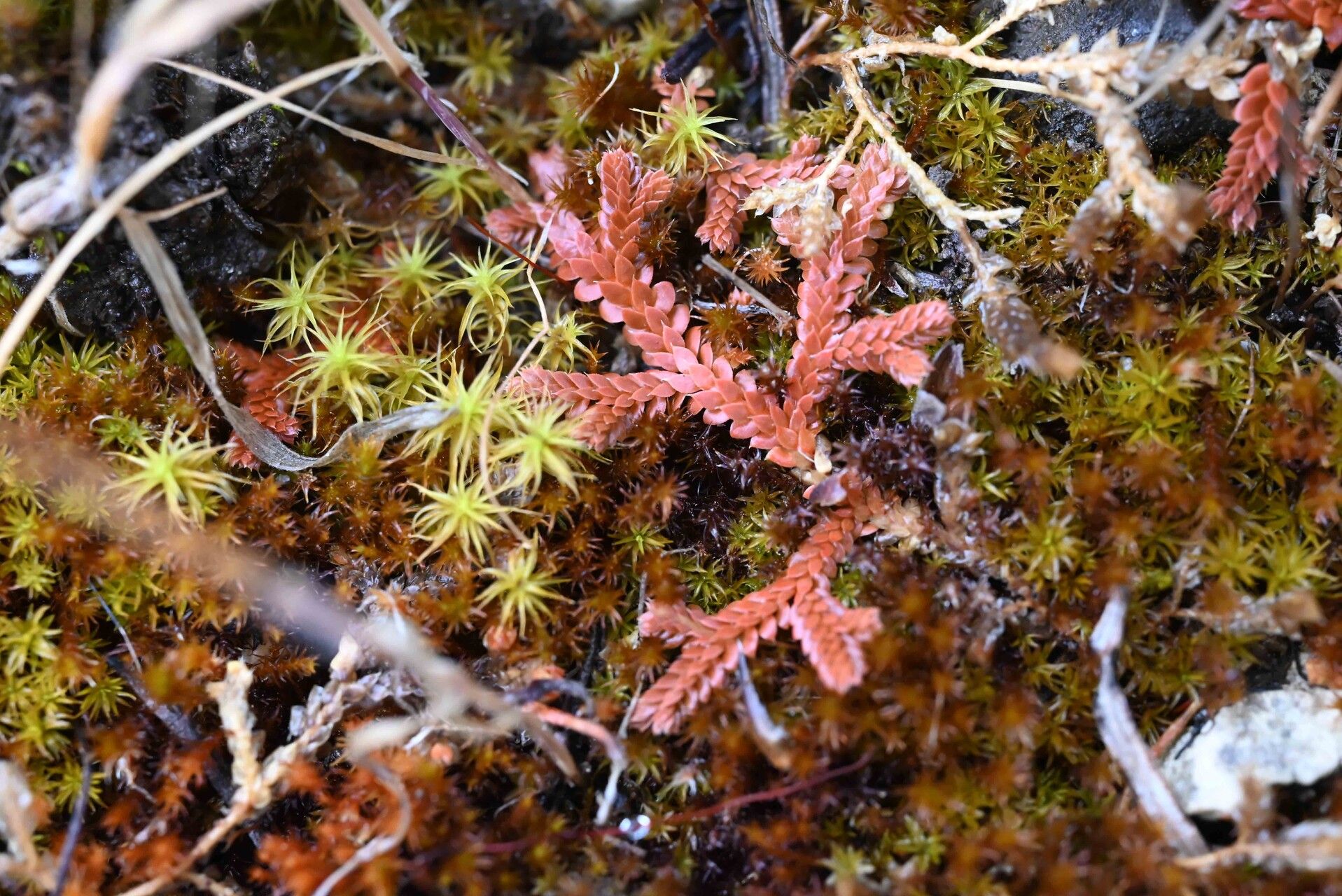
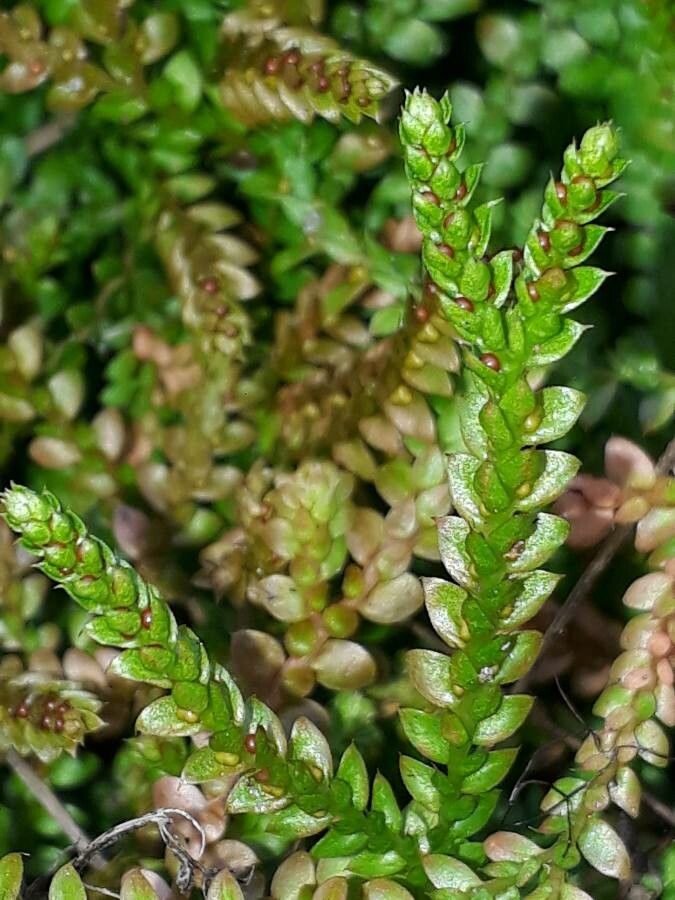
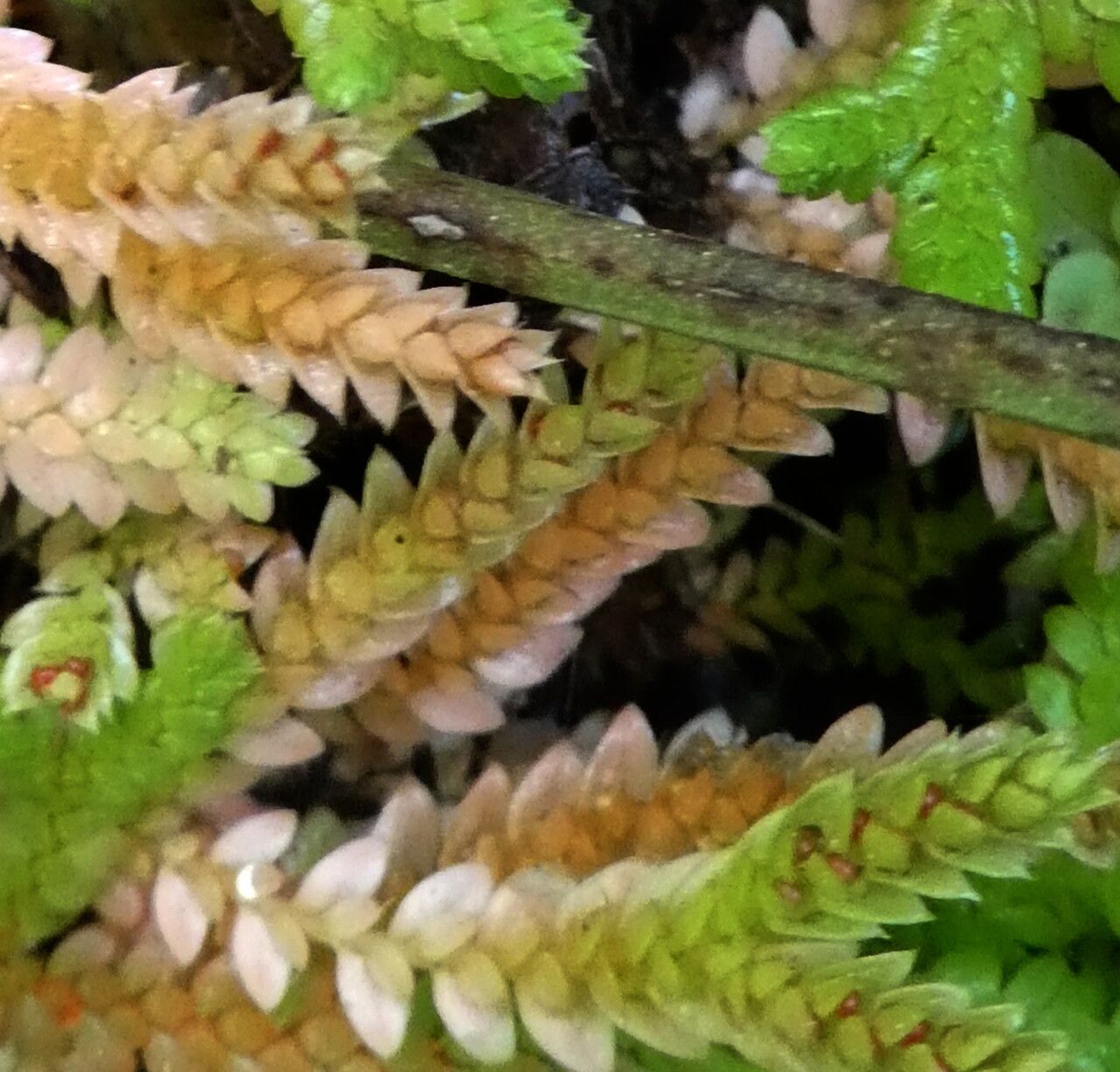
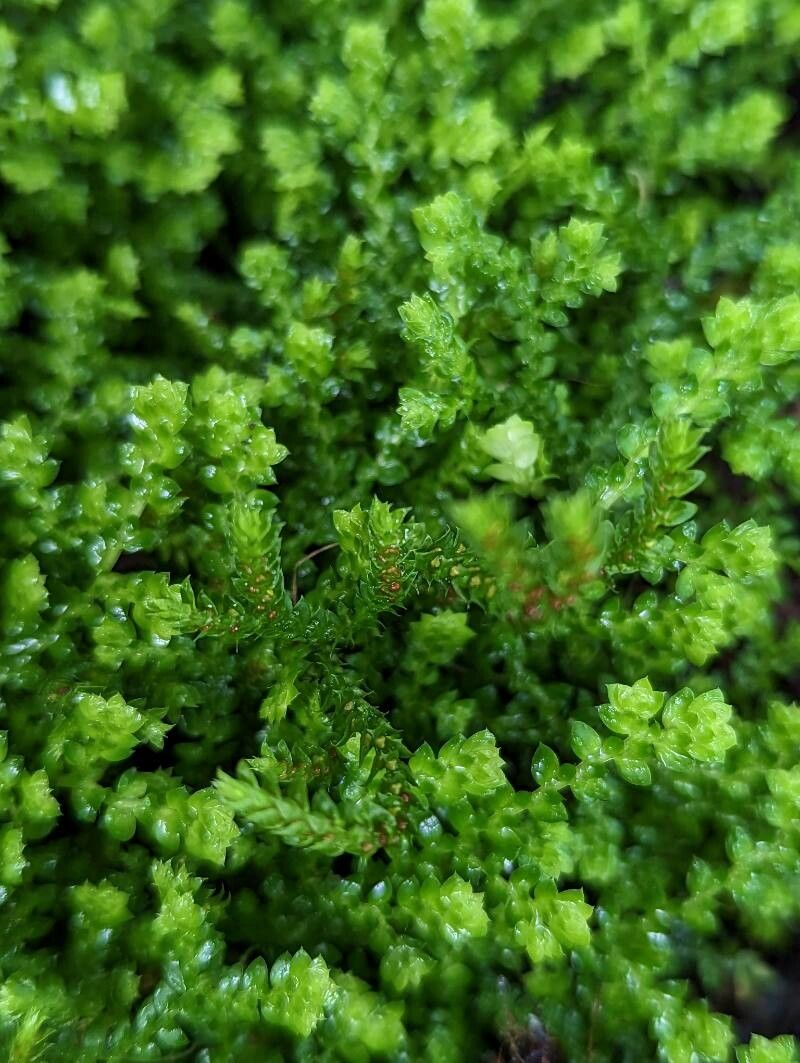
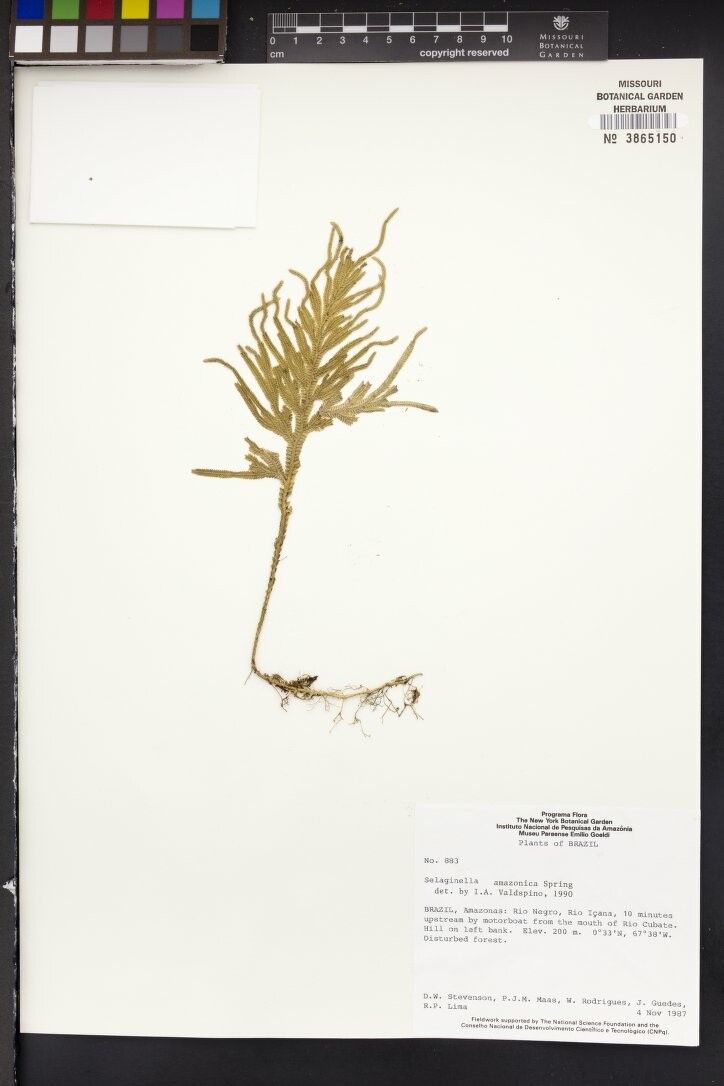
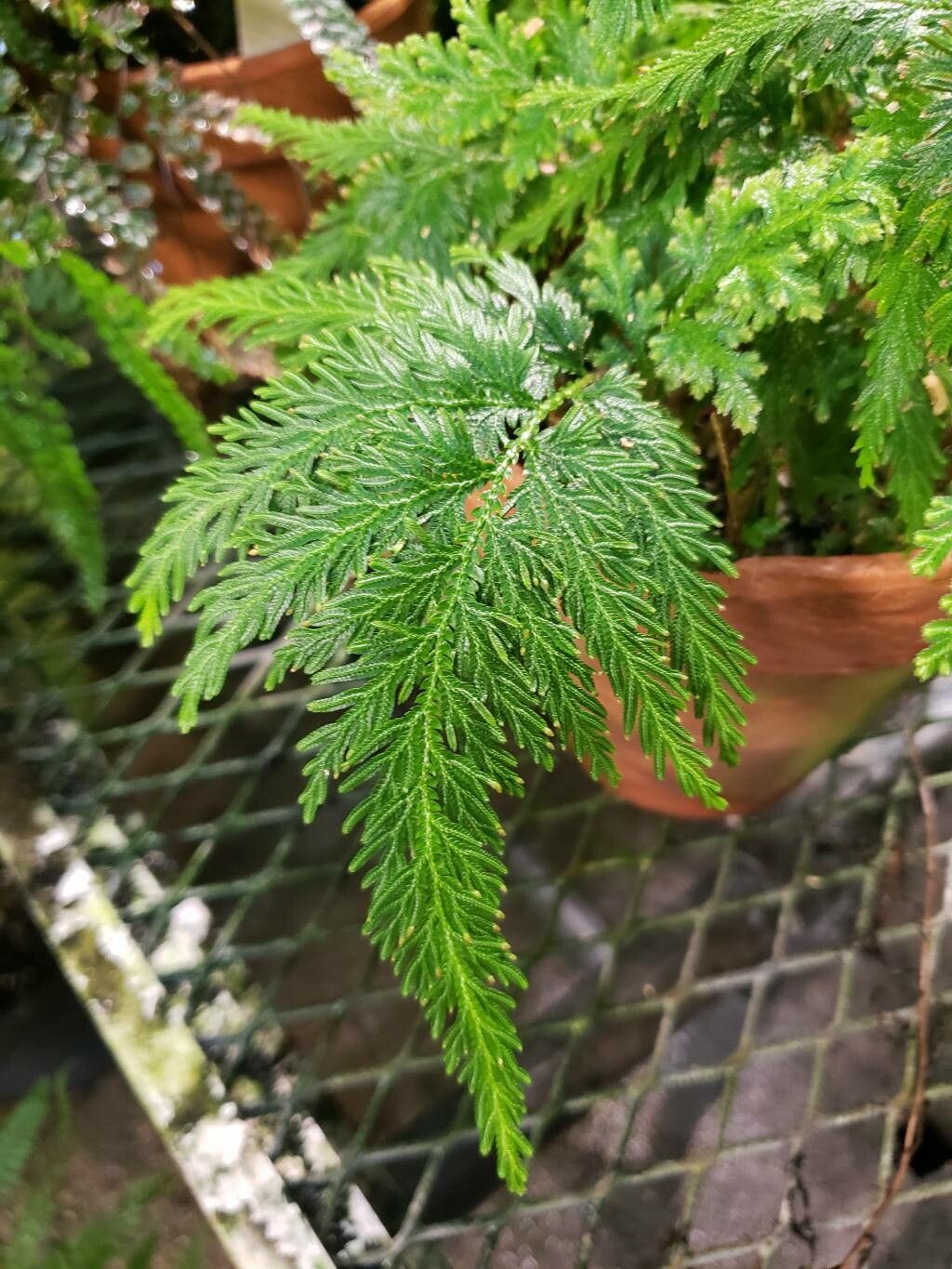
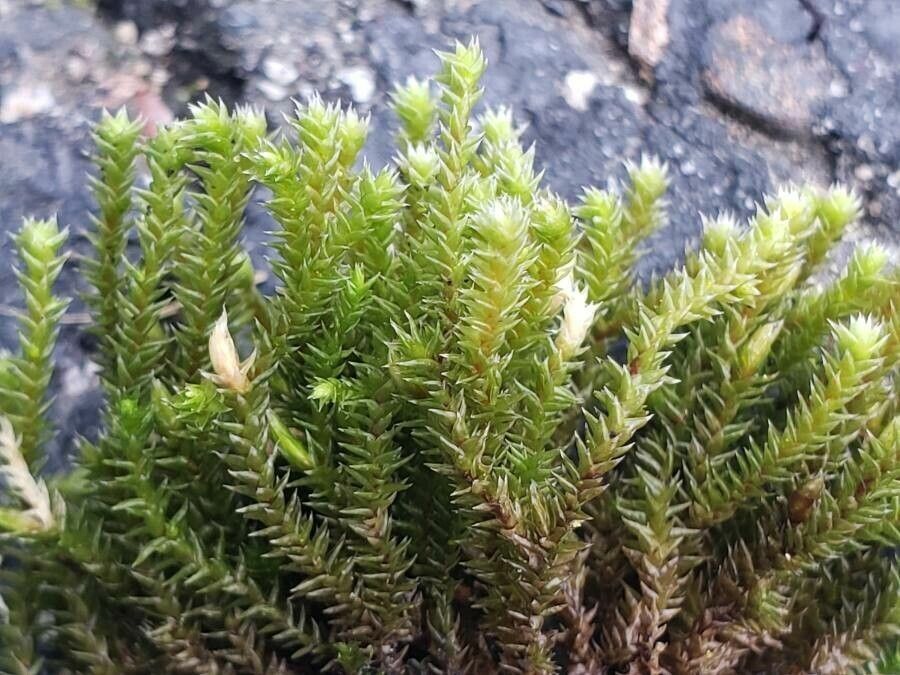
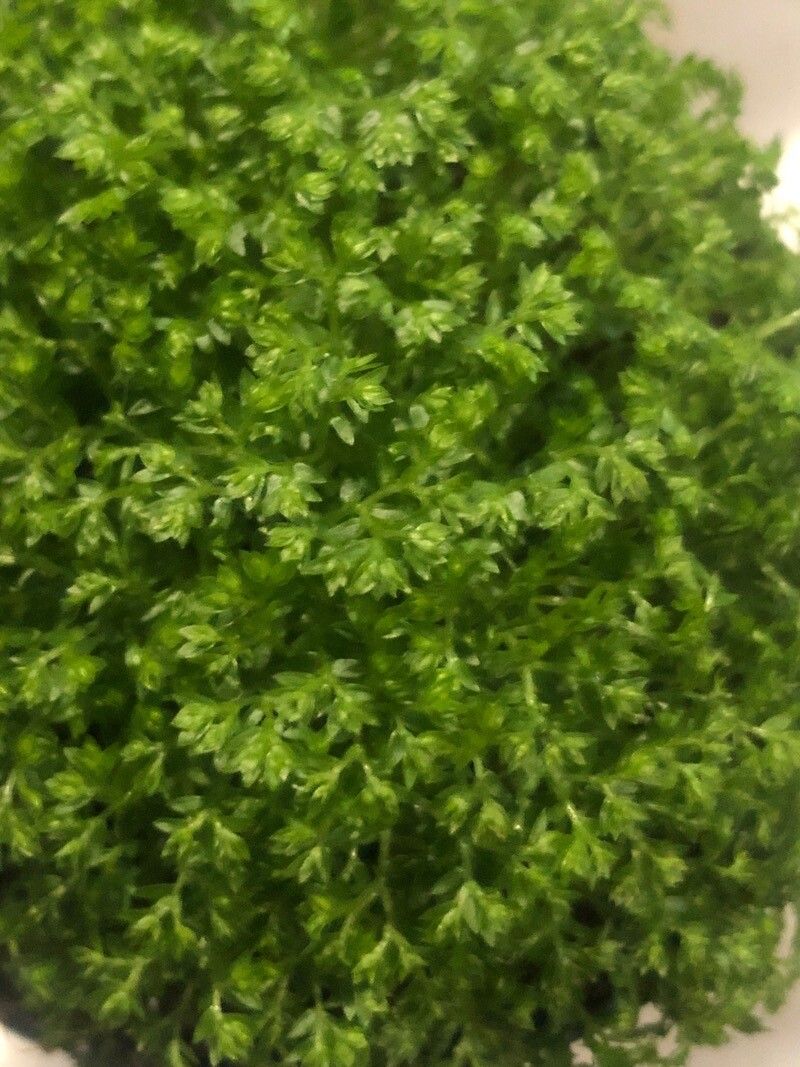
Selaginella denticulata, or Mediterranean clubmoss, is a non-flowering plant of the spikemoss genus Selaginella with a wide distribution around the Northern Hemisphere. Selaginella denticulata (L.) Spring., Formerly known as Lycopodium denticulatum L. and treintanudos is the common name in the Canaries.
Mediterranean clubmoss has good resistance to disease and is generally not prone to ailments. However, it can be vulnerable to pests and diseases present in its surroundings. These infections are usually not severe. Regarding care, this plant requires moderate maintenance. It needs regular pruning to maintain an attractive appearance and healthy growth. Fertilization can also help encourage flowering. Mediterranean clubmoss is suitable for anyone with an outdoor area, such as a garden or patio, and does not demand a lot of care experience. It may need more attention when grown indoors.
How to keep Selaginella Denticulata.
Light
Unlike many other plants, Mediterranean clubmoss prospers in areas with less sunlight, although it can tolerate a touch of gentle, dappled light. Native to environments that typically receive limited sun, Mediterranean clubmoss fares best where sunlight is softly filtered or partly blocked. Excessive or insufficient sunlight can hinder its healthy growth and vibrancy.
Water
The Mediterranean clubmoss flourishes in moist environments with steady humidity, needing weekly watering to maintain its lush appearance. As an evergreen plant, it keeps its foliage all year round, making it perfect for indoor cultivation where moisture levels can be easily controlled.
Temperature
Mediterranean clubmoss comes from tropical areas where the climate is generally warm and humid. Consequently, it is well adapted to high temperatures and humidity. It dislikes sudden temperature shifts and prefers a stable thermal environment, so avoiding indoor temperature fluctuations is important. It typically does not tolerate cold and needs higher temperatures to grow. If the surrounding temperature drops too low, the plant may stop growing or even die.
Fertilizer
Mediterranean clubmoss needs the most fertilizer during its active growth period, which takes place mainly in spring, summer, and early fall. Fertilization is required to supply essential nutrients the soil may be missing, encouraging healthy root and stem growth and supporting the attractive foliage that is a notable trait of this plant.
Pruning
Prune Mediterranean clubmoss from early to late spring to encourage healthier growth. Focus on removing dead or damaged stems to promote a bushier appearance, control the plant's size, improve air circulation, and prevent disease. Be careful to avoid heavy pruning, as this can stress the plant.
Botanical profile.
- Plant Type
- Herb
- Life Cycle
- Perennial
- Genus
- Selaginella
- Family
- Selaginellaceae
- Hardiness Zone
- 7-10
- Mature Height
- 3 cm to 10 cm
- Mature Spread
- 15 cm to 30 cm
- Leaf Color
- Light Green, Dark Green
- Leaf Type
- Evergreen
- Bloom Time
- Spring, Summer
- Planting Time
- Spring, Summer, Autumn
- Native Area
- Libya, Tunisia, Turkey, Montenegro, Cyprus, Greece, Croatia, Morocco, Lebanon, Syria, Portugal, Italy, Spain, Albania, Algeria, France
Other names.
Reader questions.
How should I water my Mediterranean clubmoss?
To properly water the Mediterranean clubmoss, it is recommended to use filtered water that is at room temperature. Tap water may contain harmful particles, hence filtered water is preferred. The plant prefers warm water because it originates from a warm environment and cold water may shock it. It is also important to avoid overhead watering to prevent foliage problems. Instead, slowly apply the filtered, room temperature water to the soil until it is completely soaked. This helps to moisten the roots and aids in their spread and nutrient absorption in the soil.
What are the sunlight requirements for Mediterranean clubmoss?
Mediterranean clubmoss thrives in less sunlit environments, ideally in full shade for less than 3 hours of sunlight or in areas receiving indirect sunlight all day. This plant copes best when the sunlight is gently filtered or obscured, due to its origins in habitats that traditionally see less sunlight. Excessive direct sunlight or completely shadowed areas can impact the plant's growth and vibrance negatively. It's beneficial to observe the movement of sunlight through your garden to choose spots that provide a perfect balance of light and shade, ensuring the Mediterranean clubmoss's happiness.
What is the name of the plant mentioned?
The plant mentioned is known as the Mediterranean clubmoss.
What should I do if I give my Mediterranean clubmoss too much or too little water?
Both overwatering and underwatering can harm your Mediterranean clubmoss, but overwatering is more common and can cause wilting, yellowing, and diseases like root rot, mold, and mildew. Underwatering is less likely but can result in brittle, brown leaves. It's important to notice signs of overwatering early as some diseases may be irreversible if not addressed promptly. To prevent overwatering, reduce watering and ensure the soil drains well. For underwatering, increase watering until signs improve.
How does artificial lighting support Mediterranean clubmoss growth indoors?
When natural sunlight is insufficient, especially in winter or less sunny spaces, artificial lighting can be a vital solution for the growth of Mediterranean clubmoss indoors. Adequate lighting is crucial for optimal growth. LED lights are recommended for indoor plant lighting because they can provide specific wavelengths needed by the plants. Full sun plants typically require 30-50W/sq ft of artificial light, partial sun plants 20-30W/sq ft, and full shade plants 10-20W/sq ft. The artificial light source should be placed 12-36 inches above the plant to mimic natural sunlight, and most plants need 8-12 hours of light per day to thrive.
What is the botanical name of the Mediterranean clubmoss?
The botanical name of the Mediterranean clubmoss is Selaginella denticulata.
How often do I need to water my Mediterranean clubmoss?
If your Mediterranean clubmoss is in a pot, the easiest way to check if it needs water is to stick your finger into the soil. If the top two to three inches of soil are dry, then it's time to water it. If you have planted your Mediterranean clubmoss outside in the ground, you can use the same method to test the soil. Once again, if the top few inches of soil have dried out, it's time to water it. Usually, during spring and early fall, you will need to water this plant about once a week using this method. However, when it gets really hot, you may need to water it twice a week or even more frequently. It's worth noting that mature, well-established Mediterranean clubmoss plants can tolerate drought well.
What are the symptoms of insufficient or excessive light in Mediterranean clubmoss?
Mediterranean clubmoss can exhibit several symptoms when the light conditions are not optimal. Insufficient light may lead to smaller new leaves, leggy or sparse growth, faster leaf drop, slower or no new growth, lighter-colored new leaves, and symptoms of chlorosis, where leaves lose their green color. Excessive light exposure can cause sunscald, leaf curling as a defense mechanism, wilting due to increased water loss, and leaf scorching, characterized by brown, dry, and crispy edges on leaves. These symptoms indicate that the plant's environment needs to be adjusted to provide the ideal light conditions for healthy growth.
How much water does my Mediterranean clubmoss require?
When watering your Mediterranean clubmoss, don't be afraid to give it a generous amount of water. Make sure the top two to three inches of soil are dry before watering, and then give the plant a thorough watering so that the entire soil is soaked. It is important to add enough water so that excess water drains out through the pot's drainage holes. If you don't see any excess water draining, it means you haven't watered enough. However, be careful not to let water accumulate inside the soil, as this can harm the plant. On the other hand, if water doesn't drain through the pot, it could indicate that the soil doesn't drain well, which is harmful to the plant's health. If the plant is outside, it should receive about 1 inch of rain per week, which is sufficient.
How can you manage light conditions for Mediterranean clubmoss?
Managing light conditions for Mediterranean clubmoss involves several strategies. Indoors, it's crucial to find the best spot for sunlight where the plant can receive ample filtered light, including brief periods of direct morning sunlight, ideally placing them 1-2 meters away from a window. If the plant is large or not easily movable, consider using artificial light, keeping a lamp on for at least 8 hours daily or investing in professional plant grow lights. Outdoors, gradually introduce the plant to sunlight by moving it to sunnier locations each week to avoid sunburn, and for ground-planted specimens, reduce obstructions such as tree branches to allow sunlight to filter through or transplant to a better-lit location during the plant's dormant period. It's critical to acknowledge that parts of the plant affected by insufficient sunlight may not recover, but new growth after adjusting light exposure will be healthy.
How do I water my Mediterranean clubmoss when it's growing at different stages?
The water needs of the Mediterranean clubmoss can vary depending on its growth stages. In the first few years or after transplanting to a new location, it requires more water. During these stages, the plant focuses on growing new roots that will support its future growth, so they need more moisture. As the Mediterranean clubmoss matures, it will require less water. Another time when additional water may be needed is during the bloom period, as the development of flowers requires more moisture.
How do I water my Mediterranean clubmoss in different seasons?
The water needs of the Mediterranean clubmoss vary throughout the year. In the hottest months, it requires more water and may need to be watered more than once per week, depending on how quickly the soil dries. During winter, however, the plant goes into a dormant phase and requires less water. In fact, it may not need any water at all during this time. If you do choose to water it in winter, you should only do so about once per month to avoid the risk of disease.