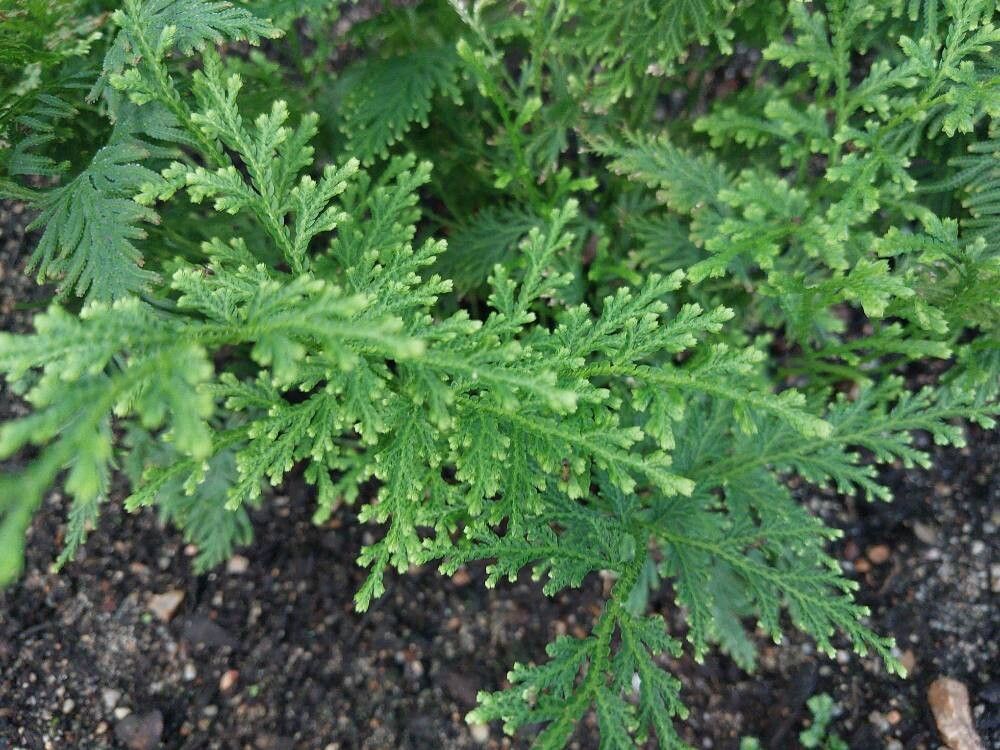
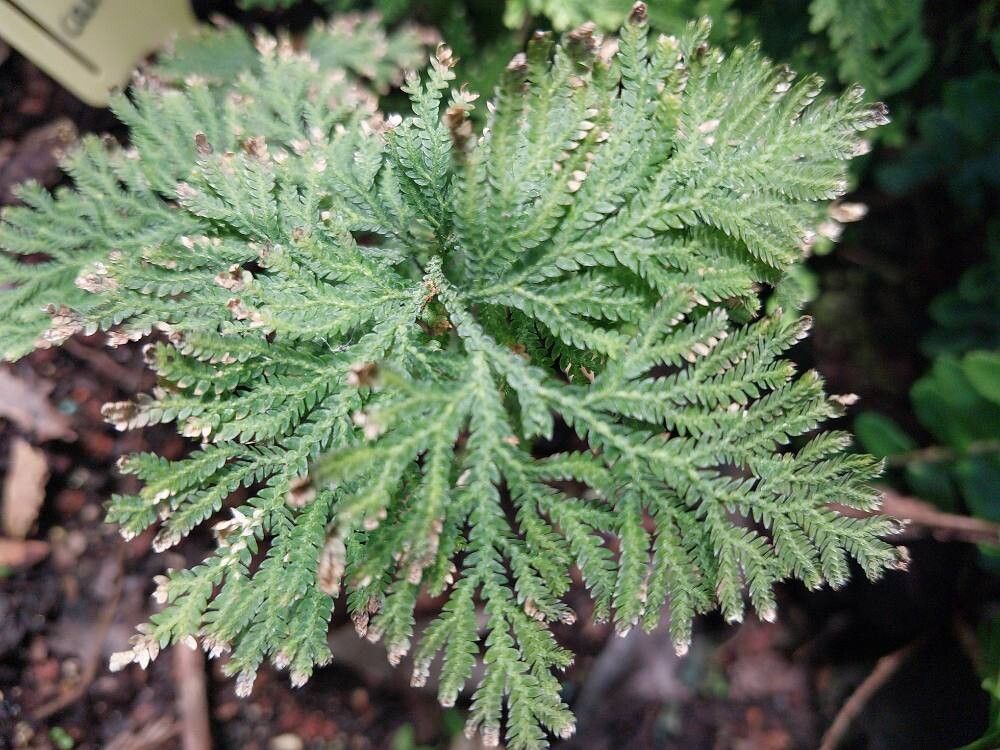
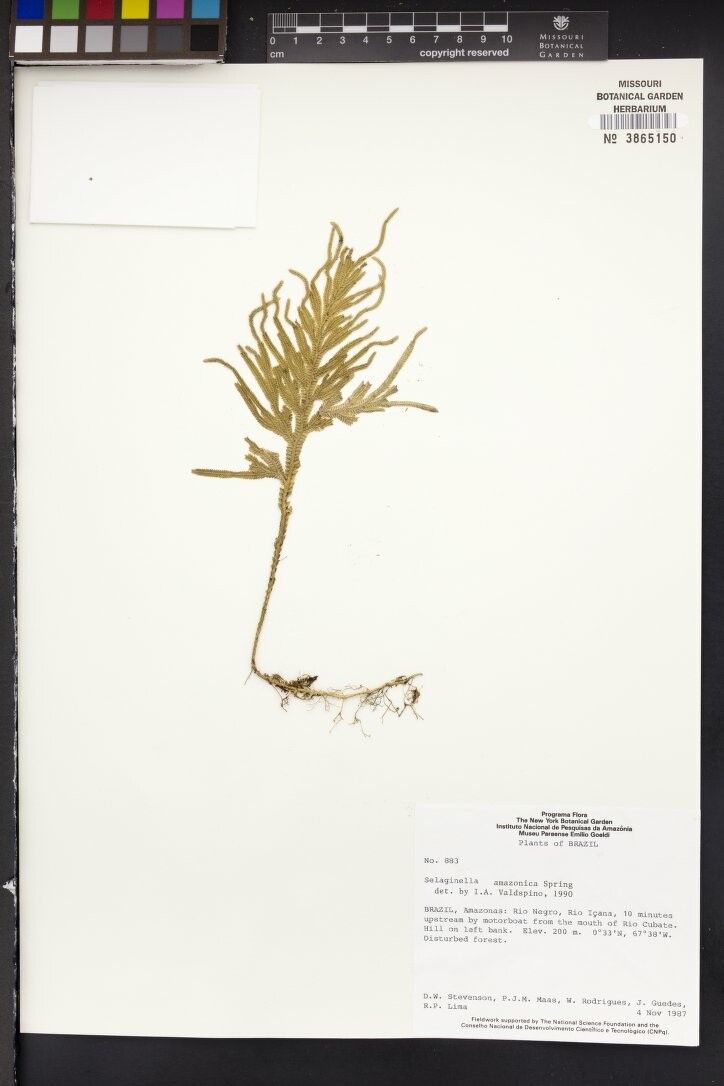
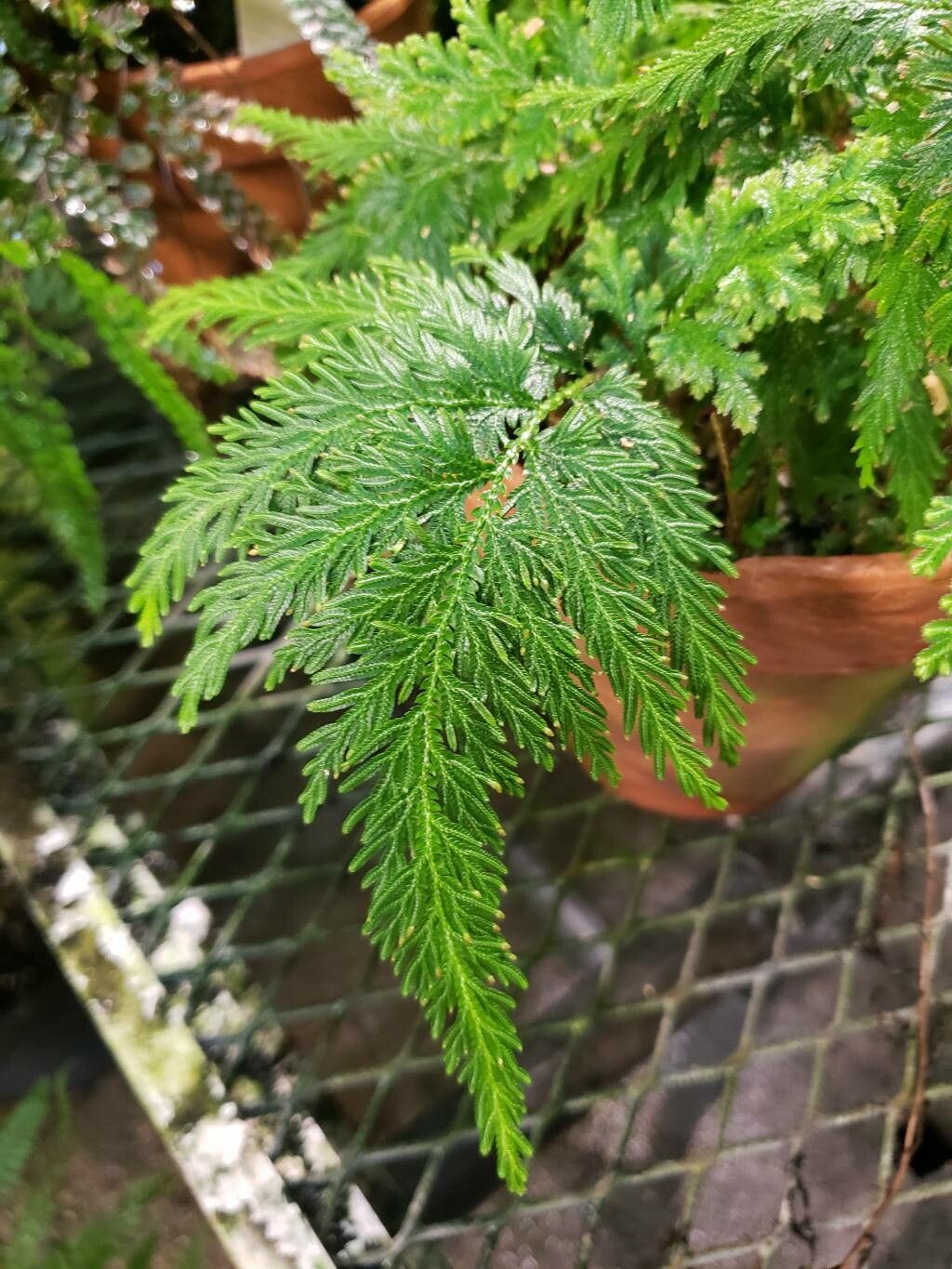
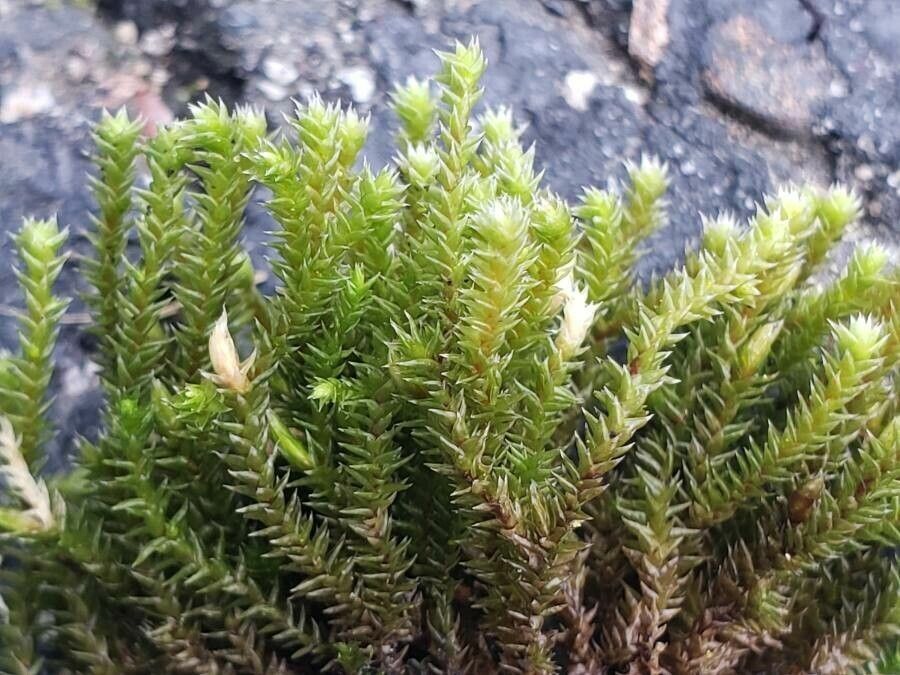
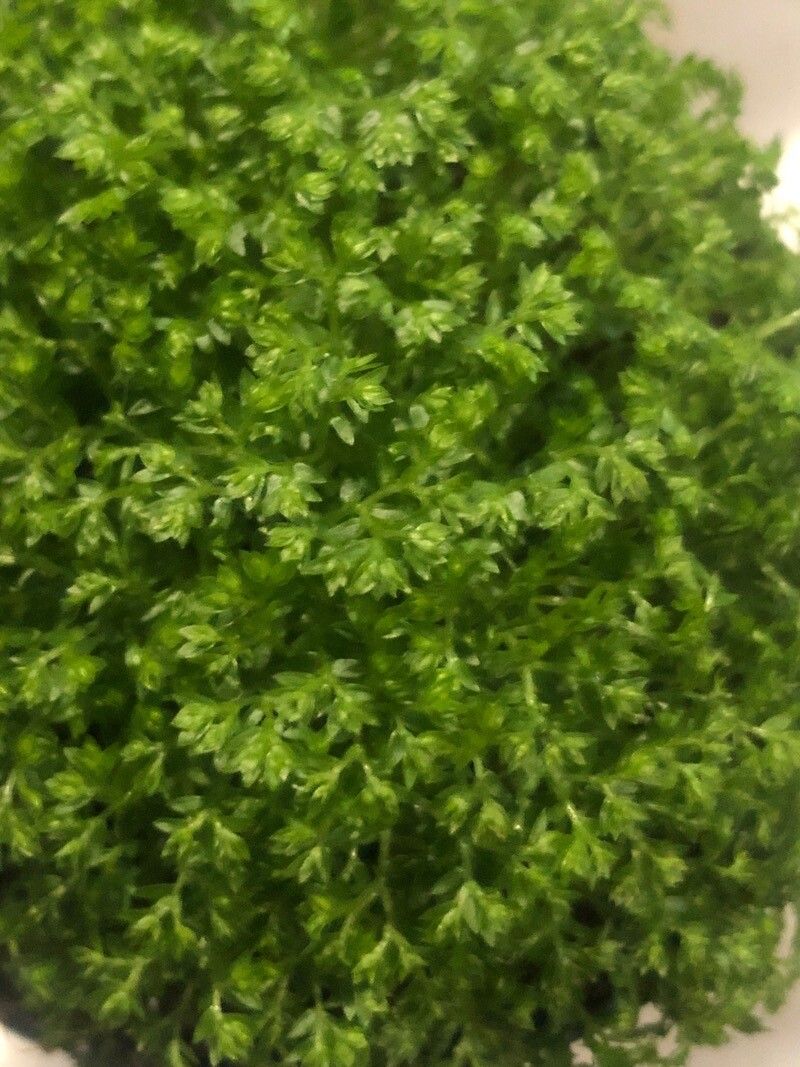
Selaginella tamariscina is a species of plant in the Selaginellaceae family, endemic to China, India, Japan, Korea, Philippines, Russia (Siberia), Taiwan, and northern Thailand. It was first described in 1804 by Palisot de Beauvois as Stachygynandrum tamariscinum It was transferred to the genus, Selaginella, in 1843 by Antoine Frédéric Spring.
Arborvitae fern has strong resistance to disease and is generally not susceptible to illnesses. Still, it can be affected by pests and diseases present in its environment. Such infections are generally mild. Regarding care, this plant needs moderate upkeep. It should be trimmed regularly to preserve its appearance and support healthy growth. Applying fertilizer can also encourage flowering. Arborvitae fern is well suited for anyone with an outdoor area, like a garden or patio, and does not demand extensive care experience. It may need more attention if cultivated indoors.
How to keep Selaginella Involvens.
Light
Arborvitae fern grows well in places with a mix of sun and shade, though it can also survive in spots that have very little light. Its native habitat offered similar conditions, which explains this adaptability. Too much sunlight can be harmful, while light levels below what's ideal can restrict its vigorous growth.
Temperature
The arborvitae fern is native to temperate regions and prefers temperatures of 59 to 89.6 °F (15 to 32 ℃). In colder months, move it or change its placement to keep it within that preferred temperature range.
Fertilizer
A single application of fertilizer in spring is usually enough for an Arborvitae fern, although additional feedings can maximize growth. Feed once every month to a month and a half. Fertilization improves the leaves’ appearance and function, encouraging consistent color and a healthy texture, and it also stimulates root development and nutrient uptake for long-term plant health.
Botanical profile.
- Plant Type
- Herb
- Life Cycle
- Perennial
- Hardiness Zone
- 7-8
- Mature Height
- 30 cm
- Mature Spread
- 30 cm
- Leaf Color
- Green
- Leaf Type
- Evergreen, Deciduous
- Planting Time
- Spring, Summer
- Native Area
- Nepal, Sri Lanka, India, Malaysia, Indonesia, Cambodia, Vietnam, Myanmar, Japan, Philippines, Bhutan, Laos, South Korea, Thailand, China
Other names.