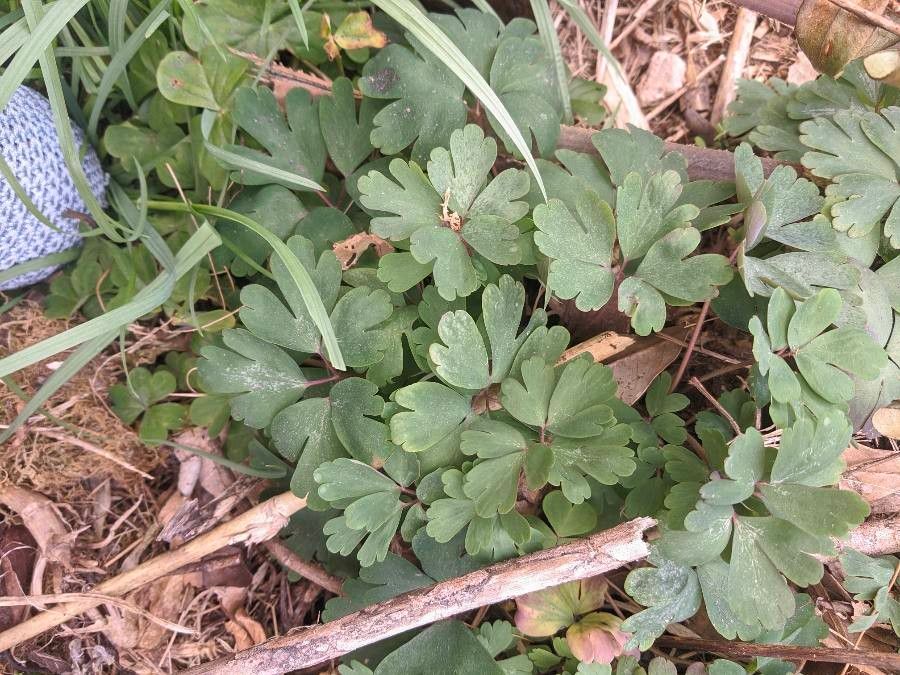
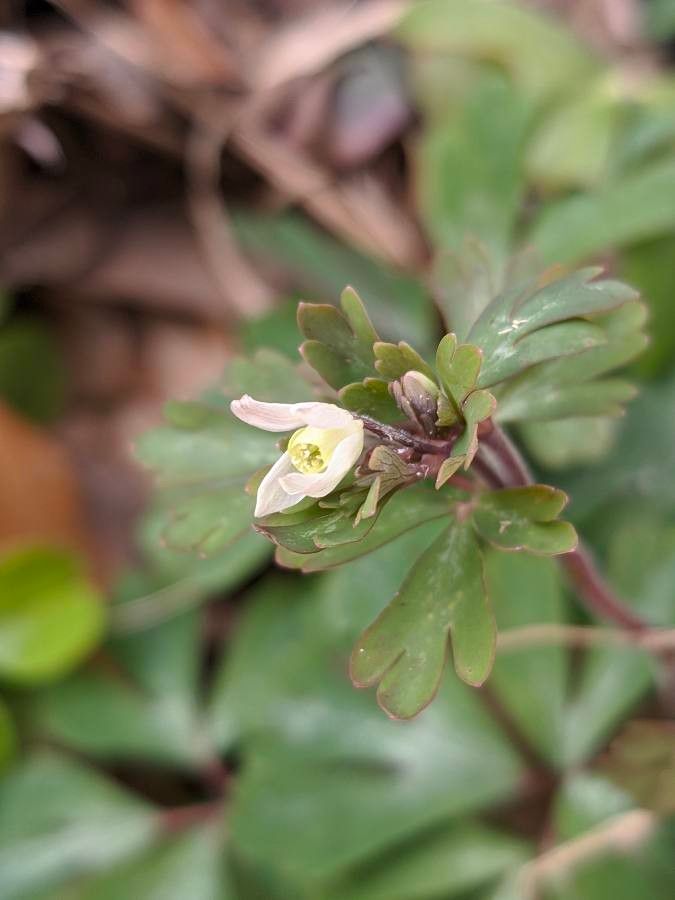
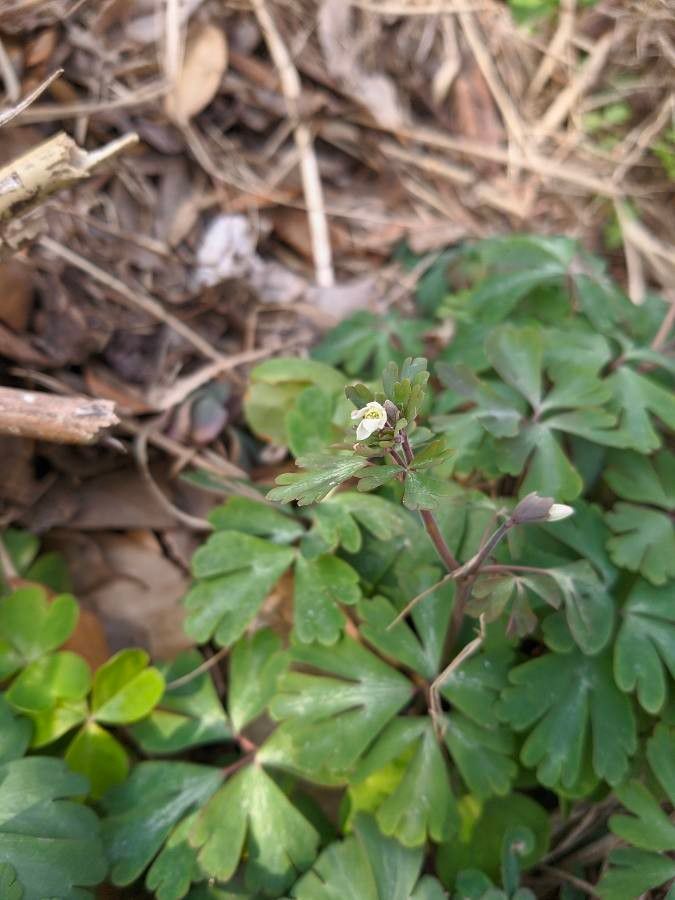
Semiaquilegia adoxoides is a species of perennial flowering plant in the family Ranunculaceae. The species is native to Japan, Korea, and China, Now often considered the sole member of the genus Semiaquilegia, it bears similarities to members of the genus Aquilegia. S. adoxoides is native to China, Korea, and Japan and has an introduced population on Taiwan.
Spurless columbine is fairly disease-resistant and generally not prone to illness. Still, it can be affected by pests and diseases present in its environment. These problems are typically mild. As for care, the plant needs moderate maintenance. It should be pruned regularly to maintain a neat appearance and healthy growth. Fertilizing can also encourage flowering. Spurless columbine is well suited to anyone with outdoor space, such as a garden or patio, and does not require extensive experience in plant care. It may need more attention when grown indoors.
How to keep Semiaquilegia Adoxoides.
Light
Spurless columbine grows best in full sun, though it can tolerate spots with a bit less light. This preference is influenced by its native habitat, which is broadly exposed to sunlight. Too much sun can lead to wilting, while too little light may produce weak growth.
Water
The spurless columbine is native to the moist, shaded areas of East Asia, where it thrives in evenly moist soil. This plant prefers moderate humidity and should be watered weekly. It is well-suited for indoor growth and benefits from being planted in containers with proper drainage. This helps maintain the necessary moisture without causing waterlogging.
Temperature
Spurless columbine is native to temperate regions and grows best in temperatures of 41 to 95 °F (5 to 35 ℃). It may require added heat in winter, while cooler conditions should be maintained in summer for optimal growth.
Fertilizer
Early spring, when the Spurless columbine is coming out of dormancy and starting active growth, is the best time to fertilize it. Fertilizing supplies essential nutrients for healthy development. While Spurless columbine has relatively low fertilizer requirements, applying fertilizer annually can boost its survival and encourage better, longer-lasting blooms.
Pruning
Spurless columbine showcases delicate flowers and lush foliage. To maintain their health and beauty, prune them in early spring. This involves removing dead stems and trimming back faded flowers to encourage longer blooming. Be sure to use sterilized tools to prevent disease. Regular pruning also helps maintain the plant's shape and enhances its visual appeal.
Botanical profile.
- Plant Type
- Herb
- Life Cycle
- Perennial
- Genus
- Semiaquilegia
- Family
- Ranunculaceae
- Hardiness Zone
- 5-9
- Mature Height
- 30 cm
- Mature Spread
- 20 cm
- Leaf Color
- Dark Green, Forest Green
- Leaf Type
- Deciduous
- Flower Color
- White, Pink
- Flower Size
- 0.51 cm to 0.51 cm
- Bloom Time
- Early spring, Mid spring
- Planting Time
- Spring, Summer, Autumn
- Harvest Time
- Late spring, Early summer
- Native Area
- South Korea, China
Other names.
Reader questions.
What are the sunlight requirements for Spurless Columbine?
Spurless Columbine, or Semiaquilegia adoxoides, thrives best under full exposure to the sun, requiring above 6 hours of sunlight daily, although it can endure positions with about 3-6 hours of sunlight (partial sun). Its origin reflects a preference for wide-scale exposure to sunlight. It's important to note that excessive sunlight may cause wilting, while insufficient sunlight can lead to weak growth in the plant.
What are the ideal temperature conditions for Spurless Columbine?
Spurless Columbine, scientifically known as Semiaquilegia adoxoides, thrives in temperate regions with ideal temperature conditions ranging from 41 to 95 °F (5 to 35 °C). To ensure optimal growth, it's important to maintain cooler conditions during summer and provide additional heat in winter if necessary. The plant possesses strong cold resistance, rendering special frost protection measures generally unnecessary. However, in anticipation of winter temperatures dropping below -25°C, it is advisable to protect the plant with soil or straw coverings. Additionally, to prevent drought and water scarcity during winter and early spring, the plant should be watered abundantly before the first freeze in autumn, ensuring the soil remains moist and enters a frozen state.
How can artificial lighting be used for indoor Spurless Columbine plants?
For Spurless Columbine plants indoors, adequate lighting is crucial, especially when natural sunlight is insufficient. Artificial lights offer a solution by promoting healthier, faster growth. Key tips include choosing LED lights to provide specific wavelengths needed by the plants, aiming for 30-50W/sq ft for full sun plants, 20-30W/sq ft for partial sun, and 10-20W/sq ft for full shade plants. The artificial light source should be placed 12-36 inches above the plant to mimic natural sunlight, and the duration should mirror the natural daylight hours typically needed by the plant species, which is usually 8-12 hours of light per day.
How does Spurless Columbine react to low temperatures?
Spurless Columbine is inherently cold-tolerant, performing best when temperatures are maintained above 5°C. During the winter months, it's advisable to keep the plant in temperatures above -20°C. Notably, when temperatures dip below -25°C, the plant might not exhibit visible distress during winter, but there's a possibility of decreased sprouting or a complete absence of sprouting in the following spring. In such cases, it's recommended to remove any parts of the plant that have failed to sprout, as part of the spring care routine.
What are the symptoms of light deficiency in Spurless Columbine?
Symptoms of light deficiency in Spurless Columbine include smaller new leaves compared to older ones, leggy or sparse growth due to longer spaces between leaves or stems, faster leaf drop as a way to conserve resources under low light, slower or halted new growth indicating survival mode, and lighter-colored or pale new leaves signifying a lack of chlorophyll. Chlorosis, sunscald, leaf curling, wilting, and leaf scorching are also symptoms that can arise from inappropriate lighting conditions.
What should be done if Spurless Columbine experiences high temperatures?
In the summer season, it's crucial to keep the Spurless Columbine below 35°C. Exposure to temperatures above 38°C can cause the leaves to lighten in color, become prone to curling, experience sunburn, and in severe cases, lead to the wilting and drying out of the entire plant. To mitigate these risks, affected parts of the plant should be trimmed away. Additionally, the plant should be relocated to a shaded area or protected with a shade cloth to defend against the midday and afternoon sun. Ensuring the soil remains moist through morning and evening watering sessions is also beneficial for the plant's health in high temperatures.
How can light exposure issues be treated for Spurless Columbine plants?
To address light exposure issues for Spurless Columbine plants, gradually acclimate them to receive at least 6 hours of direct sunlight by moving them to sunnier locations each week. Indoor plants can benefit from using artificial light, like desk or ceiling lamps, for at least 8 hours daily, or specialized grow lights for sufficient lighting. Outdoors, it's important to transition plants to sunnier spots gradually to avoid sunburn. Additionally, reducing obstructions like pruning trees can help, and for smaller plants, transplanting during their dormant period to locations with ample sunlight and good drainage is effective. It's important to remember that parts of the plant affected by insufficient sunlight may not recover, but new growth should be healthy with improved light exposure.