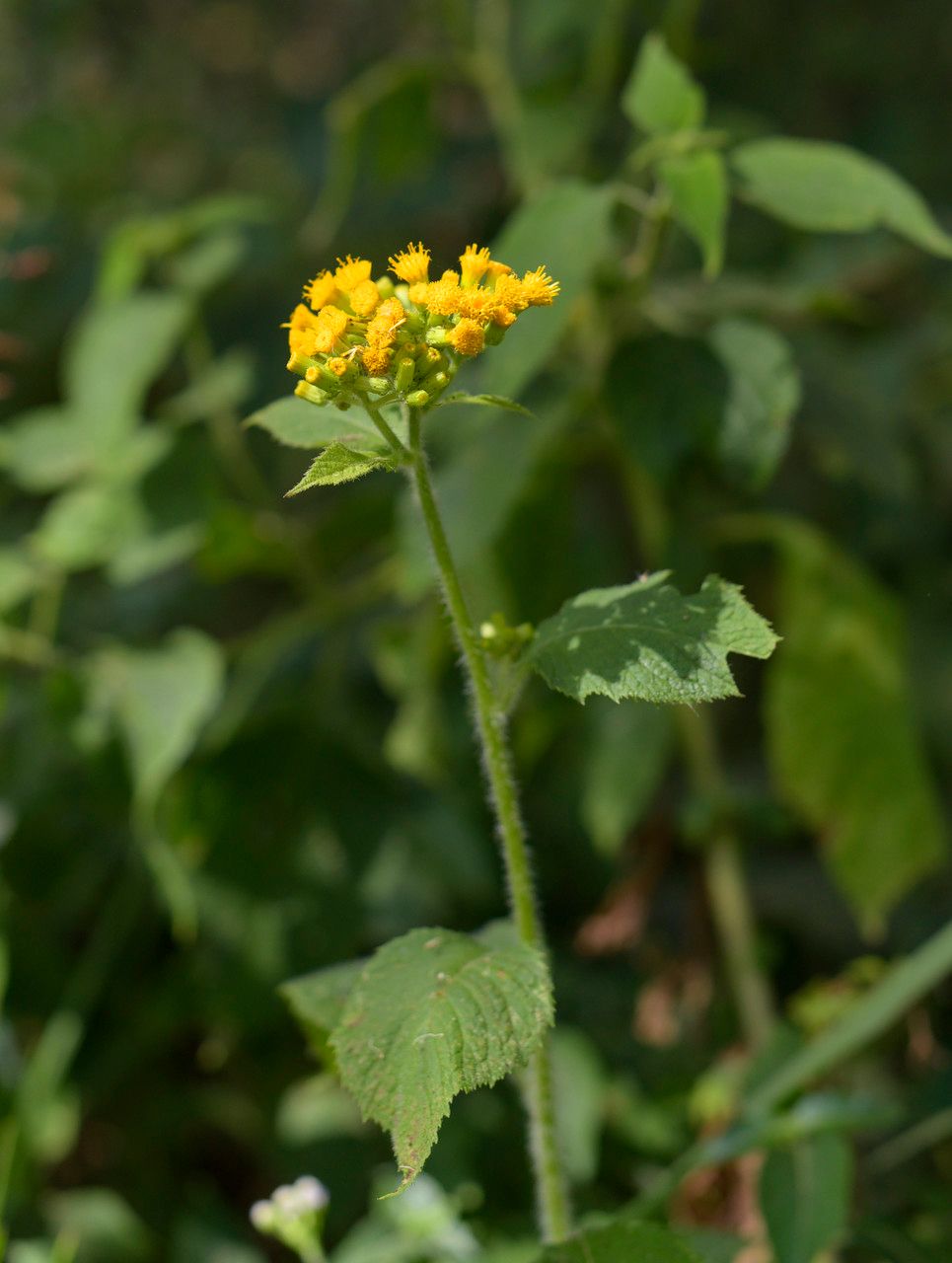
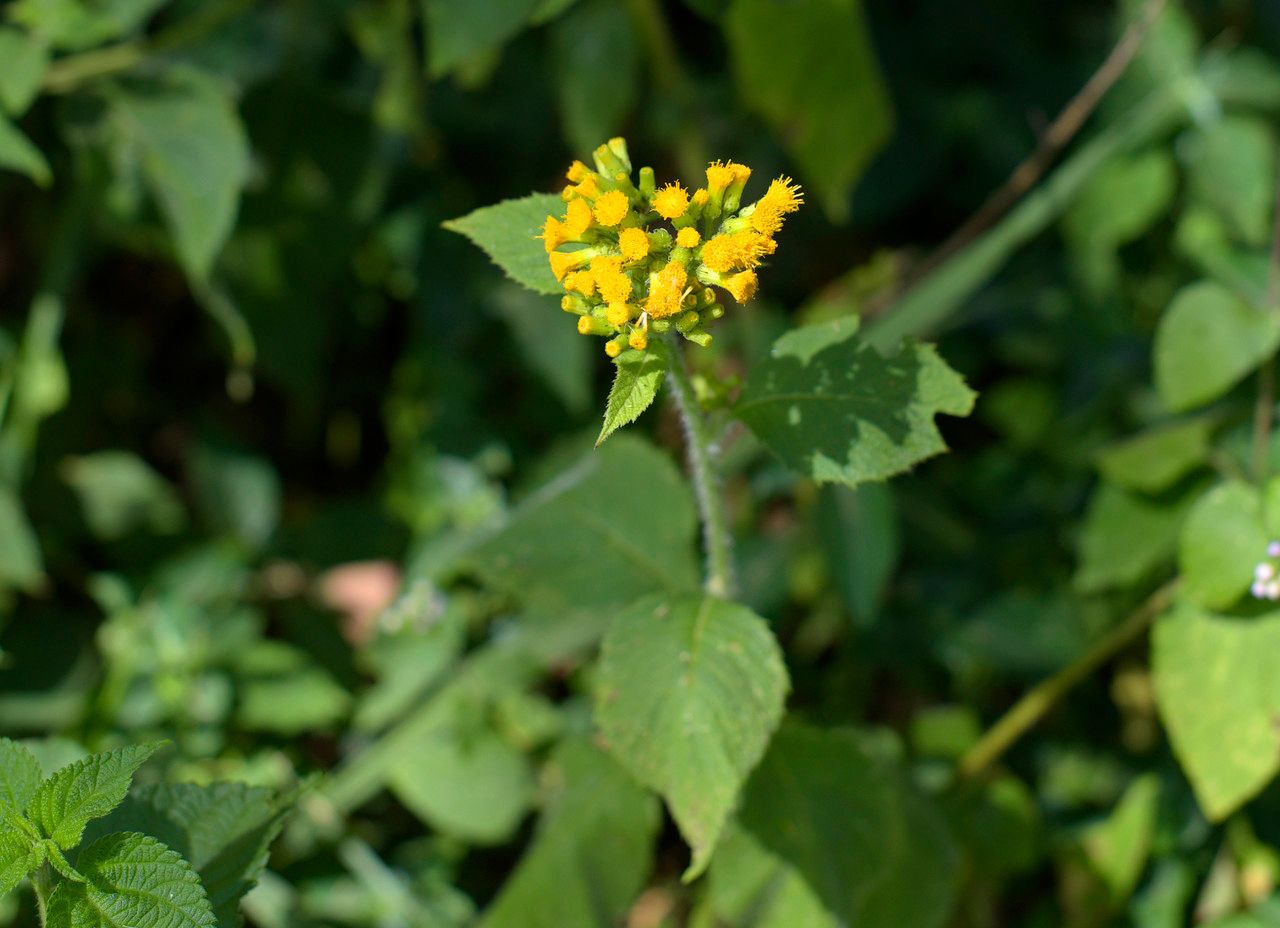
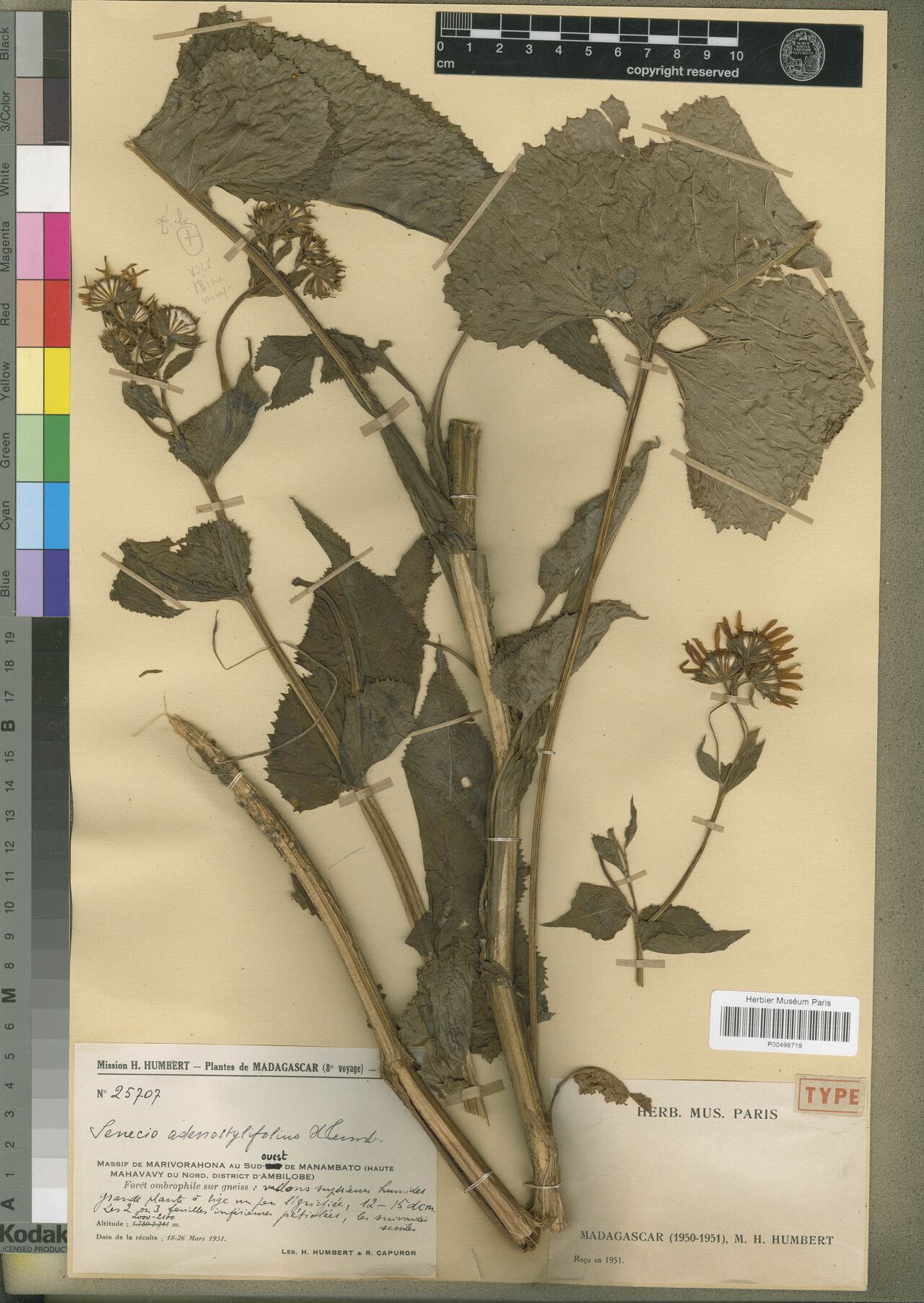
Senecio aronicoides is a species of flowering plant in the aster family known by the common name rayless ragwort. It is native to Oregon and northern and central California, where it can be found in the woodlands and forests of mountains and foothills, often in relatively dry habitat. It is a biennial or perennial herb growing up to about 90 centimeters tall from a fleshy root attached to a buttonlike caudex. The plant is often slightly woolly or cobwebby in texture. The leaves have lance-shaped to oval blades measuring up to 20 centimeters long, the largest ones lower on the stem. The inflorescence is a corymb which is flat and spreading, often resembling an umbel. The flower heads are cups lined with black- or green-tipped phyllaries and filled with many gold disc florets. There are usually no ray florets but one or two occasionally emerge from a head. The fruit is a hairless achene tipped with a pappus of long, white bristles.
How to keep Senecio Aronicoides.
Pruning
For optimal growth and to prevent overcrowding, it is important to selectively prune rayless ragwort in early spring. Remove any dead or damaged stems, and thin out older branches to improve air circulation. This process encourages flowering, reduces the risk of disease, and supports the overall health and vitality of the plant.
Botanical profile.
- Life Cycle
- Perennial
- Genus
- Senecio
- Family
- Asteraceae
Other names.
Reader questions.
What are the sunlight requirements for Rayless ragwort?
Rayless ragwort, also known by its botanical name Senecio aronicoides, thrives in conditions depending on the amount of daily sunlight it receives. For the best growth, plants categorized under 'Full sun' require above 6 hours of sunlight, indicating that Rayless ragwort will flourish when exposed to plentiful sunshine. Those listed as needing 'Partial sun' demand approximately 3-6 hours of sunlight, suggesting that if your garden offers spots with this amount of light, Rayless ragwort can still prosper. It's essential to observe how sunlight moves throughout your garden over the day, choosing locations that offer a harmonious balance of light and shade, ensuring the plant's well-being and happiness.