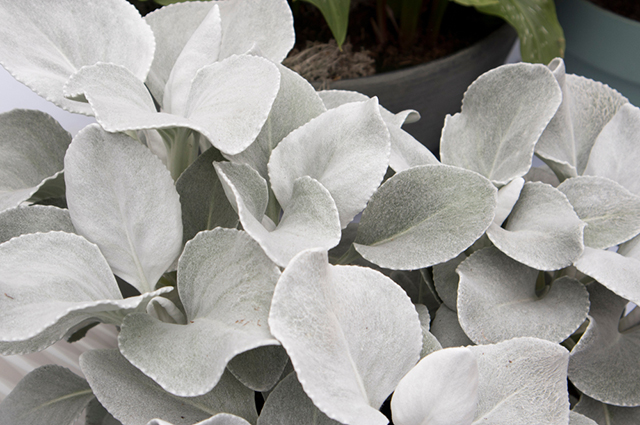
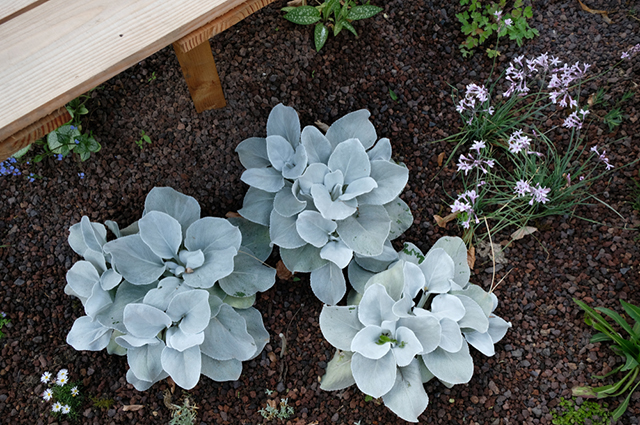
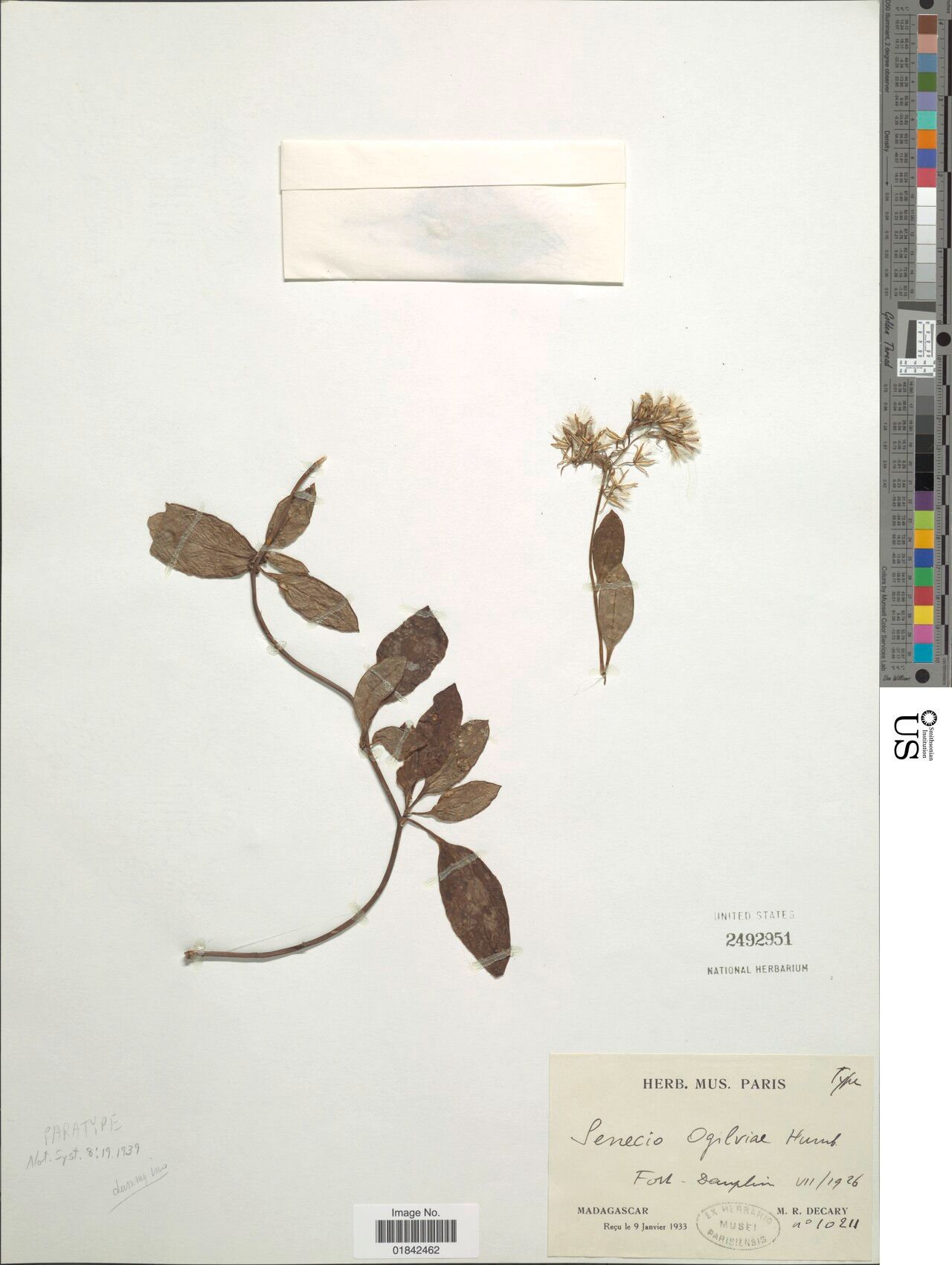
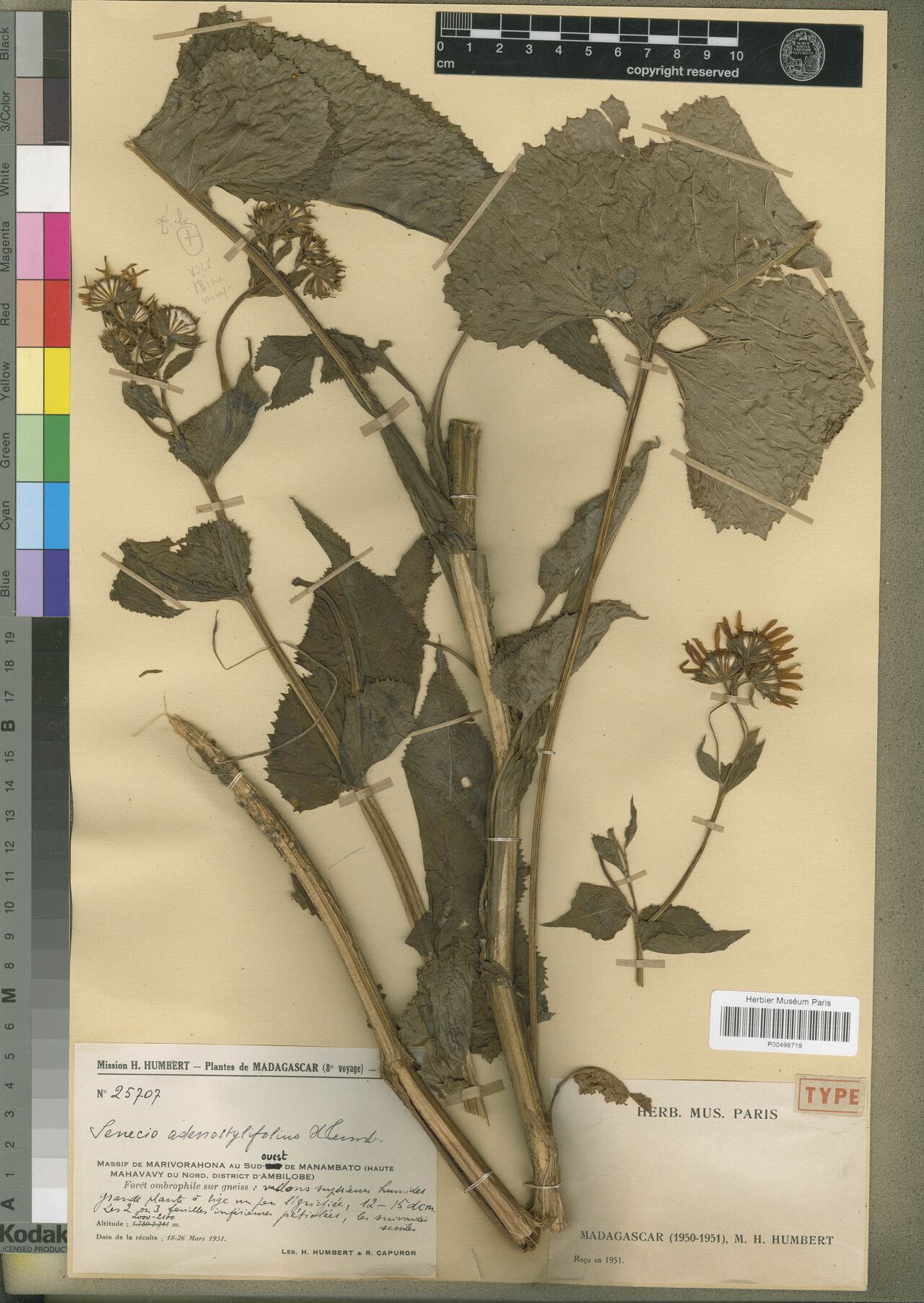
Senecio candicans, commonly known as Dusty Miller, is a well-loved ornamental plant in the Asteraceae family. Native to the Mediterranean region, it has been cultivated for centuries for its striking silver-gray foliage. This plant can grow up to 2 feet tall and features deeply lobed leaves covered with fine hairs, giving them a velvety texture. The leaves are arranged in a rosette pattern at the base of the stem and become progressively smaller as they ascend.
While Senecio candicans produces small yellow flowers in late summer or early fall, its foliage remains the main attraction. The plant thrives in full sun but can tolerate partial shade and prefers well-drained soil with moderate watering.
Dusty Miller is often used as an accent plant in garden beds, borders, or containers, thanks to its distinctive silver-gray color, which contrasts beautifully with the green foliage of other plants. It also serves as an excellent ground cover due to its spreading nature.
Although Senecio candicans is generally easy to grow and low-maintenance, it can be prone to fungal diseases if grown in overly moist conditions or areas with poor air circulation. Furthermore, all parts of the plant contain toxic compounds that can cause skin irritation if not handled properly, so care should be taken when pruning or propagating via cuttings.
Overall, Senecio candicans is a visually appealing ornamental plant that adds texture and contrast to any garden, while being relatively easy to grow, making it a favorite among gardeners worldwide.
How to keep Senecio Candicans.
Temperature
The ideal temperature range is 65-85°F, and the ideal relative humidity range is 60-80 percent. One method is to use huge clay pots, which contain more water than plastic pots because they dry more slowly.
Pruning
Angel wings may be kept compact and healthy by pruning them. In the early spring, after it has bloomed and senesced, cut off any dead or dying branches. Prune back to a healthy stem, always cutting above a leaf node on an upright stem.
Toxicity
Although the Angel Wings plant is not harmful, it should be avoided if you have sensitive skin. If your succulent plant is injured or damaged in any way, approach it with caution since sap might be emitted and irritate your skin.
Further reading →
The toxicity and danger assessments provided are for reference only. We do not assure their accuracy, so it's crucial not to depend on them. Seek professional advice when necessary for accurate guidance.
Botanical profile.
- Bloom Time
- Spring/mostly summer
- Native Area
- South America
Other names.