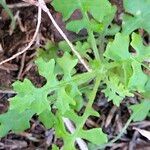
Senecio elegans
Purple groundsel · Cape senecio · Purple ragwort · Red-purple ragwort · Wild cineraria
Description
Source: leafsnapSenecio elegans is a species of flowering plant in the aster family known by the common names redpurple ragwort, purple groundsel, wild cineraria and purple ragwort.
Care Guide
💧 Water
Redpurple ragwort, which originates from coastal sand dunes, thrives best with consistent moisture. Although it has moderate drought tolerance once established, weekly watering is crucial for maintaining its health. This is especially important during the flowering phase, as it helps produce vibrant blooms and ensures a successful growing season.
How should I water my Redpurple ragwort plant?
To water Redpurple ragwort, you have several options like using a garden hose with a spray nozzle, a watering can, or any other common watering tool. This plant is not too particular about the type of water it receives, so rainwater, tap water, or filtered water all work fine. It's generally advisable to avoid watering this plant from overhead as it may damage the leaves and flowers and potentially lead to disease. A drip irrigation system is often the best method for watering Redpurple ragwort as it provides even and direct watering to the soil. When watering a Redpurple ragwort in a container, you can use a cup, watering can, or tap to apply water directly to the soil.
What do I do if I give my Redpurple ragwort too much or too little water?
The solution to underwatering Redpurple ragwort is straightforward. When you notice your plant is lacking moisture, water it more frequently. Overwatering, on the other hand, can be a serious issue if not caught early. It can cause diseases that lead to the plant's decline and death. To prevent this, choose a suitable location with ample sunlight, which helps dry the soil, and ensure good drainage to prevent waterlogging. If your potted Redpurple ragwort is overwatered, consider repotting it in a container that has better drainage to prevent soil saturation. Add loose soils and use an efficient draining pot during repotting.
How frequently should I water my Redpurple ragwort?
To successfully care for Redpurple ragwort, it's important to provide regular watering throughout the growing season. In the spring, watering once a week should suffice. As the season progresses and temperatures rise, you may need to increase watering to two or three times a week. However, be cautious not to exceed this rate as it can be harmful to the plant. Regardless of watering frequency, it's crucial to keep the soil consistently moist but not overly wet. For potted Redpurple ragwort, watering requirements are slightly different. Due to the faster drying nature of pot soil, it's generally necessary to water container-grown plants more frequently. In most cases, watering a potted Redpurple ragwort a few times a week is recommended, compared to just once a week for plants grown in the ground.
How much water does my Redpurple ragwort plant need?
There are a few ways to figure out how much water your Redpurple ragwort needs. Some gardeners prefer to assess soil moisture by feeling it, suggesting that you water until the top six inches of soil are moist. Another approach is to measure the water amount. Usually, two gallons per week is recommended depending on temperature and soil dryness. However, sticking to this guideline may lead to overwatering if your plant needs less. When growing Redpurple ragwort in a container, a different method is required. Here, you should water until all soil layers are moist or check by sticking your finger in the soil. Another sign is to watch for a slight trickle of excess water from the pot's drainage holes.
How do I know if I'm giving enough water to my Redpurple ragwort?
Avoiding overwatering your Redpurple ragwort can be somewhat challenging due to conflicting needs. These plants have deep roots that require weekly soil moisture, but they are also highly susceptible to root rot and browning if overwatered. Underwatering is less likely to be a problem as these plants can survive for a while without supplemental watering. However, if you wait too long to water your Redpurple ragwort, it may start to wilt and exhibit dry leaves.
☀️ Light Full sun
Redpurple ragwort thrives with plenty of sunlight, which promotes healthy growth. Originating from a largely sunny habitat, it can also tolerate slightly dimmer conditions. However, excessive shade may weaken the plant, and overly intense light can cause harm.
What are the sunlight requirements for Redpurple ragwort?
Redpurple ragwort requires more than 6 hours of sunlight daily (full sun) for healthy growth, indicative of its native environment's conditions. It can tolerate about 3-6 hours of sunlight (partial sun) but might show signs of weakness if overshadowed too much, and excessive sun can also be detrimental. Artificial lighting can be a vital solution for indoor plants, with LED lights offering customizable wavelengths. For full sun plants, 30-50W/sq ft of artificial light is recommended; for partial sun plants, 20-30W/sq ft; and for full shade plants, 10-20W/sq ft. The lights should be placed 12-36 inches above the plant and kept on for 8-12 hours per day to mimic natural sunlight.
What are the signs of inappropriate sunlight exposure for Redpurple ragwort?
When Redpurple ragwort does not receive adequate lighting, it may exhibit symptoms such as smaller new leaves, leggy or sparse growth, faster leaf drop, slower or stopped growth, and lighter-colored or yellow (chlorosis) leaves. Damage from too much sunlight includes sunscald, leaf curling to reduce exposure, wilting from excessive water loss, and leaf scorching characterized by brown, dry edges. These symptoms reflect the plant's struggles with either too little or too much sunlight.
How can I address light-related issues with my Redpurple ragwort?
To remedy light deficiencies for indoor Redpurple ragwort, gradually move the plant to a spot with at least 6 hours of direct sunlight, preferably by a south-facing window, or use artificial lighting like desk lamps or plant grow lights for at least 8 hours a day. For outdoor plants, relocate them progressively to sunnier spots to prevent sunburn. If physical structures block sunlight, consider pruning trees or transplanting smaller plants to brighter areas. Remember, while adjustments can enhance growth, parts of the plant that have suffered due to previous light conditions may not fully recover, but new growth should be healthy.
🌡️ Temperature 15–37.8°C
Redpurple ragwort naturally favors temperate climates, preferring temperatures of 68 to 100 °F (20 to 38 ℃). If cultivated outside that range, seasonal adjustments may be necessary to maintain suitable conditions.
What is the ideal temperature range for growing Redpurple ragwort?
Redpurple ragwort thrives in temperate climates and prefers temperatures between 68 to 100 °F (20 to 38 °C). This range is ideal for its growth, and if you're growing it outside this temperature range, you might need to make adjustments according to the season to ensure the plant remains in suitable conditions. Although Redpurple ragwort exhibits some cold tolerance and doesn't require extra measures for temperatures above 0°C, precautions should be taken when temperatures are expected to drop below freezing point, such as wrapping the plant with protective materials.
How does Redpurple ragwort respond to low temperatures, and what should I do?
Redpurple ragwort has a moderate tolerance to low temperatures and prefers to be kept above 20°C. When temperatures fall to -10°C or below, its leaves may begin to droop. Although recovery is possible in mild cases, severe cold may cause the leaves to wilt and drop. To prevent damage from low temperatures, it's advisable to trim off the frost-damaged parts and wrap the plant with insulation materials like non-woven fabric. Erecting a wind barrier can also help in protecting the plant from chilly winds.
What are the effects of high temperatures on Redpurple ragwort and how can I protect it?
During hot summer months, keeping Redpurple ragwort temperatures below 38°C is essential. Exposure to temperatures above 43°C may result in lighter leaf color, dry and withered leaf tips, curling leaves, and increased susceptibility to sunburn. To mitigate these issues, trim away the damaged parts and move the plant to a shaded area or use a shade cloth to protect it from intense midday and afternoon sun. It's also beneficial to water the plant during the cooler morning and evening hours to maintain soil moisture.
💨 Humidity
🪴 Soil 6-7
🌱 Fertilizer
When most of Redpurple ragwort's blooms have opened fully, resume fertilizing. About the time the blooms are at their peak, apply fertilizer once every three to four weeks, as the weather allows. Then, once Redpurple ragwort begins to produce fewer new blooms, stop fertilizing; there’s no need to feed the plant when it can’t produce any more blooms.
Why should I add fertilizer to my Redpurple ragwort?
All plants require nutrients to grow. However, some plants can obtain all the necessary nutrients without any additional fertilizers. Like other plants, the Redpurple ragwort also relies on nutrients to facilitate growth and internal processes. The main nutrients that plants use, such as nitrogen, phosphorus, and potassium, contribute to essential plant functions. Specifically, nitrogen plays a vital role in supporting foliage growth. Unfortunately, obtaining sufficient nitrogen from the soil can be challenging for the Redpurple ragwort. This is why many gardeners choose to supplement the plant's nitrogen needs by providing additional nitrogen sources.
When should I fertilize my Redpurple ragwort plant?
Redpurple ragwort generally grows well, but it benefits from monthly fertilization during its active growth period, which is in the spring and summer months. It is important not to fertilize during the fall and winter when the plant is less active and does not require as many nutrients. Look for signs of new growth to determine when to start fertilizing. Whether the plant is grown outside or in a container indoors, the fertilization schedule remains the same. However, if your Redpurple ragwort is in a container, you may not need to fertilize for the first one to two months. Container plants usually have enough nutrients in the potting soil, so you should only begin fertilizing after the plant has been in the same soil for a while.
When should I not put fertilizer on my Redpurple ragwort?
To ensure the health of your Redpurple ragwort, avoid fertilizing if it is unhealthy due to disease or insect infestation. Also, refrain from fertilizing a dehydrated plant, as it will worsen the issue. Only fertilize plants that are in good health. When watering, be cautious not to splash fertilizer onto the leaves or stem, as this can cause burned spots. If applying a foliage-specific fertilizer, be mindful not to let it directly contact the plant, unless it is specifically designed for such use.
What kind of fertilizer does my Redpurple ragwort plant need?
Fertilizers are packed with important elements like nitrogen, potassium, and phosphorus, as well as other essential nutrients like iron, manganese, and zinc. These elements are crucial for promoting growth in Redpurple ragwort. For this plant, a balanced fertilizer is effective, such as an all-purpose one with a 10-10-10 NPK number. Natural fertilizers like blood meal or worm castings are also suitable options. If you want to focus on leaf support, which is a significant characteristic of Redpurple ragwort, you can choose a fertilizer with higher nitrogen content, like fish fertilizer. It is unnecessary to provide excess supplements for flowers or seeds if your goal is not to specifically grow those parts of the plant.
How can I fertilize my Redpurple ragwort plant?
To properly fertilize your Redpurple ragwort, follow the instructions on the fertilizer you purchased. To prevent over-fertilization, it's recommended to start with half-strength fertilizer. This plant often gets over-fertilized, so it's important to be cautious. Remember, it's easier to add more fertilizer later if needed. Always avoid applying fertilizer to dry soil. The soil should be somewhat moist before fertilizing to help the fertilizer absorb easily and prevent any burning. After applying dry fertilizer, make sure to water the soil. Different fertilizers have different application methods. Some should be mixed into the soil during planting, while others are applied on top and then watered in. For most Redpurple ragwort varieties, a water-soluble fertilizer is a convenient choice. Simply mix the recommended dosage into your watering can and water the plant normally. Alternatively, slow-release granules or fertilizer spikes can be used if you prefer less frequent fertilization reminders.
🪴 Pot & Repot
✂️ Pruning
The Redpurple ragwort is known for its vibrant colors and rapid growth. To encourage new growth and blooms, it is best to prune this plant from early to late spring. During pruning, remove spent flowers and any damaged branches. Regular pruning helps shape the plant, reduces the risk of disease, and improves air circulation. For optimal results, use clean, sharp tools.
🌿 Propagating
🐛 Diseases & pets
☠️ Toxicity
Characteristics
- Plant Type
- Herb
- Life Cycle
- Annual, Biennial
- Genus
- Senecio
- Family
- Asteraceae
- Hardiness Zone
- 8-11
- Mature Height
- 20 cm to 61 cm
- Mature Spread
- 61 cm
- Leaf Color
- Green, Dark Green
- Leaf Type
- Deciduous
- Flower Color
- Purple, Pink
- Flower Size
- 4.06 cm to 5.08 cm
- Bloom Time
- Mid spring, Late spring, Summer, Early fall
- Planting Time
- Spring, Summer, Autumn
- Harvest Time
- Summer, Fall
- Native Area
- South Africa