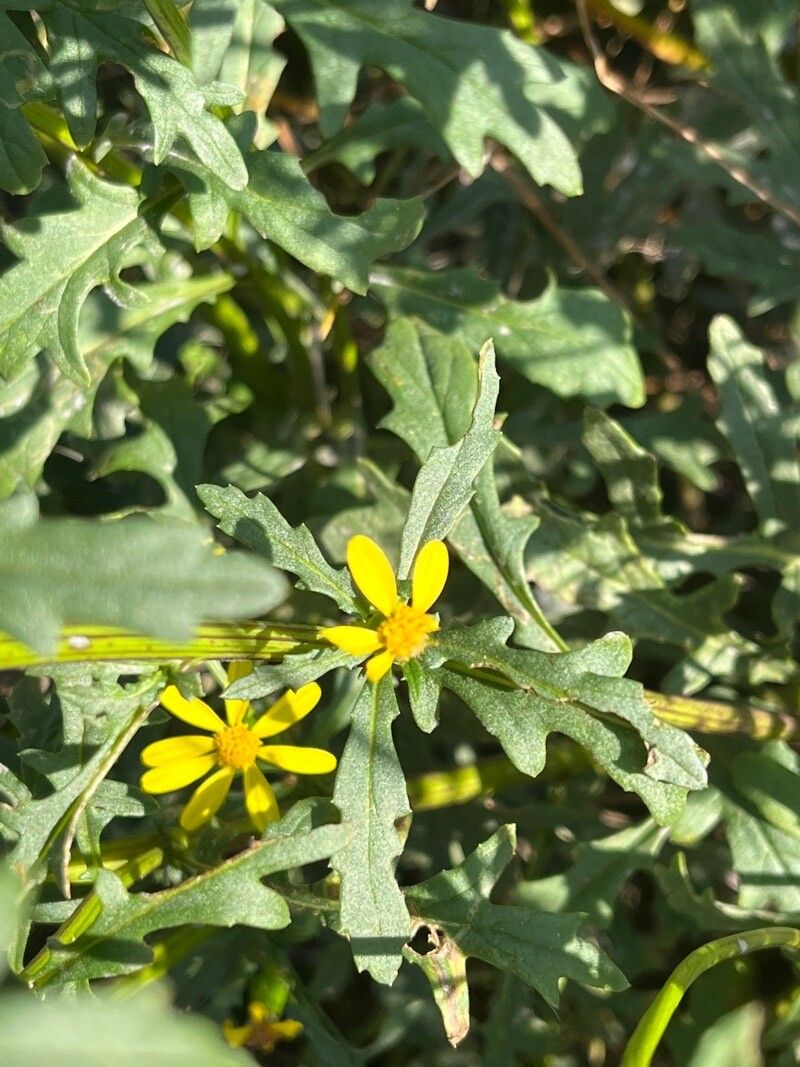
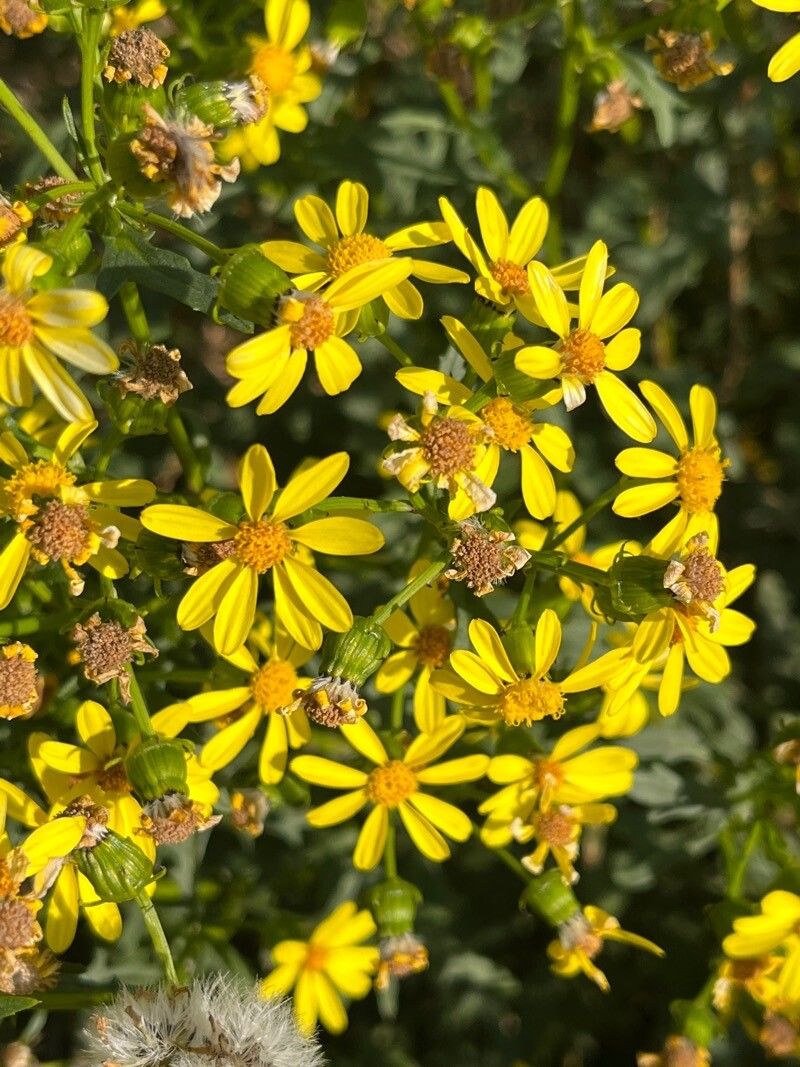
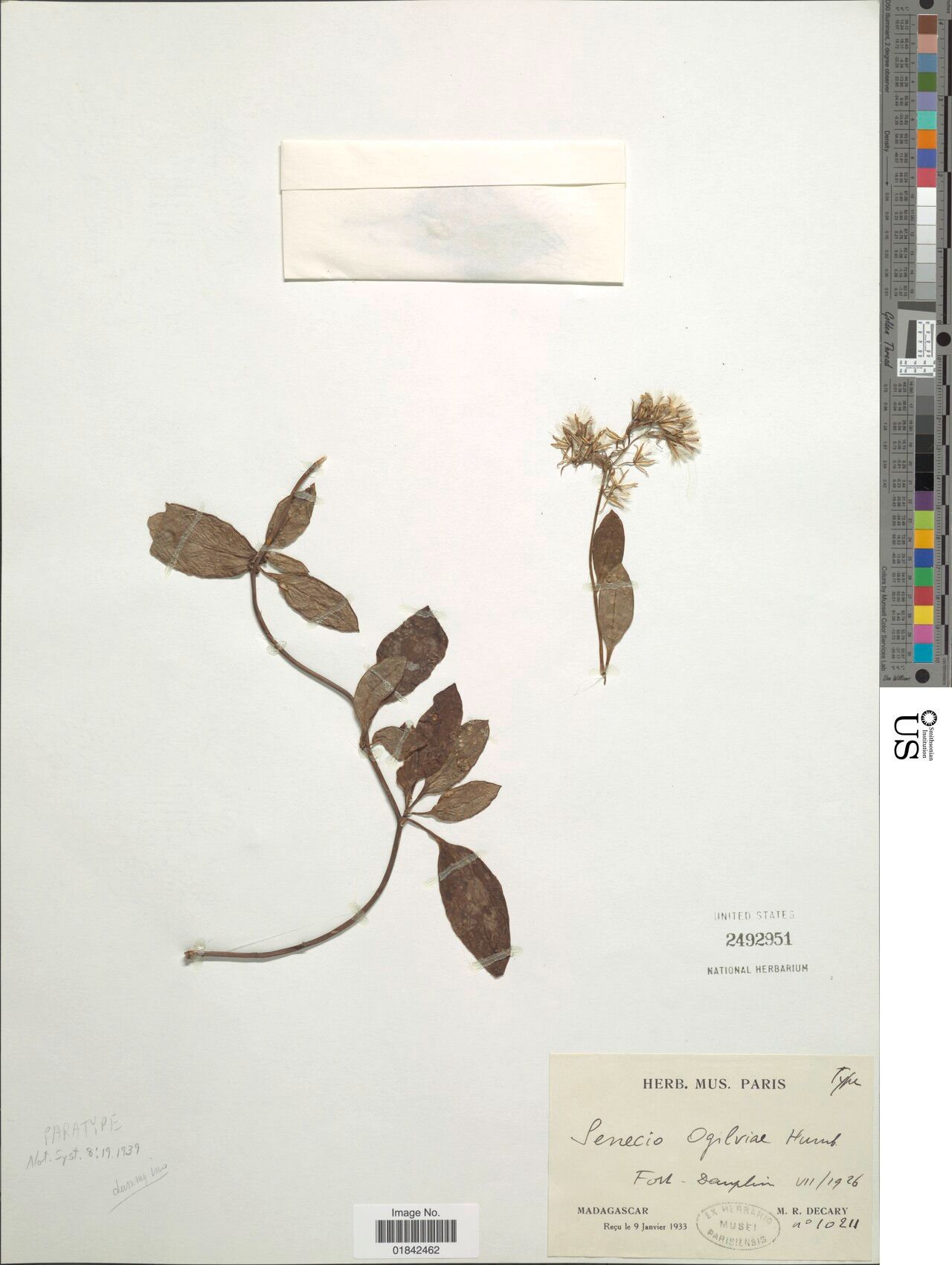
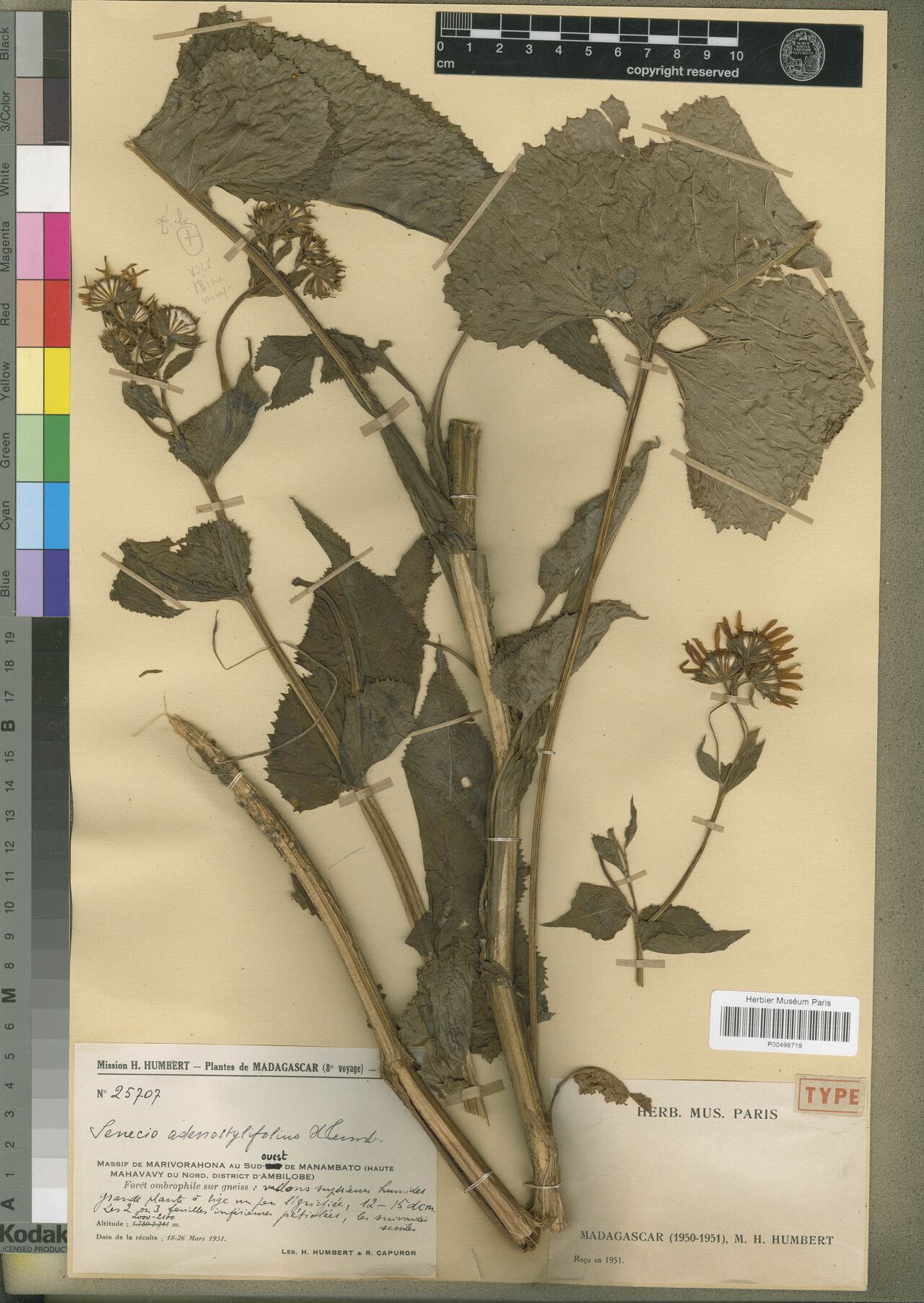
Desert groundsel has strong disease resistance and is generally not prone to illnesses. However, it can be affected by pests and diseases present in its environment. These problems are generally mild. Care-wise, the plant needs moderate attention. It requires regular pruning to preserve a good appearance and encourage healthy growth. Fertilizing can also help increase flowering. Desert groundsel is appropriate for anyone with outdoor space, such as a garden or patio, and does not demand extensive care experience. It may need more attention when grown indoors.
How to keep Senecio Eremophilus.
Light
Desert groundsel is a perennial herbaceous plant that is fond of sunlight and originates from open environments, often flourishing in meadows and grasslands. While it prefers full sunlight, it can also endure conditions of partial sun.
Temperature
Desert groundsel possesses the capacity to acclimatize to diverse temperature settings, yet various combinations of moisture and heat situations might still restrict its spread. It flourishes optimally in balmy conditions throughout the summer with sufficient precipitation or irrigation. Extended durations of overcast and wet weather, in tandem with sustained high temperatures, could enhance the probability of Desert groundsel perishing. During winter, appropriate safeguarding against the cold can boost the plant's chances of survival.
Fertilizer
The optimal period to fertilize a Desert groundsel is in the initial phase of spring, as it moves out of its dormant stage and starts to actively grow. Fertilizing offers vital nutrients necessary for its robust growth. Although the fertilizer requirements for Desert groundsel are rather minimal, yearly application of fertilizers can improve its lifespan and result in more vibrant and enduring flowers.
Pruning
Properly pruning desert groundsel in early spring helps it thrive by removing dead stems and promoting new growth. This practice enhances air circulation, controls the plant's size, and prevents diseases. Using clean tools is essential to avoid infections, leading to more vigorous flowering and a well-maintained plant form.
Botanical profile.
- Plant Type
- Herb
- Life Cycle
- Perennial
- Genus
- Senecio
- Family
- Asteraceae
- Hardiness Zone
- 4-9
- Mature Height
- 30 cm to 91 cm
- Mature Spread
- 20 cm to 61 cm
- Leaf Color
- Green, Dark Green
- Leaf Type
- Deciduous
- Flower Color
- Yellow
- Flower Size
- 1.52 cm to 2.54 cm
- Bloom Time
- Mid summer, Late summer, Early fall
- Planting Time
- Spring, Summer, Autumn, Winter
- Harvest Time
- Early fall, Mid fall
Other names.
Reader questions.
What are the sunlight requirements for Desert groundsel?
Desert groundsel, botanically known as Senecio eremophilus, thrives in conditions ranging from full to partial sun exposure. For full sun, it requires above 6 hours of sunlight daily, while partial sun exposure amounts to about 3-6 hours of sunlight. It's essential to observe the way sunlight moves through your garden, finding the perfect spots that offer a balanced mix of light and shade, which is crucial for the plant's wellbeing.
What is a general warning to consider about sunlight when planting Desert groundsel?
When planting Desert groundsel (Senecio eremophilus), it's critical to monitor the patterns of sunlight throughout your garden. The goal is to identify locations that provide an optimal balance of sunlight and shade. Ensuring that your plants receive the appropriate amount of light is vital for their health and success. This consideration helps in maximizing the growth and health of your Desert groundsel by catering to its specific light requirements.