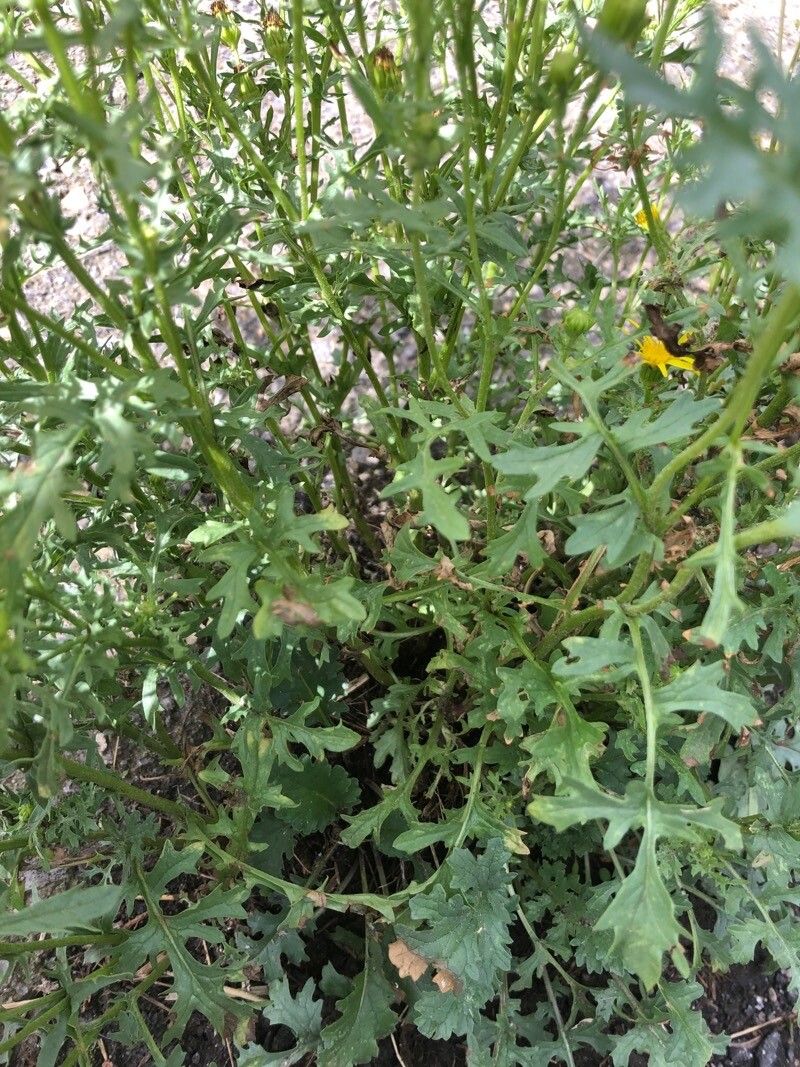
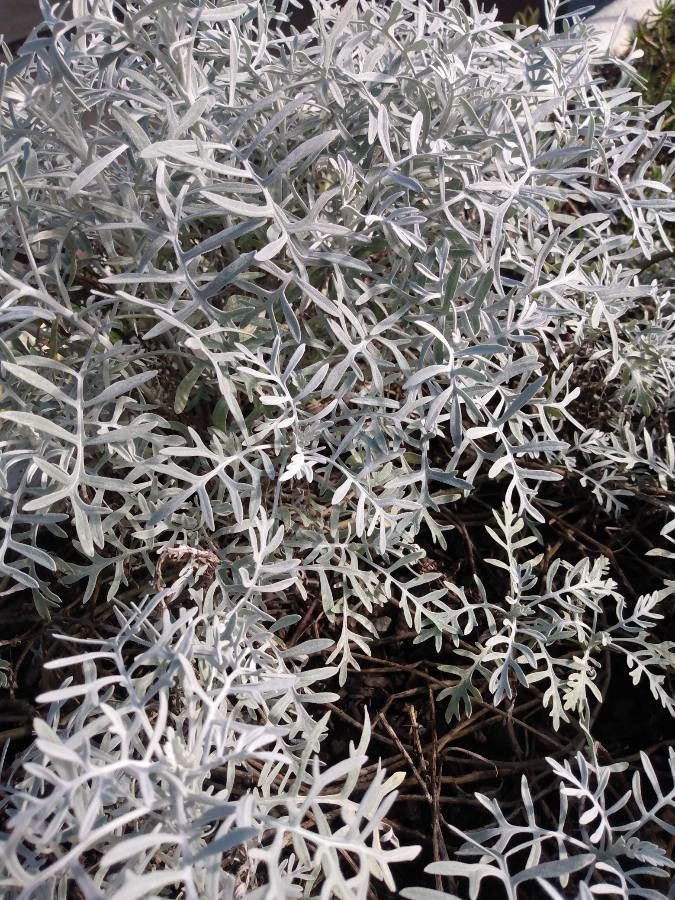
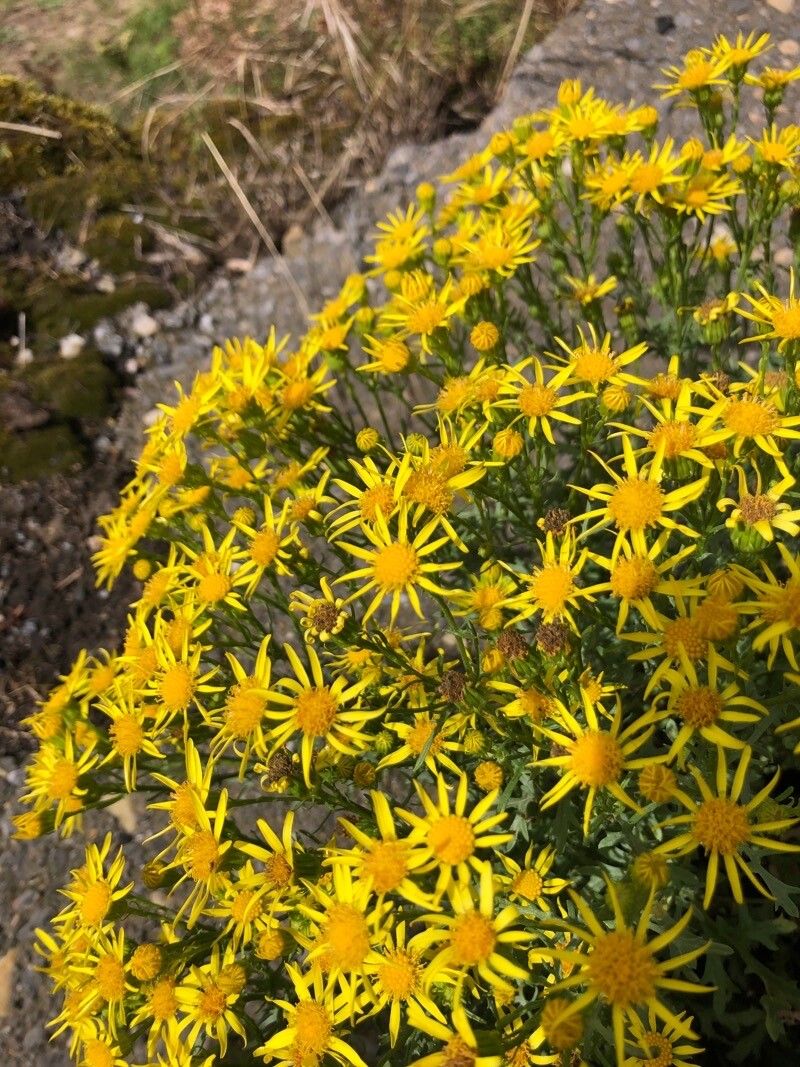
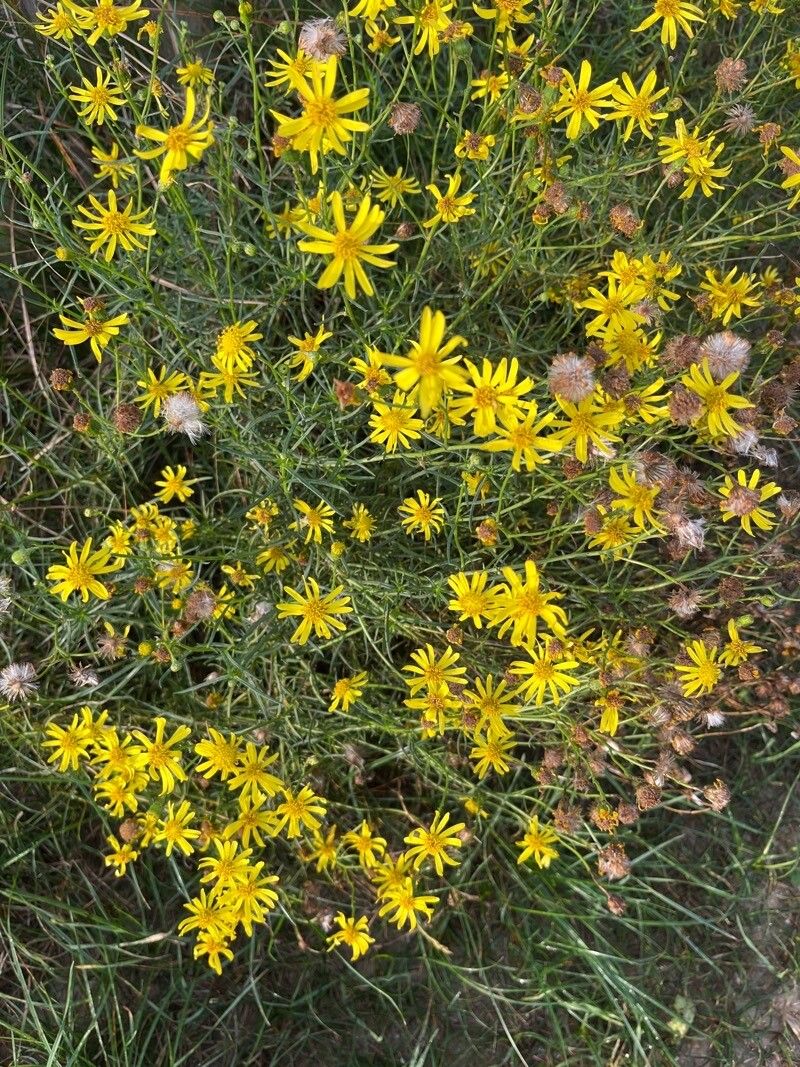
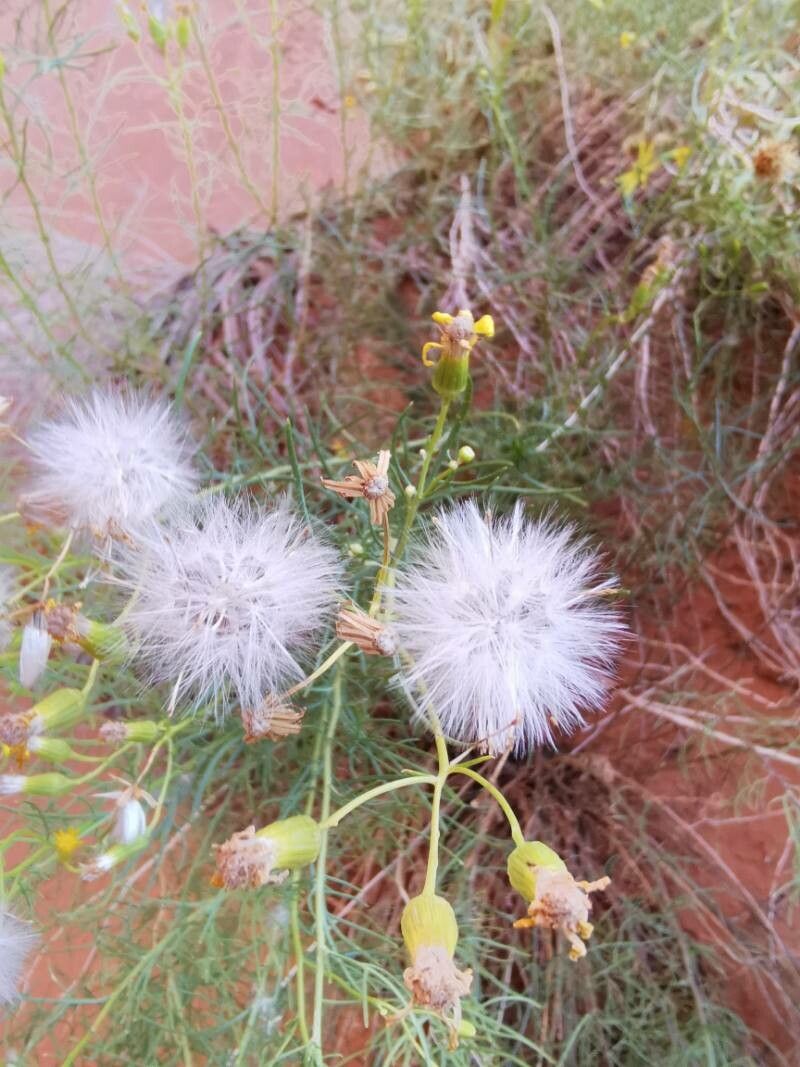
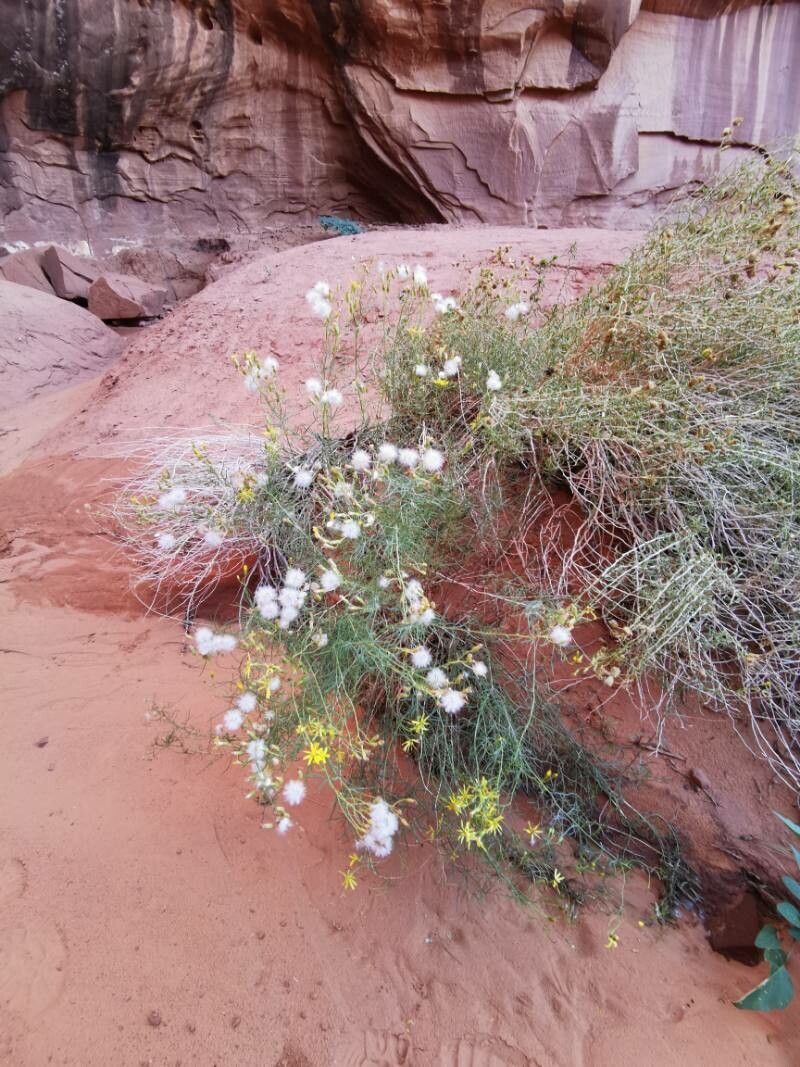
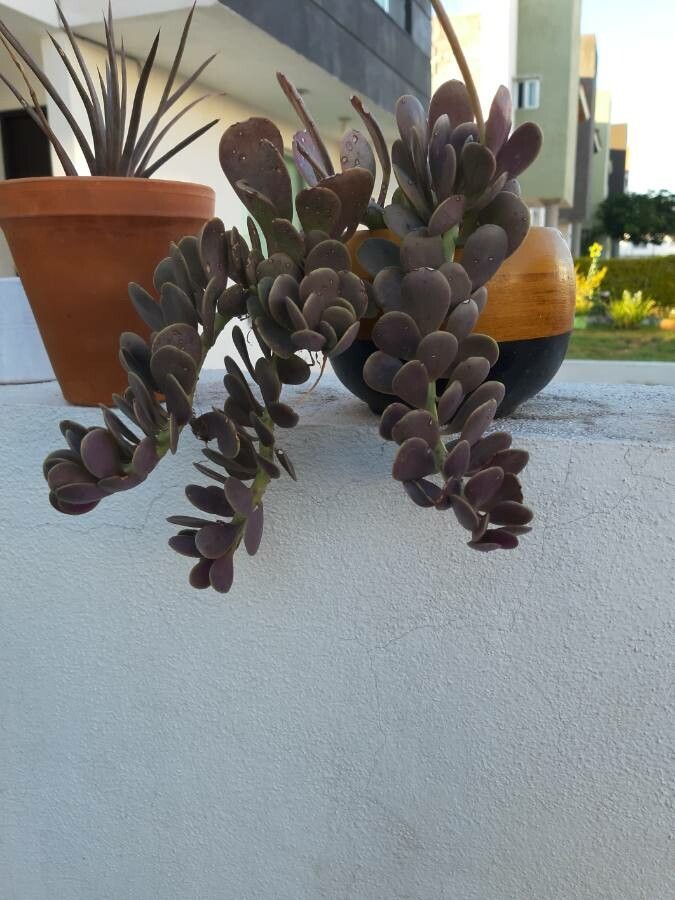
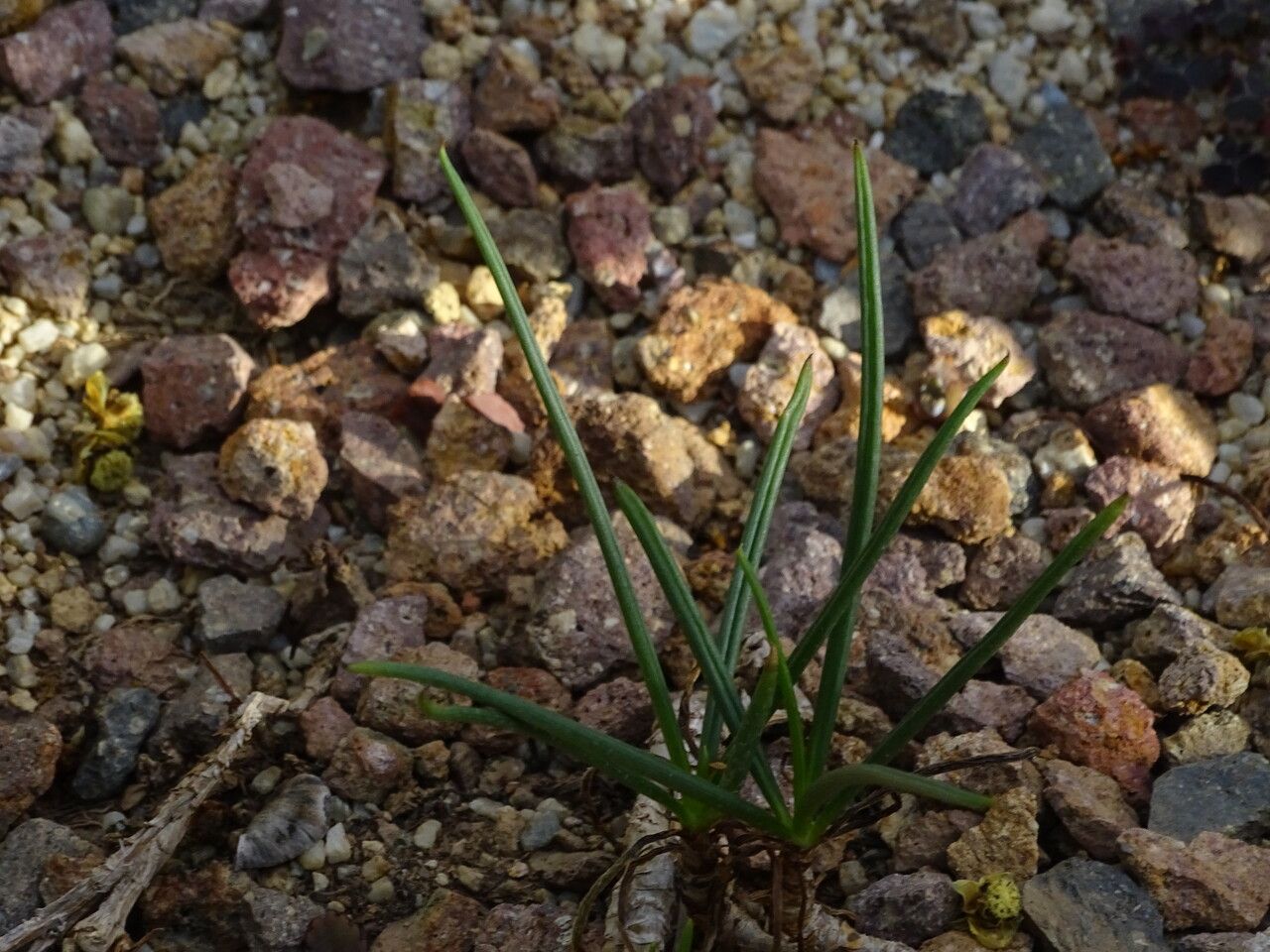
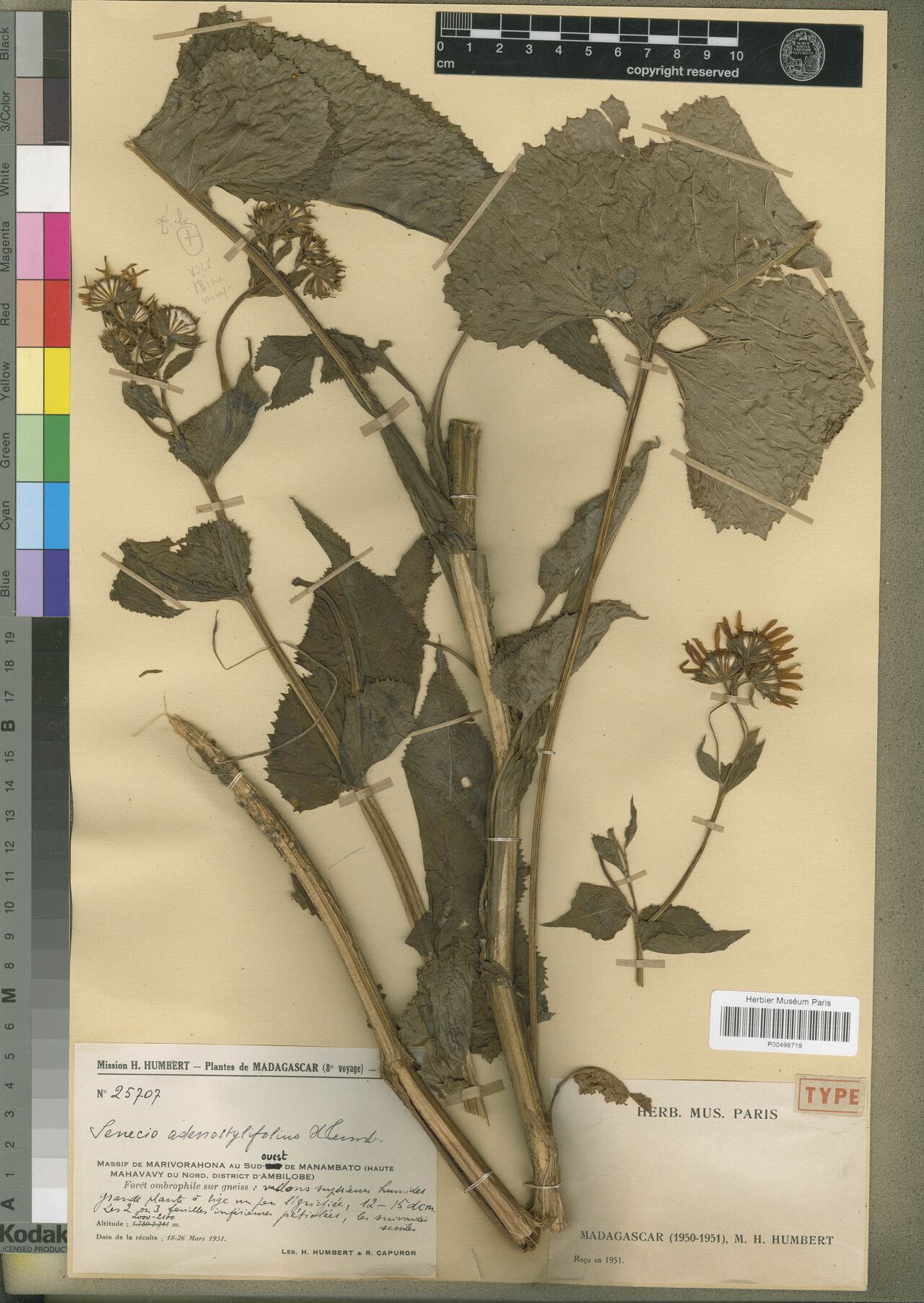
Senecio flaccidus, formerly recorded as Senecio douglasii (in honor of the botanist David Douglas), member of the daisy family and genus Senecio also known as threadleaf ragwort (and threadleaf groundsel, bush senecio, creek senecio, shrubby butterweed, comb butterweed, smooth threadleaf ragwort, Mono ragwort, Douglas ragwort, Douglas groundsel, sand wash groundsel, felty groundsel, old man, yerba cana, squawweed or cenicillo), is a native of the southwestern Great Plains of North America.
Threadleaf ragwort has strong resistance to disease and is typically not susceptible to illnesses. As for care, this plant is fairly low-maintenance. When grown outdoors it needs little watering, and larger specimens generally do not require pruning. Smaller plants, however, should be pruned after they finish blooming. Threadleaf ragwort is suitable for anyone with outdoor space, like a garden or deck, and does not demand extensive care experience.
How to keep Senecio Flaccidus.
Light
Threadleaf ragwort prefers abundant sunlight to grow best. A lack of light can cause reduced growth and poorer overall health. In its native habitats it does well beneath bright, warm skies, which promotes vigorous growth. Excessive sun can sometimes stress the plant, but threadleaf ragwort is resilient and typically tolerates it.
Water
Threadleaf ragwort thrives in semi-arid environments and is well-known for its drought tolerance, preferring dry soil conditions. It is ideal for xeriscaping and outdoor growth because it requires minimal rainfall, making it perfect for water-conserving gardens. To care for threadleaf ragwort, water it every three weeks, allowing the soil to dry out completely between watering sessions.
Temperature
Threadleaf ragwort originates from areas where temperatures typically range between 41 and 100.4 °F (5 and 38 °C). It favors moderate to warm climates. To reproduce its natural conditions, provide seasonal temperature changes, decreasing warmth in winter and increasing it in summer.
Fertilizer
To encourage healthy growth, fertilize your Threadleaf ragwort in early spring. Regular feeding improves overall health, leading to vigorous growth, greater tolerance of challenging conditions, and increased resistance to pests and diseases. Follow a consistent fertilization schedule for your Threadleaf ragwort to maintain vibrant, deeply colored foliage and a lush appearance.
Pruning
Threadleaf ragwort is a perennial plant known for its narrow, threadlike foliage. To maintain its shape and encourage healthy growth, prune the plant in early spring. When pruning, concentrate on removing any dead stems and thinning out overcrowded areas to improve air circulation. Regular pruning not only enhances the plant's beauty but also helps reduce pests and promotes healthier growth.
Botanical profile.
- Plant Type
- Shrub
- Life Cycle
- Perennial
- Genus
- Senecio
- Family
- Asteraceae
- Hardiness Zone
- 5-11
- Mature Height
- 1.37 m
- Mature Spread
- 61 cm
- Leaf Color
- Green, Blue
- Leaf Type
- Deciduous
- Flower Color
- Yellow
- Flower Size
- 7.62 cm to 10.16 cm
- Bloom Time
- Summer
- Planting Time
- Spring, Summer, Autumn
- Harvest Time
- Late summer, Early fall, Mid fall
- Native Area
- Mexico
Other names.
Reader questions.
How should I water my Threadleaf ragwort plant in the best way?
To ensure excellent root development, it is recommended to place a garden hose at the base of the plant. When watering, avoid spraying the leaves directly, as this can be harmful. If the plant is exposed to direct sunlight outdoors, the leaves will require more water. Using bubblers to moisten the roots of each plant can be effective, as well as using soaker hoses that cover the entire garden or bed. When adding or removing plants, soaker hoses help in pushing the roots deeply into the soil. After watering, make sure to drain any excess water and allow the soil to dry before watering again. Watering at ground level is encouraged to prevent the spread of diseases. On a sunny day, it may be beneficial to spray the entire bush with water. Whether the plant is potted or in the ground, it is important to remember that Threadleaf ragwort prefers deep watering rather than light sprinkling.
What are the sunlight requirements for Threadleaf ragwort?
Threadleaf ragwort requires full sun exposure of above 6 hours of sunlight daily for optimal growth, but it can also grow in partial sun, receiving about 3-6 hours of sunlight. It's crucial to observe the movement of sunlight through your garden to ensure you choose spots that offer the right balance of light and shade for your plants. Providing the correct amount of sunlight is essential for the happiness and health of your plants.
What is the native environment of Threadleaf Ragwort?
Threadleaf Ragwort, botanically known as Senecio flaccidus, is native to environments where the temperature generally fluctuates between 41 to 100.4 °F (5 to 38 °C), favoring moderate to warm climates. Seasonal temperature adjustments are important to mimic its natural habitat, including reducing warmth during winter and increasing it in the summer. Its strong cold resistance means special frost protection measures are usually not necessary, but in extreme cold below -25°C, wrapping the trunk and branches with non-woven fabric or cloth can provide necessary cold protection.
What should I do if I give Threadleaf ragwort too much or too little water?
If you overwater your Threadleaf ragwort, its leaves may turn yellow, drop off, and wilt. The plant might also look dull and unhealthy, with mushy stems. When you notice these signs, try adjusting your watering schedule. However, wilting can also be a sign of underwatering. In this case, the leaves may become crispy and dry. Check the soil regularly and provide a thorough watering if it's dry. While enough water will help the Threadleaf ragwort recover, the plant may still have dry, yellow leaves for a few days due to root damage. Once it returns to normal, the yellowing should stop. When growing the plant indoors, always check the moisture levels and avoid overwatering. Look out for black spots, and if present, let the soil dry out for a few days without watering. Overwatering can lead to root rot, so transfer the plant to a different pot if you notice discolored and slimy roots. Preventing root rot is crucial, so don't allow the soil to become too soggy. If you plant the Threadleaf ragwort outdoors, check the soil's moisture levels by digging a bit deeper. If the soil is too dry, it may indicate underwatering, so ensure adequate watering to help the plant recover.
What are some essential care tips for Threadleaf ragwort?
Threadleaf ragwort needs plenty of sunshine to grow well, and it's native to environments with luminous and warm skies which contribute to its robust growth. Although it can sometimes be stressed by too much sun, it's generally a hardy plant. For indoor plants, when natural sunlight is insufficient, particularly in winter or less sunny spaces, artificial lighting can be a great alternative. LED lights are popular for indoor plant lighting as they can provide specific wavelengths needed by the plants. Full sun plants should get 30-50W/sq ft of artificial light, partial sun plants 20-30W/sq ft, and full shade plants 10-20W/sq ft. Placement of the light source should be 12-36 inches above the plant, and most plants require 8-12 hours of light per day.
How should Threadleaf Ragwort be cared for in winter?
For Threadleaf Ragwort, extensive cold protection may not be needed due to its cold resistance. During winter, if temperatures are expected to drop below -25°C, it's crucial to wrap the plant's trunk and branches for protection. An important part of winter care includes watering the plant abundantly before the first freeze in autumn to ensure the soil is moist as it freezes. This helps prevent drought and water scarcity for the plant during the cold months and into early spring.
How frequently do I need to water my Threadleaf ragwort?
The Threadleaf ragwort prefers deep and infrequent watering, especially when planted in pots. Pots have limited water storage, so they tend to dry out faster. In cold regions, water should be given every 3 to 5 days. It is best to water early in the morning when the soil is dry, whether indoors or outdoors. You can check if watering is needed by examining the soil. If the top 2-3 inches are dry, it is time for a full watering. On hot days, check the moisture daily as the soil in the pot can dry out quickly. If you have a garden, irrigation is necessary. In hot climates, watering once a week is recommended. Only water if about 2 to 3 inches of soil becomes too dry. Take into account the amount of rainfall and avoid overwatering to prevent root rot. If there is ample rainfall, additional watering may not be necessary. The Threadleaf ragwort typically grows in spring and fall. Adding mulch around 3 to 4 inches deep when outdoors can help conserve water. Sandy soil drains faster, so plants in this type of soil may need more frequent watering. Clay soil, on the other hand, requires less frequent watering, allowing the plant to dry for 2-3 days and preventing root rot. Keep track of watering dates on a calendar and pay attention to drooping leaves as a sign that watering may be needed soon.
What symptoms indicate insufficient sunlight for Threadleaf ragwort?
When Threadleaf ragwort doesn't receive enough sunlight, it may show several symptoms, including the growth of smaller leaves, leggy or sparse growth, faster leaf drop, slower or no new growth, leaves developing irregular color patterns or appearing pale, and conditions such as chlorosis, sunscald, leaf curling, wilting, and leaf scorching. These symptoms can help identify when the plant is not getting enough light and needs to be moved to a sunnier spot or supplemented with artificial lighting.
What are the symptoms and solutions for Threadleaf Ragwort in low temperatures?
Threadleaf Ragwort thrives best in temperatures above 5°C and should ideally remain above -20°C during winter. Symptoms of exposure to temperatures below -25°C might not be immediate but can lead to brittle and dry branches in spring, with no new shoots emerging. The solution for such damage is to wait until spring and prune away any dead branches that have failed to produce new leaves, fostering healthier growth.
How much water should I give my Threadleaf ragwort plant?
The Threadleaf ragwort generally needs about a gallon of water on a regular schedule. If you have potted plants, water them deeply until you see water dripping from the bottom of the pot. Wait for the soil to dry before watering again. You can use a water calculator or moisture meter to track how much water you give your plant each week. During the flowering period, provide plenty of water but let the moisture evaporate afterwards to prevent root rot. If the Threadleaf ragwort is planted outside with enough rainfall, it may not need extra watering. When it's young or newly planted, make sure it gets 1-2 inches of rain per week. As it grows, it can survive on rainfall alone. Only water it fully during the cooler parts of the day if the weather is too hot or if there has been no rainfall for 2-3 weeks to avoid heat damage. Additional watering will be needed during extended dry periods.
How can I address light-related issues for my Threadleaf ragwort?
To ensure optimal growth for Threadleaf ragwort facing light issues, gradually move the plant to a sunnier location until it receives at least 6 hours of direct sunlight daily. Use south-facing windows for indoor plants and keep curtains open during the day. If moving the plant isn't an option, use artificial light, keeping a desk or ceiling lamp on for at least 8 hours daily or investing in professional plant grow lights. For outdoor plants, it's important to move them gradually to the best sunlight spot and avoid sudden changes that may cause sunburn. Also, consider pruning trees that obstruct sunlight or transplanting the plant to a sunnier location with good drainage during its dormant period.
How does high temperature affect Threadleaf Ragwort and how can it be mitigated?
During the summer, it's beneficial for Threadleaf Ragwort to be kept below 38°C. Exposure to temperatures above 43°C can cause the leaves to lighten in color, tips to dry and wither, and make the plant more susceptible to sunburn. Mitigation includes trimming away sunburned and dried-up parts of the plant, relocating it to a shaded area or using a shade cloth to protect it from midday and afternoon sun. Additionally, watering the plant in the morning and evening helps keep the soil moist and the plant healthy.