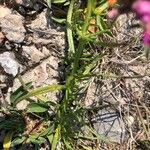
Senecio leucanthemifolius
Coastal ragwort
Description
Source: leafsnapSenecio leucanthemifolius is a plant common in sea-side in Mediterranean area.
Care Guide
💧 Water
Coastal ragwort thrives in coastal environments, needing regular moisture and adapting well to saline conditions. To promote healthy growth, it should be watered weekly. Normally grown outdoors, coastal ragwort flourishes in well-draining, moist soil that mimics its natural habitat.
☀️ Light Full sun
Coastal ragwort comes from bright, open environments where it flourishes in full sun. It can tolerate partial sun but prefers direct sunlight for optimal growth. This annual and biennial plant is known for its sun-loving nature.
What are the sunlight requirements for Coastal Ragwort (Senecio leucanthemifolius)?
Coastal Ragwort (Senecio leucanthemifolius) thrives in various sunlight conditions. It requires full sun, which means it should receive above 6 hours of sunlight daily, to flourish optimally. However, it can also grow in partial sun, where it would get about 3-6 hours of sunlight. When planning where to plant your Coastal Ragwort, it's important to observe the patterns of sunlight through your garden. Selecting the right spots that offer a balance between light and shade will ensure your plant's happiness and healthy growth.
🌡️ Temperature 20–37.8°C
Coastal ragwort can tolerate a wide range of temperatures, but its distribution may still be restricted by particular combinations of moisture and heat. It does best in warm summer conditions with sufficient rainfall or watering. Extended periods of cloudy, rainy weather, as well as prolonged high temperatures, can raise the likelihood of Coastal ragwort dying. In winter, proper protection from cold can increase the plant's survival rate.
💨 Humidity
🪴 Soil 6-7
🌱 Fertilizer
Coastal ragwort are regarded as heavy feeders in terms of nutrients. They need frequent, low doses of nitrogen and potassium fertilizers, along with periodic applications of phosphorus, micronutrients, sulfur, and magnesium to maintain good growth and bright coloration. Continuous fertilization throughout the growing season is required to prevent deficiency symptoms and maintain optimal growth.
🪴 Pot & Repot
✂️ Pruning
Coastal ragwort is characterized by its daisy-like flowers and gray-green leaves. To encourage bushier growth, enhance flowering, and maintain its shape, it is beneficial to prune the plant systematically from early to late spring. Additionally, regularly removing spent blooms, or deadheading, not only improves the plant's appearance but also prevents the spread of seeds. For more tips on keeping your coastal ragwort healthy, consult reputable sources on disease control.
🌿 Propagating
🐛 Diseases & pets
☠️ Toxicity
Characteristics
- Plant Type
- Herb
- Life Cycle
- Biennial
- Genus
- Senecio
- Family
- Asteraceae
- Hardiness Zone
- 9-11
- Mature Height
- 30 cm to 61 cm
- Mature Spread
- 20 cm to 40 cm
- Leaf Color
- Green, Dark Green
- Leaf Type
- Semi-evergreen
- Flower Color
- Yellow
- Flower Size
- 2.03 cm to 3.05 cm
- Bloom Time
- Spring
- Planting Time
- Spring, Summer, Autumn
- Harvest Time
- Late spring, Early summer, Mid summer