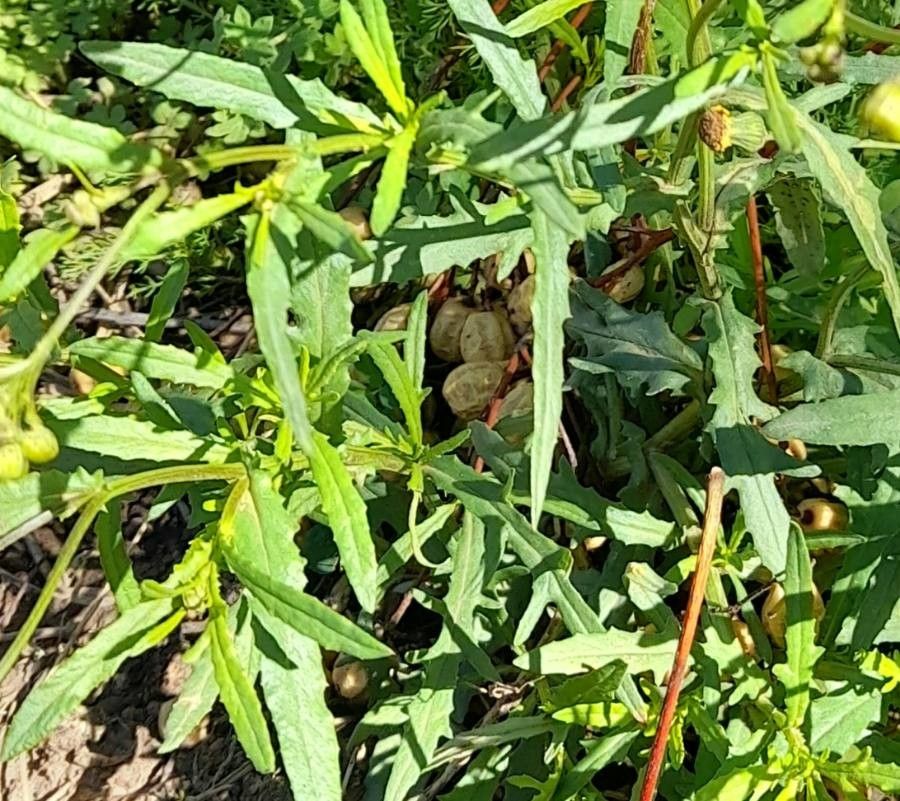
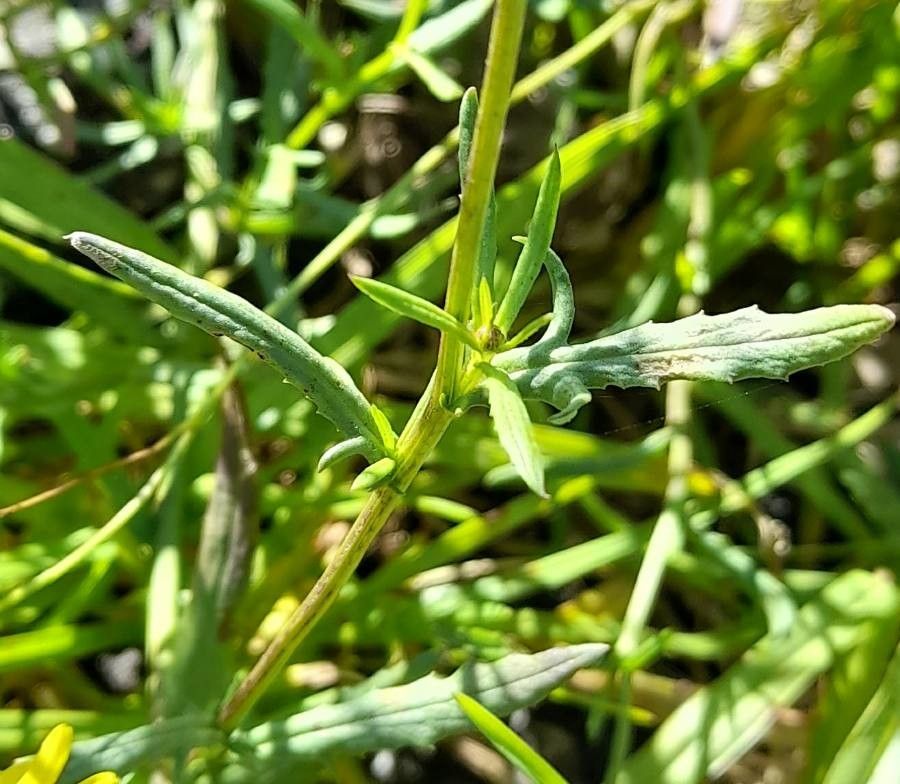
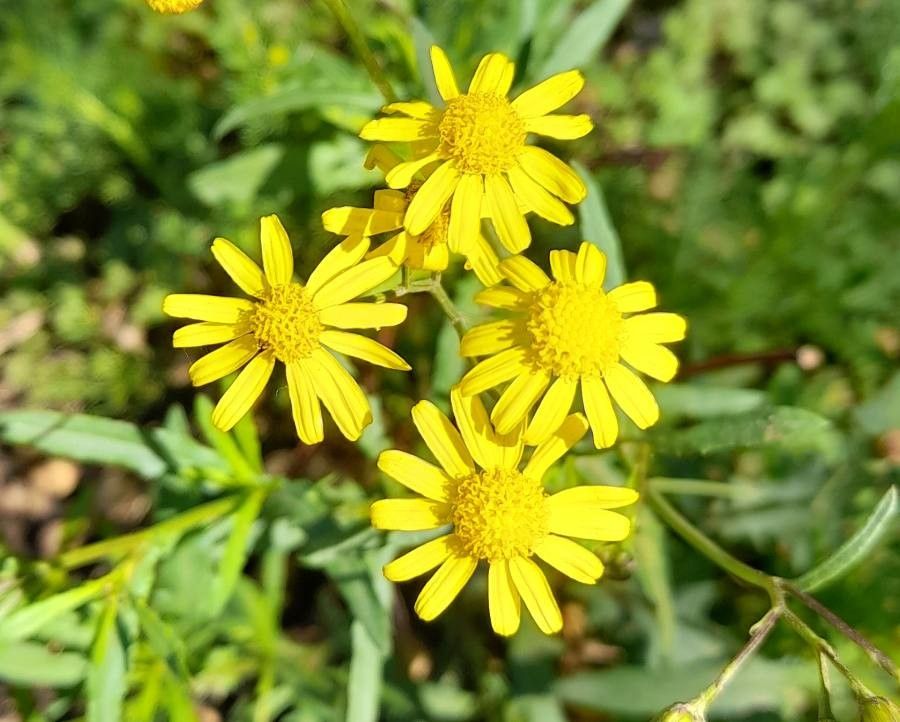
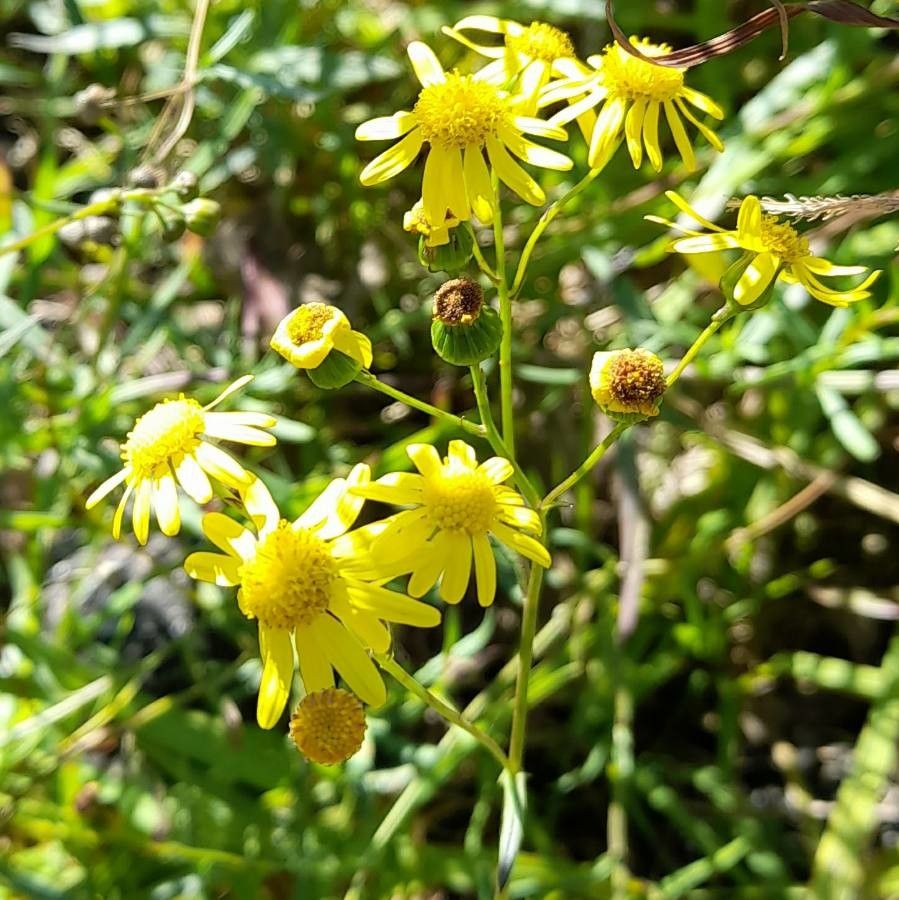
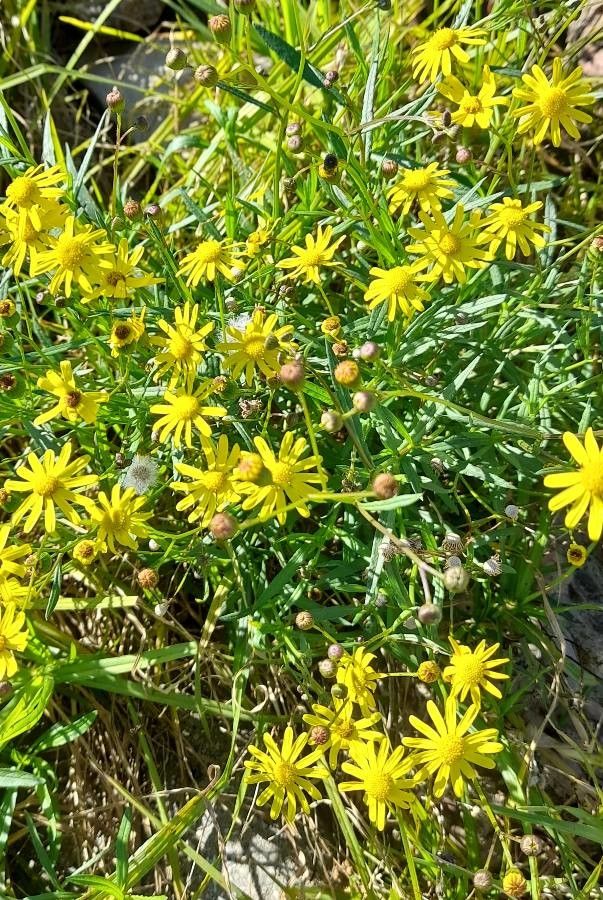
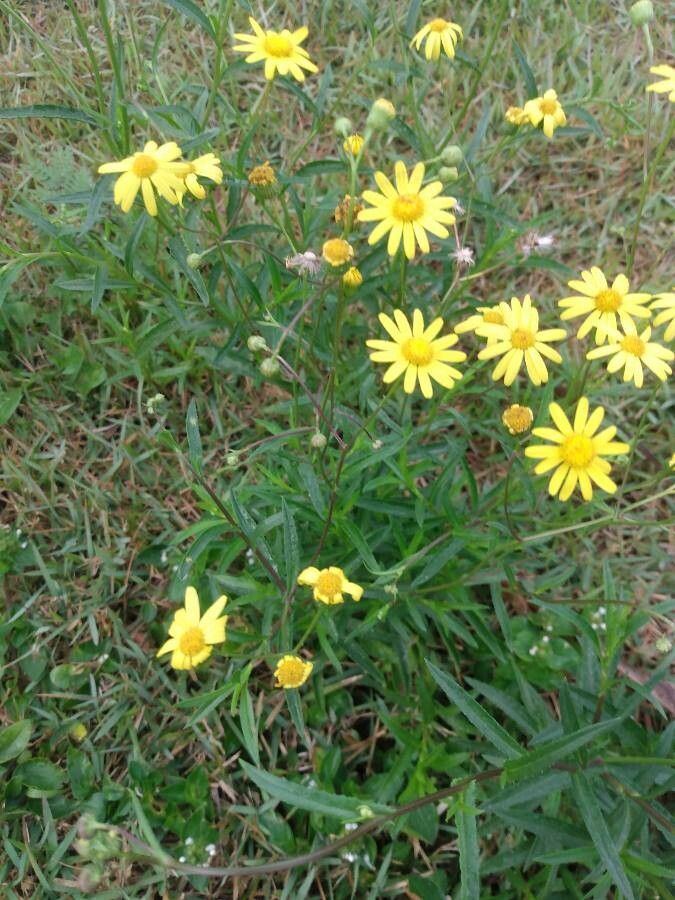
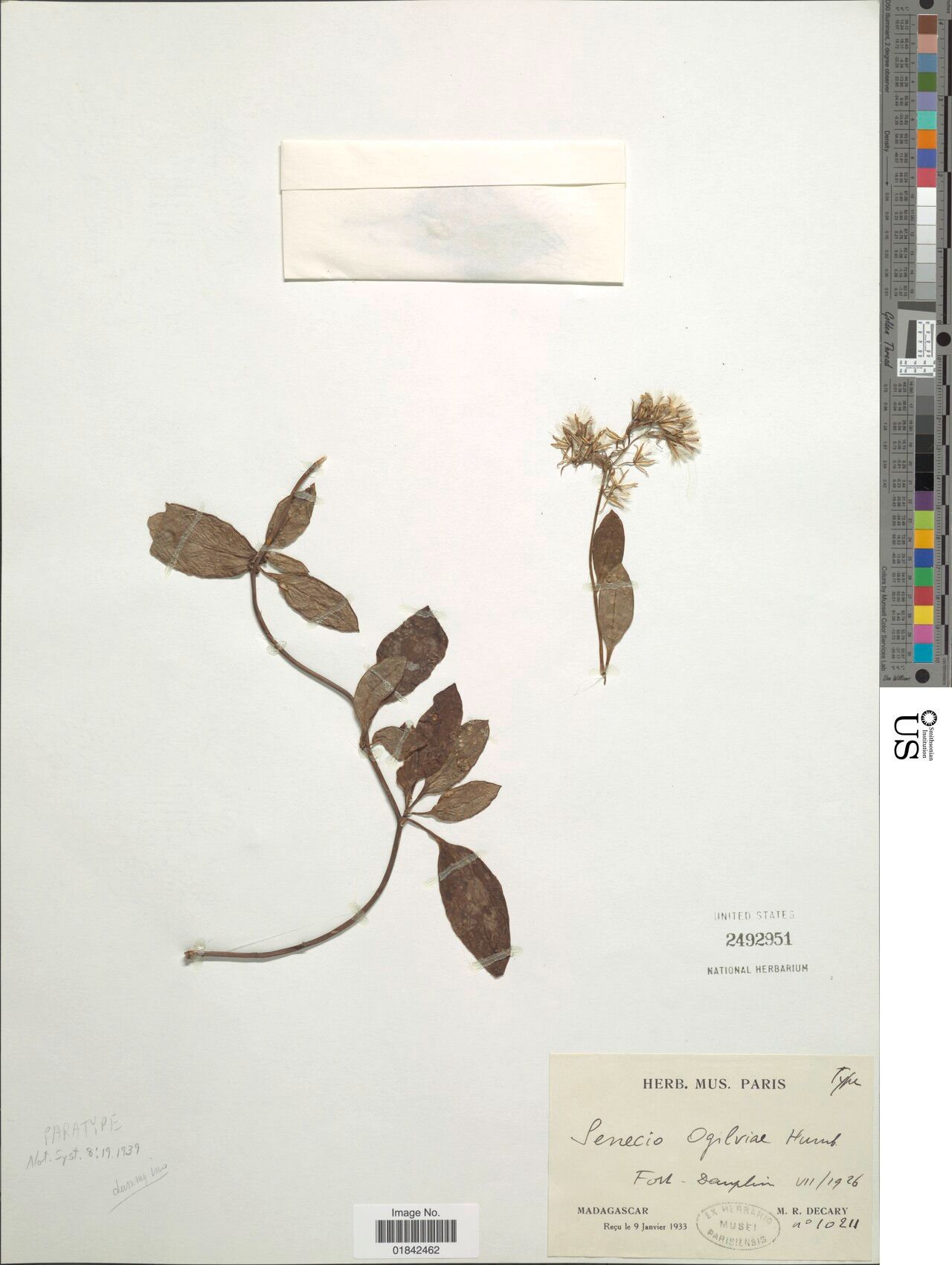
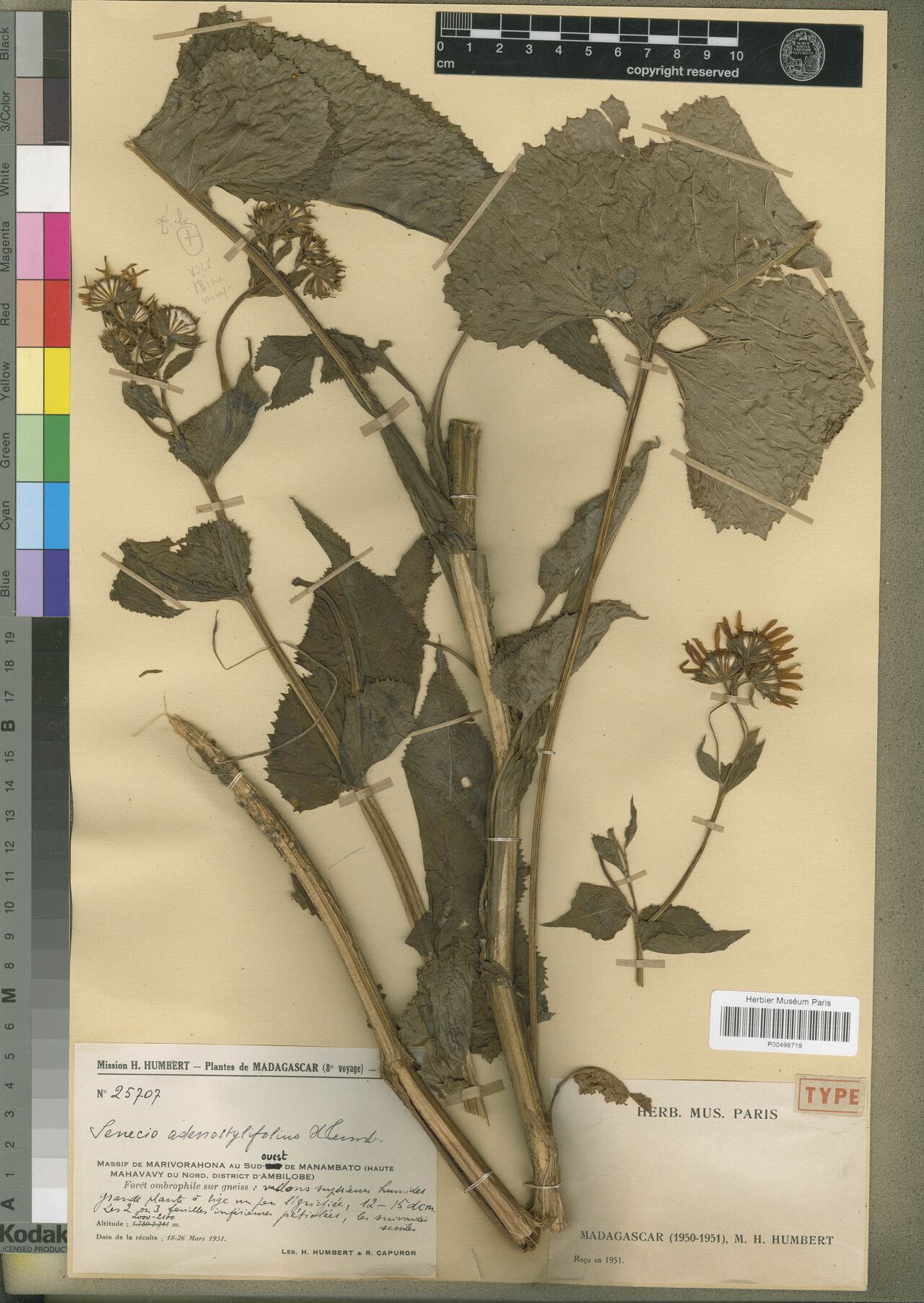
Senecio madagascariensis, also known as Madagascar ragwort, is a species of the genus Senecio and family Asteraceae that is native to Southern Africa. Other common names include Madagascar groundsel and fireweed. It has been included on the noxious weeds list for Hawaii and the reject list for Australia.S.madagascariensis is the diploid cytotype of S.inaequidens.
Madagascar ragwort has strong disease resistance and is generally not prone to illnesses. However, it can be vulnerable to pests and diseases present in its environment. These infections are usually mild. In terms of care, this plant requires moderate maintenance. It should be pruned regularly to keep a good appearance and support healthy growth. Fertilizing can also help encourage flowering. Madagascar ragwort is suitable for anyone with outdoor space, such as a garden or patio, and does not need extensive care experience. It may demand more attention when grown indoors.
How to keep Senecio Madagascariensis.
Light
The madagascar ragwort grows best when exposed to bright light for most of the day. It can tolerate moderate light, but this may impede optimal growth. Originating from regions with abundant sunshine, it prefers strong light exposure. Both excessive and insufficient light can harm the madagascar ragwort's health.
Water
Madagascar ragwort, native to subtropical climates, thrives with consistent moisture and moderate humidity. To promote healthy growth, it should be watered weekly. Its strong root system efficiently utilizes water, especially during seasonal rains. When grown outdoors, it benefits from natural precipitation, which enhances its adaptability.
Temperature
Madagascar ragwort comes from regions with mild to warm climates and prefers temperatures of 68 to 95 °F (20 to 35 ℃). In colder seasons, adjust its care by keeping it warm indoors to recreate its natural environment.
Fertilizer
Madagascar ragwort does well with regular, dilute applications of fertilizer to encourage healthy leaf development. Fertilize Madagascar ragwort about once a month during the summer. Nitrogen is important for foliage, and providing nitrogen-rich sources helps Madagascar ragwort thrive.
Pruning
Madagascar ragwort is known for its bright yellow flowers and tendency to grow invasively. Pruning should be done ideally in early spring by cutting back one-third of the plant. This encourages bushier growth and removes any damaged parts. Pruning also improves air circulation, increases sunlight exposure, and helps control the plant's invasive tendencies. For more detailed information, consult reliable horticultural sources.
Botanical profile.
- Plant Type
- Herb
- Life Cycle
- Annual, Biennial, Perennial
- Genus
- Senecio
- Family
- Asteraceae
- Hardiness Zone
- 8-10
- Mature Height
- 20 cm to 61 cm
- Mature Spread
- 20 cm to 40 cm
- Leaf Color
- Green
- Leaf Type
- Evergreen
- Flower Color
- Yellow
- Flower Size
- 1.02 cm to 2.03 cm
- Bloom Time
- All year round
- Planting Time
- Spring, Summer
- Harvest Time
- All year round
- Native Area
- Mozambique, South Africa, Madagascar, Eswatini, Zimbabwe
Other names.
Reader questions.
How should I water my Madagascar ragwort plant?
To water Madagascar ragwort, you have several options: using a garden hose with a spray nozzle, a watering can, or any common watering tool. This plant is not picky about the type of water it receives, as it can survive on rainwater, tap water, or filtered water. However, it's best to avoid watering from above, as this can harm the leaves and flowers and may cause disease. Setting up a drip irrigation system is often the most effective way to water this plant, as it delivers water evenly and directly to the soil. If you have a container-grown Madagascar ragwort, you can use a cup, watering can, or tap to water it directly into the soil.
What are the sunlight requirements for Madagascar ragwort?
Madagascar ragwort thrives in full sun, needing above 6 hours of sunlight daily, but it can also manage in partial sun with about 3-6 hours of sunlight. It's essential to watch how sunlight moves through your garden to choose spots with the right balance of light and shade, ensuring the plants' health and happiness. Originally from regions with abundant sunshine, Madagascar ragwort prefers strong light exposure for optimal growth, although it can tolerate moderate light.
What temperatures are ideal for Madagascar ragwort?
Madagascar ragwort flourishes in mild to warm climates, preferring temperatures that range between 68 to 95 °F (20 to 35 °C). To mimic its natural habitat, particularly during colder seasons, it's important to maintain indoor warmth. The plant possesses some degree of cold tolerance and typically does not need special care if temperatures stay above 0°C. However, should temperatures drop below freezing, adopting temporary protective measures, such as covering the plant with plastic film, fabric, or other insulating materials, is advisable. Once temperatures warm up, these protections should be promptly removed.
What should I do if I give too much or too little water to my Madagascar ragwort?
The remedy for underwatering Madagascar ragwort is simple. If you notice your plant is lacking moisture, water it more regularly. Overwatering, on the other hand, can be a serious problem if not caught early. Overwatered plants can develop diseases that cause them to decline and die. To prevent this, choose a growing location with plenty of sunlight and good drainage. If you accidentally overwater your potted Madagascar ragwort, consider changing it to a new pot with better drainage. Make sure to add loose soil and use a pot that drains efficiently when repotting.
Why is artificial lighting important for indoor plants?
Artificial lighting becomes crucial for indoor plants, especially when natural sunlight is insufficient, such as during winter or in less sunny spaces. It promotes faster, healthier growth by providing the necessary wavelengths of light. For full sun plants, 30-50W/sq ft of artificial light is recommended; partial sun plants need 20-30W/sq ft, and full shade plants require 10-20W/sq ft. The right type of light, such as LED lights, should be chosen for their ability to offer specific wavelengths needed by plants. The light source should be placed 12-36 inches above the plant to mimic natural sunlight, and most plants benefit from 8-12 hours of light per day.
How does Madagascar ragwort respond to low temperatures?
Madagascar ragwort has a moderate tolerance to low temperatures, thriving best when the mercury stays above 20°C. During the winter season, it's crucial to keep the plant above 0°C. Exposure to temperatures below -10°C may cause the leaves to droop; while they can recover in mild cases, severe exposure can lead to wilted leaves that eventually fall off. To counteract frost damage, it's advised to trim off affected parts. To prevent future cold damage, wrapping the plant with non-woven fabric or cloth and setting up a wind barrier for added protection against cold winds is beneficial.
How much should I water my Madagascar ragwort?
To ensure the healthy growth of your Madagascar ragwort, it is important to provide regular water throughout the growing season. In the spring, watering once a week is sufficient. However, as the season progresses and temperatures rise, you may need to increase watering to two to three times a week. It is important not to exceed this rate, as it can harm the plant. Additionally, make sure the soil remains moist but not overly wet, regardless of how often you need to water. For potted Madagascar ragwort, the watering needs are slightly different. Potted soil tends to dry out faster than ground soil due to increased heat. Therefore, you should plan to water container-grown plants a few times per week, as opposed to just once a week for those planted in the ground.
What are the common symptoms of light deficiency in Madagascar ragwort?
When cultivated indoors with inadequate light, Madagascar ragwort may show symptoms of light deficiency, including smaller new leaves compared to mature ones, leggy or sparse growth, faster leaf drop, slower or stopped growth, and lighter-colored new leaves. These symptoms indicate the plant is struggling due to insufficient light, affecting its health and growth.
How should Madagascar ragwort be cared for in high temperatures?
In the summer, it's important to ensure that Madagascar ragwort's environment remains below 35°C. When temperatures soar above 41°C, the plant may exhibit signs of stress such as lighter leaf color, dry and withered leaf tips, curled leaves, and an increased vulnerability to sunburn. To minimize heat stress, affected parts should be trimmed away. Moving the plant to a shaded location or using a shade cloth can protect it from the intense midday and afternoon sun. Additionally, watering the plant in the morning and evening helps keep the soil adequately moist, further aiding in cooling.
How much water does my Madagascar ragwort plant require?
Determining how much water to give to your Madagascar ragwort can be approached in a few different ways. One method is to feel the soil for moisture and water until the first six inches of soil feel moist. Another option is to use a set measurement, such as giving your plant about two gallons of water per week, depending on temperature and soil dryness. However, sticking to strict guidelines may result in overwatering if your plant requires less water. When growing Madagascar ragwort in a container, a different method is needed. You should water enough to moisten all layers of dry soil, which can be tested by inserting your finger into the soil or watering until you see excess water trickling from the pot's drainage holes.
What are the signs of excessive sunlight exposure in plants?
Excessive sunlight exposure can lead to chlorosis, where leaves lose their green color and turn yellow due to chlorophyll breakdown. Sunscald, leaf curling, wilting, and leaf scorching are other harmful effects, showing as damaged plant tissues, drooping structures, or dry and crispy leaf edges, which overall reduce the plant's health and vitality.
How can I know if I'm giving enough water to my Madagascar ragwort?
Avoiding overwatering your Madagascar ragwort can be challenging due to conflicting needs. On one hand, these plants have deep roots that require weekly watering. However, overwatering can lead to root rot and browning. Underwatering is less likely as these plants can survive without extra watering for some time. However, prolonged lack of water can cause wilting and dry leaves.