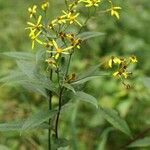
Senecio ovatus
Wood Ragwort
Description
Source: leafsnapSenecio ovatus, commonly known as Oval-leaf Groundsel, is a species of flowering plant in the Asteraceae family. Native to South Africa, this plant can be found in a variety of habitats, including grasslands, savannas, and forests. The plant exhibits a shrubby growth habit with woody stems that can reach up to 1 meter in height. The leaves are oval-shaped with toothed edges and are alternately arranged on the stem. Small, yellow flowers are clustered at the ends of branches, adding a splash of color to the plant. Senecio ovatus is known for its medicinal properties, as it contains compounds with anti-inflammatory effects. Traditionally, it has been used to treat various ailments such as coughs, colds, and fever. In addition to its medicinal uses, Senecio ovatus is also popular among gardeners for its ornamental value. Its attractive foliage and bright yellow flowers, which bloom from late winter through spring, make it a desirable addition to gardens. However, it is important to note that Senecio ovatus contains toxic compounds that can be harmful if ingested by humans or animals. Therefore, caution should be exercised when handling or planting this species.
Care Guide
💧 Water Every 7 days
Wood ragwort flourishes in moist woodland settings, favoring consistently damp—though not waterlogged—soil. Watering it weekly helps maintain the right level of moisture. This plant can thrive in gardens with shaded areas that receive dappled sunlight. It benefits from both natural rainfall and well-managed supplemental watering.
How should I water my Wood ragwort in the best way?
To properly water the Wood ragwort, it's best to use filtered water at room temperature. Tap water may have harmful particles that can affect the plant's health. Since the Wood ragwort originates from a warm environment, it's important to avoid using cold water as it can be a shock to its system. Additionally, overhead watering should be avoided to prevent foliage complications. Instead, gently apply the filtered room temperature water directly to the soil until it is completely saturated. This method helps to moisten the roots and enables them to spread through the soil and gather the necessary nutrients for the plant's well-being.
What should I do if I give my Wood ragwort too much or too little water?
The health of your Wood ragwort can be negatively impacted by both overwatering and underwatering. However, overwatering is a more common issue. When the Wood ragwort receives too much water, its stems and leaves may wilt and turn yellow. Overwatering for a long time can also lead to diseases like root rot, mold, and mildew, which can be fatal for the plant. While underwatering is less common due to the plant's drought tolerance, it is still a possibility. In such cases, the leaves of the Wood ragwort may become brittle and brown. It is important to recognize the signs of overwatering early on. Some diseases caused by overwatering, such as root rot, may not be reversible if not addressed promptly. If you notice early signs of overwatering, reduce your watering schedule immediately. You should also check the soil quality of your Wood ragwort's growing environment. If the soil drains poorly, replace it with a loose and well-draining potting mix. Conversely, if you observe signs of inadequate watering, increase the frequency of watering until those signs dissipate.
How often should I water my Wood ragwort plant?
If your Wood ragwort plant is in a pot, the most accurate way to determine if it needs water is by sticking your finger into the soil. If the top two to three inches of soil feel dry, then it's time to water it. The same method can be used if you're growing the Wood ragwort outdoors in the ground. Again, if the top few inches of soil are dry, it's time to give it some water. Typically, during spring and early fall, you'll need to water this plant about once a week. However, during extremely hot weather, you might have to water it twice or even more per week. Nevertheless, mature and well-established Wood ragwort plants have an impressive ability to withstand drought.
How much water does my Wood ragwort plant need?
To water your Wood ragwort effectively, don't hold back on the amount of water you give it. Wait for the top 2-3 inches of soil to dry before watering, and then give the plant a thorough watering so that the soil is completely soaked. Make sure to add enough water that it flows out of the drainage holes at the bottom of the pot. If you don't see any excess water draining, it means you haven't watered enough. However, be sure not to let water accumulate in the soil, as this can harm the plant. On the other hand, if water doesn't drain properly, it may be due to poorly draining soil, which is not good for the plant's health. If the plant is outside, 1 inch of rain per week should be enough.
How do I water my Wood ragwort at different times when it is growing?
The water needs of the Wood ragwort can vary depending on its growth stages. When the plant is in its early years or has recently been transplanted, it requires more water than usual. During these stages, the Wood ragwort focuses on developing new roots, which requires additional moisture. As the plant matures, its water requirements decrease. However, another growth stage that may demand more water is the bloom period, as the flower development consumes a significant amount of moisture. Therefore, you may need to increase watering during this time.
☀️ Light Full sun
Wood ragwort does best in locations with plenty of sunlight, though it can tolerate spots where the sun is partly blocked. Its vigor and development are greatly improved by abundant light. In its native habitat, wood ragwort prospers in sunny conditions. Excessive shade may impede its growth and could cause harmful effects.
What are the sunlight requirements for Wood Ragwort?
Wood Ragwort requires full sun, defined as more than 6 hours of sunlight daily, to thrive. However, it can also adapt to partial sun conditions, approximately 3-6 hours of sunlight. Ensuring the right balance of light and shade is crucial for optimal growth and health of the plant. It's essential to observe how sunlight moves through your garden to identify the perfect spots for planting, as Wood Ragwort flourishes best in sun-soaked environments.
How can you use artificial lighting to support Wood Ragwort's growth indoors?
When natural sunlight is insufficient, especially during winter or in less sunny spaces, artificial lighting becomes essential for the growth of Wood Ragwort indoors. The right type of artificial light, such as LED lights, can provide the specific wavelengths needed for the plant's growth. For full sun plants, 30-50W per square foot is recommended; for partial sun plants, 20-30W per square foot; and for full shade plants, 10-20W per square foot. The light source should be placed 12-36 inches above the plant, mimicking natural sunlight as closely as possible. Additionally, simulating natural daylight hours, most plants will need 8-12 hours of light per day.
What are the symptoms of light deficiency in Wood Ragwort?
Wood Ragwort may show several signs of light deficiency when it doesn't receive enough sunlight, including smaller new leaves, leggy or sparse growth, faster leaf drop, slower or halted new growth, and lighter-colored new leaves. Chlorosis, or the loss of the green color in leaves, along with symptoms like sunscald, leaf curling, wilting, and leaf scorching, can also occur due to insufficient or excessive sunlight. These symptoms highlight the importance of providing adequate sunlight or artificial light to maintain the plant's health.
What steps should be taken to improve Wood Ragwort's light exposure?
To improve Wood Ragwort's light exposure, especially for indoor plants, you can gradually move them to sunnier locations to receive at least 6 hours of direct sunlight daily. Utilizing a south-facing window and keeping curtains open during the day can maximize sunlight exposure. If the plant is large or not easily movable, consider supplementing with artificial light, such as keeping a desk or ceiling lamp on for at least 8 hours daily or using professional grow lights. For outdoor plants, gradually acclimate them to brighter spots to prevent sunburn. Also, identifying and reducing obstructions, like pruning trees, or transplanting the plant during its dormant period to a location with ample sunlight and good drainage, can significantly benefit its growth.
🌡️ Temperature 5–32.2°C
Wood ragwort can tolerate a wide range of temperatures, though its distribution may still be restricted by particular combinations of moisture and heat. It performs best in warm summer conditions with sufficient rainfall or watering. Prolonged spells of cloudy, rainy weather, as well as extended high temperatures, can raise the chance of Wood ragwort dying. In winter, adequate protection from cold can increase the plant’s survival rate.
What is Wood Ragwort?
Wood Ragwort, botanically known as Senecio ovatus, is a plant species. The provided information does not include details regarding its essentials or symptoms associated with it.
💨 Humidity
🪴 Soil 6-7
🌱 Fertilizer
One fertilizer application in spring is generally enough for Wood ragwort, though repeated feedings can produce the best growth. Fertilize about every month to six weeks. Feeding improves the leaves' appearance and performance, helping them keep an even color and healthy texture. It also promotes root development and nutrient uptake, supporting the plant's long-term health.
🪴 Pot & Repot
✂️ Pruning
Wood ragwort, known for its bright yellow flowers, thrives in well-drained soils. To encourage healthy growth, it is advisable to prune the plants from early to late spring by removing any dead stems. Additionally, pinching the young shoots can help promote bushiness and more abundant blooms. Make sure to use clean tools to prevent disease, and remember that regular pruning not only improves the plant's appearance but also its overall health.
🌿 Propagating
🐛 Diseases & pets
☠️ Toxicity
Characteristics
- Plant Type
- Herb
- Life Cycle
- Perennial
- Genus
- Senecio
- Family
- Asteraceae
- Hardiness Zone
- 6-9
- Mature Height
- 0.49 m to 1.52 m
- Mature Spread
- 30 cm to 61 cm
- Leaf Color
- Green, Dark Green
- Leaf Type
- Semi-evergreen
- Flower Color
- Yellow, Gold
- Flower Size
- 1.02 cm to 2.03 cm
- Bloom Time
- Late spring, Early summer, Mid summer
- Planting Time
- Spring, Summer
- Harvest Time
- Mid summer