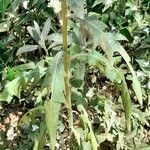
Senecio pterophorus
African daisy · Shoddy ragwort · Wing-groundsel · South African daisy
Care Guide
💧 Water
The African daisy flourishes in regions with seasonal rainfall and demonstrates moderate drought tolerance. It prefers consistent moisture, requiring weekly watering. Often cultivated outdoors, the African daisy benefits from natural rainfall. As an evergreen plant, it needs regular hydration throughout the year, with special care taken during the growing season to avoid overwatering.
How should I water my African daisy?
To properly water the African daisy, it is best to use filtered water at room temperature. Tap water may have harmful particles, so filtering is important. The African daisy prefers warm water because it is used to a warm environment, and cold water can be a shock. It is also advisable to avoid watering the plant from above, as it can cause problems with the foliage. Instead, water the soil directly with filtered room temperature water until it is completely soaked. This helps the roots stay moist and continue to spread in the soil for proper nutrient absorption.
What do I do if I give my African daisy too much or too little water?
Overwatering is a common issue that can harm your African daisy. It can cause wilting, yellowing of the stems and leaves, and even diseases like root rot, mold, and mildew that can kill the plant. Underwatering is less common, but can still happen and result in brittle, brown leaves. It's important to recognize the signs of overwatering early and adjust your watering schedule accordingly. If the soil drains poorly, replace it with a well-draining mix. If your plant is not getting enough water, simply increase the frequency of watering until the signs of dryness disappear.
How often should I give water to my African daisy?
If you have your African daisy in a pot, the best way to determine if it needs water is by sticking your finger in the soil. When the top two to three inches of soil are dry, it's time to water it. If you're growing your African daisy outdoors in the ground, you can use a similar method to test the soil. When the first few inches of soil have dried out, it's time to water. In spring and early fall, you'll likely need to water it about once a week. During extremely hot weather, you may need to increase watering to twice a week or more. It's worth noting that mature, well-established African daisies can withstand drought quite well.
How much water does my African daisy require?
To properly water your African daisy, don't hold back on the water. Wait until the top two to three inches of soil have dried out, then give the plant a good, thorough watering. Make sure to soak the soil completely. You should add enough water so that it flows out of the drainage holes at the bottom of the pot. If you don't see excess water draining, you may not have given enough water. However, be cautious of water accumulating in the soil, as that can harm the plant. If water is not draining well from the pot, it could be a sign of poorly draining soil, which is bad for the plant's health. If the plant is outside, about 1 inch of rain per week is sufficient.
How do I water my African daisy when it's growing at different stages?
The water requirements of the African daisy can vary depending on its growth stages. When the plant is in its early years or has recently been transplanted, it needs more water than usual. During these stages, the plant focuses on developing new roots, which requires more moisture for optimal growth. After a few seasons, the African daisy requires less water. Another growth stage that demands more water is the bloom period when the plant is developing flowers. During this time, the plant utilizes significant amounts of moisture, so additional watering might be necessary.
☀️ Light Full sun
African daisy prefers a spot that receives generous sun for most of the day, though it tolerates locations that get sunlight only part of the day. It originates from environments where the landscape is richly sunlit. Too little light will impair its growth, and too much can scorch the leaves.
What are the sunlight requirements for an African Daisy?
The African Daisy thrives best in full sun, requiring more than 6 hours of sunlight a day, but it can also tolerate partial sun, getting about 3-6 hours of sunlight daily. It's important to observe the movement of sunlight through your garden to identify spots that provide the right balance of light and shade, ensuring the plant's well-being and optimal growth.
How crucial is sunlight for the growth of African Daisy, and what are the effects of insufficient sunlight?
Sunlight is paramount for the African Daisy, originating from regions bathed in generous sunlight. Insufficient sunlight negatively impacts the plant's growth, leading to symptoms like small or pale leaves, leggy growth, accelerated leaf drop, and halted new growth. Chlorosis and sunscald are among the conditions that can arise from inappropriate sunlight exposure.
Can artificial lighting be used for African Daisies? If so, how?
Yes, artificial lighting can support the growth of African Daisies, especially indoors where natural sunlight may be inadequate, like in winter. LED lights are highly recommended as they can be tailored to provide specific wavelengths needed by the plants. For full sun plants, 30-50W/sq ft of artificial light is needed, 20-30W/sq ft for partial sun plants, and 10-20W/sq ft for full shade plants. The artificial light source should be placed 12-36 inches above the plant and turned on for 8-12 hours daily to imitate natural sunlight.
What solutions are available for addressing light deficiencies with African Daisies?
To combat light deficiencies, gradually increase the plant's exposure to sunlight by moving it to sunnier spots each week until it achieves at least 6 hours of direct sunlight daily, ideally using a south-facing window for indoor plants or a well-lit outdoor spot. If natural sunlight is insufficient, particularly for large or immovable plants, consider using artificial lighting, such as desk lamps or professional grow lights, keeping them on for at least 8 hours a day. Additionally, minimizing obstructions like overhanging branches or relocating smaller plants to sunnier locations can help increase sunlight exposure.
🌡️ Temperature 20–37.8°C
The African daisy displays good temperature adaptability, tolerating high heat and considerable temperature swings. In hot weather, attention should be paid to watering and providing suitable shade to prevent sunburn. Conversely, the African daisy is relatively sensitive to low temperatures. While it can endure some cold, extremely low temperatures can cause frost damage.
💨 Humidity
🪴 Soil 6-7
🌱 Fertilizer
The ideal time to fertilize an African daisy is in early spring, when it is coming out of dormancy and beginning active growth. Fertilizing supplies essential nutrients for healthy growth. Although an African daisy has relatively low fertilizer needs, fertilizing it annually can improve its survival and encourage better, longer-lasting flowers.
🪴 Pot & Repot
✂️ Pruning
To keep African daisies in top condition, it's important to prune them regularly, particularly from early to late spring. Removing spent flowers and dead stems encourages new blooms and enhances airflow. Additionally, thinning out dense growth helps prevent disease, ensuring the plant remains healthy and produces abundant and vibrant flowers.
🌿 Propagating
🐛 Diseases & pets
☠️ Toxicity
Characteristics
- Plant Type
- Herb, Shrub
- Life Cycle
- Perennial
- Genus
- Senecio
- Family
- Asteraceae
- Hardiness Zone
- 9-11
- Mature Height
- 0.76 m to 1.52 m
- Mature Spread
- 2.13 m to 2.44 m
- Leaf Color
- Green, Dark Green
- Leaf Type
- Semi-evergreen
- Flower Color
- Yellow
- Flower Size
- 10.16 cm to 20.32 cm
- Bloom Time
- Summer
- Planting Time
- Spring, Summer, Autumn
- Harvest Time
- Late summer, Early fall, Mid fall
- Native Area
- South Africa, Lesotho, Mozambique