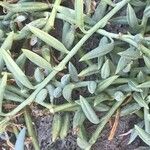
Senecio radicans
String of Bananas · Creeping berries · Fishhook senecio · String of fishhook
Description
Source: leafsnapCurio radicans, syn. Senecio radicans, is a succulent houseplant that is native to South Africa. A member of the family Asteraceae, the asters, this species is closely related to the common string of pearls and Curio hallianus. It has multiple tendrils of glossy, banana-shaped foliage. It is commonly known as string of bananas or fishhook senecio. Like most members of the Curio genus, C. radicans is relatively hardy and easy to grow, making it a great starting point for novice gardeners and those seeking entry to the succulent or container gardening hobbies. An interesting addition to any home or garden, C. radicans is especially good for pots, hanging baskets, succulent gardens, and other areas in need of textural interest.
🌳 String of bananas is widely praised for its durability and distinctive, decorative look, making it a favored indoor choice among succulent fans. Although it is chiefly valued in gardening circles, its succulent traits and capacity to survive in dry environments suggest it could have wider uses. For example, it might be applied in sustainable landscaping to cut down on water use and help sustain green areas in drought-prone regions. Its strong, flexible stems could also provide inspiration for biomimetic design, though such applications are neither well-documented nor widespread.
Care Guide
💧 Water
☀️ Light Full sun
String of bananas thrives best when exposed to ample sunlight, reflecting the conditions of its native habitat. This supports vigorous growth through its various developmental stages. However, prolonged exposure to overly intense light can damage it, just as insufficient sunlight can impede its healthy growth.
🌡️ Temperature 20–37.8°C
String of bananas does well in warm conditions and requires higher temperatures during the growing season to encourage growth and metabolism. It favors plenty of sunlight, proper moisture levels, and good ventilation. However, it can be damaged by very low temperatures and by overwatering. It's important to maintain a balance and avoid excessively high temperatures as well as overly dry conditions.
💨 Humidity dry (<40%)
This plant prefers dry conditions, so don't mist it. However, watering it less often can also thrive in higher humidity.
🪴 Soil 6-7
🌱 Fertilizer
For String of bananas, light doses of fertilizer once or twice a year during the growing season are sufficient. Avoid fertilizing in winter and in summer when it's dormant. Reduce fertilizer for repotted plants and wait a couple of months after repotting before fertilizing. Fertilizing supports healthy growth and encourages blooms.
🪴 Pot & Repot Every 2 years
When repotting a String of bananas, choose a pot that is just slightly bigger than the current one and has good drainage. Use a gritty, well-draining succulent or cactus potting mix. Gently remove the plant from its old container, brush off excess soil, and place it in the new pot at the same depth. Hold off watering for a few days to allow any root injury to heal. Repot in spring or fall, and keep it in a brightly lit spot.
✂️ Pruning
🌿 Propagating
🐛 Diseases & pets
☠️ Toxicity
Characteristics
- Plant Type
- Succulent
- Life Cycle
- Perennial
- Genus
- Senecio
- Family
- Compositae
- Hardiness Zone
- 9-12
- Mature Height
- 15 cm
- Mature Spread
- 46 cm
- Leaf Color
- Green
- Leaf Type
- Evergreen
- Flower Color
- Yellow
- Flower Size
- 1.02 cm to 2.03 cm
- Bloom Time
- Mid summer
- Planting Time
- Spring, Summer, Autumn
- Harvest Time
- Mid summer, Late summer
- Native Area
- South Africa, Namibia, Lesotho