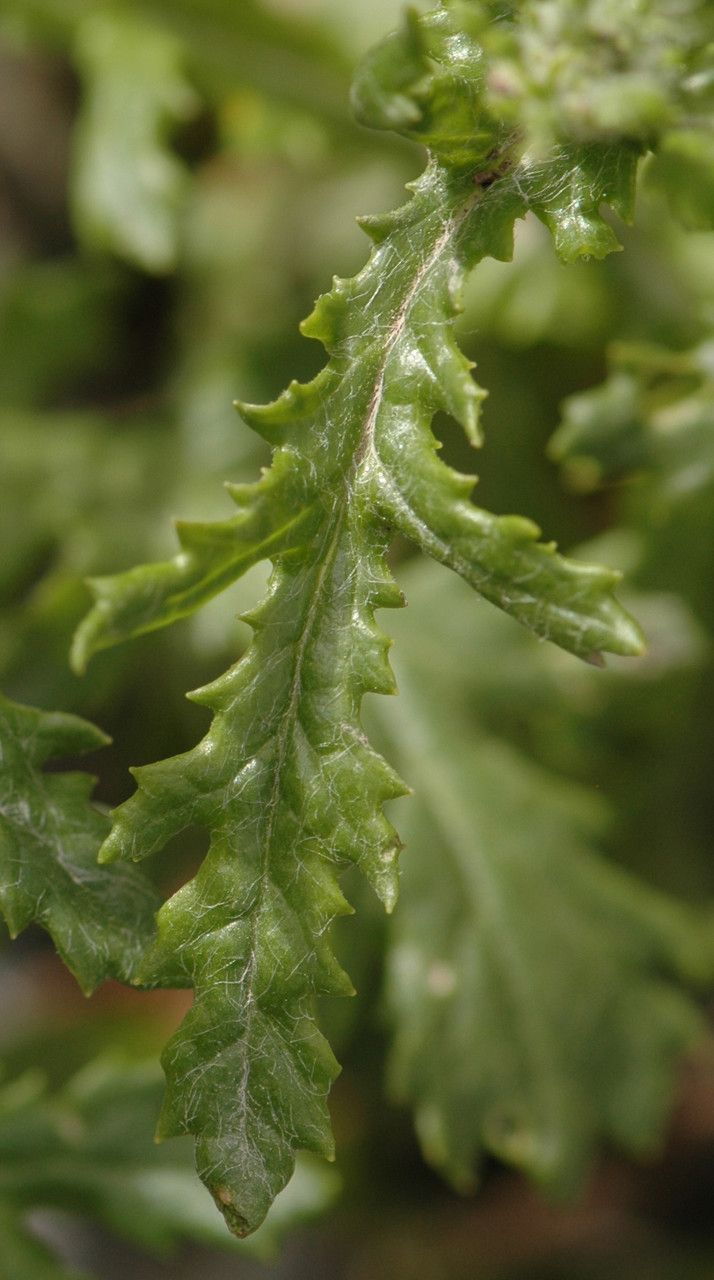
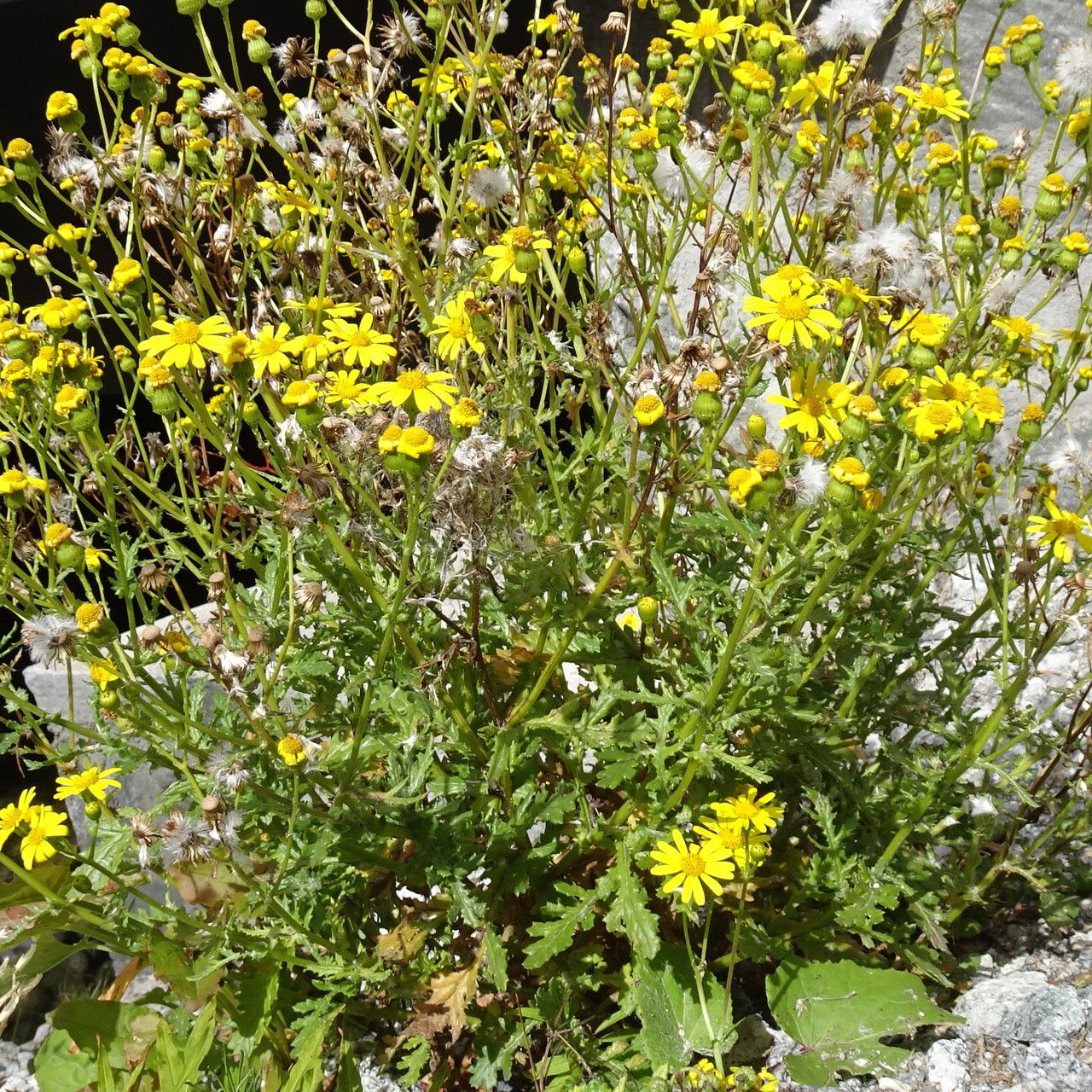
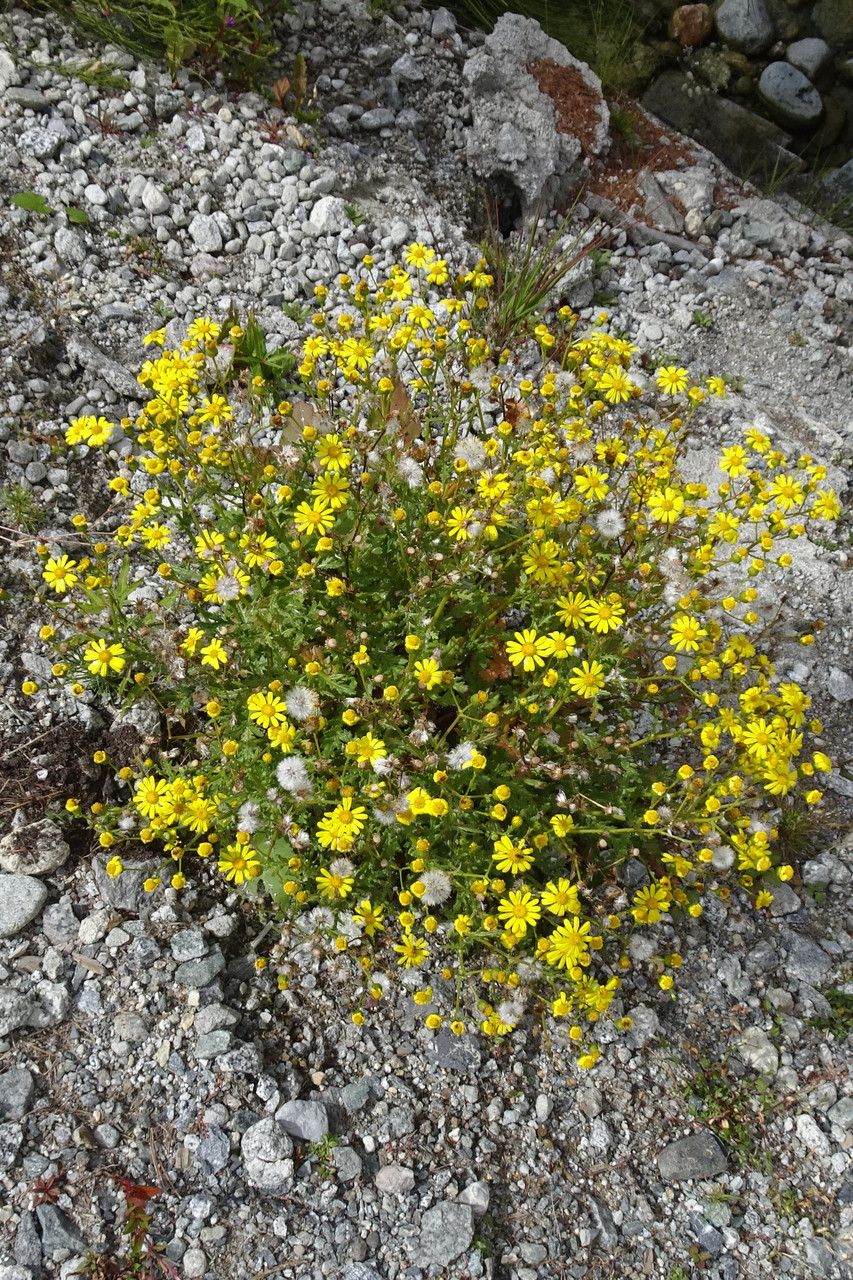
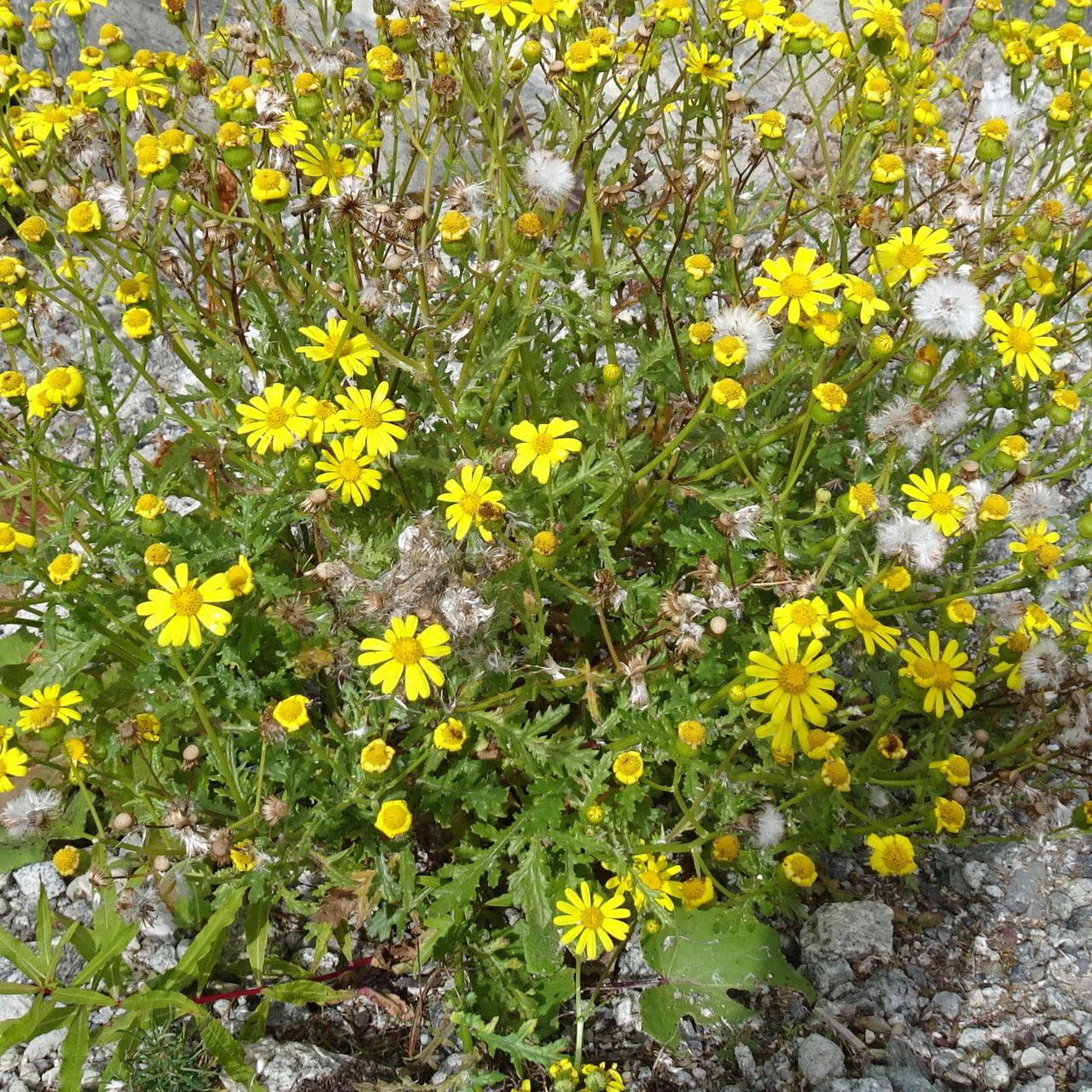
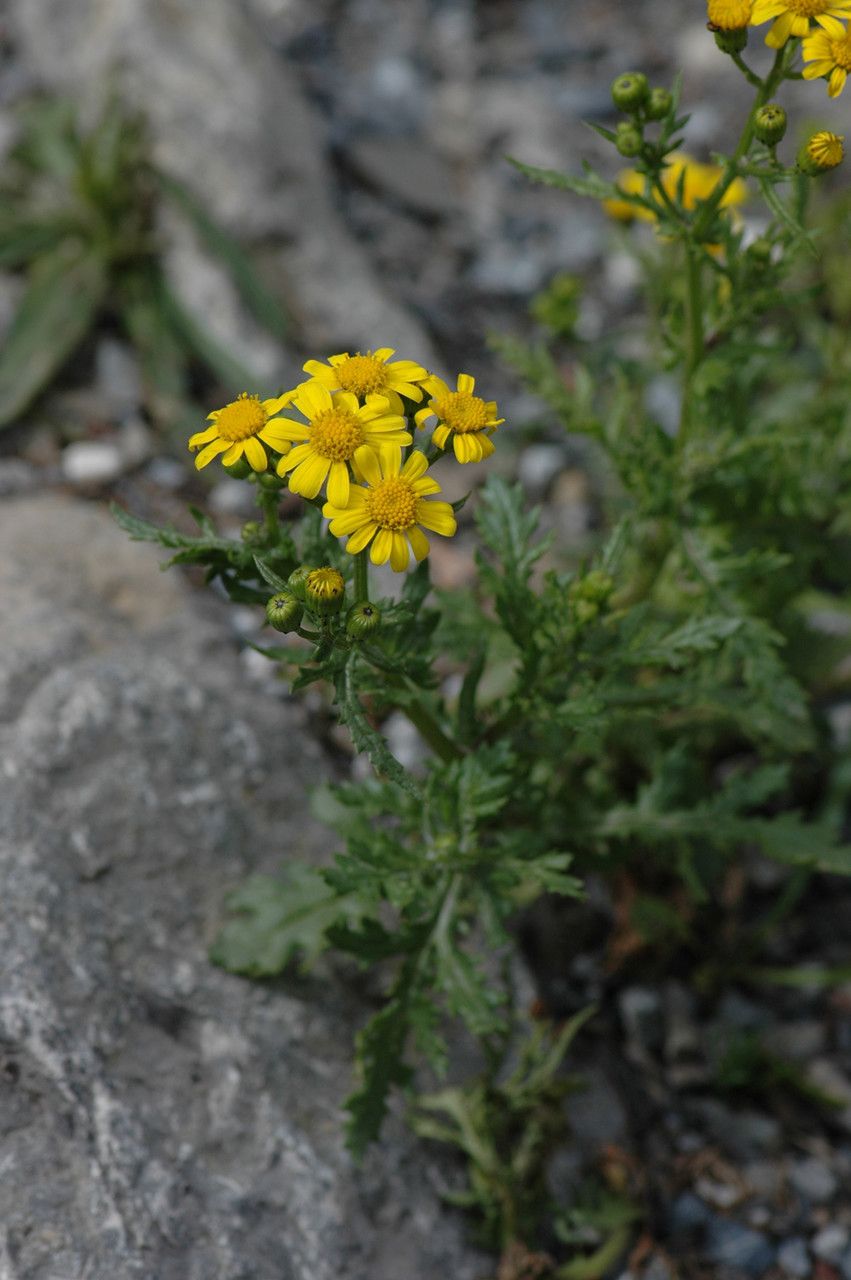
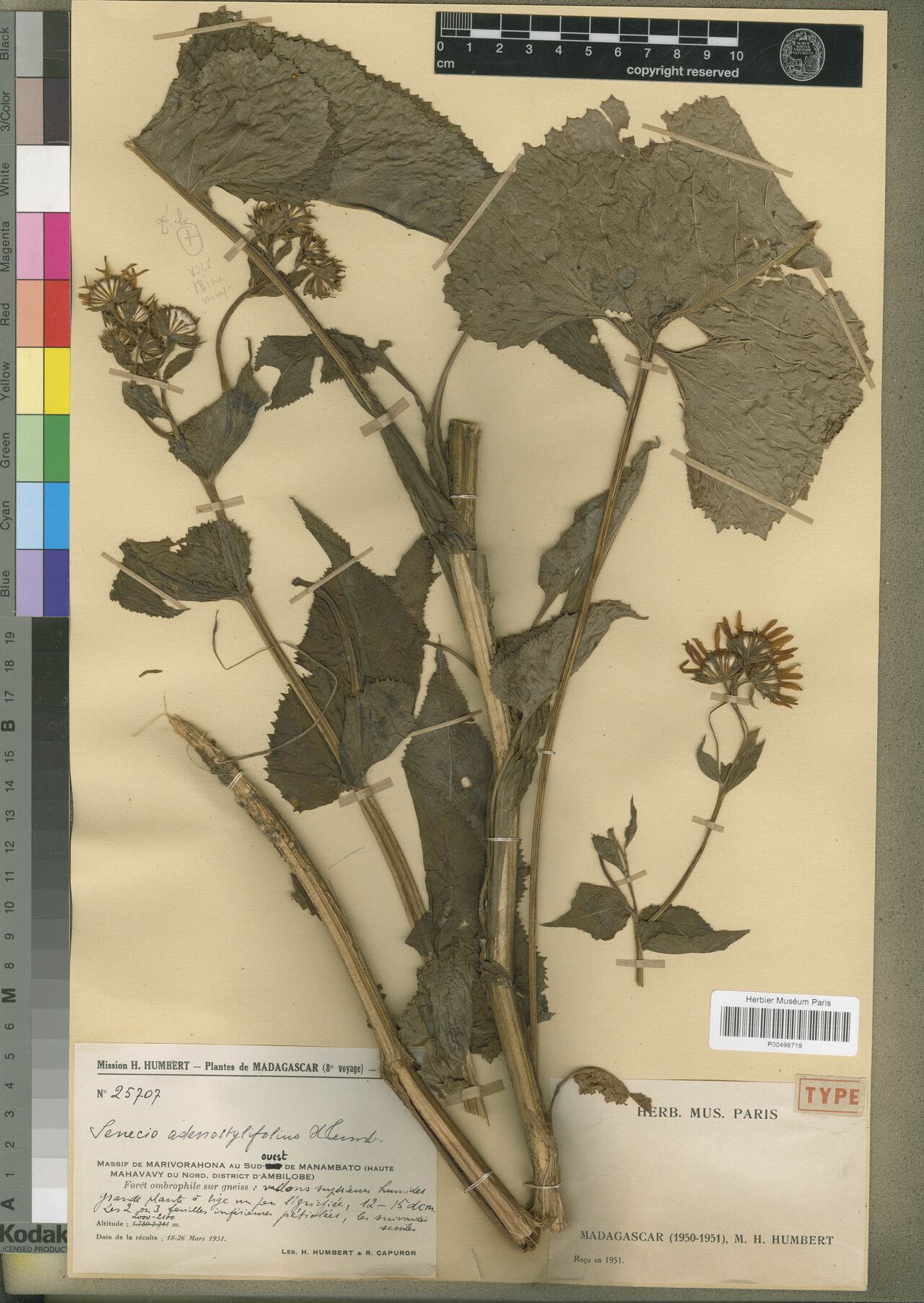
Senecio squalidus, known as Oxford ragwort, is a flowering plant in the daisy family Asteraceae. It is a yellow-flowered herbaceous plant, native to mountainous, rocky or volcanic areas, that has managed to find other homes on man-made and natural piles of rocks, war-ruined neighborhoods and even on stone walls. These habitats resemble its well drained natural rocky homeland. The plants have spread via the wind, rail and the activities of botanists. The travels of this short-lived perennial, biennial, or winter annual make it a good subject for studies of the evolution and ecology of flowering plants.
Rock ragwort is fairly resistant to disease and generally does not tend to get sick easily. However, it can be vulnerable to pests and diseases found in its surroundings. Those infections are typically not serious. For care, the plant needs a moderate level of maintenance. It should be pruned regularly to keep a neat appearance and promote healthy growth. Fertilizing can also help encourage flowering. Rock ragwort is suitable for anyone with outdoor space, such as a garden or patio, and does not require extensive gardening experience. It may need extra care when grown indoors.
How to keep Senecio Rupestris.
Light
Originating from open environments, Rock ragwort is a perennial herbaceous plant that adores the sun and frequently flourishes in meadows and grasslands. While it prefers full sunlight, it has the ability to endure conditions of partial sun as well.
Temperature
Rock ragwort possesses the capacity to accommodate a broad variety of temperature circumstances, though its dispersion could still be confined by varying combinations of hydric and thermal conditions. It flourishes optimally in summertime warm climes when there's sufficient rain or irrigation. Extended spans of overcast and damp weather, together with extended durations of high temperatures, could elevate the chances of Rock ragwort perishing. During the winter, adequate shielding from the chill can enhance the plant's chances of survival.
Fertilizer
The optimal time to fertilize Rock ragwort is in the early spring when the flowers are budding. Proper fertilization promotes improved blossoms and assists in the production of beautiful flowers by the Rock ragwort. Applying fertilizer in the early spring leads to excellent flowers throughout the season and supplies the necessary energy required for the plant's dormant growth stages.
Botanical profile.
- Plant Type
- Herb
- Life Cycle
- Perennial
- Genus
- Senecio
- Family
- Asteraceae
- Hardiness Zone
- 7-10
- Mature Height
- 30 cm to 61 cm
- Mature Spread
- 20 cm to 40 cm
- Leaf Color
- Green, Dark Green
- Leaf Type
- Evergreen
- Flower Size
- 2.03 cm to 3.05 cm
- Bloom Time
- Mid spring, Late spring, Early summer, Mid summer
- Planting Time
- Spring, Summer, Autumn
- Harvest Time
- Summer
Other names.