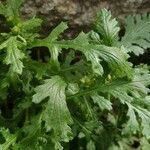
Senecio squalidus
زلف، گونه ای پیر گیاه · گل قاصدک · Oxford ragwort · Oxford groundsel · Ragwort
Description
Source: leafsnapSenecio squalidus, commonly known as Oxford Ragwort, is a perennial herbaceous plant in the Asteraceae family. Native to the Mediterranean region, it has since been introduced and naturalized in various parts of Europe and North America. The plant can grow up to 1 meter tall and produces yellow, daisy-like flowers that bloom from June to September. Its leaves are deeply lobed with toothed edges, giving them a fern-like appearance. Despite its attractive appearance, Oxford Ragwort is considered an invasive species in some regions due to its ability to spread rapidly through self-seeding. Additionally, it can be toxic if ingested by livestock, such as horses or cattle. On the other hand, the plant possesses some medicinal properties and has been traditionally used to treat various ailments, including respiratory problems and skin conditions. Overall, Senecio squalidus is an intriguing plant with both positive and negative aspects, depending on its context and location.
Care Guide
💧 Water Every 7 days
Oxford ragwort flourishes in rocky environments, needing moderate moisture levels without becoming waterlogged. To maintain healthy hydration, it's best to water it weekly, ensuring you avoid over-watering. This plant is hardy in urban areas, adapting well to diverse rainfall patterns. It's also ideal for container gardening, provided you manage its water needs carefully.
How should I water my Oxford ragwort?
To successfully water the Oxford ragwort, it is recommended to use filtered water at room temperature. Tap water may contain harmful particles, so using filtered water is preferred. The water should be at room temperature or slightly warmer because the Oxford ragwort is accustomed to a warm environment, and cold water can be a shock. It is best to avoid overhead watering, as it can cause leaf-related issues. Instead, it is advised to directly apply filtered room temperature water to the soil until it is completely soaked. This benefits the plant by moisturizing the roots and aiding their spread through the soil to gather nutrients.
What can I do if I give my Oxford ragwort too much or too little water?
Overwatering and underwatering both harm your Oxford ragwort, but overwatering is more commonly encountered. Excessive water causes wilting and yellowing of stems and leaves. It can also create diseases like root rot, mold, and mildew, which can be fatal to the plant. While underwatering is less common due to the plant's tolerance to drought, it can still occur and result in brittle, brown leaves. It is vital to recognize the signs of overwatering promptly. Some diseases caused by overwatering, such as root rot, cannot be fixed if neglected. If you notice early signs of overwatering, reduce watering immediately and check the soil's drainage. If the soil does not drain well, replace it with a loose, well-draining potting mix. If your Oxford ragwort lacks water, increase watering until the signs of dehydration disappear.
How often should I water my Oxford ragwort plant?
If your Oxford ragwort plant is in a pot, the most precise way to determine if it needs water is by checking the moisture of the soil. Simply stick your finger into the soil and if you find that the top two to three inches are dry, it's time to water it. If you have your Oxford ragwort planted outdoors in the ground, you can use the same method to test the soil. Once again, if the top few inches of soil have dried out, it's time to give it some water. Typically, during the spring and early fall, following this method will require watering the plant about once a week. However, in extremely hot weather conditions, you might need to increase the frequency to twice a week or even more. It's worth noting that mature and well-established Oxford ragwort plants have the impressive ability to withstand drought.
How much water does my Oxford ragwort plant need?
To properly water your Oxford ragwort, make sure to give it a generous amount of water. Wait until the top few inches of soil are dry, and then thoroughly soak the entire soil. You should add enough water for it to flow through the drainage holes at the bottom of the pot. If you don't see excess water draining, it means you haven't watered enough. However, be careful not to let water accumulate in the soil as it can harm the plant. If there is no drainage, it could indicate poorly draining soil, which is not good for your plant's health. If the plant is outside, 1 inch of rainfall per week is sufficient.
How do I water my Oxford ragwort as it grows?
The water requirements of the Oxford ragwort can vary depending on its growth stages. In the early years or after being transplanted, it requires more water due to the energy it uses to develop new roots for future growth. These new roots require additional moisture compared to more mature phases. However, after a few seasons, the plant will need less water. Another stage that requires increased watering is during the bloom period, as the flower development uses a significant amount of moisture.
☀️ Light Full sun
Oxford ragwort does well with plenty of sunlight and can also grow in places where the sun’s rays are filtered or diffused. In its native habitat the sunlight is strong, which allows it to thrive. Too much exposure can cause it to dry out, while insufficient light can stunt its growth.
What are the sunlight requirements for Oxford ragwort?
Oxford ragwort requires full sun, meaning it thrives in locations that receive above 6 hours of sunlight each day. It can also grow in partial sun, which is about 3-6 hours of sunlight. However, it's crucial to observe how sunlight moves through your garden to find spots that offer the right balance of light and shade, ensuring the plants' optimal growth and happiness.
What are the essentials for growing Oxford ragwort?
Oxford ragwort flourishes in ample sunlight and can also succeed in areas where sunlight is filtered or scattered, thanks to the high intensity of sunlight in its native habitat. However, too much sun can lead to the plant drying out, whereas insufficient sunlight might result in stunted growth. Indoor plants, in particular, require adequate lighting, especially when natural light is lacking, such as in winter or less sunny spaces. Artificial lighting like LED lights, which can be set to provide specific light wavelengths, can help indoor plants grow healthier and faster. For optimal growth, the lighting needs vary depending on whether the plants need full sun, partial sun, or full shade.
What are the symptoms of inadequate sunlight for Oxford ragwort?
When Oxford ragwort doesn't receive enough light, especially indoors during winter, several symptoms can appear. These include smaller new leaves, leggy or sparse growth, faster leaf drop, slower or halted growth, lighter-colored new leaves, and chlorosis, where leaves lose their green color. Too much sunlight can also be harmful, leading to sunscald, leaf curling, wilting, and leaf scorching, which are signs of damage from intense sun exposure. These symptoms showcase the plant's struggle with inappropriate light conditions.
How can I ensure my Oxford ragwort receives the right amount of sunlight?
To ensure your Oxford ragwort gets the right amount of sunlight, gradually move plants to sunnier spots until they receive at least 6 hours of direct sunlight a day. Use south-facing windows for indoor plants and keep curtains open for maximum sunlight. If natural light is insufficient or the plant is not easily movable, consider artificial lighting with at least 8 hours of light daily or professional grow lights. Outdoors, avoid sudden light intensity changes to prevent sunburn. Minimize light obstructions by pruning or transplanting smaller plants to sunnier locations. Remember, parts of the plant that were previously affected may not recover, but new growth will be healthy with improved light exposure.
🌡️ Temperature 20–35°C
Oxford ragwort comes from an environment with milder temperatures and prefers an average range of 68 to 95°F (20 to 35℃). Temperature settings may need to be adjusted with seasonal changes, lowering the thermostat in winter.
What is the ideal temperature range for growing Oxford ragwort?
Oxford ragwort, known botanically as Senecio squalidus, thrives in milder temperatures, favoring a range between 68 to 95°F (20 to 35°C). This heat-loving plant requires adjustments in care with changing seasons, including lowering the indoor temperature during winter months. To ensure healthy growth, it is vital to maintain temperatures above 20°C during winter and avoid exposing the plant to temperatures near or below 5°C, as cold conditions can cause significant harm.
How should Oxford ragwort be cared for in autumn and winter?
With its preference for warmth, Oxford ragwort should be brought indoors during autumn to protect it from cooler temperatures. It's recommended to place the plant near a bright window for sufficient light exposure but keep it away from direct contact with heaters to avoid dry conditions. Ensuring the indoor environment remains above 20°C during winter is crucial for the plant's well-being, while also taking care to avoid exposing it to temperatures close to 5°C which can be detrimental.
What are the signs of low temperature stress in Oxford ragwort and how can they be addressed?
Oxford ragwort is sensitive to low temperatures and shows clear signs of stress when exposed to conditions below its comfort range. If the temperature falls below 1°C, the leaves might lighten in color, and following frost damage, they can turn brown or black, exhibiting symptoms such as wilting and drooping. To address frost damage, trim the affected parts and move the plant to a warmer indoor environment, preferably near a south-facing window for ample sunlight. It's also important to avoid placing the plant too close to heaters or air conditioning vents to prevent air dryness.
How should high temperature and sunlight exposure be managed for Oxford ragwort?
During the hotter months, it’s essential to keep Oxford ragwort's temperature below 35°C to avoid heat stress. Should the temperature exceed 41°C, the plant is at risk of sunburn, indicated by a lightening of leaf color and increased susceptibility to damage. To mitigate these effects, trim away sunburned and dried parts of the plant, relocate it to a shaded area during peak sun hours, and ensure the soil remains moist with regular watering in the morning and evening. Proper sun exposure and temperature management are key during high heat periods.
💨 Humidity
🪴 Soil 5-7
🌱 Fertilizer
Appropriate feeding is essential for Oxford ragwort's health and appearance. Fertilize Oxford ragwort in the summer, repeating the application monthly throughout that season. Nutrients power growth and sustain the plant's structures. Fertilization improves Oxford ragwort's floral display, ensuring the best blooms.
🪴 Pot & Repot
✂️ Pruning
Oxford ragwort is a vibrant plant with bright yellow flowers that thrives when pruned regularly from early to late spring. Removing dead stems and spent flowers encourages new growth and flowering. Additionally, managing excessive growth improves airflow, reducing the risk of disease. Regular maintenance helps ensure the plant's longevity and vitality.
🌿 Propagating
🐛 Diseases & pets
☠️ Toxicity
Characteristics
- Plant Type
- Herb
- Life Cycle
- Perennial, Biennial
- Genus
- Senecio
- Family
- Asteraceae
- Hardiness Zone
- 10
- Mature Height
- 49 cm to 91 cm
- Mature Spread
- 20 cm to 40 cm
- Leaf Color
- Green, Blue
- Leaf Type
- Semi-evergreen
- Flower Color
- Yellow
- Flower Size
- 1.52 cm to 2.54 cm
- Bloom Time
- Mid spring, Late spring, Summer, Fall, Early winter
- Planting Time
- Spring, Autumn
- Harvest Time
- Late spring, Summer, Fall, Early winter, Mid winter