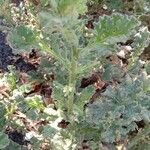
Senecio viscosus
Sticky groundsel · Sticky ragwort · Stinking Groundsel · Fetid groundsel · Sticky Groudsel
Description
Source: leafsnapSenecio viscosus, commonly known as sticky ragwort or sticky groundsel, is a perennial herbaceous plant in the Asteraceae family. Native to North America, it thrives in wetlands, meadows, and along streams. The plant can grow up to 3 feet tall and has a sticky texture due to glandular hairs on its leaves and stems. The leaves of Senecio viscosus are alternate, simple, and either lanceolate or oblong with toothed margins. The plant produces yellow flowers with 13-21 ray florets surrounding numerous disk florets, which bloom from June through August. Native Americans have historically used Senecio viscosus for medicinal purposes, such as treating coughs and colds. However, the plant contains toxic alkaloids that can cause liver damage if ingested. Senecio viscosus plays a vital role in its ecosystem, providing food for various insects, including bees and butterflies. Additionally, it serves as a host plant for certain moth species. Overall, Senecio viscosus is a fascinating herbaceous perennial with unique characteristics. Nevertheless, it should be handled with caution due to its toxicity when ingested by humans or animals.
Care Guide
💧 Water Every 7 days
Sticky groundsel is native to temperate regions and thrives with moderate moisture. To keep the plant healthy, the soil should remain consistently hydrated but not waterlogged, making weekly watering essential. When grown outdoors, sticky groundsel benefits from natural rainfall, which aligns its growth cycle with water availability during both its vegetative and flowering phases.
How should I water my Sticky groundsel plant?
Watering Sticky groundsel is quite simple and flexible. You have several options for watering tools, such as a garden hose, watering can, or any common tool. This plant is not too fussy about water sources, as it can thrive with rainwater, tap water, or filtered water. However, it's best to avoid watering it from overhead to prevent damage to the leaves, flowers, and potential diseases. A drip irrigation system is often the ideal method for watering Sticky groundsel, as it evenly applies water directly to the soil. If you have a container-grown Sticky groundsel, you can use a cup, watering can, or tap to water it directly at the soil level.
What should I do if I give my Sticky groundsel too much water or too little water?
To remedy underwatering Sticky groundsel, simply water it more regularly when you notice it lacks moisture. Overwatering, on the other hand, can lead to serious consequences if not caught early. It can cause diseases that may result in the decline and death of the plant. To prevent this, choose a growing location with ample sunlight to dry the soil and good drainage to prevent water from accumulating. If you overwater a potted Sticky groundsel, consider changing it to a pot with better drainage and loose soil during repotting.
How frequently should I water my Sticky groundsel?
Sticky groundsel requires regular watering throughout its growing season. In spring, watering once a week is recommended. As the season progresses and temperatures rise, you may need to increase watering to two or three times a week. However, excessive watering can harm the plant, so it's essential to ensure the soil is consistently moist but not overly wet. When it comes to potted Sticky groundsel, the watering routine should be adjusted. Generally, potted plants require more frequent watering as the soil in pots tends to dry out faster. In most cases, watering container-grown Sticky groundsel a few times per week is necessary compared to once a week for plants in the ground.
How much water does my Sticky groundsel plant need?
To determine how much water your Sticky groundsel needs, you have a few options. Some gardeners prefer to gauge the moisture of the soil by feeling it and water until the top six inches are moist. Another method is to follow a general guideline of giving your plant about two gallons of water per week, taking into consideration the temperature and rate at which the soil dries. However, be cautious not to overwater if your plant doesn't require that much. If you're growing Sticky groundsel in a container, a different approach is needed. You should water until all the layers of soil are moist, which can be tested by sticking your finger into it or observing a small amount of excess water escaping the drainage holes.
How do I know if I'm watering my Sticky groundsel enough?
Avoiding overwatering Sticky groundsel can be a bit challenging due to their unique needs. These plants have deep roots that require weekly watering to keep the soil moist. However, overwatering can lead to root rot and browning of the plant. Underwatering is less likely to occur as Sticky groundsel can survive for some time without additional watering. However, if you wait too long to water the plant, it may start wilting and develop dry leaves.
☀️ Light Full sun
Sticky groundsel performs best in full daylight and can tolerate lower light levels. In its native habitat it does well in sunny, open areas. Too little sunlight can impede its healthy growth, while very intense exposure does not harm it.
What are the sunlight requirements for Sticky Groundsel?
Sticky Groundsel (Senecio viscosus) thrives best under full sunlight, requiring more than 6 hours of sunlight a day. It can also tolerate partial sun conditions, which entail about 3-6 hours of sunlight daily. However, watch how sunlight moves through your garden to ensure you choose spots that provide the optimal balance of light and shade for the plants. This careful observation ensures their growth and happiness by providing the perfect conditions for them to thrive.
How does artificial lighting affect the growth of Sticky Groundsel indoors?
When natural sunlight is insufficient, especially during winter or in less sunny spaces, artificial lighting becomes crucial for the growth of Sticky Groundsel indoors. It promotes faster, healthier growth by compensating for the lack of sunlight. LED lights are a popular choice for indoor plant lighting as they can be adjusted to provide specific wavelengths needed by plants. For optimal growth, full sun plants require 30-50W per square foot of artificial light, partial sun plants need 20-30W per square foot, and full shade plants need 10-20W per square foot. The artificial light source should be placed 12-36 inches above the plant to mimic natural sunlight and kept on for 8-12 hours per day depending on the plant species' needs.
What are common symptoms of inadequate light exposure in Sticky Groundsel?
Symptoms of inadequate light exposure in Sticky Groundsel include smaller new leaves, leggy or sparse growth, faster leaf drop, slower or no new growth, and lighter-colored new leaves. Chlorosis (yellowing of leaves) and sunscald (damage from intense sunlight) could also occur, alongside leaf curling, wilting, and leaf scorching. These symptoms indicate a lack of or excessive sunlight, which affects the plant’s ability to photosynthesize and maintain its health.
What solutions can be implemented for Sticky Groundsel experiencing inadequate sunlight?
To address inadequate sunlight for Sticky Groundsel, gradually move plants to sunnier locations each week until they receive at least 6 hours of direct sunlight daily. Use south-facing windows and keep curtains open during the day for maximum sunlight exposure. For indoor plants that are large or not easily movable, supplement with artificial light, keeping a desk or ceiling lamp on for at least 8 hours daily or investing in professional plant grow lights. If outdoor plants struggle, move them gradually to avoid sunburn. Also, consider reducing obstructions like pruning trees or transplanting smaller plants to sunnier locations during their dormant period for better sunlight exposure and growth.
🌡️ Temperature 5–35°C
Sticky groundsel does best in areas that consistently have temperatures of 68 to 95 °F (20 to 35 °C). This plant prefers warmth and reaches peak performance in those climate conditions. If a colder season arrives, remember to modify the surroundings to keep temperatures from falling below its ideal range.
What is the ideal temperature range for Sticky groundsel?
Sticky groundsel, or Senecio viscosus, thrives in temperatures between 68 to 95°F (20 to 35°C). It is a warmth-loving plant that performs best within this temperature range. In cooler seasons, it's necessary to adjust the surroundings to prevent the temperature from falling below the plant's ideal range. Despite its strong cold resistance, additional cold protection might be needed if winter temperatures are expected to drop below -25°C, using materials such as soil or straw. It's also beneficial to water the plant abundantly before the first freeze in autumn to keep the soil moist and help prevent drought during winter and early spring.
How does Sticky groundsel react to low temperatures?
Sticky groundsel is quite cold-tolerant and best thrives in temperatures above 20°C. During the winter, it's important to ensure the temperature stays above 0°C. If temperatures fall below -25°C, you may not notice changes during winter, but there could be a decrease in sprouting or no sprouting at all come springtime. The solution for any parts of the plant that have failed to sprout in spring is simply to remove them.
What should I do if Sticky groundsel experiences high temperatures?
During the summer, it is crucial to keep the temperature of Sticky groundsel below 35°C. Should the temperature rise above 38°C, the plant's leaves may lighten in color, curl, become prone to sunburn, and in severe cases, the entire plant might wilt and dry out. To counteract this, trim away any sunburned and dried parts of the plant. Relocate the plant to an area with shade from the midday and afternoon sun or use a shade cloth. Additionally, watering the plant in the morning and evening can help keep the soil moist, which is vital during hotter temperatures.
💨 Humidity
🪴 Soil 6-7
🌱 Fertilizer
Sticky groundsel does well with regular, light applications of fertilizer to encourage healthy leaf development. Fertilize Sticky groundsel about once a month during the summer. Nitrogen is essential for foliage, and supplying nitrogen-rich sources helps Sticky groundsel thrive.
🪴 Pot & Repot
✂️ Pruning
Sticky groundsel is characterized by its sticky, resinous leaves and yellow flowers. To maintain its health and appearance, prune the plant from early to late spring. This helps remove dead growth and improve airflow. Pruning during this time also coincides with new growth, which aids in the plant's recovery and encourages vibrant blooms. For more detailed advice, consult reliable horticultural sources.
🌿 Propagating
🐛 Diseases & pets
☠️ Toxicity
Characteristics
- Plant Type
- Herb
- Life Cycle
- Annual
- Genus
- Senecio
- Family
- Asteraceae
- Hardiness Zone
- 5-9
- Mature Height
- 20 cm to 49 cm
- Mature Spread
- 15 cm to 30 cm
- Leaf Color
- Light Green, Dark Green
- Leaf Type
- Semi-evergreen
- Flower Color
- Yellow
- Flower Size
- 0.76 cm to 0.76 cm
- Bloom Time
- Summer, Early fall
- Planting Time
- Spring, Summer, Autumn
- Harvest Time
- Late summer, Early fall, Mid fall
- Native Area
- Turkey, Austria, Sweden, Slovakia, Montenegro, Croatia, Slovenia, Belarus, Russia, Germany, Estonia, Romania, Latvia, Belgium, Moldova, France, Netherlands, Czech Republic, Bulgaria, Armenia, Poland, Greece, Ukraine, Serbia, Lithuania, Norway, Italy, Spain, Switzerland, Denmark, Finland, Albania, Ireland, United Kingdom, Hungary